Nyakitunda Sub County – Isingiro District | 16th August 2026
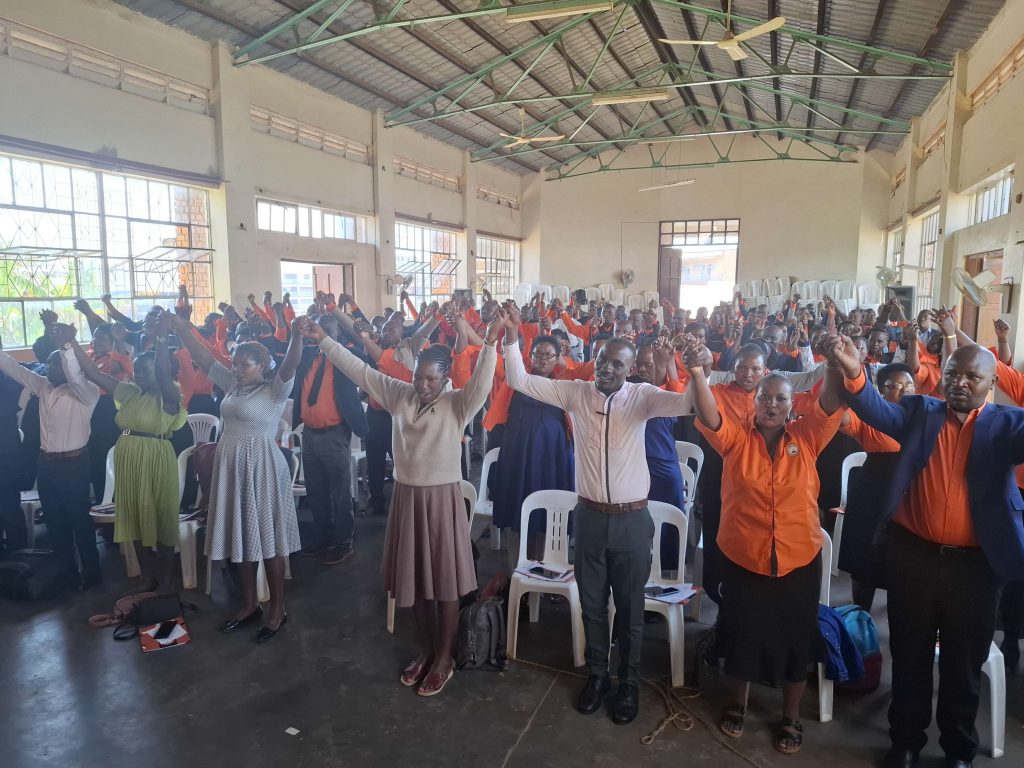
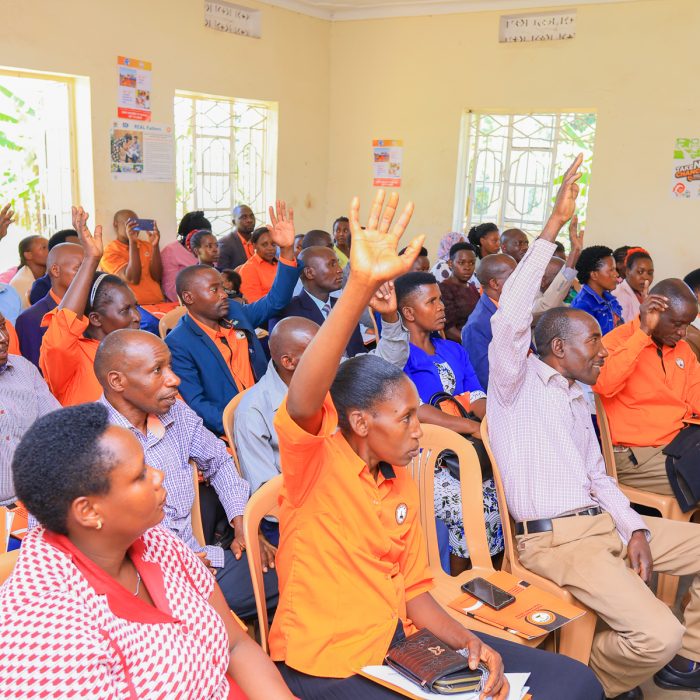
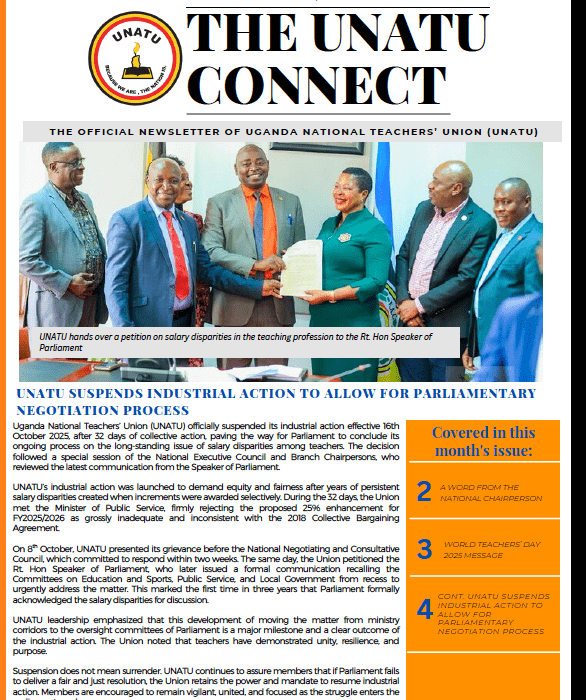
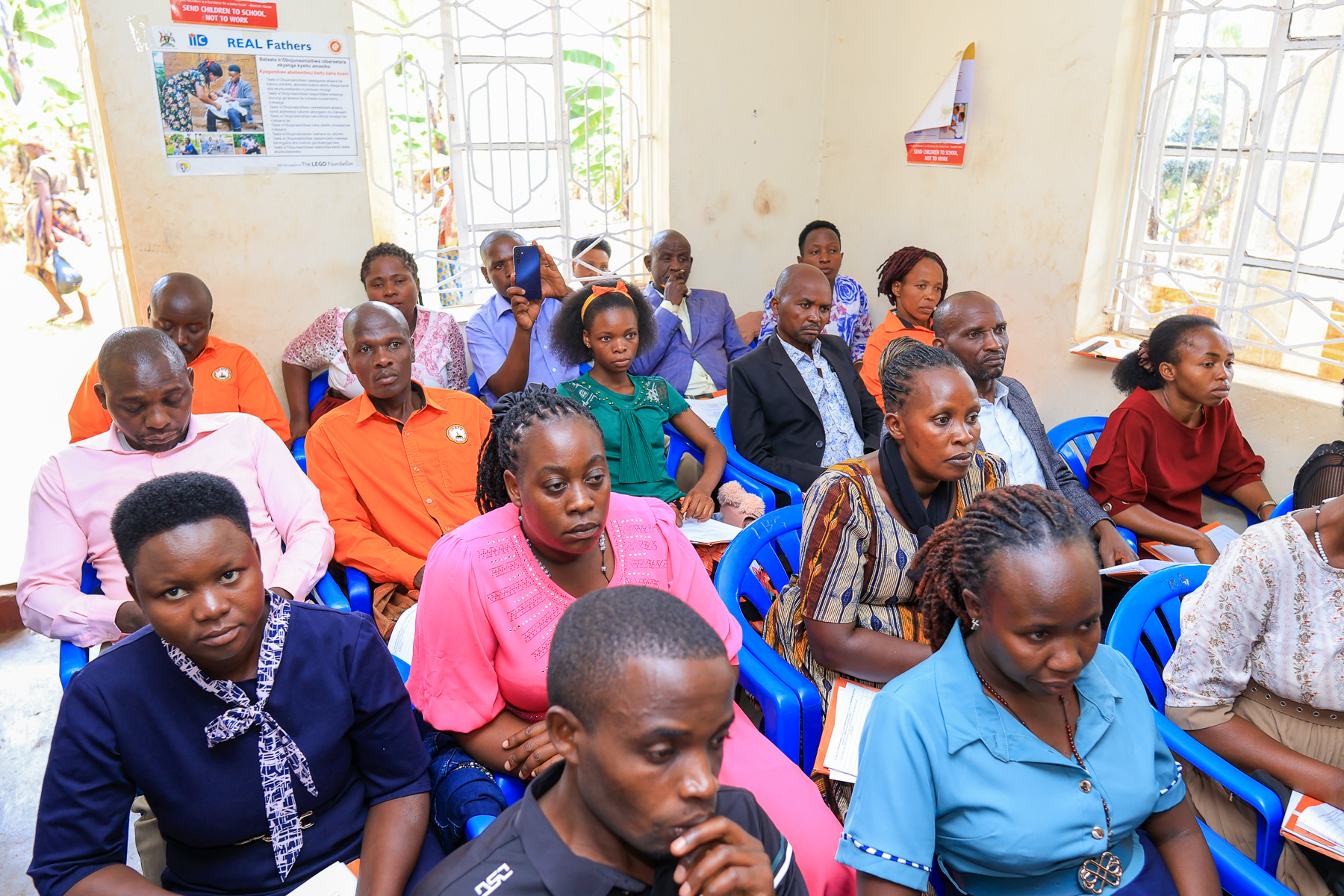
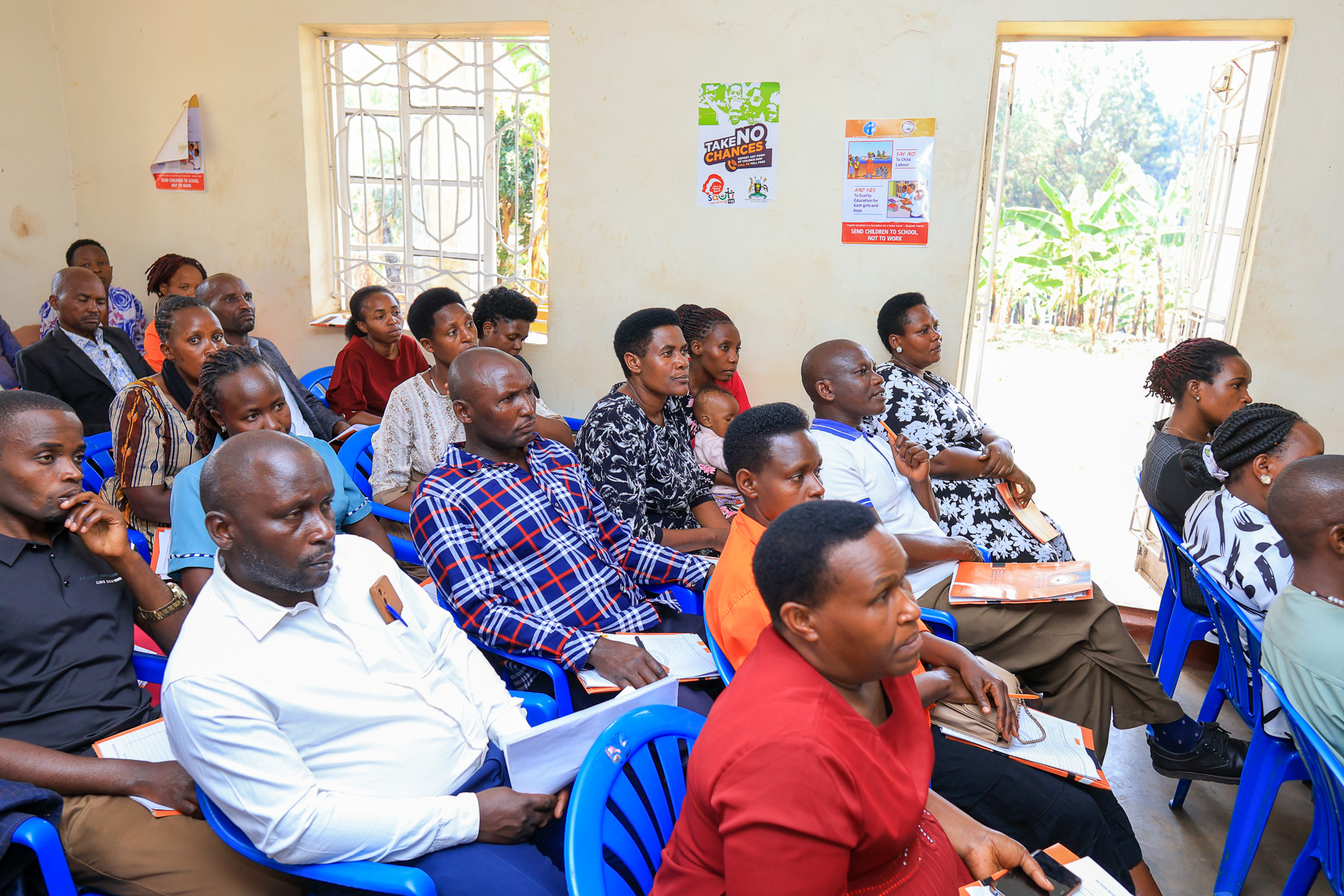
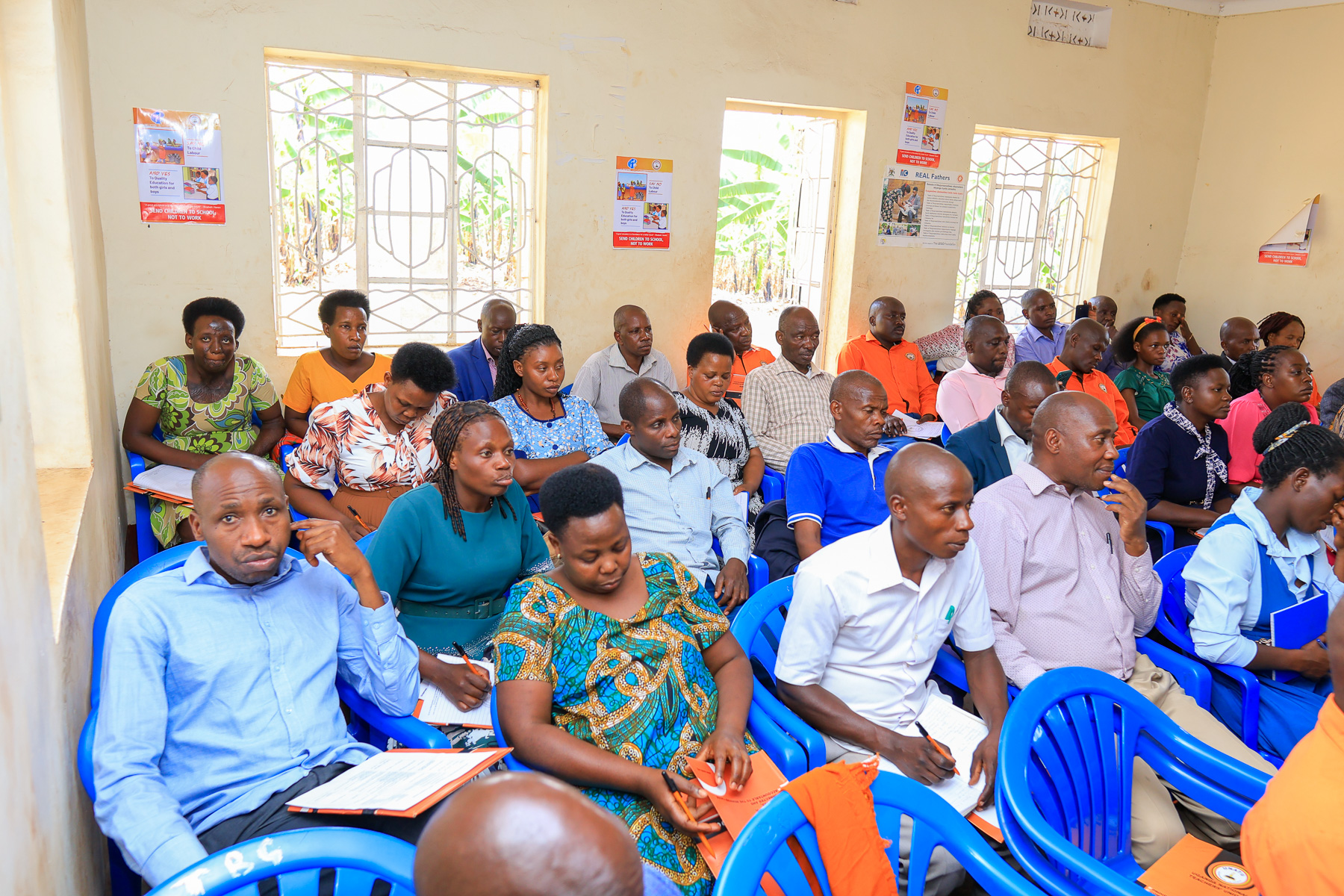
72 teachers and school leaders in Nyakitunda Sub County have been urged to use classroom action research to identify school-level problems, generate evidence and design practical interventions that keep children learning and protected from child labour.
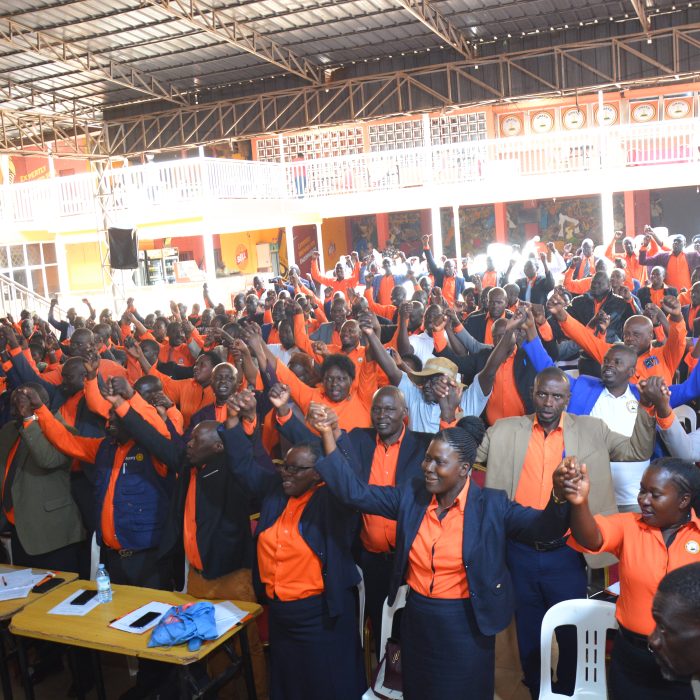
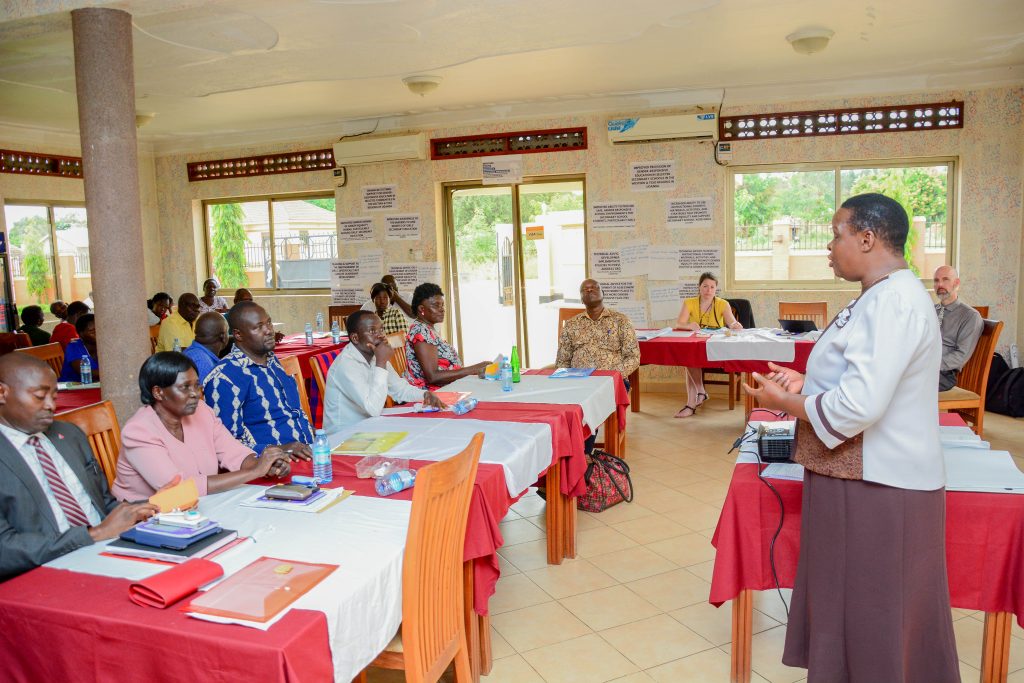
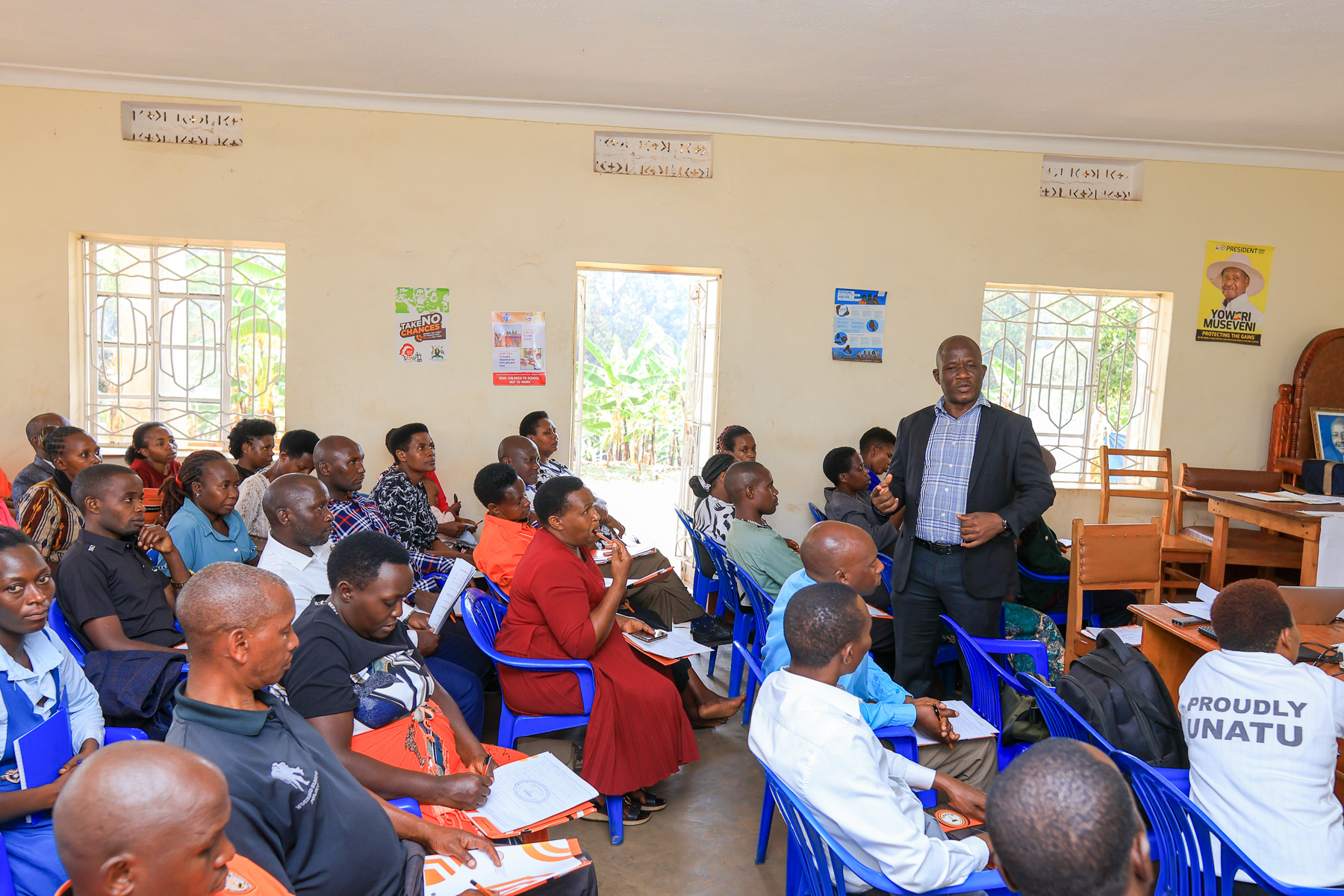
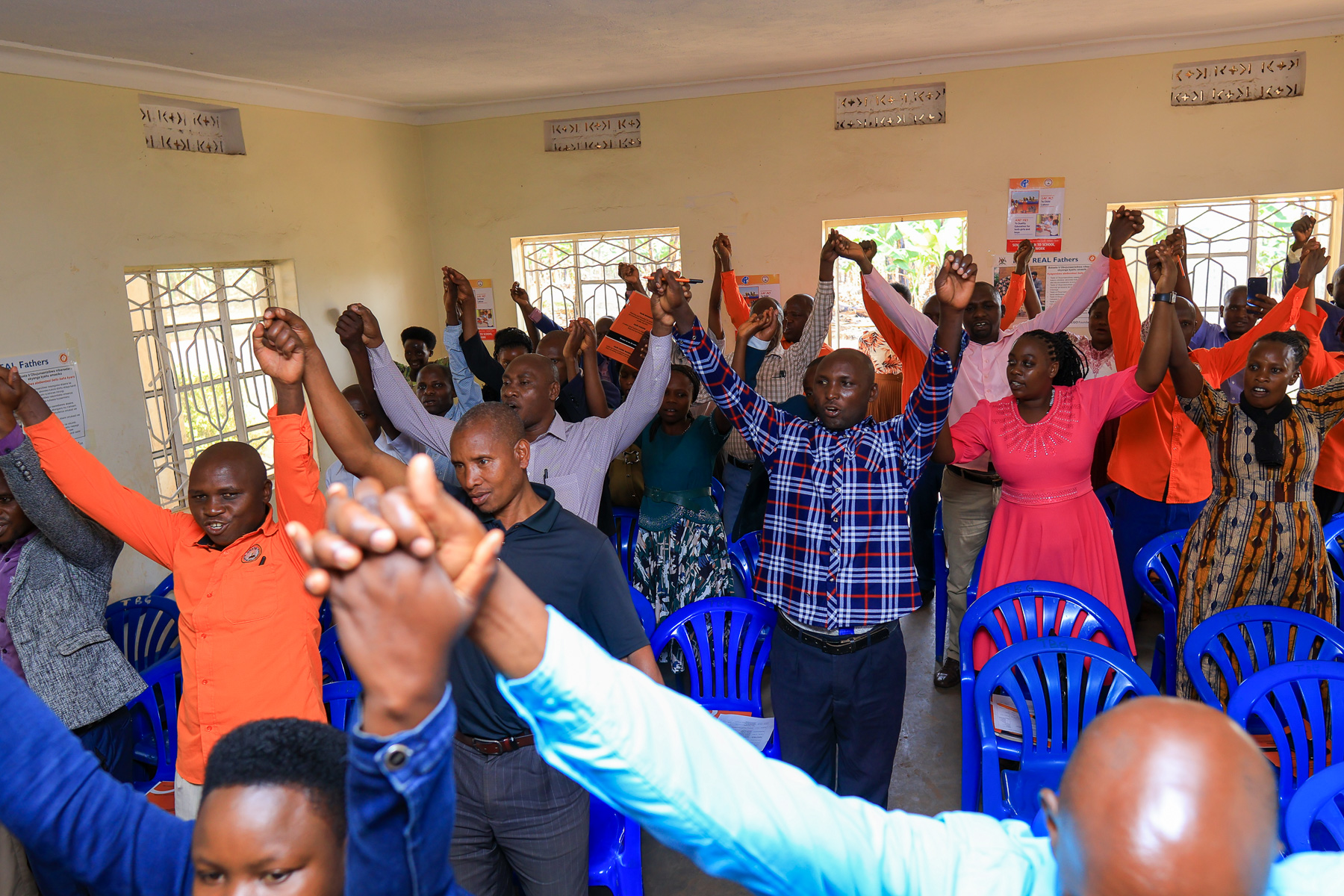
The call was made during an Action Research Training organised by the Uganda National Teachers’ Union (UNATU) on 16th August 2026 at Nyakitunda Sub County Headquarters.
The training brought together 72 participants and followed the Documentation and Counselling session held the previous day, deepening the project’s focus on learner enrolment, attendance, retention, child protection and teacher-led solutions.
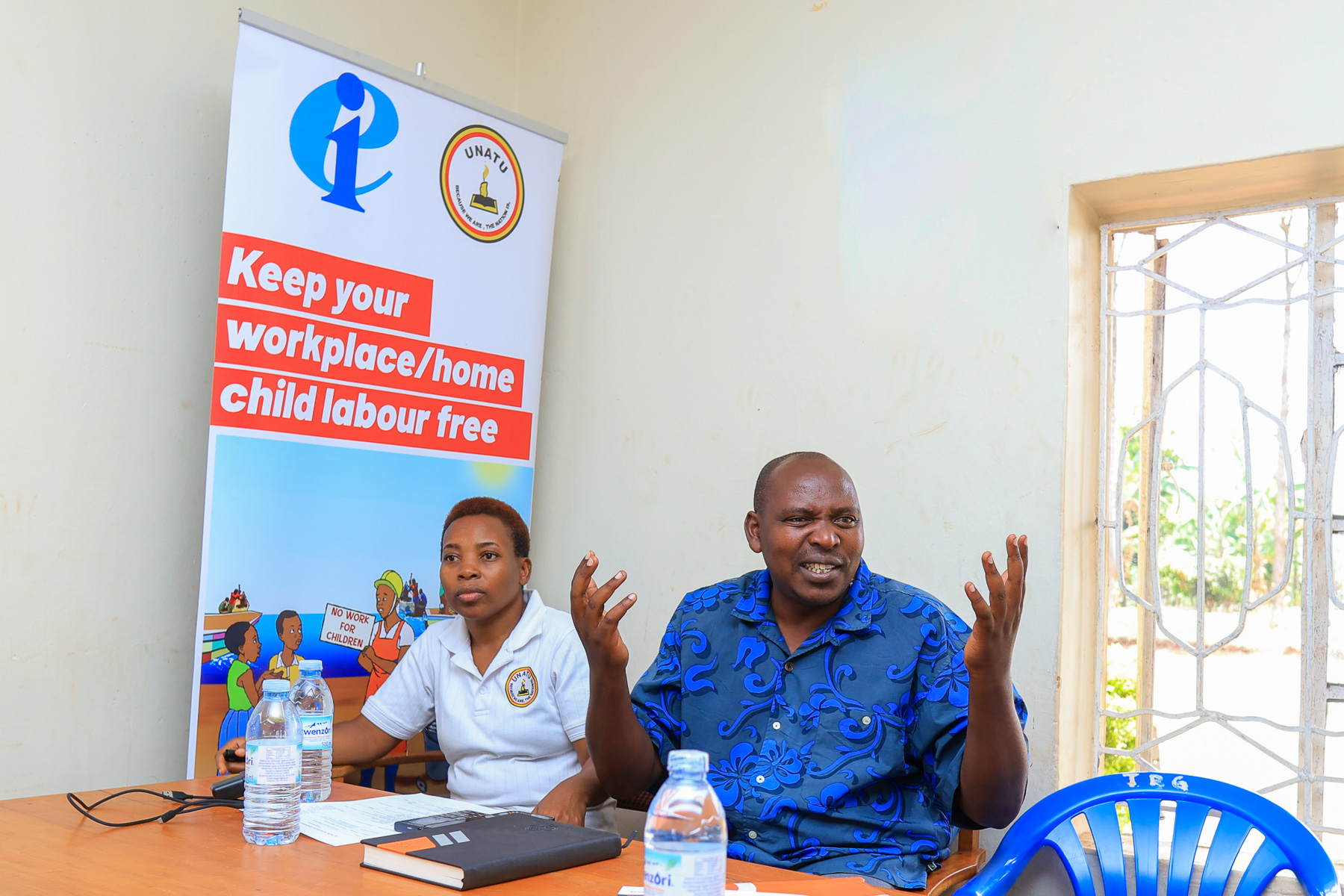
The engagement was facilitated by UNATU Programme Officer Kalamagi Gowan and formed part of the Education International-supported child labour intervention in Nyakitunda.
Action research was presented as a practical tool that enables teachers to study challenges in their own classrooms while acting on them at the same time. The training defined classroom action research as a systematic and reflective inquiry led by educators to solve specific problems in their classrooms and improve professional practice.
Research as a tool for understanding Nyakitunda’s challenges
In her message, the Community Development Officer, Atuhaire Shivan, thanked teachers for their work and appreciated the participation of all 72 trainees.
She said research was important because it helps communities understand what is really happening before decisions are made.
“I am calling all of you to become good researchers so we can find out and share the challenges we face in Nyakitunda,” she said.
Atuhaire said she had a strong interest in research, having undertaken several courses and participated in different research activities.
She encouraged participants to take the training seriously, noting that research would help teachers collect the right information on learner attendance, dropout risks, child labour and other challenges affecting education in the sub county.
She also urged teachers to report cases early, saying timely reporting can help protect children before situations worsen.
Atuhaire said she holds teachers in high regard and hoped they would live up to the trust placed in them by learners, parents and the community.
She welcomed the project, noting that it was timely because of the high levels of child labour in Nyakitunda.
UNATU condemns abuse and child labour
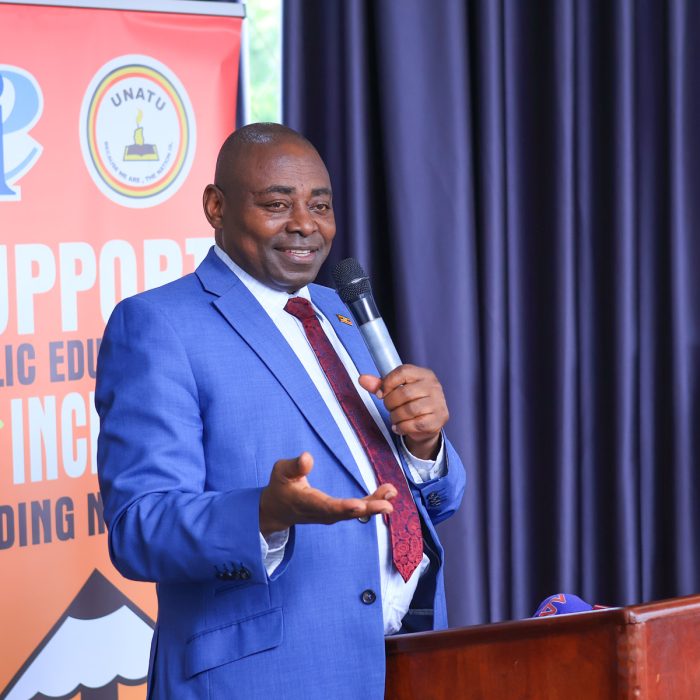
The UNATU South Western Regional Coordinator, Betty Nalunga, condemned defilement and child labour in the sub county and urged teachers to be at the forefront of protecting children.
She said UNATU does not support such acts and condemns them in the strongest terms.
Nalunga called on teachers to stand with their learners, identify risks early and work with local leaders, parents and school structures to fight practices that keep children away from school.
She said teachers are not only classroom instructors, but also frontline defenders of children’s right to education, safety and dignity.
Her message reinforced the wider purpose of the project: to ensure that children remain in school, are protected from exploitation and receive support when they are at risk.
General Secretary calls for professionalism
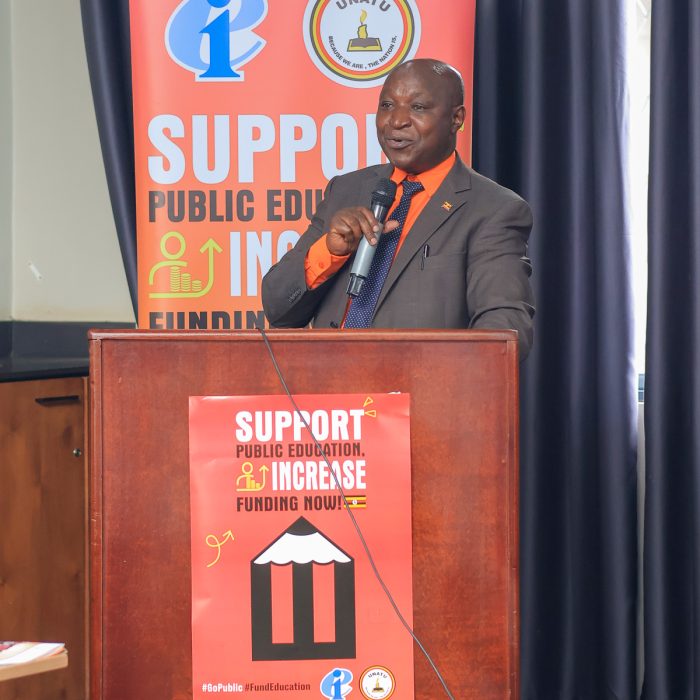
Officially opening the training, UNATU General Secretary Baguma Filbert Bates reiterated that the Union does not condone defilement, child labour or any form of unprofessional conduct.
He said UNATU will not stand with any leader or member found to be involved in acts that abuse or exploit children.
He called for professionalism among teachers, with head teachers expected to lead by example in protecting learners and upholding ethical conduct.
Baguma referred to earlier UNATU interventions, including the Simameni Project in Teso and Western Region, which addressed child pregnancy and learner protection concerns.
He reminded participants that anyone can become a perpetrator if vigilance is lost, and called on teachers to remain alert in their schools and communities.
He also spoke about the National Teachers Council, noting that it is expected to play a key role in regulating the teaching profession, including matters of discipline, registration, licensing and professional conduct.
He urged teachers to understand the policies governing their profession and to take their roles and rights seriously.
Records, permissions and accountability
The General Secretary called for accurate record keeping on payroll, staff-related matters and daily school operations.
He said written records protect both the teacher and the institution because they provide evidence when questions arise.
He advised teachers to seek permission formally and keep copies of all requests submitted.
He also linked accurate school records to enrolment, attendance and learner retention, saying teachers cannot effectively support children if they do not know who is present, who is absent and who is gradually slipping away from school.
Baguma cautioned teachers against living beyond their means and taking unnecessary loans that do not improve their financial position.
He encouraged them to invest in themselves and avoid decisions that weaken their stability, professionalism and long-term welfare.
He thanked the 72 participants for their commitment to the workshop and appreciated the leadership of Nyakitunda Sub County for supporting the project.
Action research begins with daily classroom problems
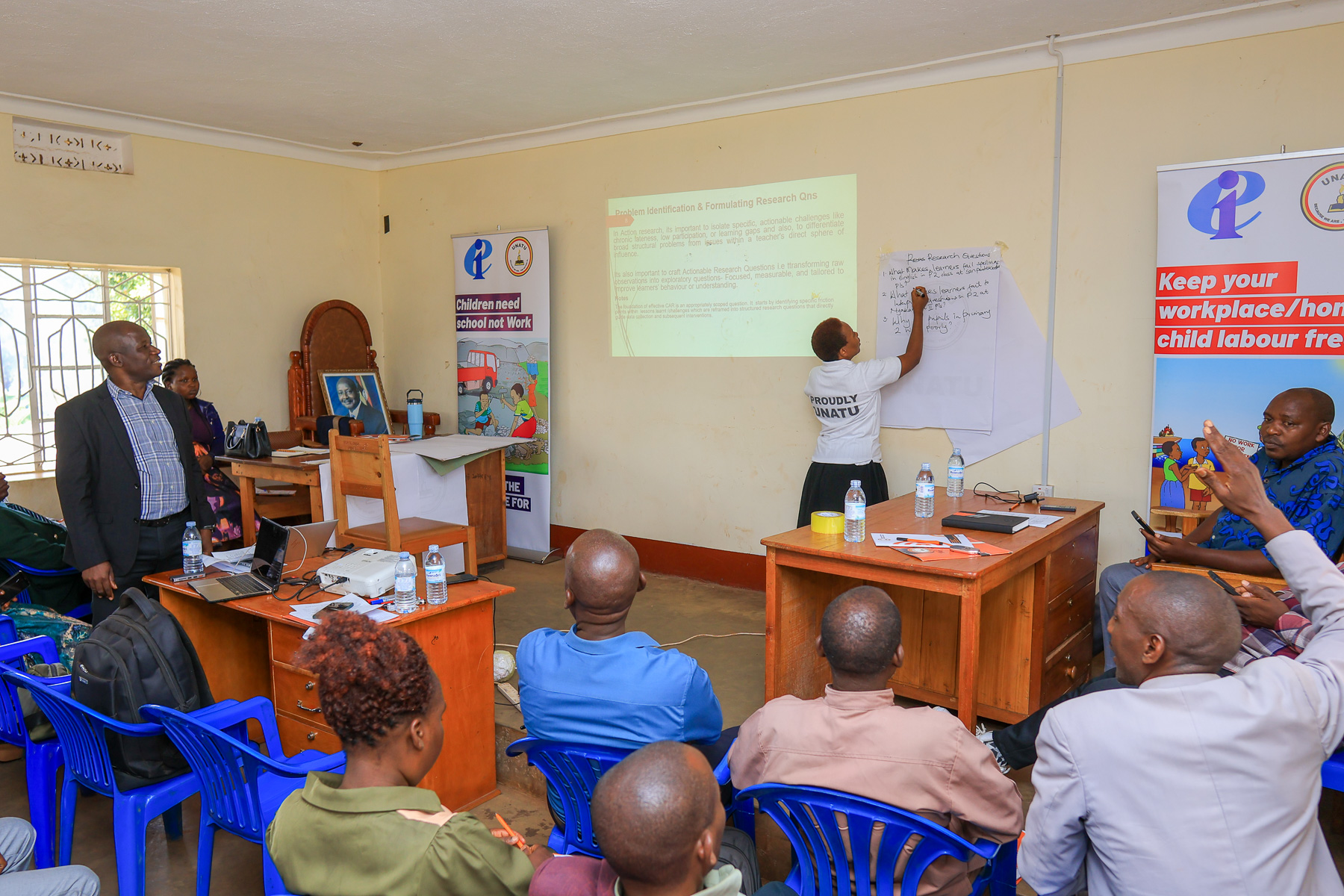
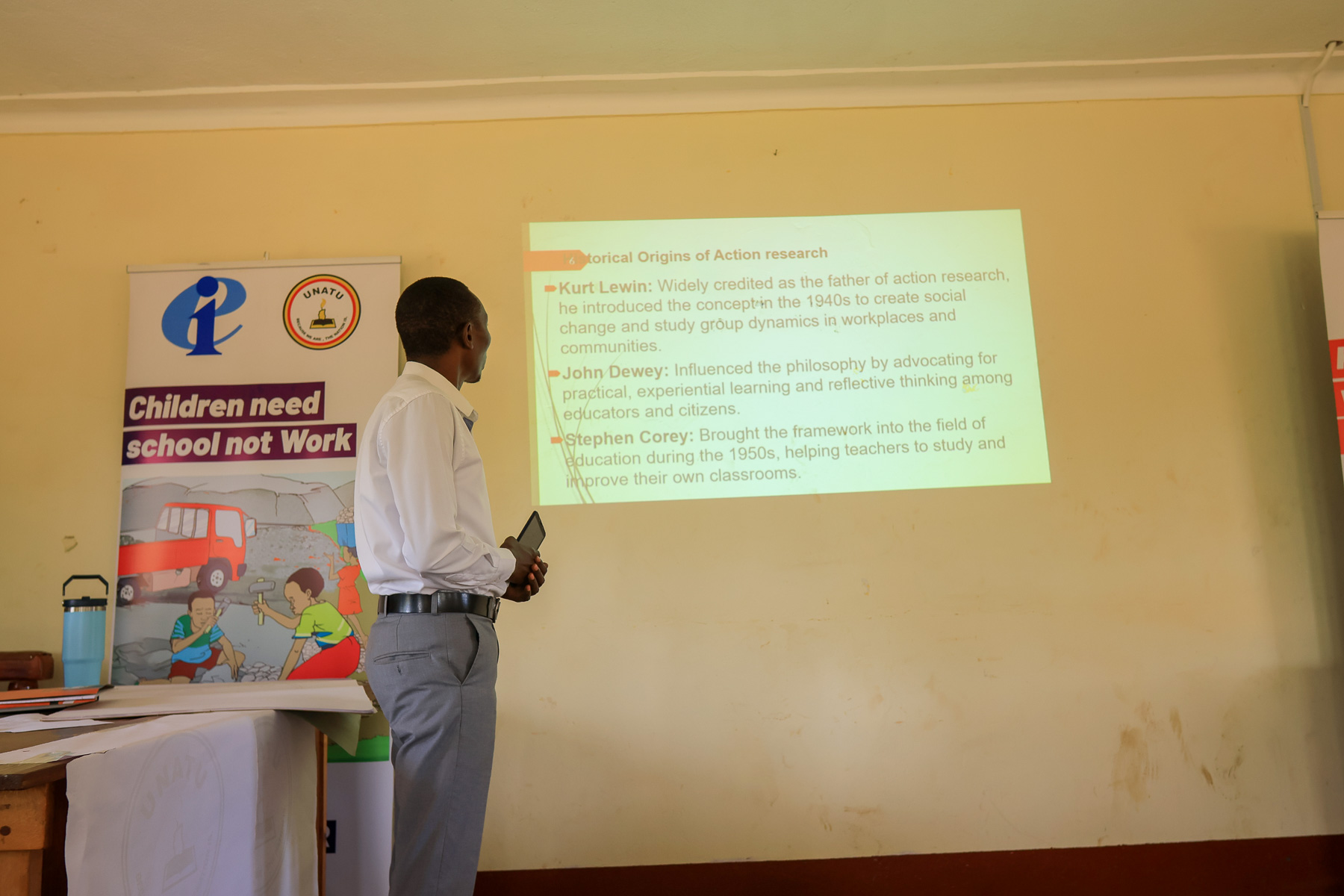
During the training, UNATU Programme Officer Kalamagi Gowan guided the 72 participants through the meaning and purpose of action research.
He explained that action research is not distant academic work removed from daily school realities. It begins with what teachers experience in their classrooms and schools every day.
The presentation described research as a systematic, objective and structured investigation used to discover, interpret and revise facts, theories or applications. It also introduced different forms of research, including basic, applied, qualitative, quantitative, descriptive and experimental research.
For teachers, the focus was classroom action research.
Gowan explained that action research helps educators identify a problem, test a practical response, observe what changes and reflect on the results.
The training showed that action research differs from conventional research because its primary goal is immediate improvement in a local classroom, school or community. Unlike conventional research, where the researcher may remain detached, action research places the teacher inside the process as an active participant.
Turning school challenges into research questions
Participants were guided on how to identify specific and manageable problems within their schools.
The training emphasised that teachers should focus on issues within their sphere of influence, such as chronic lateness, low participation, absenteeism, weak reading habits, learning gaps or repeated non-completion of assignments.
The session showed that effective action research begins with a clearly scoped question.
Teachers were encouraged to turn raw observations into practical research questions, such as: “How can I improve learner attendance in my class?” or “What happens when I introduce daily reading circles for struggling learners?”
The presentation emphasised that action research questions should be action-oriented, open-ended, ethical and feasible within the available time and resources.
This approach links directly to the Nyakitunda child labour intervention because learner absenteeism, lateness and dropout risks can be observed, documented, studied and acted upon at school level.
From evidence to intervention
The programme took participants through key action research skills, including problem identification, research questions, quantitative data, qualitative data collection, data triangulation and intervention design.
Teachers were introduced to quantitative data such as attendance records, grades, time-on-task, submission rates and classroom disruption counts.
They were also introduced to qualitative methods such as observation checklists, student interviews, teacher journals, field notes and document analysis.
The training explained that while numbers show what is happening, qualitative information helps teachers understand why it is happening.
Participants were also introduced to data triangulation, which involves combining different sources of evidence to understand a single classroom problem more accurately. For example, a teacher may compare attendance records, classroom observations and learner interviews before deciding how to respond.
This was presented as important in avoiding assumptions, personal bias or decisions based on incomplete information.
The four-step cycle: Plan, Act, Observe and Reflect
A key part of the training focused on the four-step cycle of action research: Plan, Act, Observe and Reflect.
Teachers were guided to first identify a problem and design an intervention, then implement the intervention, collect data and reflect on whether the approach worked.
The presentation explained that action research is cyclical. If the first intervention does not solve the problem, the teacher reflects, adjusts and begins another cycle.
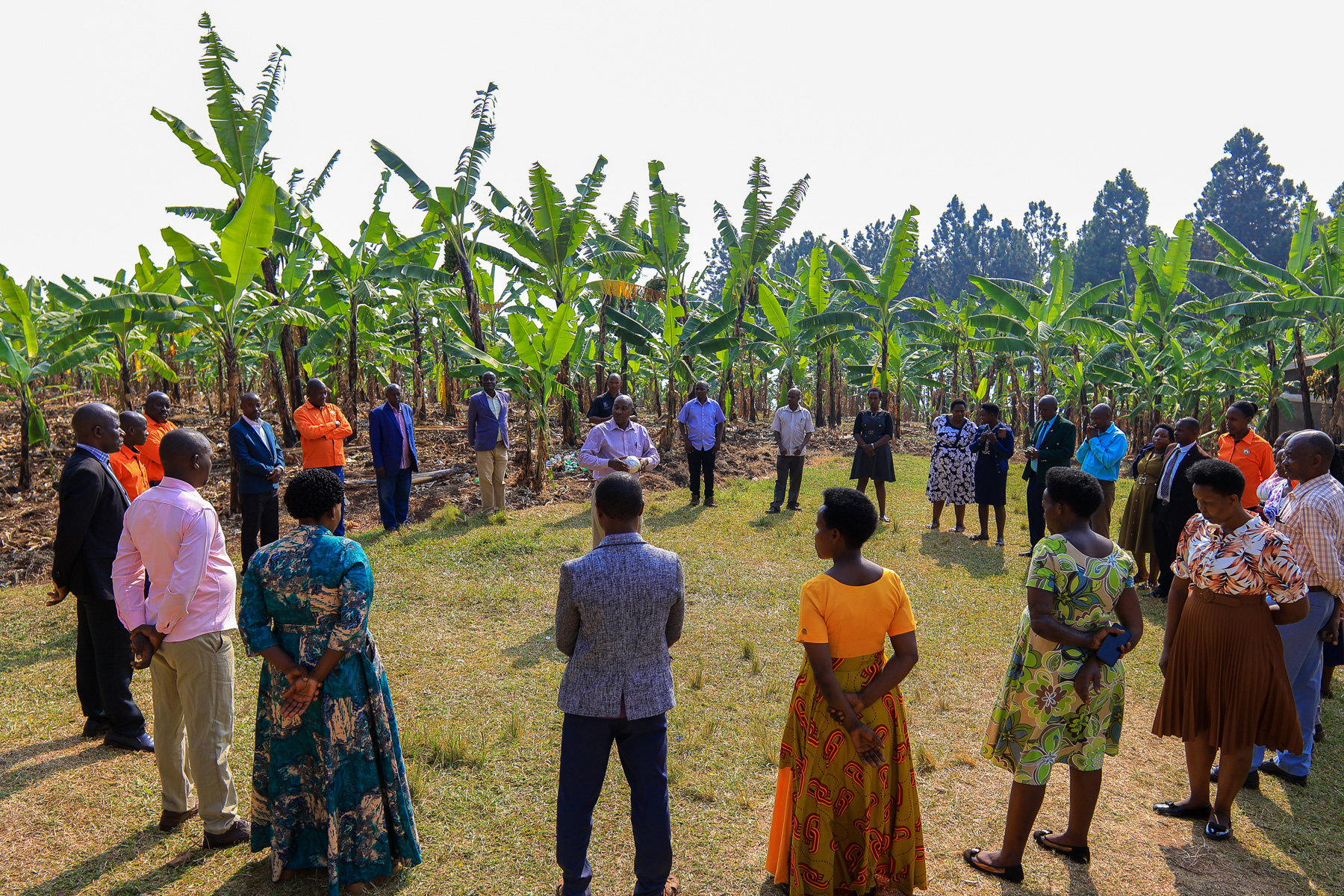
Participants also worked through an application clinic that required them to draft a rapid classroom action research cycle for issues such as chronic lateness.
The exercise helped teachers move from theory to practice by designing an intervention, deciding how to implement it, choosing what data to collect and reflecting on how results would be evaluated.
The training also introduced the idea of a “critical friend”, a trusted colleague who provides objective feedback, challenges assumptions, cross-checks observations and supports reflection during the research process.
Research for learner protection
The training connected action research to the broader fight against child labour in Nyakitunda.
Teachers were encouraged to use evidence to identify learners at risk, understand patterns of absenteeism and design responses that keep children in school.
A teacher, for example, may notice repeated absenteeism during market days, harvesting periods or after weekends. Through action research, that pattern can be documented, discussed with parents, followed up by school structures and addressed through targeted support.
In this way, action research becomes more than professional development. It becomes a child protection tool.
It helps teachers move from guessing to knowing, and from reacting late to intervening early.
Conclusion
The training equipped the participants with practical skills to investigate challenges affecting learners and develop solutions suited to their own schools.
By using attendance records, classroom observations, learner feedback and other forms of evidence, participants can identify early warning signs of absenteeism, dropout and child labour and respond before children are permanently pushed out of education.
The success of the training will depend on how the participants apply the Plan, Act, Observe and Reflect cycle in their schools and share lessons with colleagues, parents and local leaders.
Through this teacher-led approach, Nyakitunda schools can strengthen learner protection, improve retention and ensure that children remain in school and free from exploitation.
Other posts