Kampala | 2 October 2026
As Uganda prepares to mark World Teachers’ Day 2026, the Uganda National Teachers’ Union (UNATU) and child rights organisations have called for greater investment in teachers, arguing that the country cannot expect quality education and better outcomes for children without adequately supporting the people responsible for teaching, guiding and nurturing them.
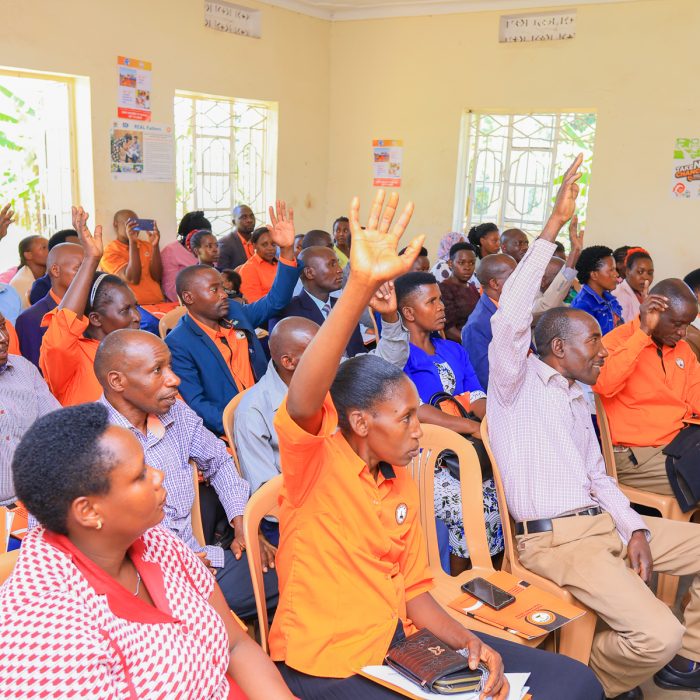
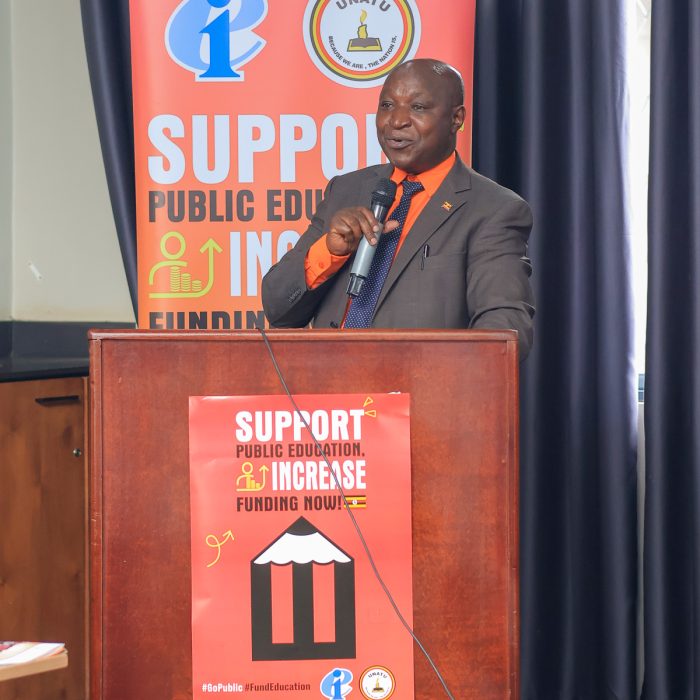
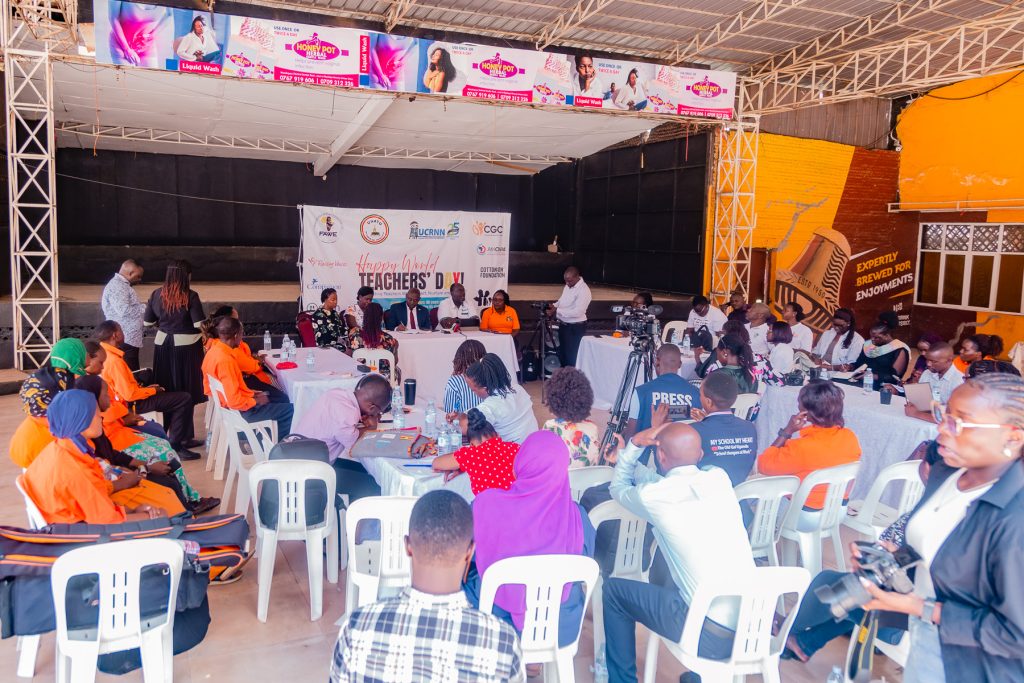
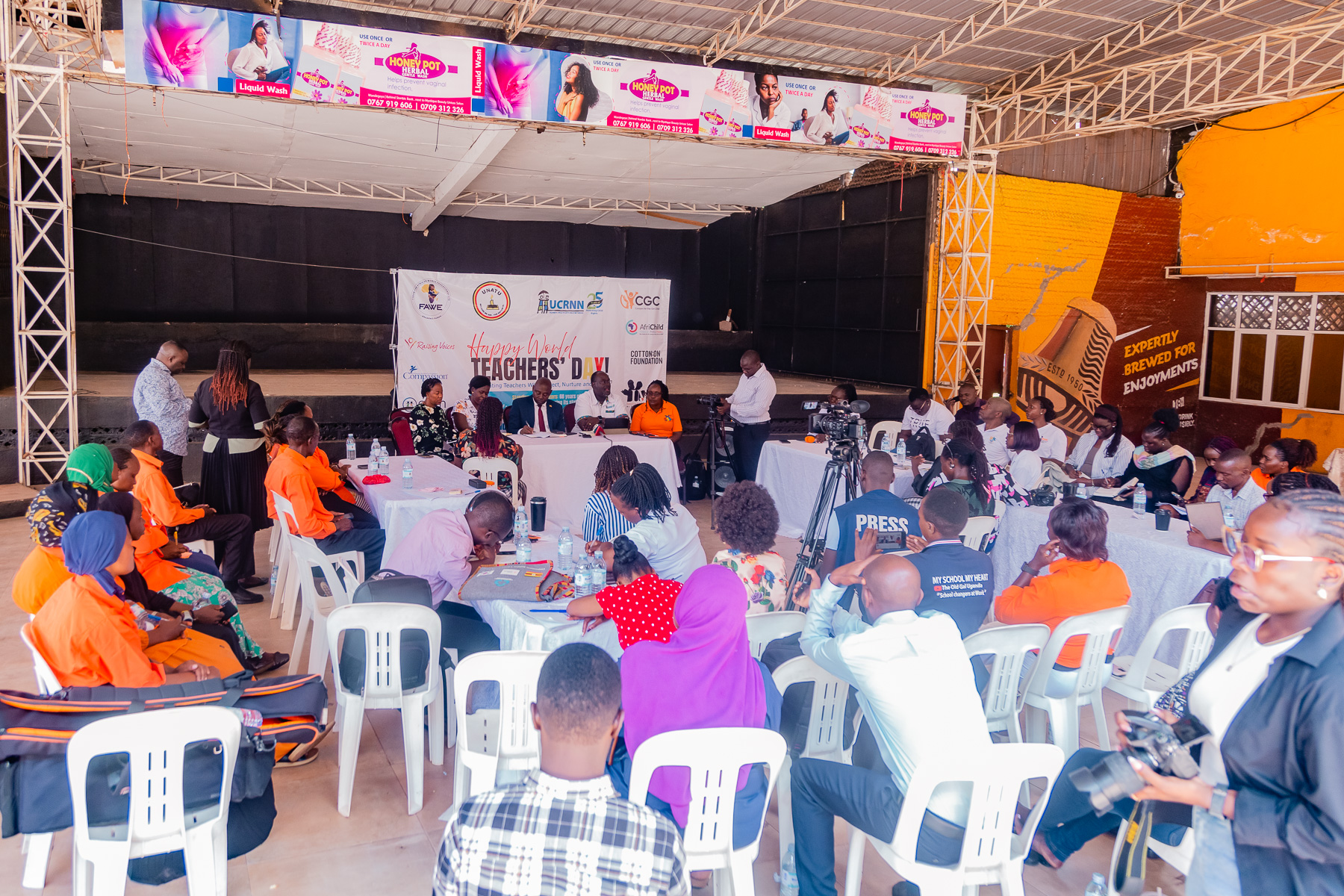
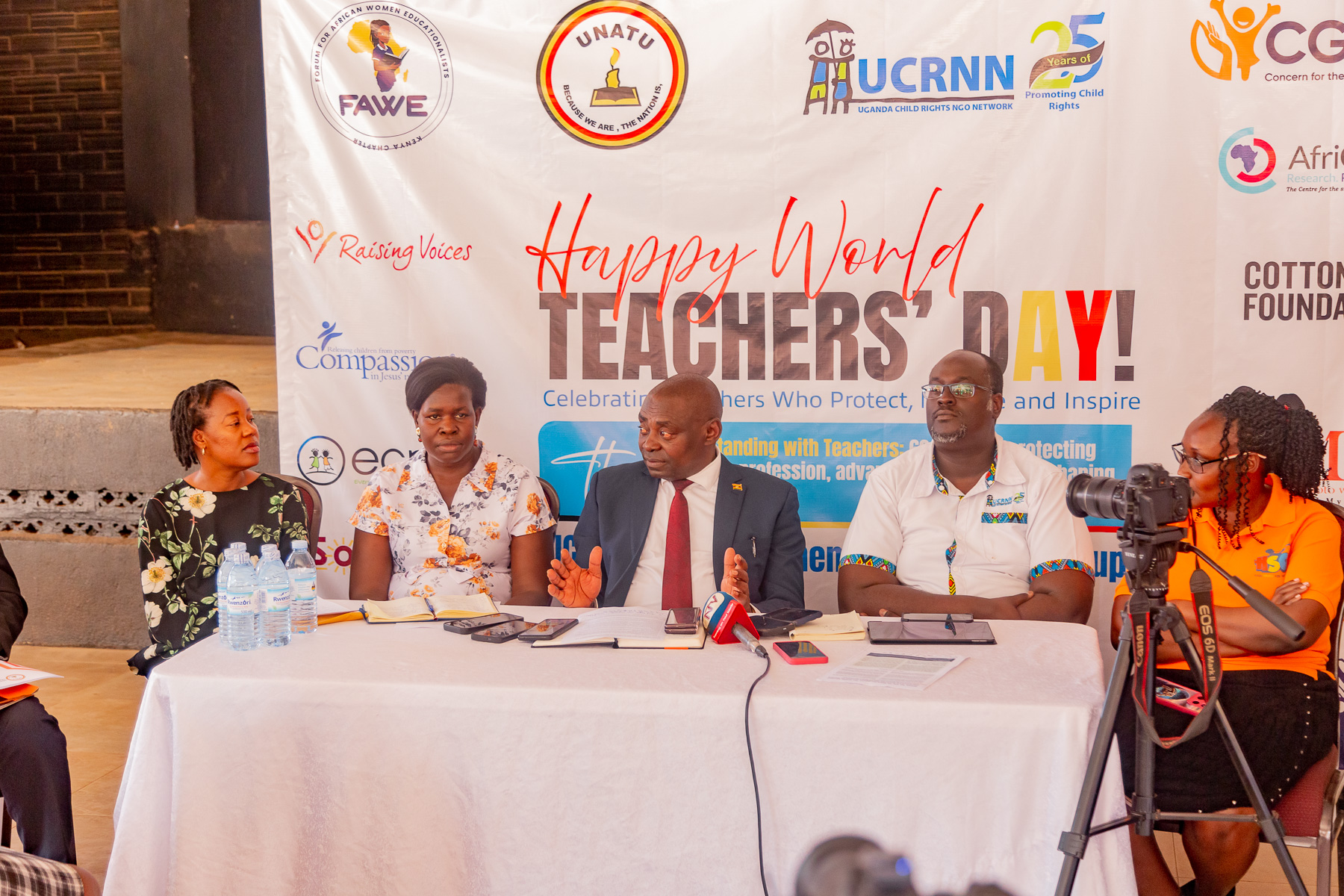
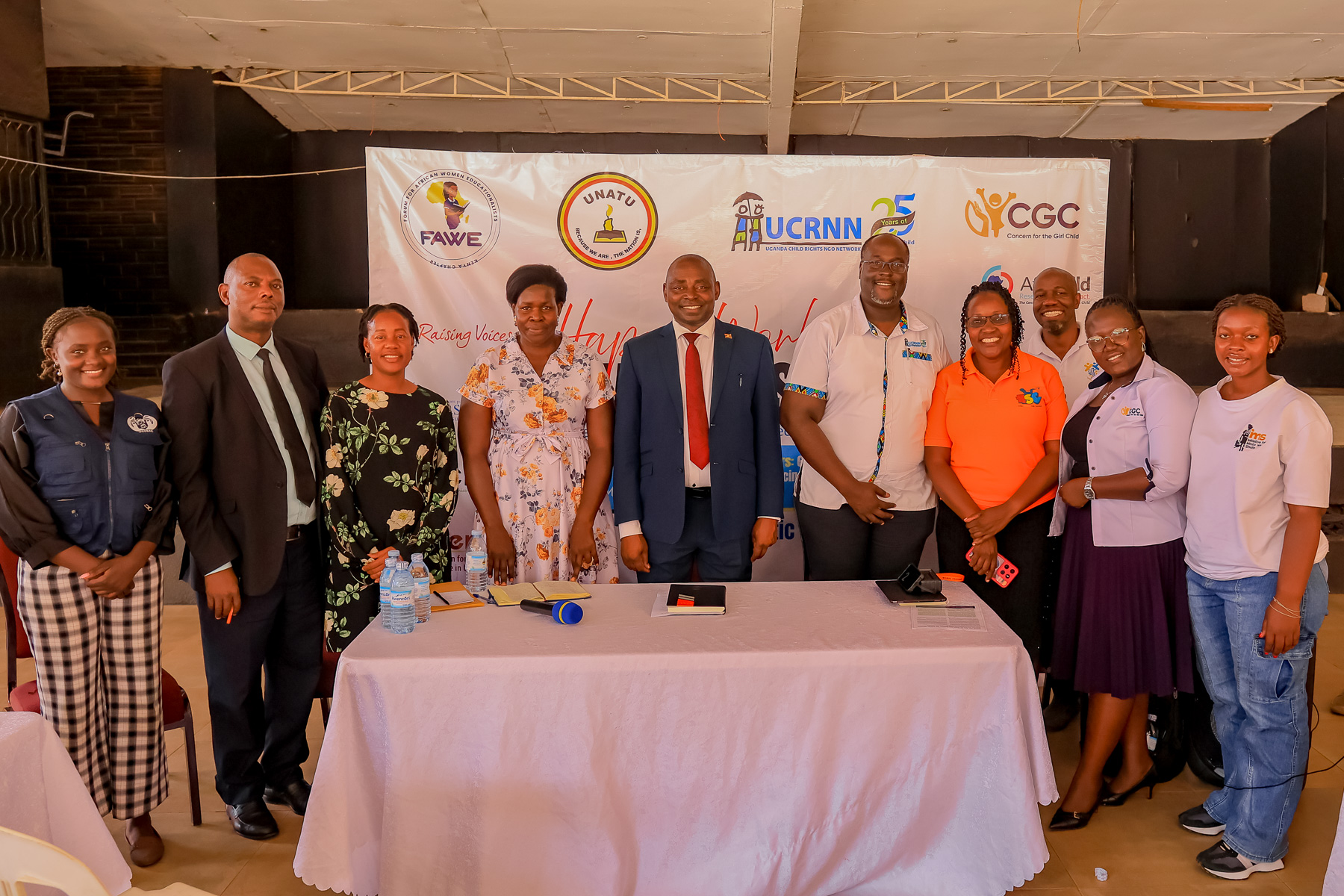
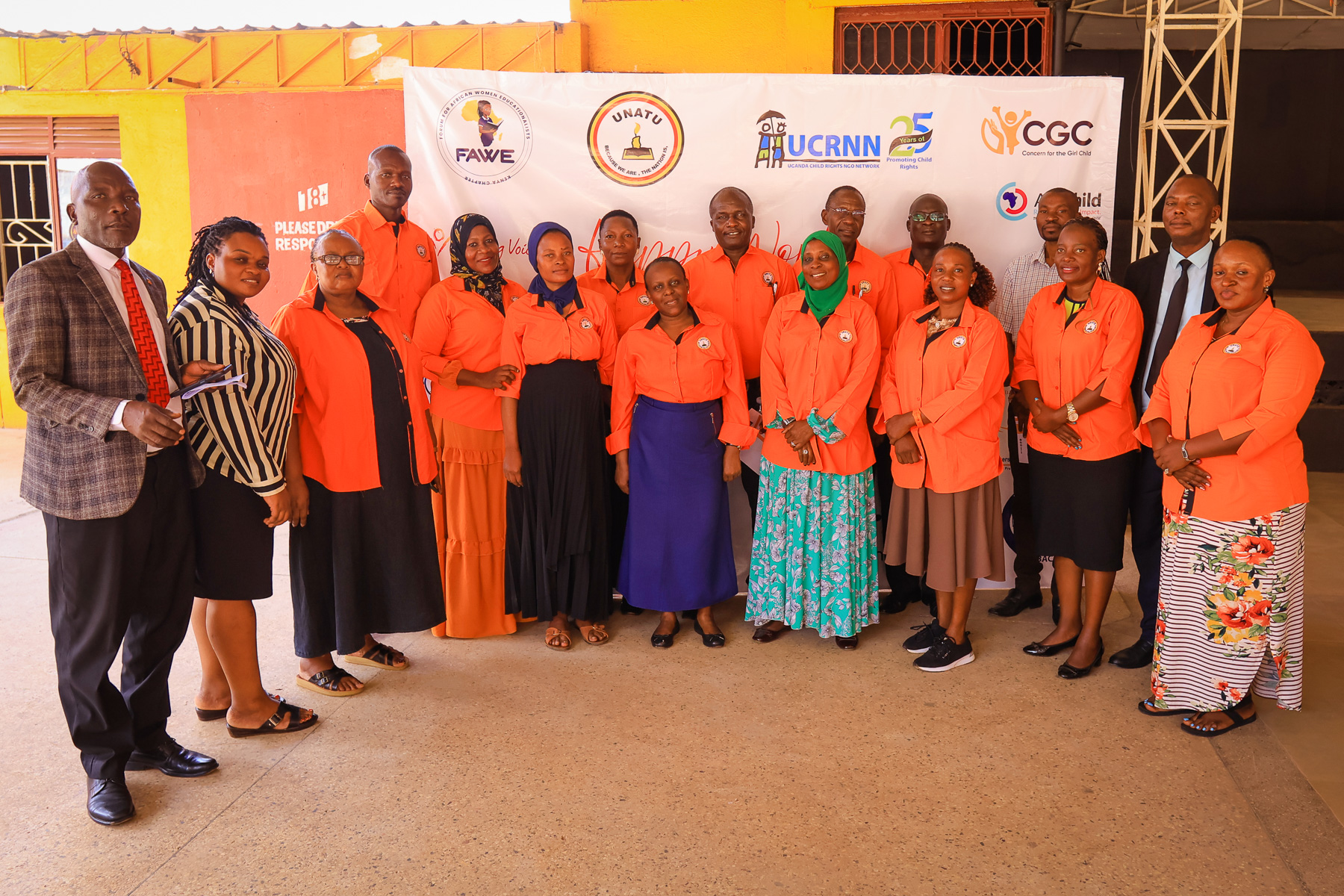
The call was made during a pre-World Teachers’ Day press conference at UNATU headquarters in Kampala, organised with members of the Uganda Child Rights NGO Network (UCRNN) Education Thematic Group.
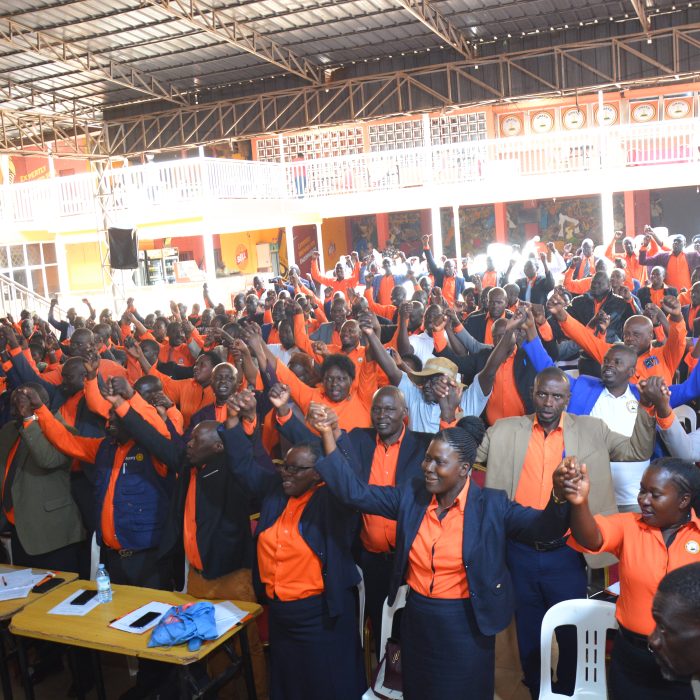
The engagement brought together voices from the teachers’ movement, child rights organisations and education leadership to examine teacher welfare, professional development, positive discipline, child protection and the shared responsibility of schools, families and communities in shaping children’s futures.
World Teachers’ Day will be marked on 5 October under the 2026 theme, “Standing with teachers: 60 years of protecting the profession, advancing its status and shaping our futures.”
At the centre of the conversation was a simple but important message: society cannot continually ask teachers to give their best to children without also investing in the teachers themselves.
Teachers shape more than classrooms
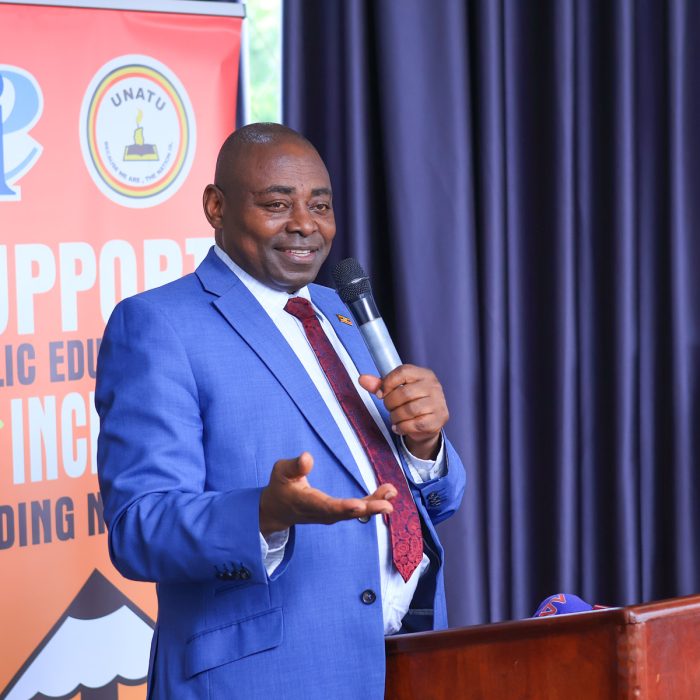
UNATU General Secretary Baguma Filbert Bates emphasised the wider contribution teachers make to children, communities and society.
The discussion challenged the tendency to measure a teacher’s contribution only by what happens during a lesson or by the examination results learners eventually achieve.
Teachers spend significant time with children. In addition to teaching, they influence behaviour, confidence, values and aspirations, while often being among the first adults outside the home to notice when a child is struggling.
The UCRNN Education Thematic Group’s World Teachers’ Day statement similarly notes that teachers are called upon to care for and nurture learners, use creative approaches to bring out their potential, observe and respond to their needs, and pay attention to their psychological and emotional wellbeing.
For the organisations gathered in Kampala, the connection was clear: standing with teachers also means standing with children.
Investing in the people shaping Uganda’s future
While teachers carry enormous responsibilities, participants argued that their ability to fulfil them is also influenced by the conditions under which they work.
The coalition called for greater attention to teacher motivation, welfare, remuneration, working conditions and professional development.
Its press statement cites the Ministry of Education and Sports’ Education Statistical Abstract 2025, which places Uganda’s national primary pupil-teacher ratio at 61:1, meaning that, on average, one teacher is responsible for about 61 learners.
Large classes can make it difficult for teachers to give individual learners the attention they need, particularly where a teacher is expected not only to deliver lessons but also to identify learning difficulties, manage behaviour and respond to learners’ social and emotional needs.
The coalition therefore called for fair and timely remuneration and better working conditions, noting that heavy workloads and financial pressures can affect teachers’ wellbeing and ultimately influence how they relate to and support learners.
The discussion made another point equally clear: improving teachers’ conditions must be accompanied by sustained investment in their professional growth.
A teacher should never stop learning
Continuous Professional Development (CPD) emerged as a major concern across the discussions, with speakers emphasising that teacher education should not end when an educator leaves college and enters the classroom.
It was noted that some teachers can complete their initial teacher training and spend much of their careers without undertaking meaningful professional development beyond what they received at college.
Yet the demands placed on teachers continue to change.
Teachers are expected not only to maintain strong subject knowledge and effective teaching methods, but also to respond to changing learner needs, manage increasingly complex classrooms, support children’s wellbeing and use approaches to discipline that protect the dignity and safety of learners.
The coalition therefore called for sustained investment in professional development throughout a teacher’s career.
Its World Teachers’ Day statement specifically calls on the Ministry of Education and Sports to invest in teacher development beyond subject knowledge and technical teaching skills. Teachers also need practical skills to build positive relationships with learners, guide behaviour and support learning without humiliation, fear or physical punishment.
The discussion reinforced the view that CPD should be understood as a continuing part of being a professional teacher, rather than an occasional intervention after initial teacher training.
That investment benefits more than the individual teacher. A teacher who continues learning is better positioned to improve classroom practice, respond to learners and adapt to the changing demands of the profession.
Moving beyond the cane
The press conference also confronted one of the longstanding challenges within education: how children are disciplined.
Tabitha Suubi of Raising Voices joined representatives of UNATU, UCRNN, High Sound for Children and education leadership in a panel discussion that explored positive discipline and the prevention of violence against children.
A key concern raised during the conversation was that continued dependence on the cane risks reproducing a cycle of violence from one generation to another.
When children repeatedly experience physical punishment as the primary way adults correct unacceptable behaviour, they may grow up understanding violence as the normal way authority is exercised and discipline enforced.
Those children become tomorrow’s parents, teachers, community leaders and other adults responsible for children. If they have learnt no alternative way of correcting behaviour, society risks reproducing the same practices from one generation to the next.
The coalition’s statement makes a similar argument. It says moving away from the stick is about more than changing how children are disciplined. It requires challenging a culture that normalises violence as a way of exercising power over those with less power, a culture that can extend beyond classrooms into homes and communities.
Schools therefore have an opportunity not only to protect children from violence today, but also to help shape how those children understand authority, discipline and conflict when they become adults.
Teachers need alternatives, not simply prohibitions
Participants also recognised a practical reality: asking teachers to abandon corporal punishment without equipping them with workable alternatives leaves an important gap in classroom management.
The conversation therefore emphasised positive discipline, rather than the absence of discipline.
Teachers still need to establish boundaries, maintain order, correct unacceptable behaviour and help learners understand the consequences of their actions.
The challenge is to equip them with approaches that achieve those objectives without humiliation, fear or physical violence.
The coalition called for professional development that helps teachers build positive relationships with learners and develop practical skills for guiding behaviour.
Breaking the cycle of violence, therefore, requires more than removing the cane.
It requires giving teachers better tools with which to replace it.
Raising a child is a shared responsibility
The conversation did not place responsibility for children entirely on teachers.
UCRNN Executive Director Damon Wamara, High Sound for Children Executive Director Hadijah Mwanje, Raising Voices’ Tabitha Suubi, UNATU General Secretary Baguma Filbert Bates, a representative of head teachers in Kampala Central and other representatives of organisations within the UCRNN Education Thematic Group contributed to the engagement.
Together, the different voices helped broaden the discussion beyond what teachers themselves should do differently to what government, parents, communities and civil society must also do to support them.
The coalition called for stronger collaboration between teachers, parents, schools and communities.
Parents and communities were urged to recognise their shared responsibility for nurturing children and to build constructive relationships with teachers and school leaders.
The World Teachers’ Day statement calls on parents to become actively involved in school life and work alongside teachers and school leaders in shaping the policies, values and standards that influence children’s development.
A teacher cannot replace a parent, just as a parent cannot perform the professional role of a teacher.
Better outcomes for children depend on both working together.
Celebrating teachers must be matched by action
As World Teachers’ Day approaches, the organisations said appreciation for teachers should extend beyond messages of celebration.
Standing with teachers means improving their welfare and working conditions.
It means ensuring fair and timely remuneration.
It means ensuring that meaningful Continuous Professional Development remains available throughout a teacher’s career, rather than ending with initial teacher training.
It means equipping teachers with practical alternatives to corporal punishment and supporting them to build classrooms in which discipline and respect can coexist without violence.
And it means recognising that teachers cannot carry the responsibility of shaping children alone.
Teachers, too, were challenged to continue developing professionally, build positive relationships with learners and recognise the influence they exercise over the children entrusted to them.
The coalition’s World Teachers’ Day statement pays tribute to teachers who, despite the challenges they face, continue to teach, guide, inspire and nurture learners.
Standing with teachers, shaping our future
The message emerging from the Kampala engagement was ultimately one of shared responsibility.
Government must invest in the profession. Teachers need opportunities to continue learning throughout their careers. Parents and communities need to work alongside schools. Civil society must continue advocating for environments in which both teachers and learners are supported.
And teachers themselves remain at the heart of that shared effort, carrying an extraordinary responsibility to teach, guide, protect and inspire the next generation.
World Teachers’ Day 2026 therefore presents an opportunity not only to celebrate teachers, but also to rethink what society asks of them and what it provides them in return.
Because investing in a teacher does not end with the teacher. It reaches every learner they teach, every family those learners belong to and, ultimately, the society those children will inherit.

Other posts