Western Region, Uganda | 29–30 October 2026
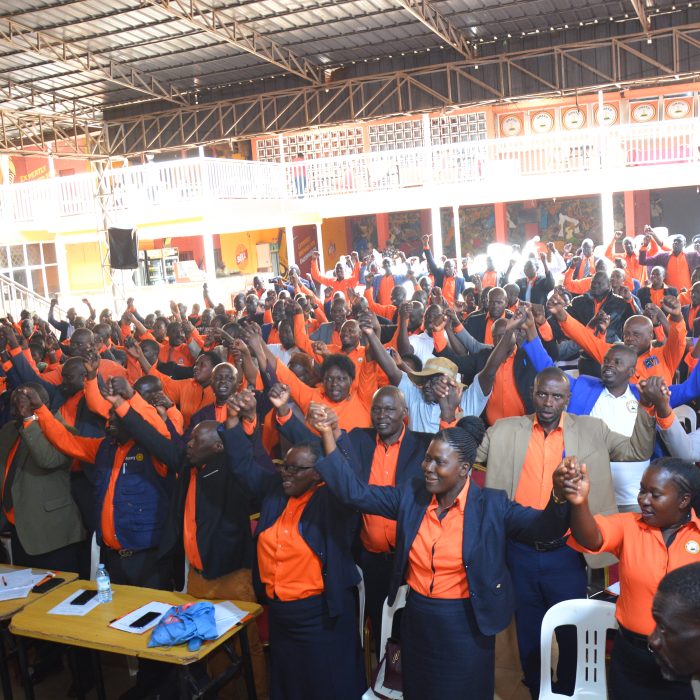
The Uganda National Teachers’ Union (UNATU) has strengthened its engagement with regional stakeholders across Western Uganda, focusing on teacher welfare, membership recruitment, payroll administration and improved coordination in addressing challenges affecting the teaching profession.
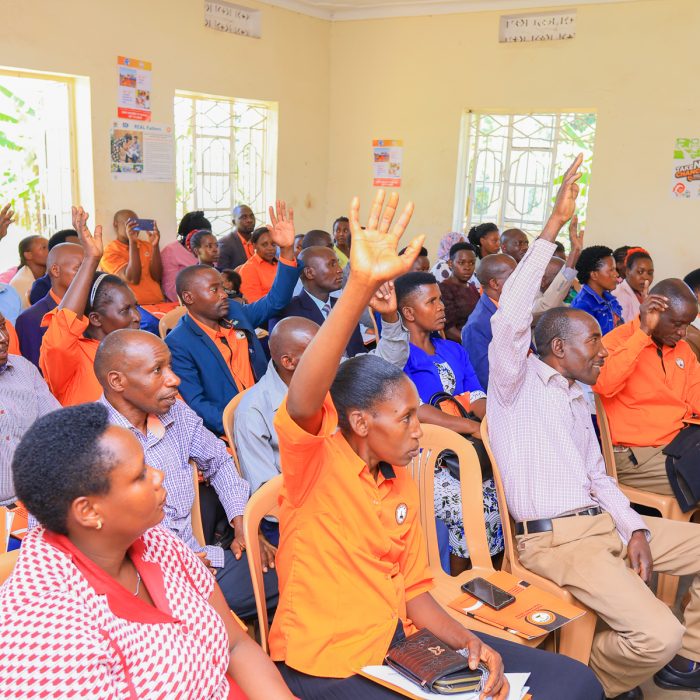
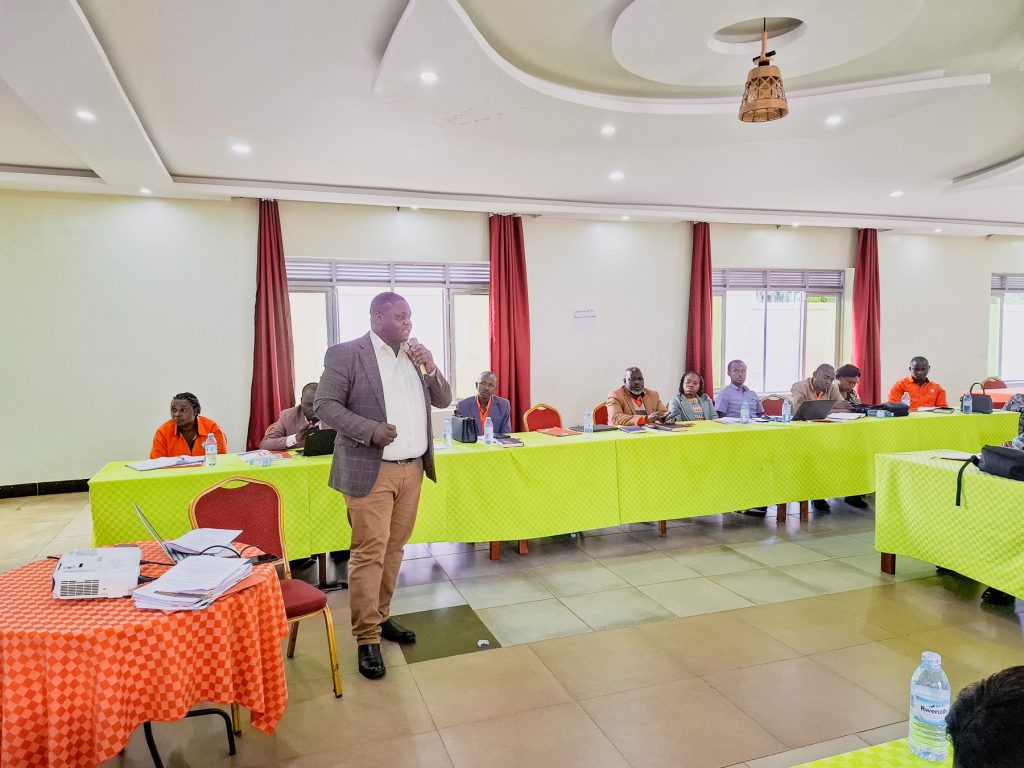
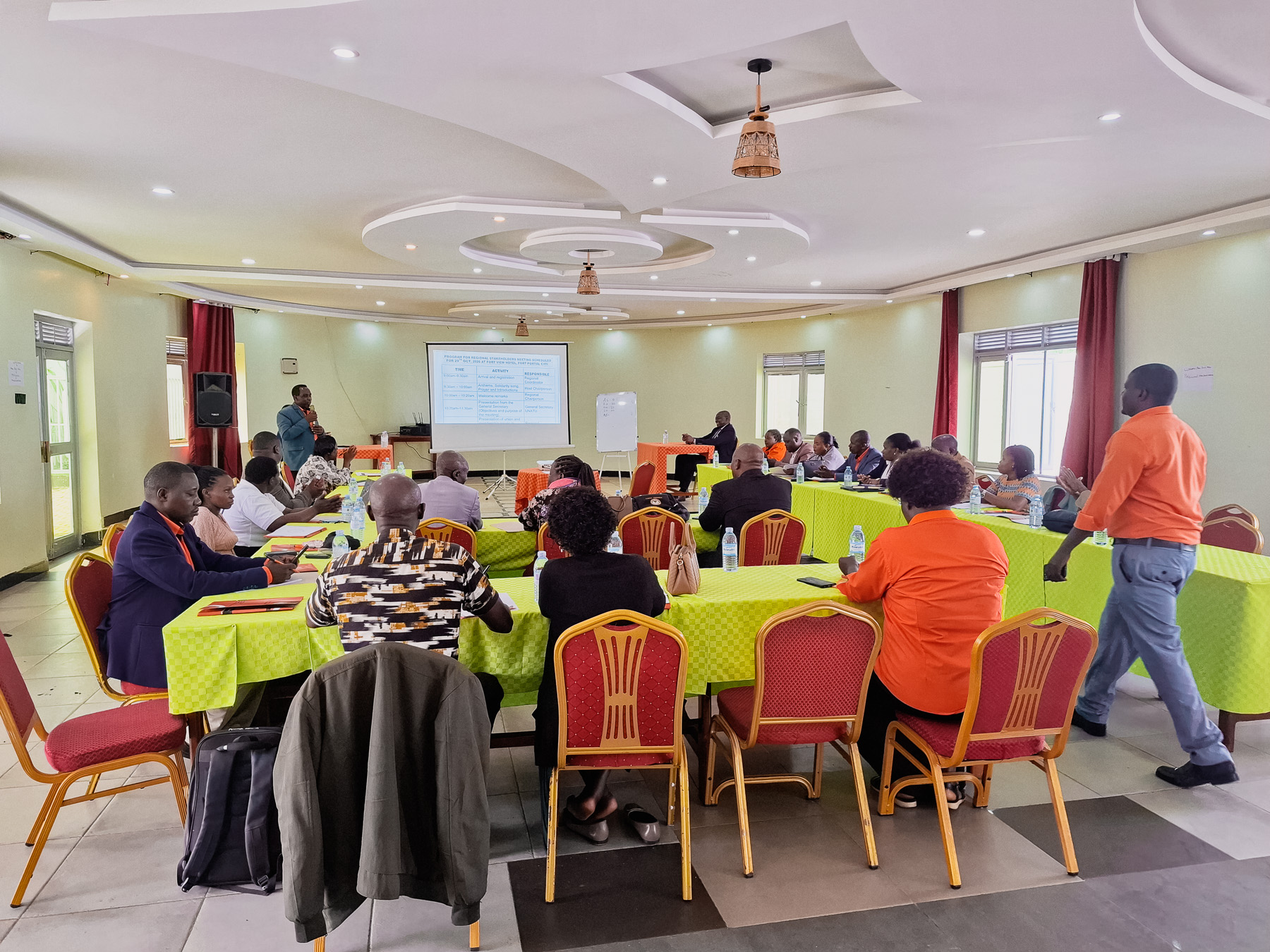
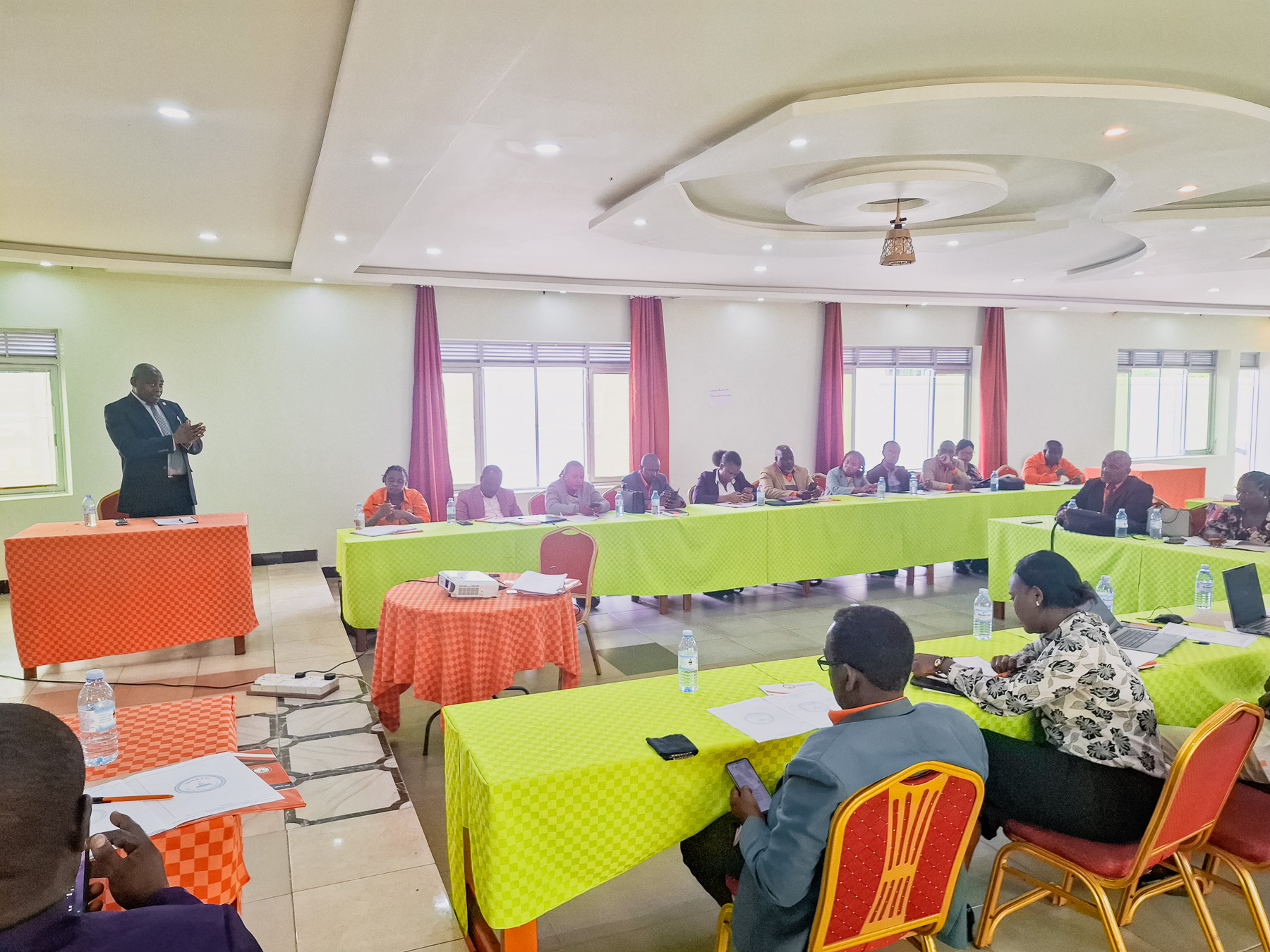
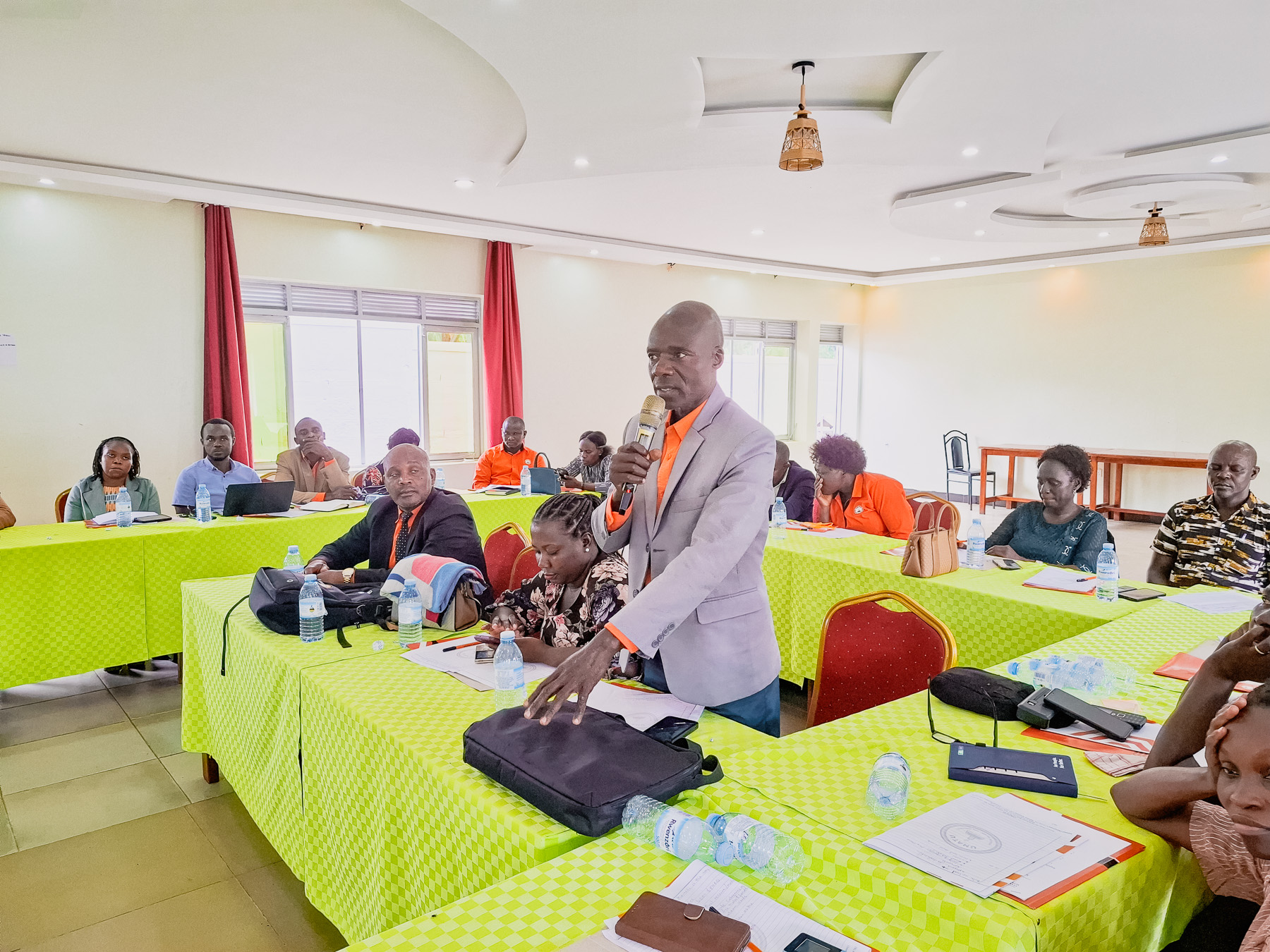
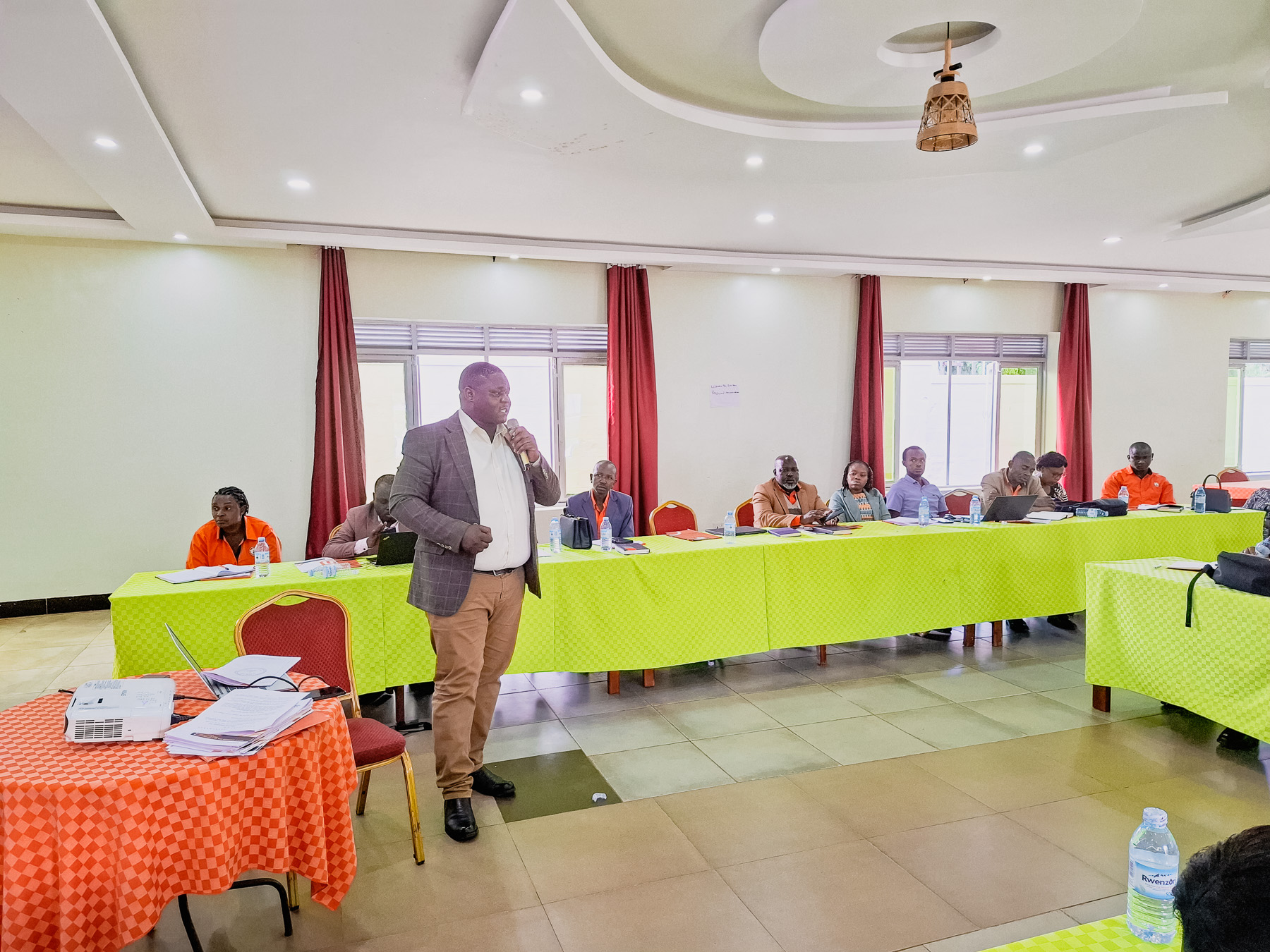
The engagements were held on 29 October 2026 at Fort View Resort in Fort Portal City, Rwenzori Sub-region, and 30 October 2026 at Kolping Hotel in Hoima, Bunyoro Sub-region.
The two meetings brought together UNATU General Secretary Baguma Filbert Bates, Western Regional leadership, branch chairpersons and key education stakeholders representing branches across the region.
The discussions provided an opportunity to review membership recruitment, address challenges associated with the Human Capital Management (HCM) system, strengthen subscription remittances and improve communication between Union structures and stakeholders.
Strengthening partnerships for better education service delivery
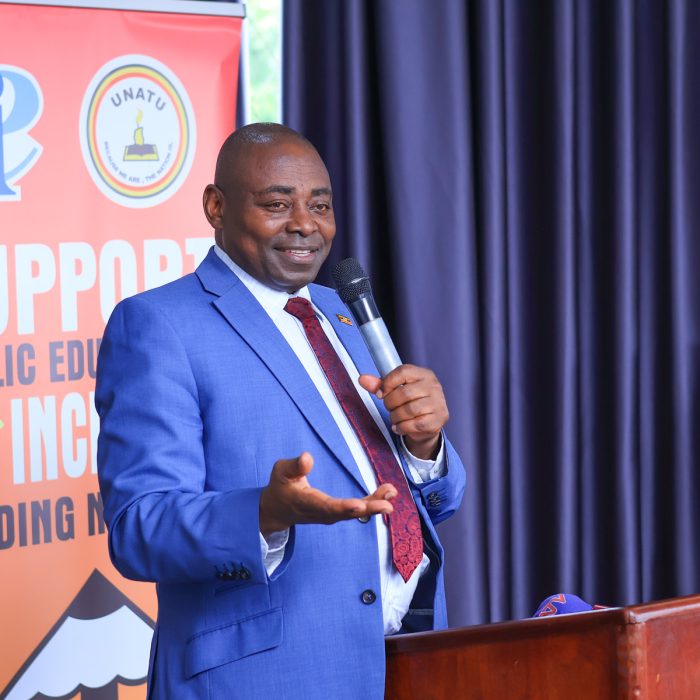
Welcoming participants, the UNATU Western Regional Chairperson emphasised the importance of collaboration between the Union and stakeholders responsible for supporting education service delivery.
He noted that effective administration requires more than technical processes. It also depends on constructive working relationships, open dialogue and a shared commitment to resolving challenges affecting teachers.
The Chairperson appreciated the continued cooperation of stakeholders, particularly their support in ensuring that eligible teachers are correctly captured and coded under the HCM system.
He also highlighted the need to strengthen support for teachers approaching retirement and those who have already left active service.
The discussions included a proposal to develop updated schedules of pensioners to help the Union maintain contact with retired members and explore ways of supporting them within its structures.
Addressing membership recruitment, coding and subscription challenges
Membership administration featured prominently in both engagements.
During the Rwenzori meeting, UNATU Western Regional Coordinator Nuwagaba Silver presented an overview of membership across the sub-region’s 14 branches, comparing current membership with the potential number of eligible members.
Stakeholders contributed to updating membership information and identifying areas requiring further attention.
In Bunyoro, the programme included reports from branches on membership recruitment and coding schedules, followed by a presentation on bulk membership coding.
The discussions highlighted the importance of ensuring that teachers are correctly captured under HCM and that subscription deductions reflect their current salaries.
Participants also emphasised the need for reliable membership information to support recruitment, retention and effective Union representation.
In Rwenzori, stakeholders agreed on the importance of maintaining membership data disaggregated by sex, education sector and position.
The six branches requiring further attention were encouraged to work closely with the Regional Coordinator to ensure that the one per cent Union subscription deductions correspond with teachers’ updated salaries.
Across the two sub-regions, the engagements reinforced the importance of accurate records, timely follow-up and collaboration in addressing membership administration challenges.
Protecting Union membership and strengthening representation
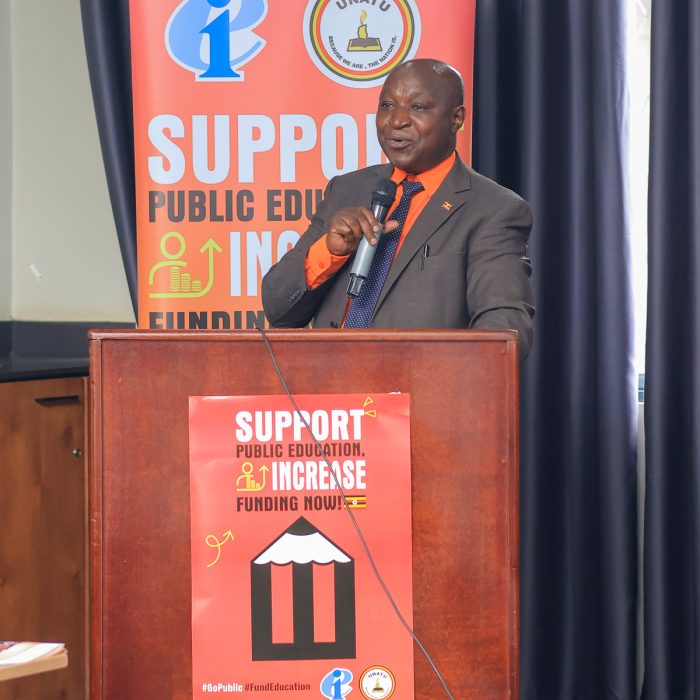
Addressing stakeholders, UNATU General Secretary Baguma Filbert Bates underscored the importance of accurate membership records and continued cooperation in protecting teachers’ representation.
He raised concerns about competing claims over the membership coding of teachers by other organisations.
Referring to salary improvements associated with the 2018 Collective Bargaining Agreement (CBA), the General Secretary emphasised UNATU’s role in collective bargaining and urged stakeholders to support accurate membership administration.
The discussion reinforced the need for teachers to understand the importance of Union membership and for administrative processes to reflect verified membership information.
The General Secretary also informed stakeholders that UNATU was exploring a mechanism through which those who support membership recruitment beyond 90 per cent of their respective potential membership could be recognised through participation in the Union’s Annual Delegates Conference (ADC).
Regional leadership was encouraged to monitor recruitment performance and provide the necessary information to support consideration of the proposal.
Teacher welfare, professional support and retirement
Beyond membership administration, the engagements addressed wider concerns affecting teachers’ professional and personal wellbeing.
The General Secretary encouraged teachers to embrace developments in information technology and remain responsive to changes affecting the profession.
He also provided an update on a proposed laptop scheme, indicating that, subject to the necessary arrangements being finalised, a new phase could be launched in December, with stakeholders among the intended beneficiaries.
Retirement planning and pension administration also featured in the discussions.
Participants recognised the importance of accurate records and continued engagement with retired teachers, particularly in ensuring that members do not lose contact with the Union after completing their active service.
The engagements further highlighted the importance of addressing teacher welfare concerns, including mental health and the pressures teachers face in their professional and personal lives.
Timely reporting and accurate records are essential
The General Secretary also raised concerns about incidents affecting the safety and wellbeing of school leaders.
Referring to a reported incident in Kitagwenda involving an attack on a head teacher by students, he called for clear and timely information to be formally communicated to Union leadership.
He stressed that matters affecting the safety, dignity and professional welfare of teachers should be reported promptly through established channels so that appropriate follow-up can be undertaken.
The discussion also touched on uncertainties surrounding the matter referred to as the Balam issue, reinforcing the importance of accurate institutional records and responsible communication when sensitive matters arise.
Participants were reminded that proper documentation is essential in establishing facts, protecting those affected and supporting informed intervention.
Building stronger coordination across Western Region
The engagements concluded with a shared commitment to sustain cooperation between UNATU and regional stakeholders in addressing matters affecting teachers.
Participants emphasised the need to improve membership data, strengthen follow-up on subscription deductions and maintain regular communication with Union leadership.
The Bunyoro meeting also provided an opportunity for branches to present recruitment and coding reports, discuss the General Secretary’s communication and identify the way forward through a plenary session.
Stakeholders committed to continuing their cooperation with UNATU, while the Union emphasised the importance of reporting emerging concerns promptly through branch and regional structures.
By holding engagements in both Rwenzori and Bunyoro, UNATU sought to strengthen coordination across the geographically extensive Western Region and ensure that stakeholders in both sub-regions participate in addressing challenges affecting teachers.
The meetings reinforced the importance of accurate membership records, effective payroll administration, retirement-related documentation and timely intervention in welfare matters.
For UNATU, stronger stakeholder collaboration is ultimately about ensuring that teachers receive the representation, professional support and attention they deserve. The responsibility now rests with regional stakeholders, branch leaders and Union structures to translate the discussions into practical action, ensuring that challenges affecting teachers are identified early, communicated accurately and addressed through sustained cooperation.
Other posts