Mbarara City | 27 August 2026
The Uganda National Teachers’ Union (UNATU) has strengthened its grassroots response to teacher wellbeing by training 125 branch and sub-branch leaders from across South Western Region to recognise mental health challenges, respond to early warning signs and support teachers who may be struggling.
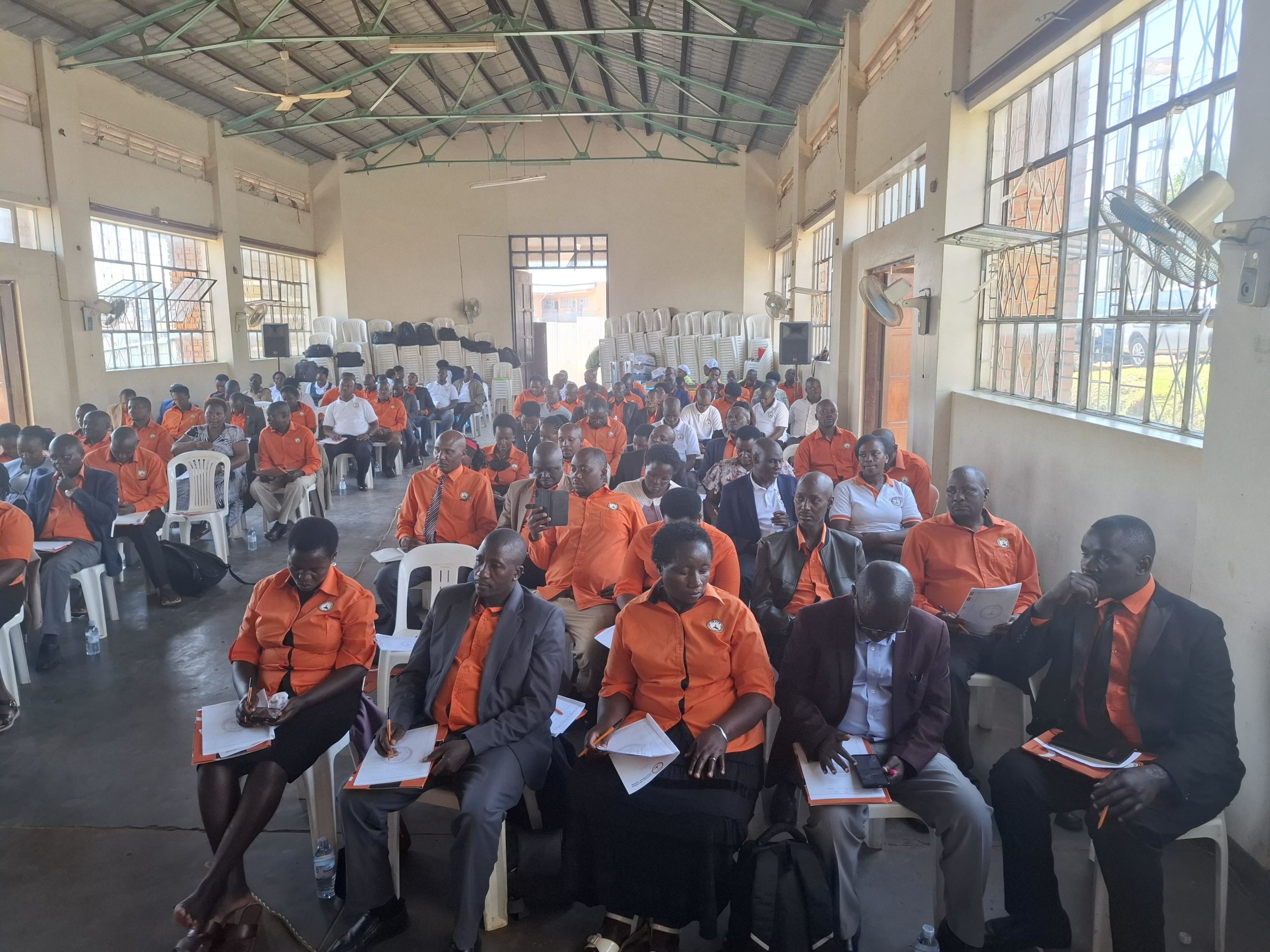
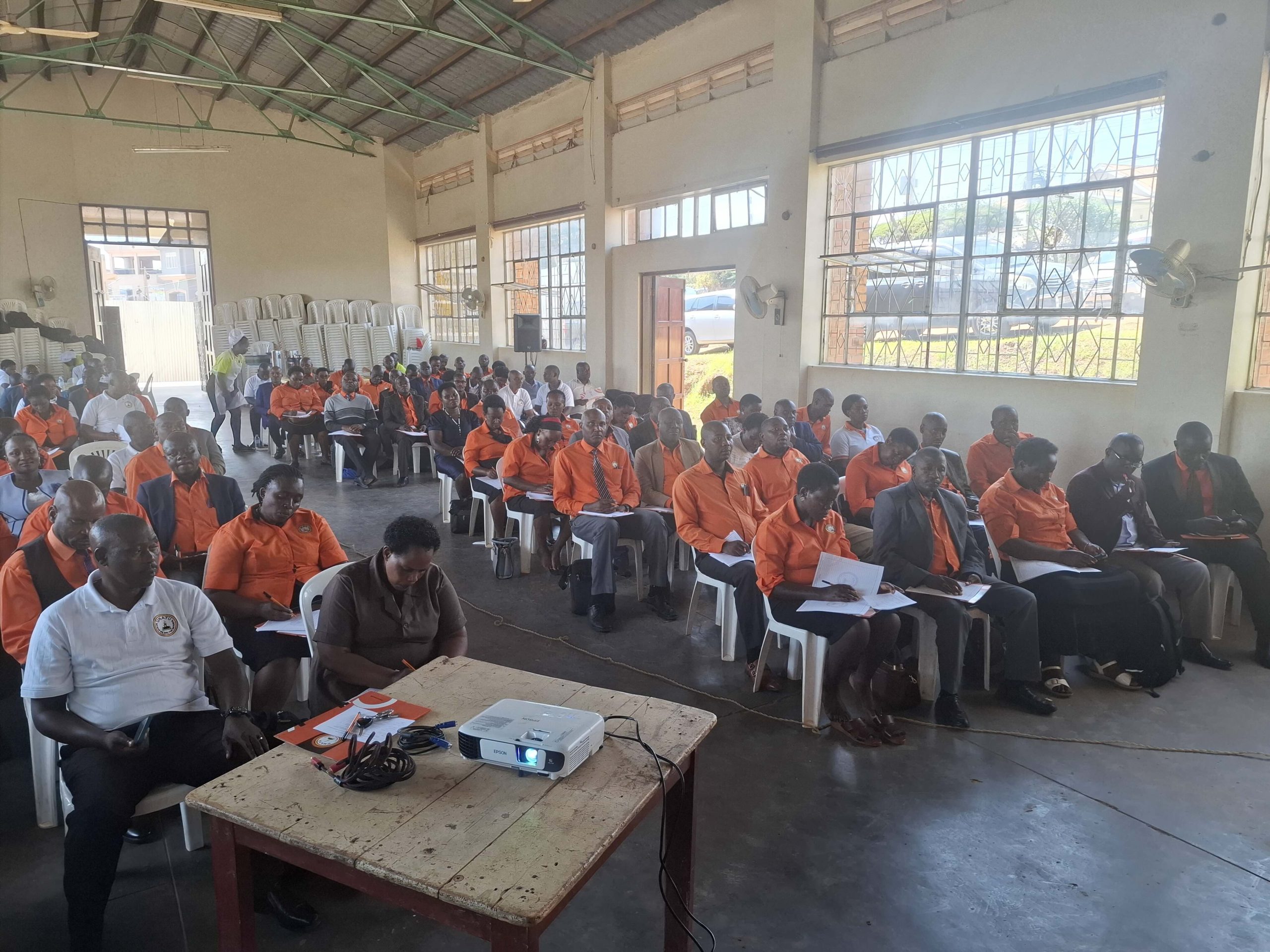
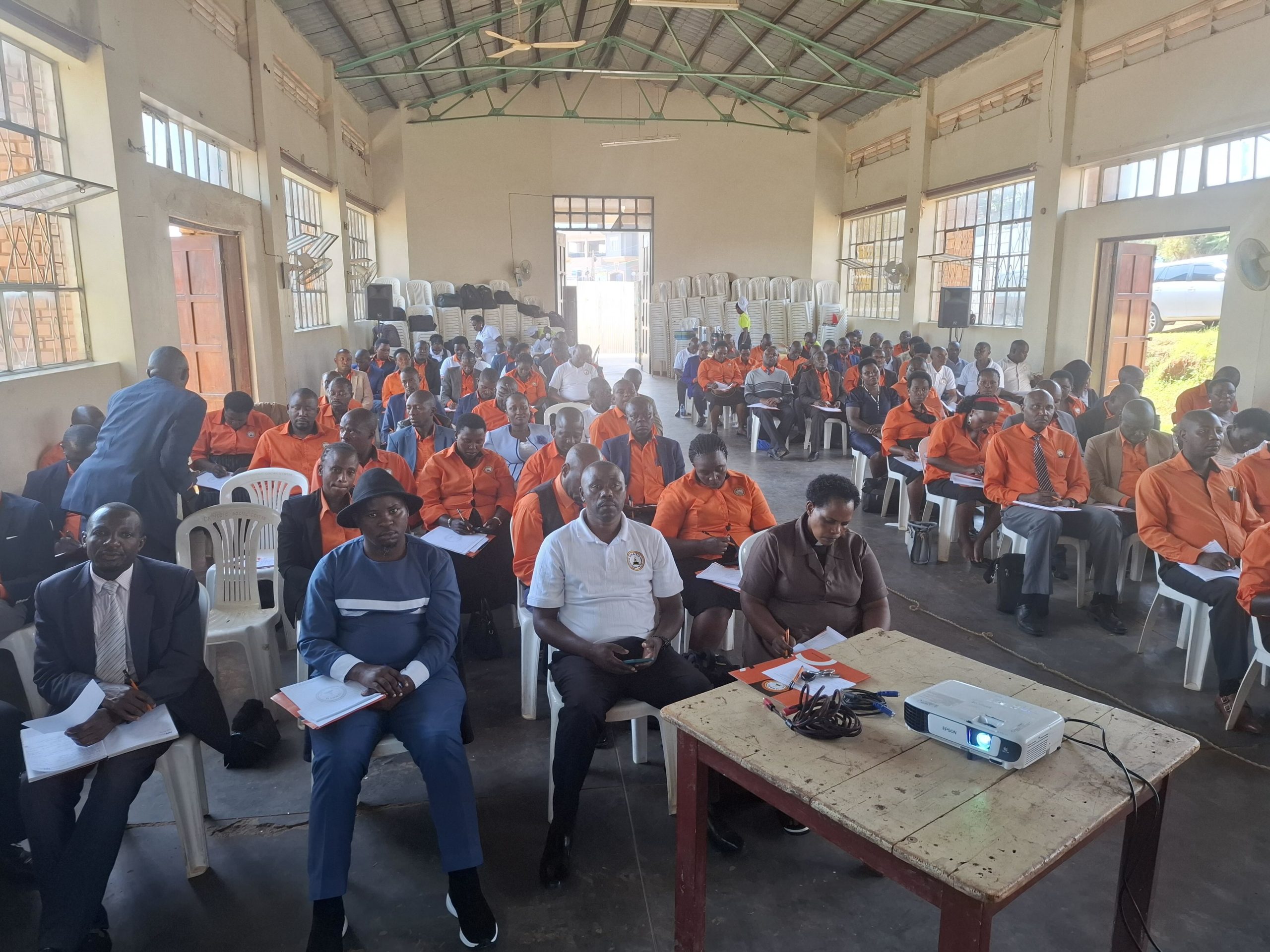
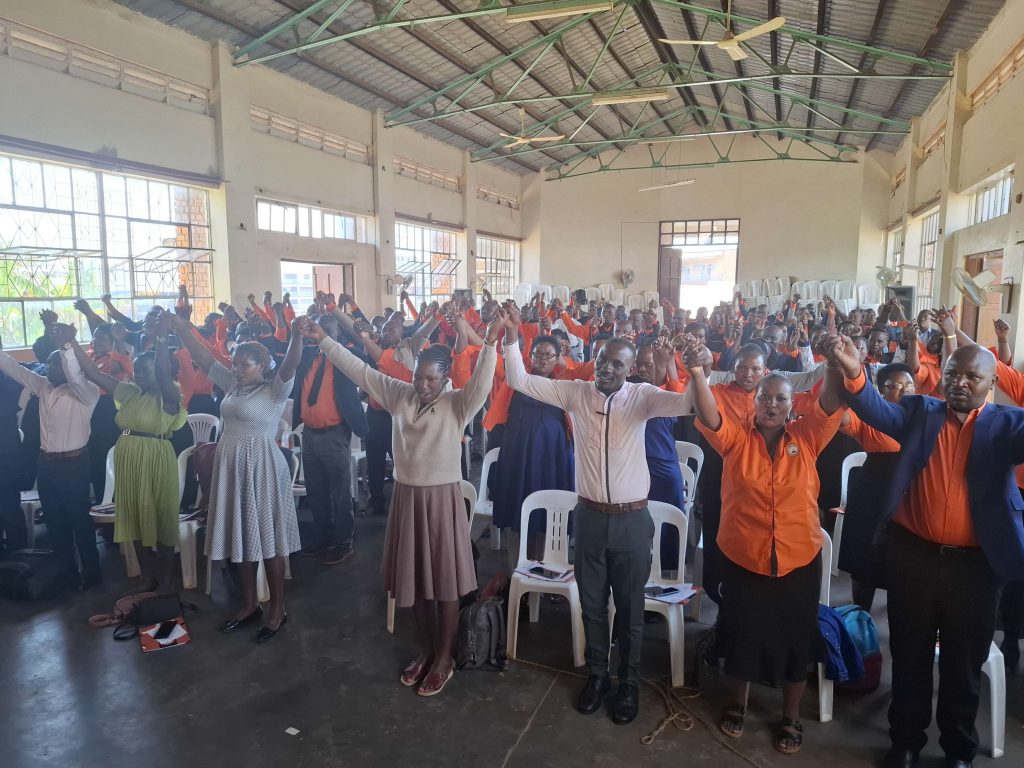
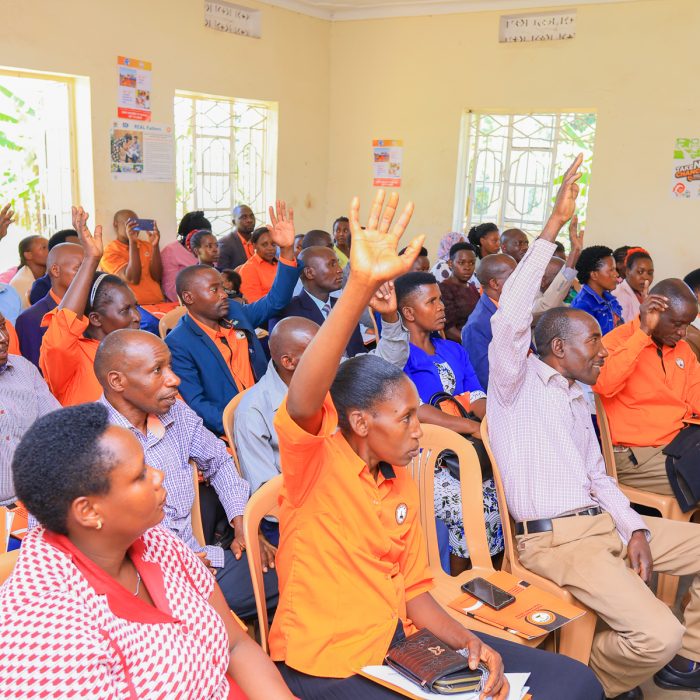
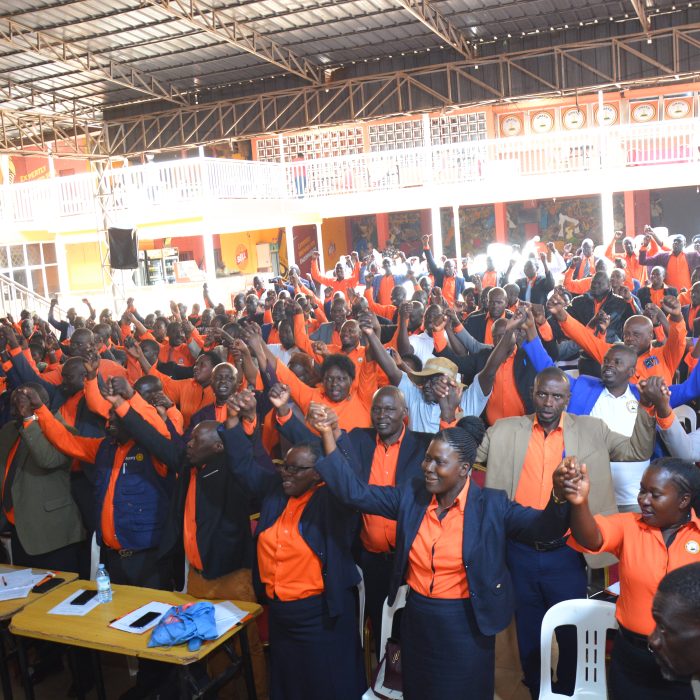
Held at Catholic Social Centre in Mbarara City, the Mental Health and Psychosocial Support (MHPSS) training brought together selected Union leaders drawn from 26 UNATU branches, taking the conversation on mental health closer to teachers in schools and communities.
The engagement marked the first time selected sub-branch chairpersons in the region had been brought together for this kind of training, with participants expected to carry the knowledge and practical approaches back to the teachers they represent.
At the heart of the engagement was a growing concern: teachers carry enormous professional, financial, family and social responsibilities, yet their own mental wellbeing can easily be overlooked.
‘A supported teacher can better support learners’
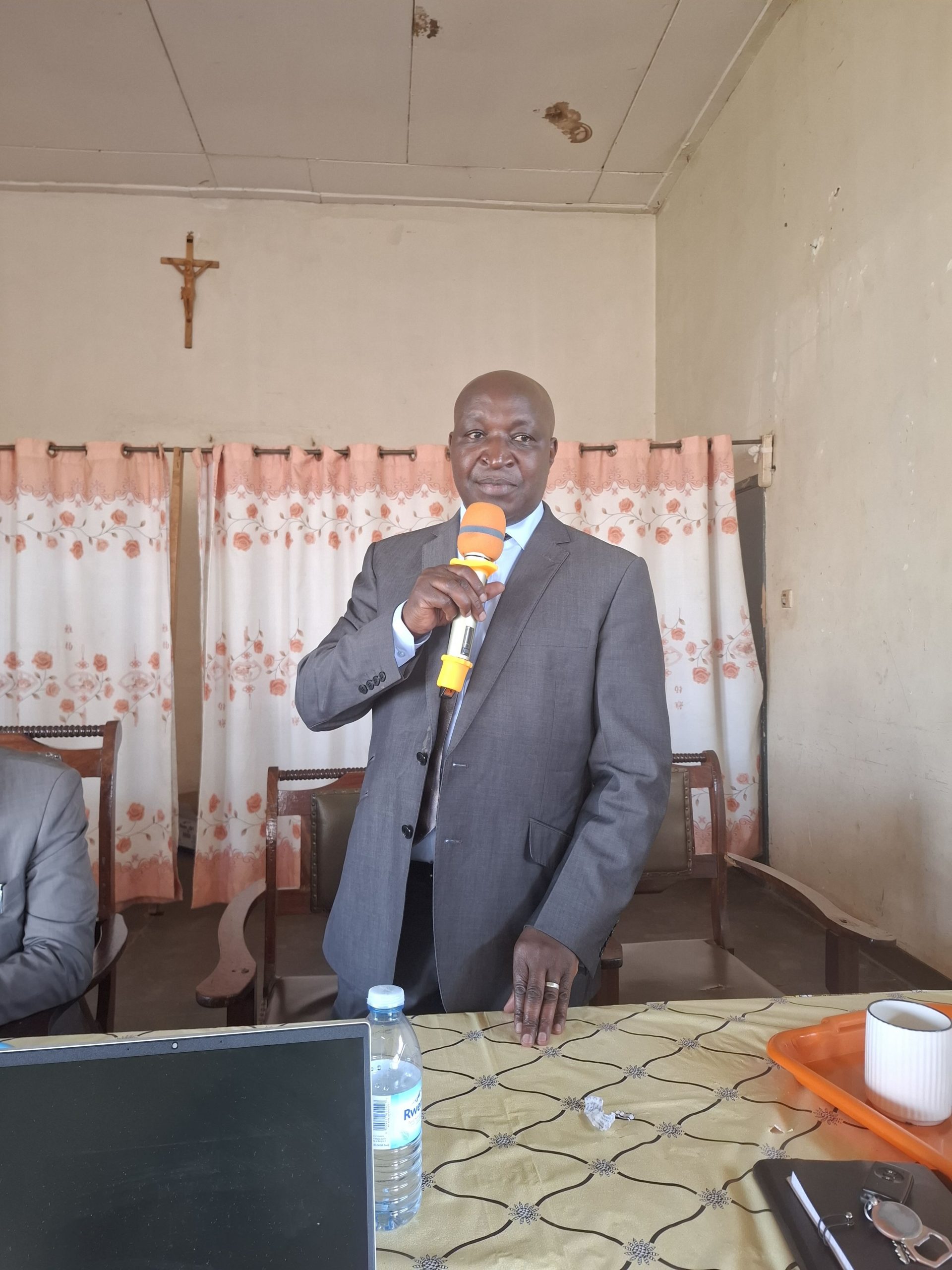
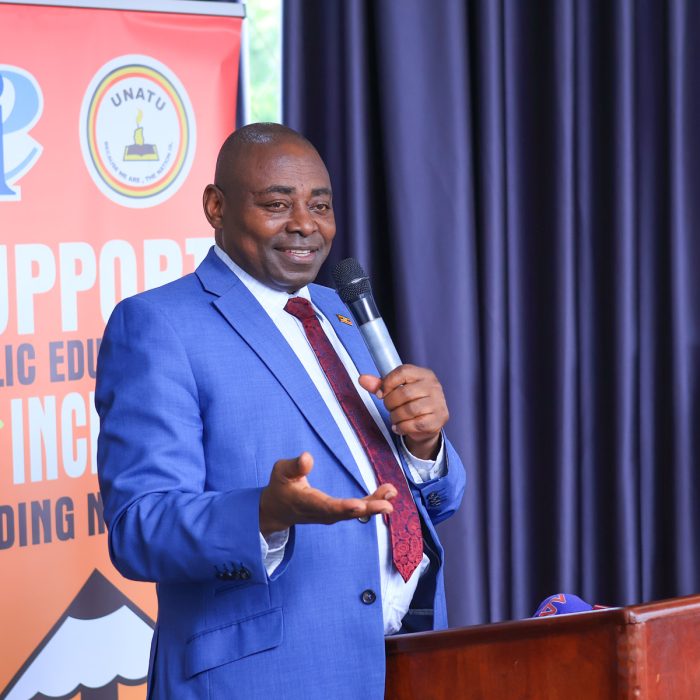
Officially opening the training, the UNATU National Chairperson reminded participants that teachers are not immune to the pressures affecting the wider society.
Family difficulties, financial strain, violence, illness and workplace pressures can all affect a teacher’s ability to function effectively.
“A supported teacher can better support learners.”
The National Chairperson encouraged participants to help create environments where teachers can speak about the difficulties they are experiencing without fear of judgement.
He also challenged the Union leaders not to allow the knowledge gained during the training to remain with the 125 participants, but to take it back to their schools, sub-branches and branches.
Recognising when a colleague is struggling
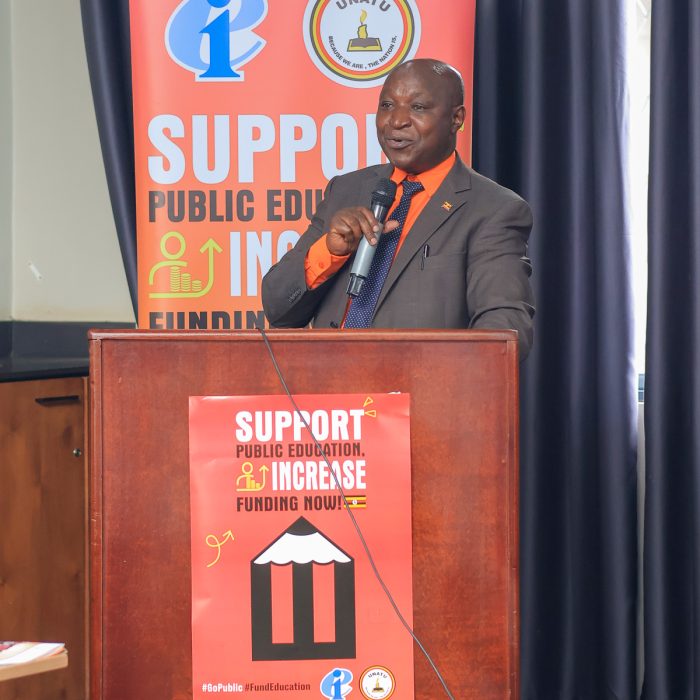
UNATU General Secretary Baguma Filbert Bates took participants through Mental Health and Psychosocial Support, including how to recognise changes that may indicate that a teacher is struggling.
He described mental health as a state of mind in which a person is able to thrive and guided participants through the mental health continuum.
The discussion explored signs including persistent anxiety, depression, fatigue, irritability, difficulty concentrating and significant changes in appetite and behaviour.
Participants were encouraged to pay attention when a colleague’s normal behaviour begins to change rather than waiting until the situation becomes severe.
The General Secretary also highlighted some of the pressures that can contribute to declining mental wellbeing, including domestic violence, chronic illness, financial difficulties and multiple loans.
Creating a culture of support
The training encouraged participants to think beyond identifying mental health challenges to what teachers and Union leaders can practically do about them.
Maintaining supportive relationships, creating time for rest and personal interests, exercising, avoiding harmful substance use and seeking assistance from trusted people were among the approaches discussed.
Where necessary, teachers were encouraged to seek professional counselling and appropriate support from health facilities.
The session also addressed anxiety, depression and alcohol and substance misuse.
Rather than allowing colleagues to suffer in isolation, participants were encouraged to build a culture where checking on one another and seeking help are normal parts of professional and Union life.
Taking the conversation closer to teachers
The involvement of sub-branch leaders was particularly important because they operate close to teachers at school and community level.
This places them in a position to notice when colleagues are struggling, encourage conversations and help members find appropriate support.
The UNATU South Western Regional Chairperson urged participants to take what they had learnt beyond the training room and share it with teachers in their respective areas.
The training attracted 125 participants against a target of 130, demonstrating strong participation from across the region.
For UNATU, however, the value of the engagement will ultimately be measured by how far that knowledge travels after the participants return to their respective branches.
Teacher wellbeing goes beyond mental health
The engagement also connected mental wellbeing to the wider professional and economic environment in which teachers work.
The General Secretary briefed participants on developments affecting the teaching profession, including three frameworks under the National Teacher Policy: Continuous Professional Development, Social Dialogue and Teacher Incentives.
Participants were also taken through developments concerning the National Teachers’ Council and the Public Service Pension Act.
The discussions were intended to help grassroots Union leaders better understand changes affecting teachers and communicate accurate information to members.
The wider message was that teacher wellbeing cannot be separated from professional security, working conditions, financial pressures and access to reliable information.
From 125 leaders to teachers across the region
The Mbarara engagement forms part of UNATU’s wider effort to place teacher wellbeing alongside professional rights, welfare, working conditions and representation.
By taking MHPSS training to branch and sub-branch leadership, the Union is building a network of grassroots leaders who can recognise distress earlier, encourage supportive conversations and guide members towards appropriate help.
But that responsibility cannot rest with Union leaders alone.
Every teacher can play a role by checking on a colleague, listening without judgement, recognising sudden changes in behaviour and encouraging someone who is struggling to seek support.
For the 125 leaders who attended the Mbarara training, the responsibility now extends beyond what they learnt in the room. It is to carry that knowledge back to the teachers they represent and help create workplaces where wellbeing is taken seriously.
UNATU is taking teacher mental health support closer to the grassroots. The mantle now rests with every Union leader and every teacher to help build a profession where no colleague has to struggle in silence.