Nyakitunda Sub County | 15th August 2026
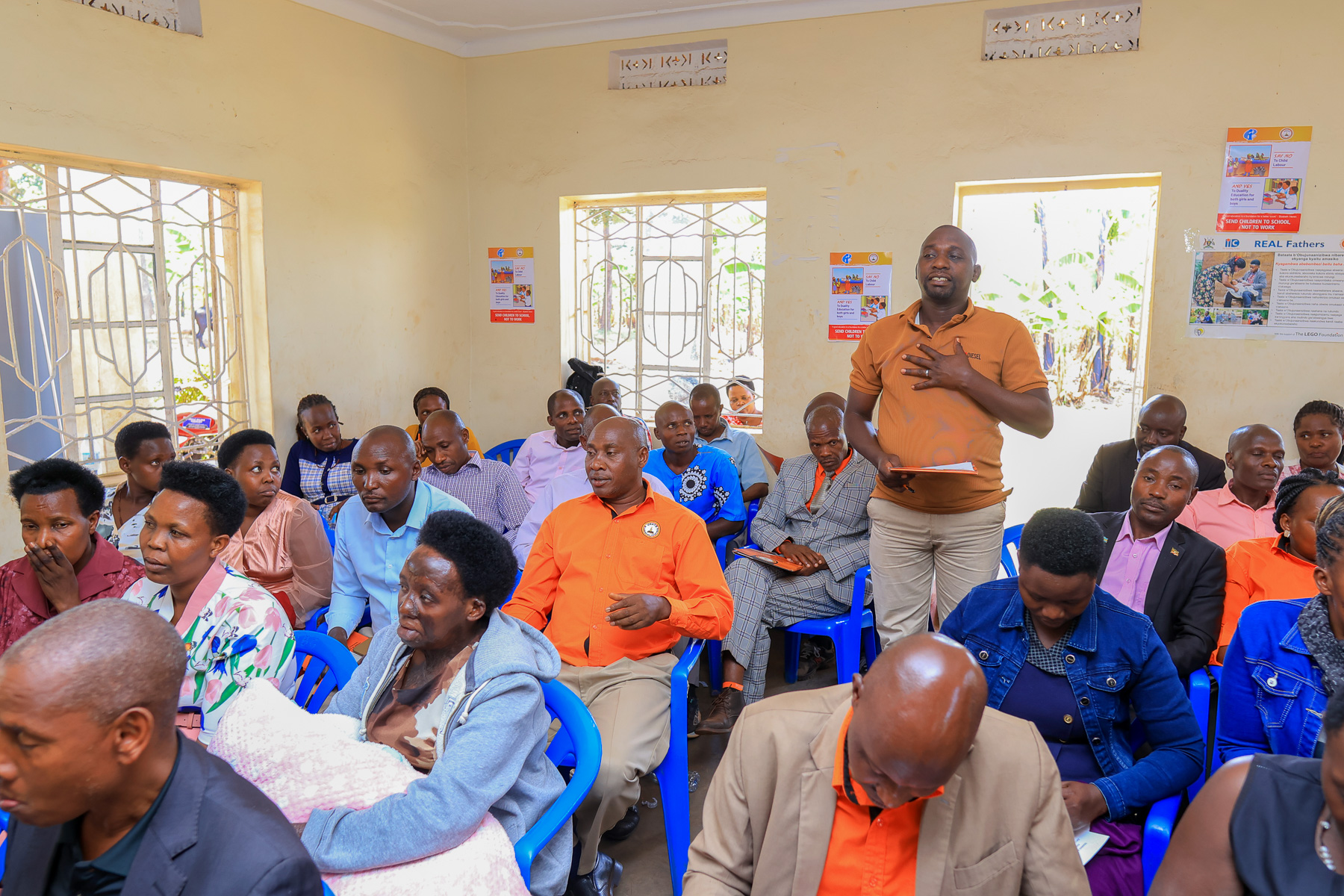
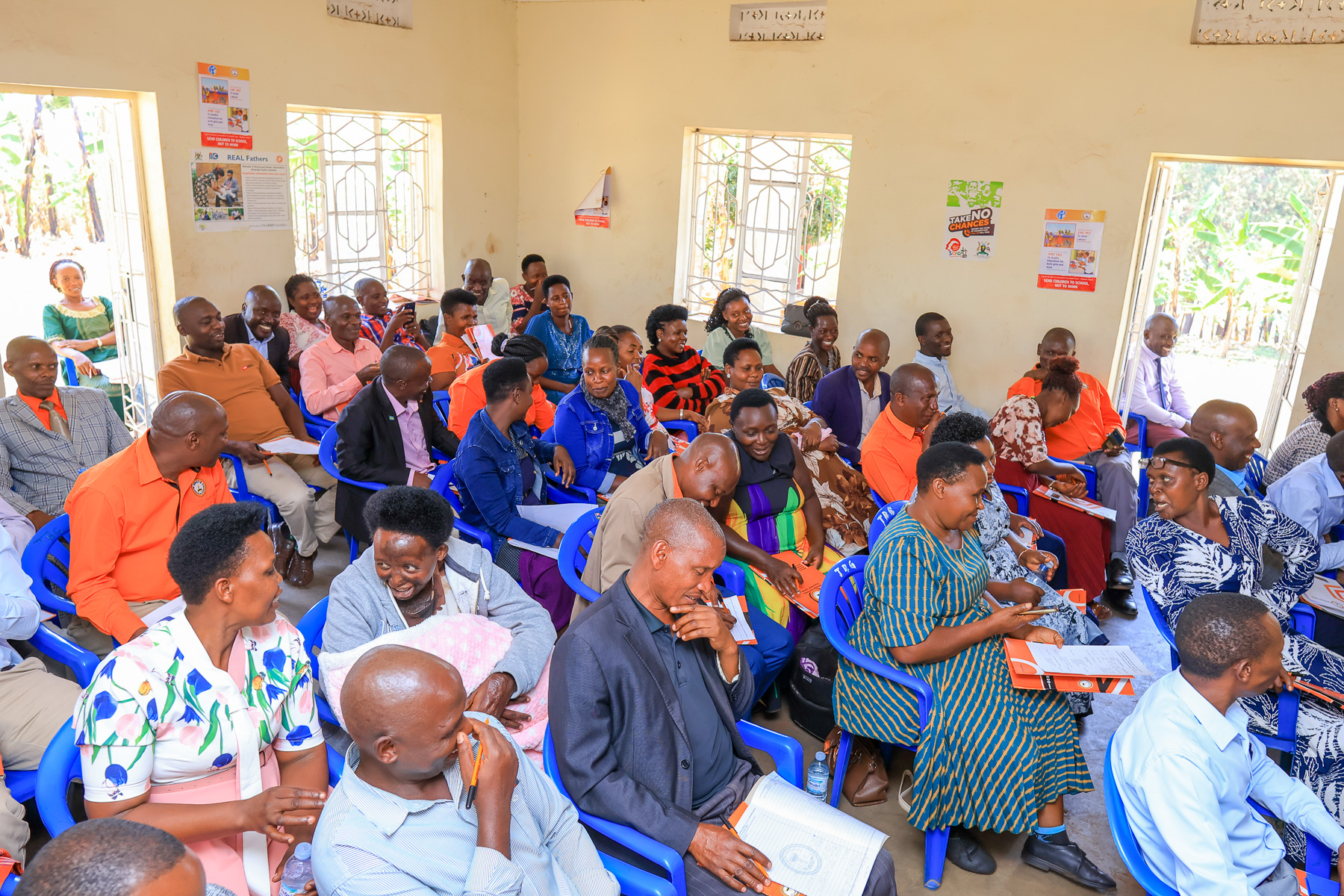
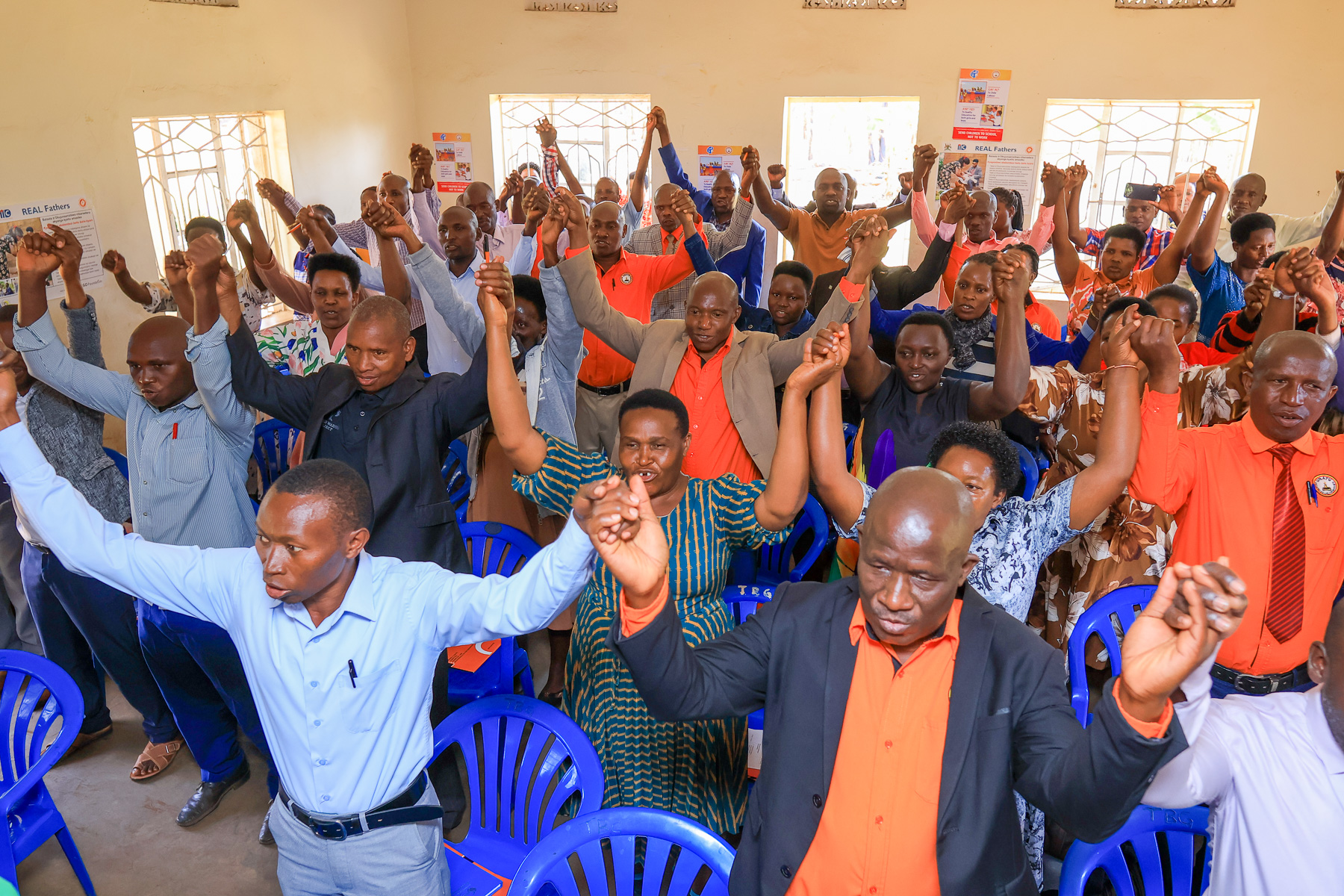
A total of 72 teachers and school leaders in Nyakitunda Sub County have been urged to strengthen learner documentation, attendance tracking and counselling as part of a wider effort to keep children in school and protect them from child labour.
The participants comprised head teachers, Directors of Studies, Senior Men, Senior Women and two other active teachers from each participating school, including both male and female teachers.
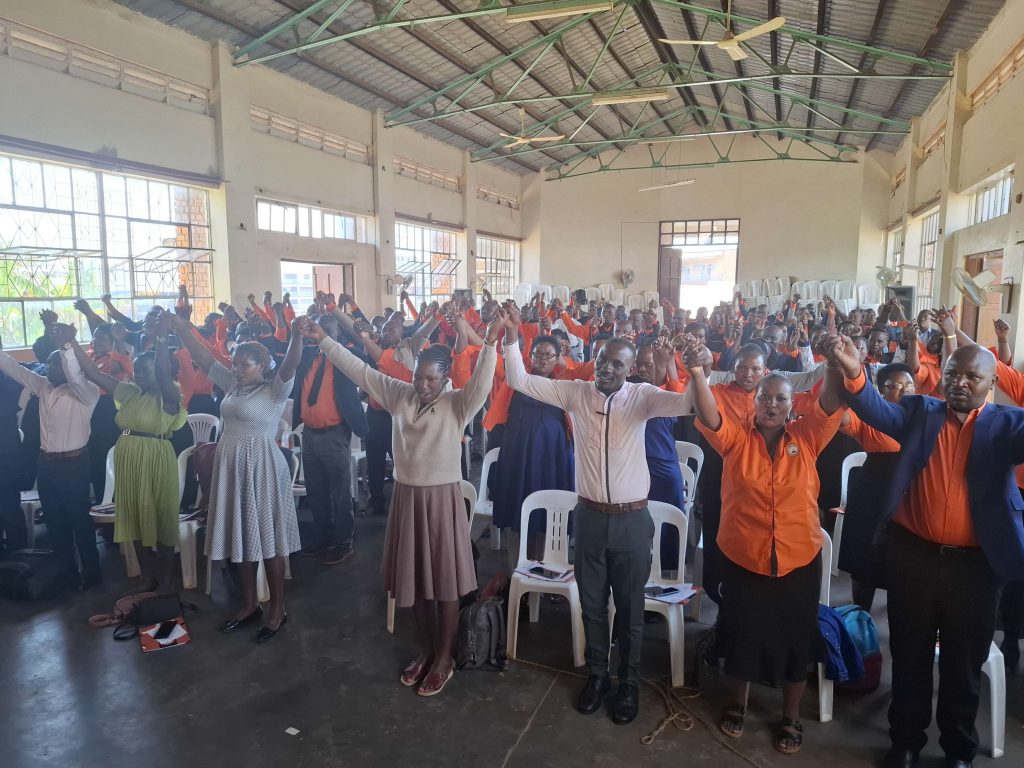
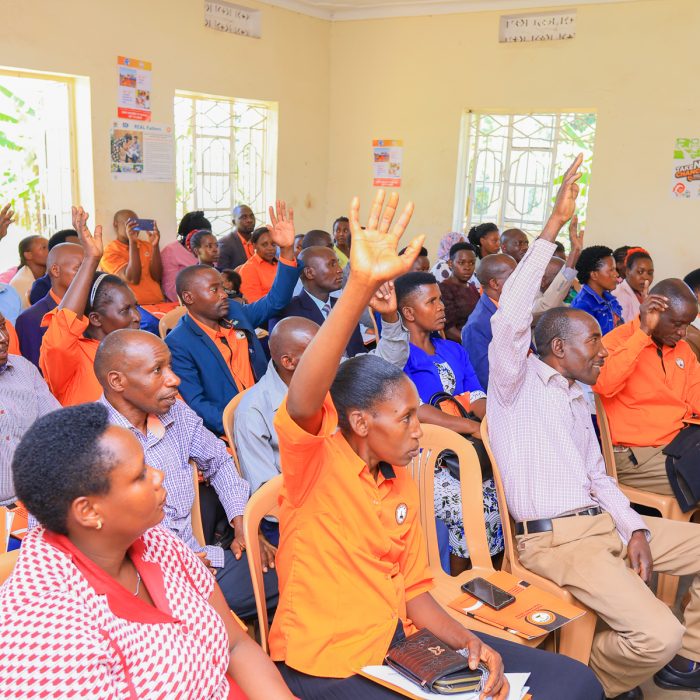
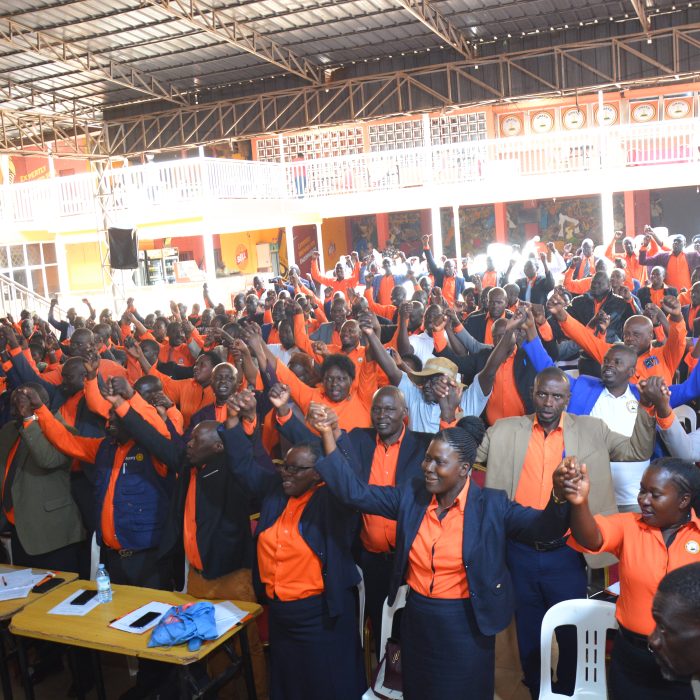
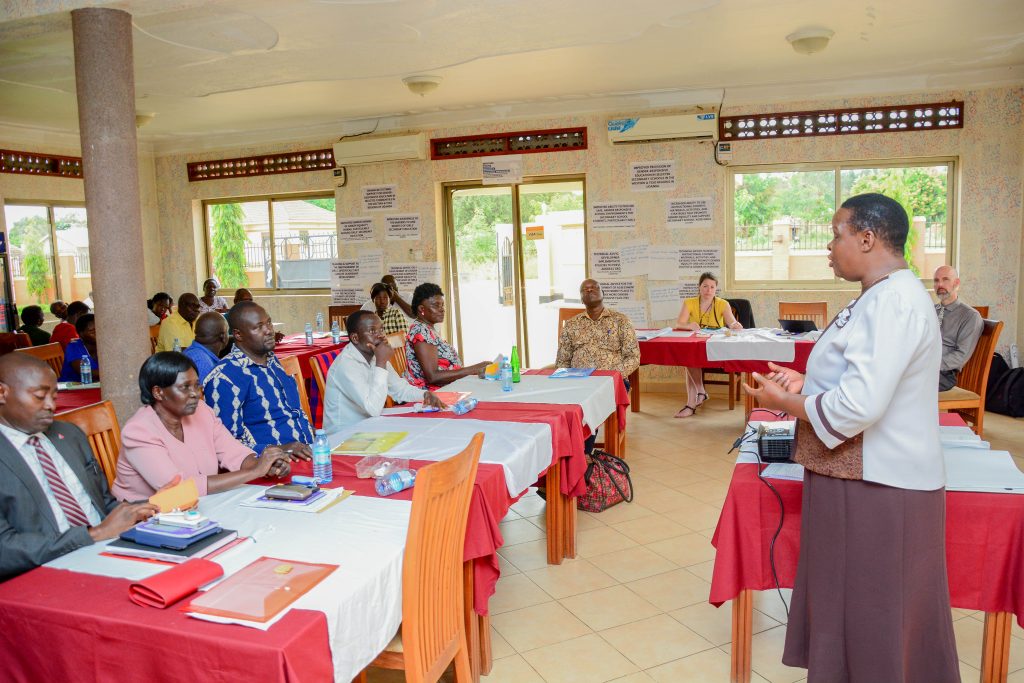
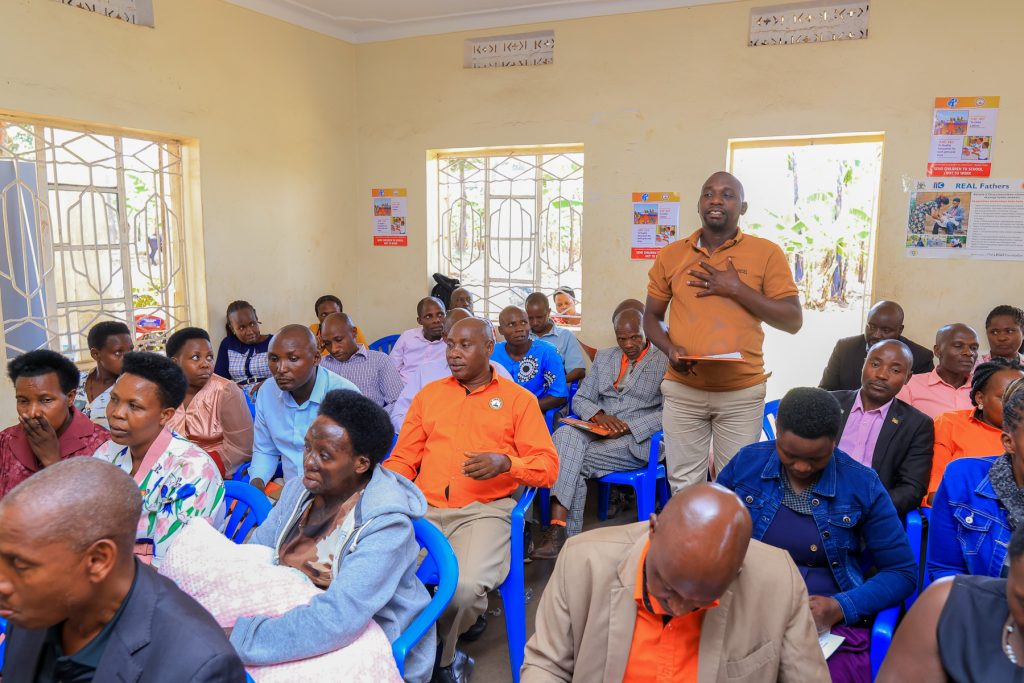
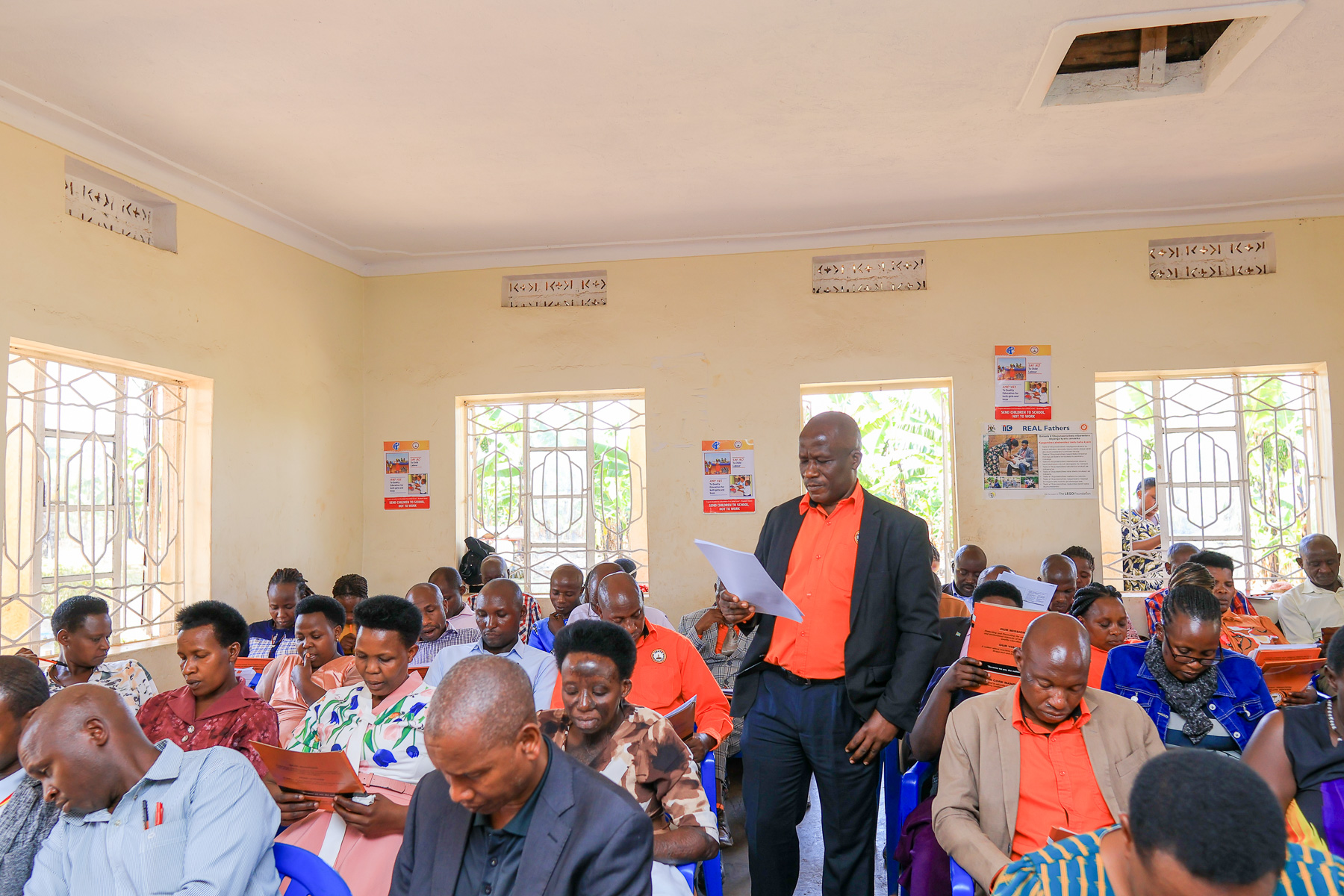
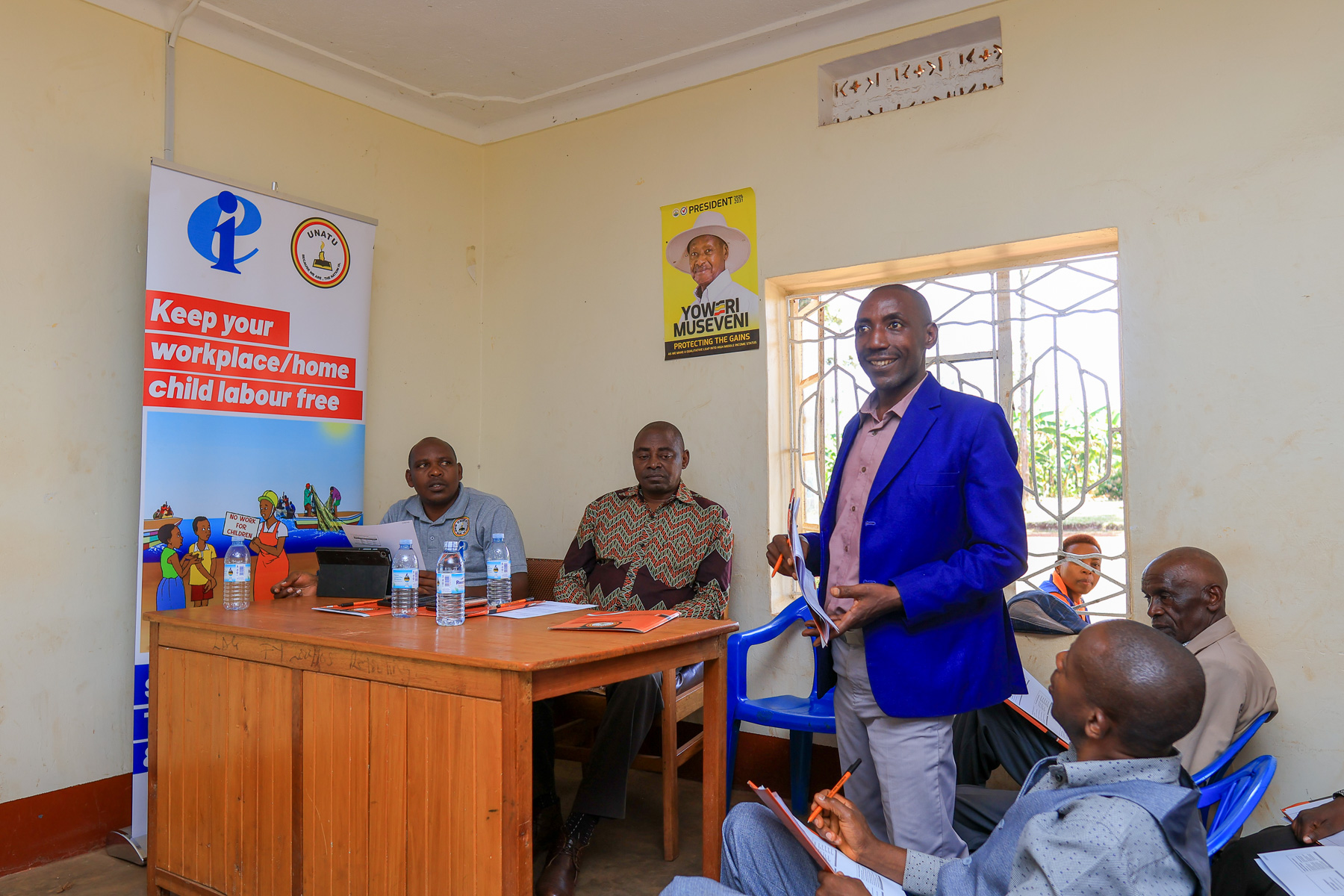
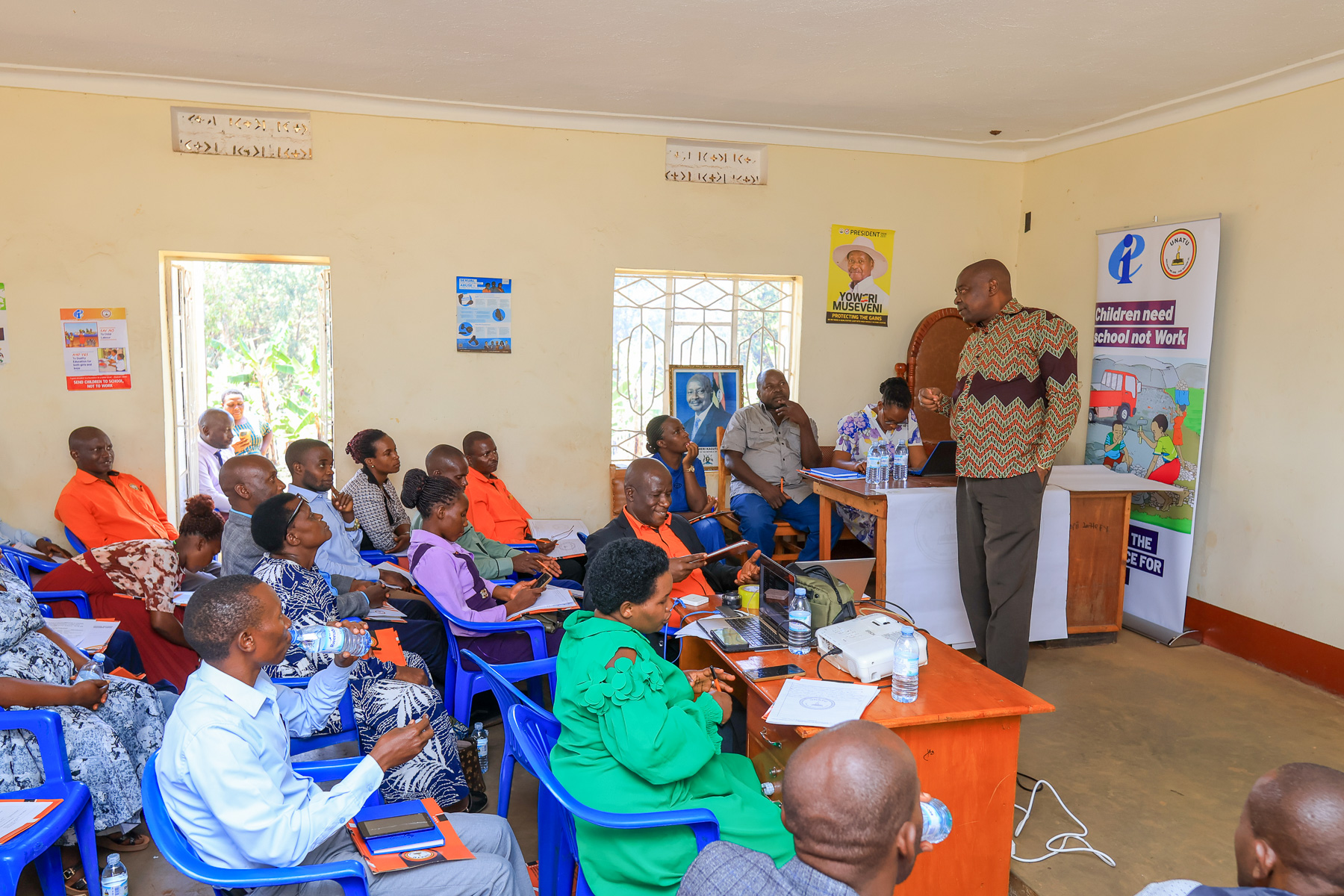
The call was made during a Documentation and Counselling Training organised by the Uganda National Teachers’ Union (UNATU) on 15th August 2026 at Nyakitunda Sub County Headquarters.
The training formed part of UNATU’s child labour intervention in Nyakitunda, supported by Education International. The two-year project places education at the centre of efforts to protect children, support teachers and strengthen community action against child labour.
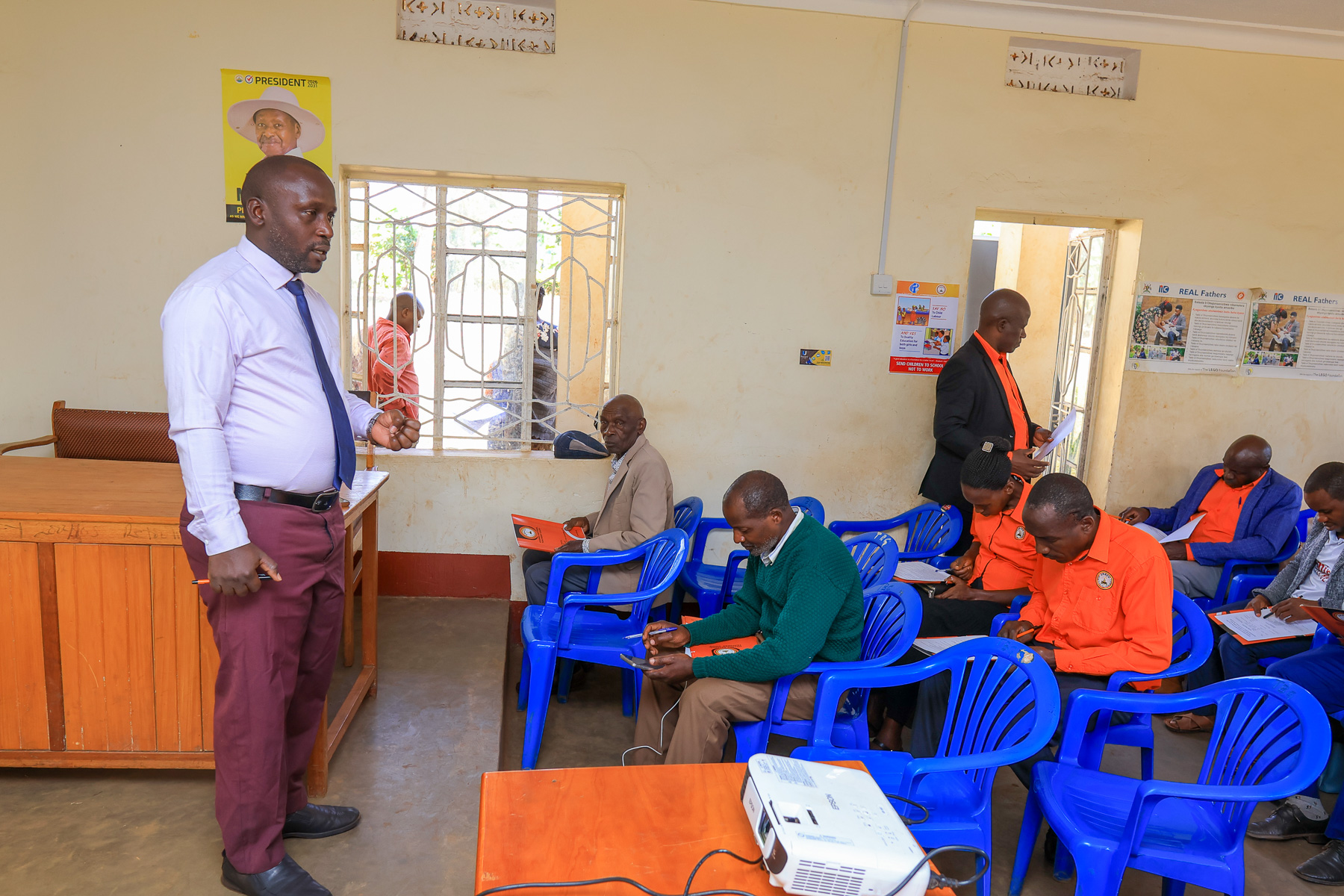
The engagement focused on practical tools for documenting learner enrolment and attendance, identifying children at risk of dropping out, counselling learners and improving communication between teachers, parents and the wider school community.
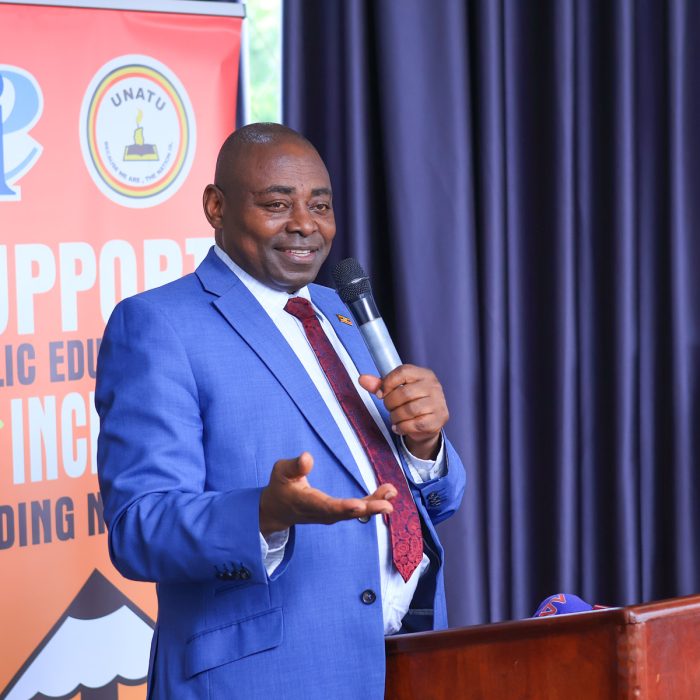
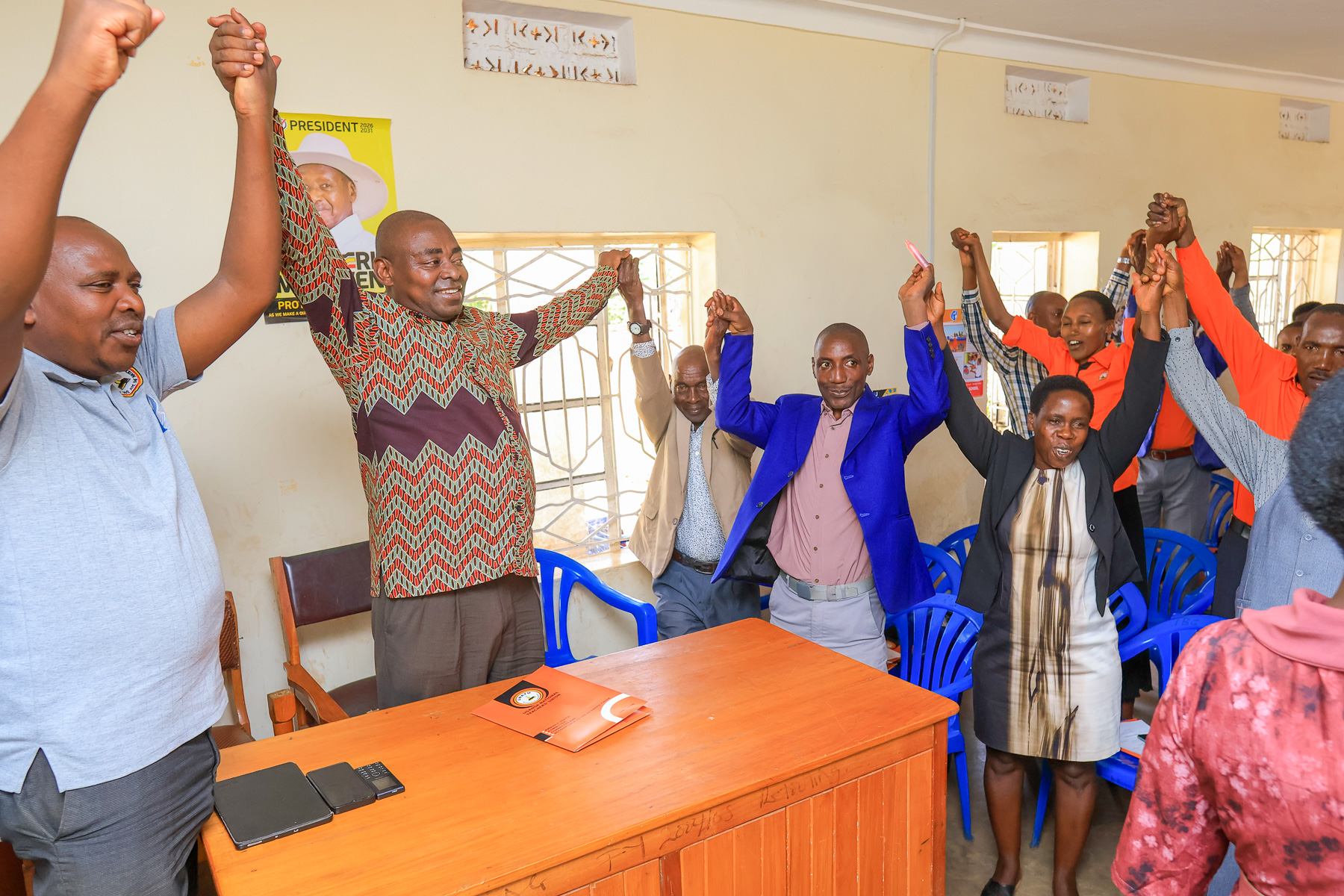
“Ending child labour starts with me and you,” UNATU General Secretary Baguma Filbert Bates told participants. “Our children, our future. Our future, our children.”
Teachers urged to be agents of education
In his welcome remarks, the Nyakitunda Sub County Chairperson, Innocent Mugarura, said the training was crucial because Nyakitunda had been selected due to the high levels of child labour affecting children in the area.
He warned teachers against becoming culprits or perpetrators of child labour and instead urged them to become agents of education.
Mugarura said teachers occupy a critical position in the community because they see learners daily, understand their struggles and can detect early signs when children are being pulled away from school.
Documentation linked to child protection
The Community Development Officer, Atuhaire Shivan, called on participants to take the training seriously, noting that documentation would help them collect the right information on children affected by absenteeism, dropout risks and child labour.
She said accurate documentation gives schools and community structures the evidence needed to follow up learners, engage parents and plan support for children at risk.
Atuhaire also called for more counselling sessions for learners who are struggling, saying some children need safe spaces where they can share what they are going through before their challenges push them out of school.
Her remarks reinforced the link between school records, child protection and psychosocial support.
Union leaders pledge support
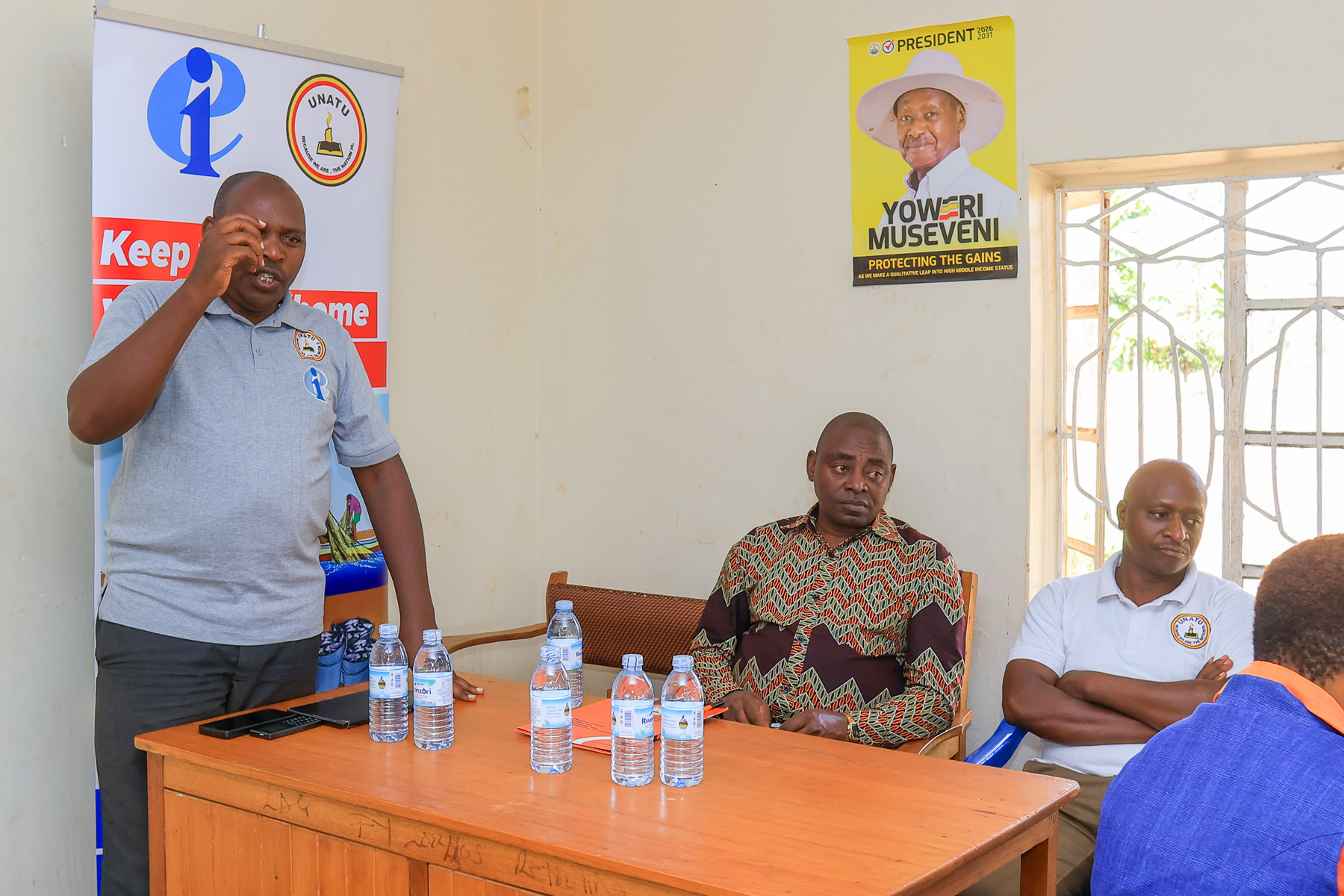
The UNATU Branch Chairperson, Mujuni Prosper, appreciated teachers for their love for the Union and committed the branch leadership to supporting the successful implementation of the project.
He said the project would require commitment from teachers, school leaders, parents, community members and local leadership if it is to achieve lasting results.
The UNATU South Western Regional Chairperson, Turwomwe Denis, welcomed the child labour project as an important intervention for the region and thanked Education International and other partners supporting the initiative.
He pledged to support participants in working towards the project goals and urged teachers to remain united around issues affecting their profession and learners.
Turwomwe also acknowledged that some teachers continue to face salary-related challenges, but said the Union is working with relevant stakeholders to address them.
General Secretary calls for collective action
In his remarks, UNATU General Secretary Baguma Filbert Bates thanked the Sub County leadership, head teachers and all 72 participants for supporting the project.
He said the presence of many children outside school was one of the reasons UNATU had come to Nyakitunda.
He called for unity among teachers, school leaders, local leaders and communities to ensure that the project achieves its objectives.
He said UNATU does not support unprofessional conduct and urged teachers to uphold the dignity of the profession.
The General Secretary also spoke about new policy developments affecting teachers, including the National Teachers’ Act and the expected role of the National Teachers Council in teacher discipline, registration, licensing and Continuous Professional Development.
He said teachers must take interest in the provisions of such policies because they directly affect their future in the profession.
He also discussed the Public Service Pension Act, noting that the new contributory pension arrangement provides for a total contribution of 15%, with the employee contributing 5% of gross salary and Government contributing 10%.
He used the issue of retirement to remind teachers that poor planning can leave public servants vulnerable after leaving active service.
“Teachers must invest in themselves,” he said.
He urged teachers to prepare early for retirement, ask hard questions about decisions that could affect their salaries and take responsibility for their long-term welfare.
The General Secretary also encouraged women to protect their economic security, including owning property in their names and ensuring that marriage arrangements are legally recognised where applicable.
Child labour requires community action
On child labour, Baguma said the vice cannot be fought by teachers alone.
He called for a collective effort involving schools, local leaders, parents and the wider community.
He urged Sub County leadership to move with the Union in the campaign and support efforts that return children to school and keep them there.
He said teachers must be at the forefront of education because they are closest to the learners and can identify when a child is at risk.
The training emphasised that child labour directly affects attendance, retention and learning outcomes. The data-driven retention presentation linked child labour to absenteeism, fatigue, work-related injuries, seasonal agricultural cycles and loss of concentration among learners.
Participants were reminded that children involved in work often miss morning classes, arrive tired, lose concentration or eventually drop out when work begins to compete with schooling.
Documentation as a tool for protection
UNATU Programme Officer Kalamagi Gowan explained that the project is funded by Education International and is being implemented over two years.
He said the first day of the training focused on documentation of learner enrolment and attendance, as well as counselling of learners. The second day was expected to focus on research.
He urged the 72 participants to take the training seriously, noting that accurate records are not mere administrative paperwork but tools for protecting children.
He explained that school registers help teachers know the learners they are teaching and identify those who are absent early enough for follow-up.
Participants were reminded that the first 30 minutes of the school day are important for establishing who is present, who is absent and who may need urgent attention.
The training also emphasised the need to check whether learners who attend morning sessions continue into the afternoon.
Teachers were reminded that while the class teacher keeps records for accountability as the person in charge of the class, every teacher has a responsibility to pay attention to learner attendance.
The Programme Officer said the shift must be from passive roll-calls to data-driven retention.
Under this approach, attendance records are used to identify patterns, detect repeated absenteeism and support timely home visits or parent engagement before a learner drops out.
Counselling the whole child
The counselling session focused on supporting the whole child and helping learners remain in school.
Participants were guided on how to identify behavioural and emotional changes among learners, including sudden withdrawal, aggression, poor hygiene, fatigue and a sharp drop in academic performance.
The training encouraged teachers to create safe, private and non-threatening spaces for learners to speak.
Teachers were urged to listen carefully, avoid judgement and validate learners’ feelings before rushing to enforce school rules.
One example used in the training showed how a teacher can respond to a learner who has missed several days of school and appears anxious.
Instead of asking, “Why are you missing school?” teachers were encouraged to use supportive questions such as, “I have noticed you seem stressed lately, how can I help?”
The session also emphasised the importance of teacher-parent communication loops.
Teachers were encouraged to flag concerns early, contact parents in a supportive tone, document the conversation and agreed next steps, and follow up with both the learner and parent within a reasonable period.
From attendance data to action
The training introduced participants to basic learner retention indicators, including daily attendance, absence, unexcused absence, tardiness, consecutive absence and chronic absenteeism.
Teachers were encouraged to use these indicators to identify learners at low, medium or urgent risk of dropping out.
A learner with regular attendance and stable performance may be considered low risk.
A learner with consecutive absences, declining grades or withdrawal from classroom participation may require closer attention.
Learners with chronic absenteeism, failing performance and complete disengagement require urgent follow-up.
The training also showed that retention improves when schools use attendance data to support practical interventions such as parent contact, targeted counselling, School Management Committee engagement and home visits.
Conclusion
The Documentation and Counselling Training reminded the teachers and school leaders that the fight against child labour begins with what happens inside and around the school.
A register can reveal a pattern. A conversation can uncover distress. A timely follow-up can bring a child back before the classroom loses them completely.
For Nyakitunda, the message was clear: every learner retained in school is a child kept further away from child labour.
UNATU pledges to continue working with Education International, local leaders, school communities and teachers to strengthen child protection, improve learner retention and promote quality public education for every child.
Other posts