

Nyakitunda Sub County, Isingiro District | 13th June 2026
A child missing school is rarely just absent. Sometimes, that absence is a sign of something deeper: work at home, farming, vending, domestic labour, stress, hunger, or a family situation that has quietly pushed education aside.
Teachers in Nyakitunda Sub County have been called upon to take a leading role in the fight against child labour and in the promotion of mental health and psychosocial support among learners, teachers, and the wider school community.
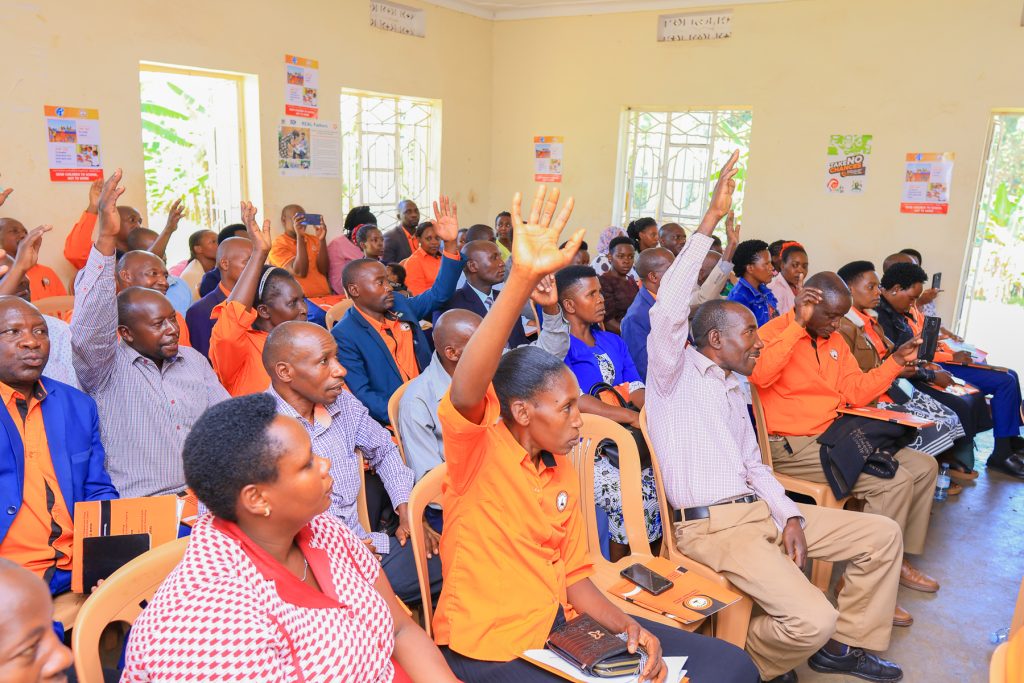
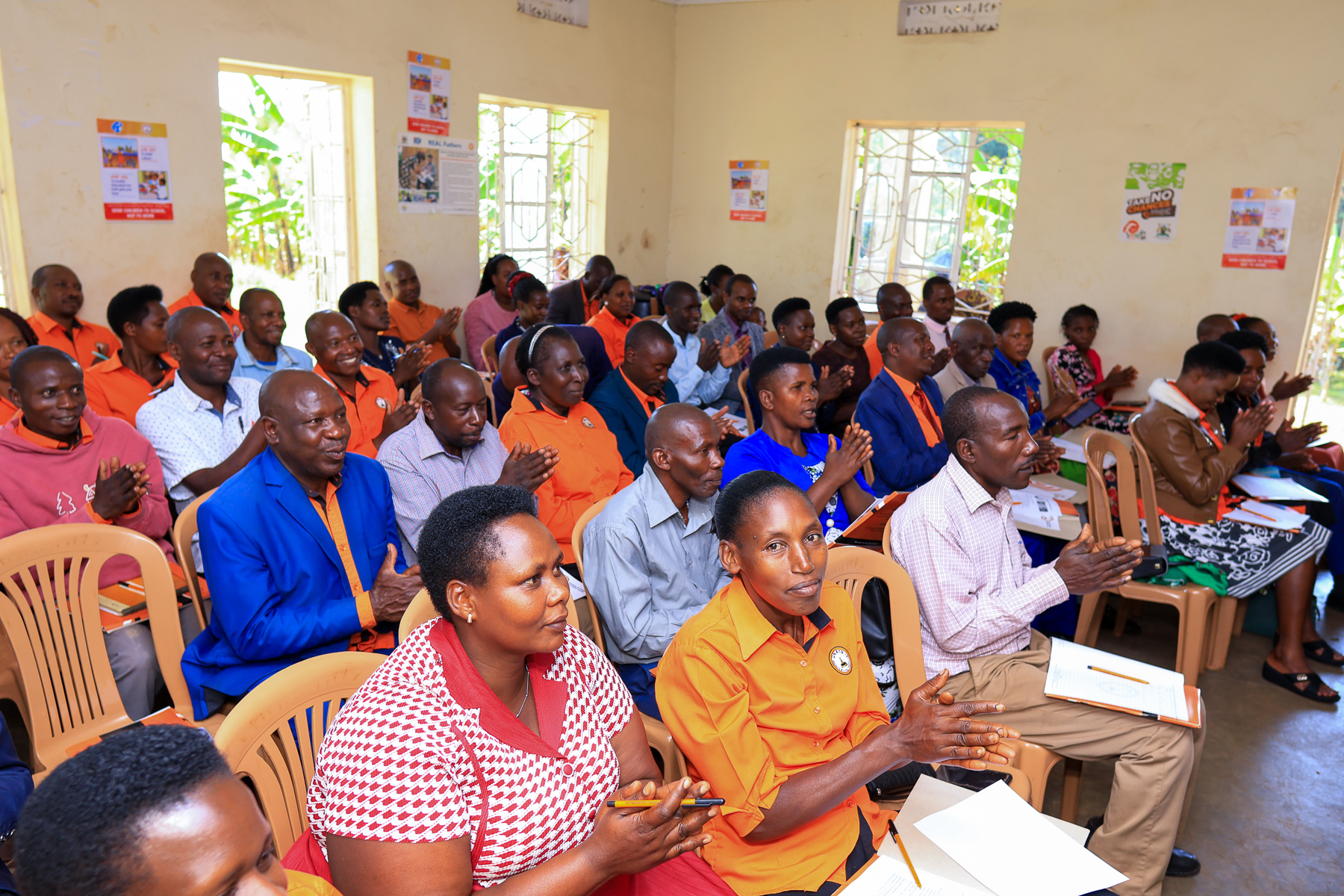
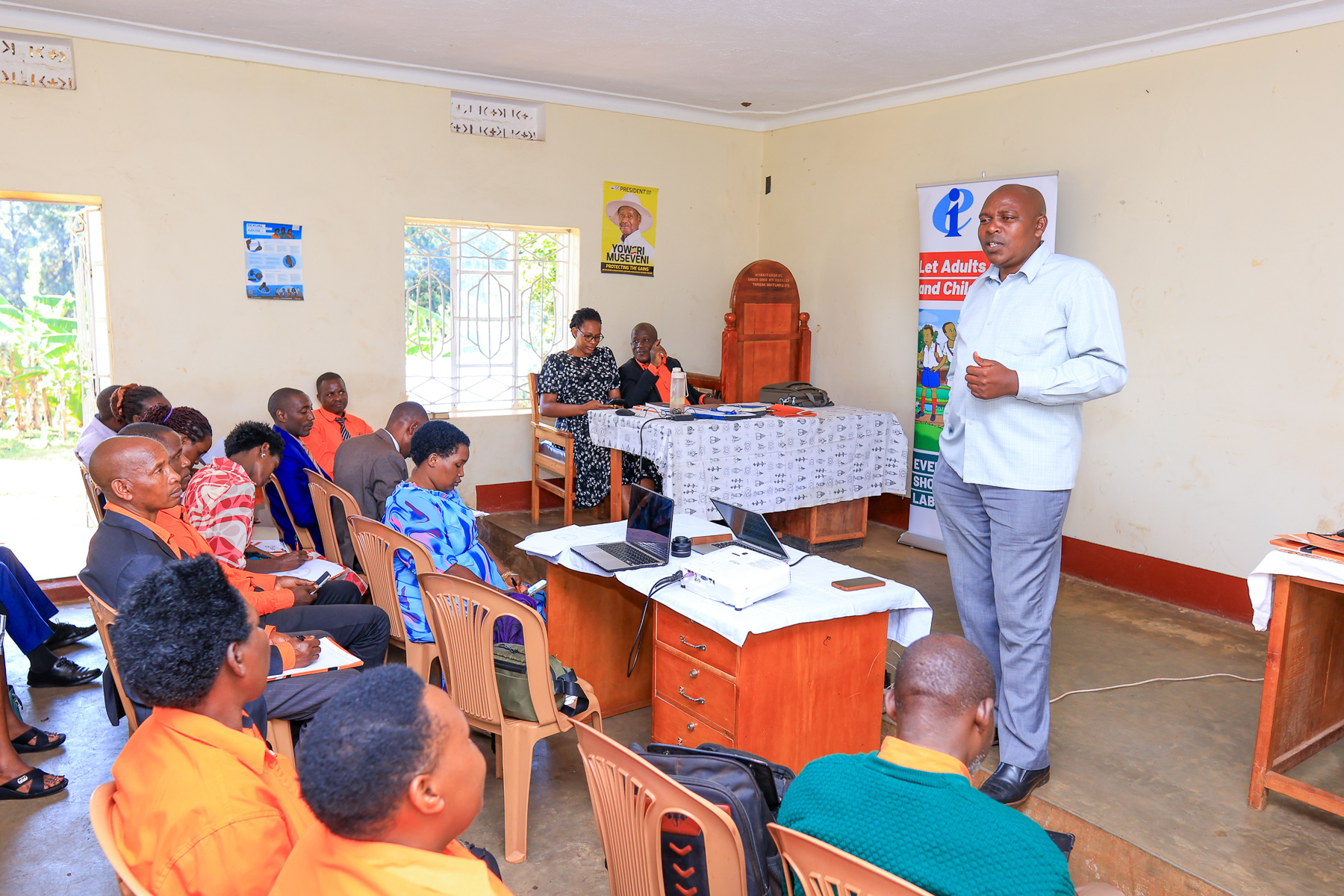
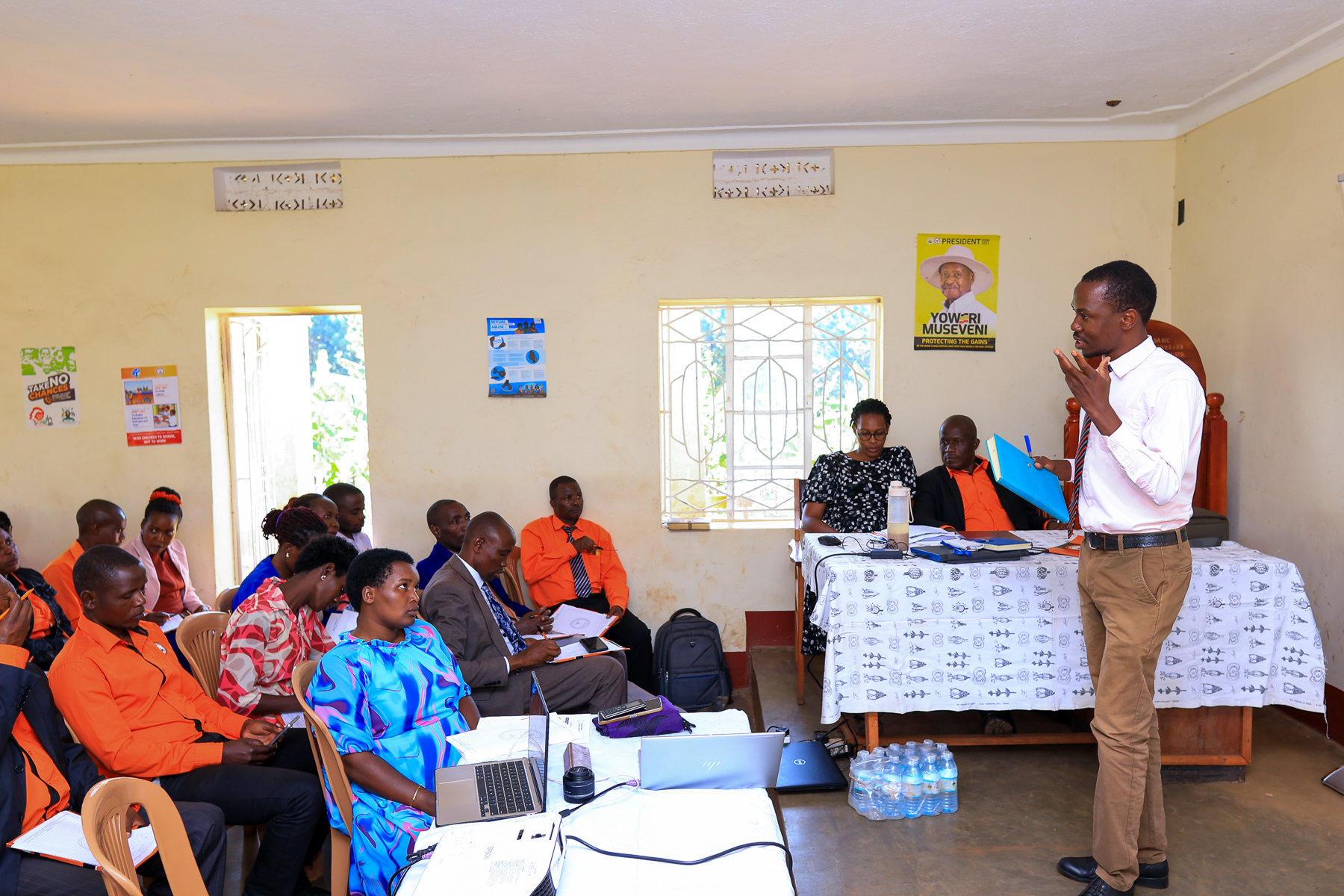
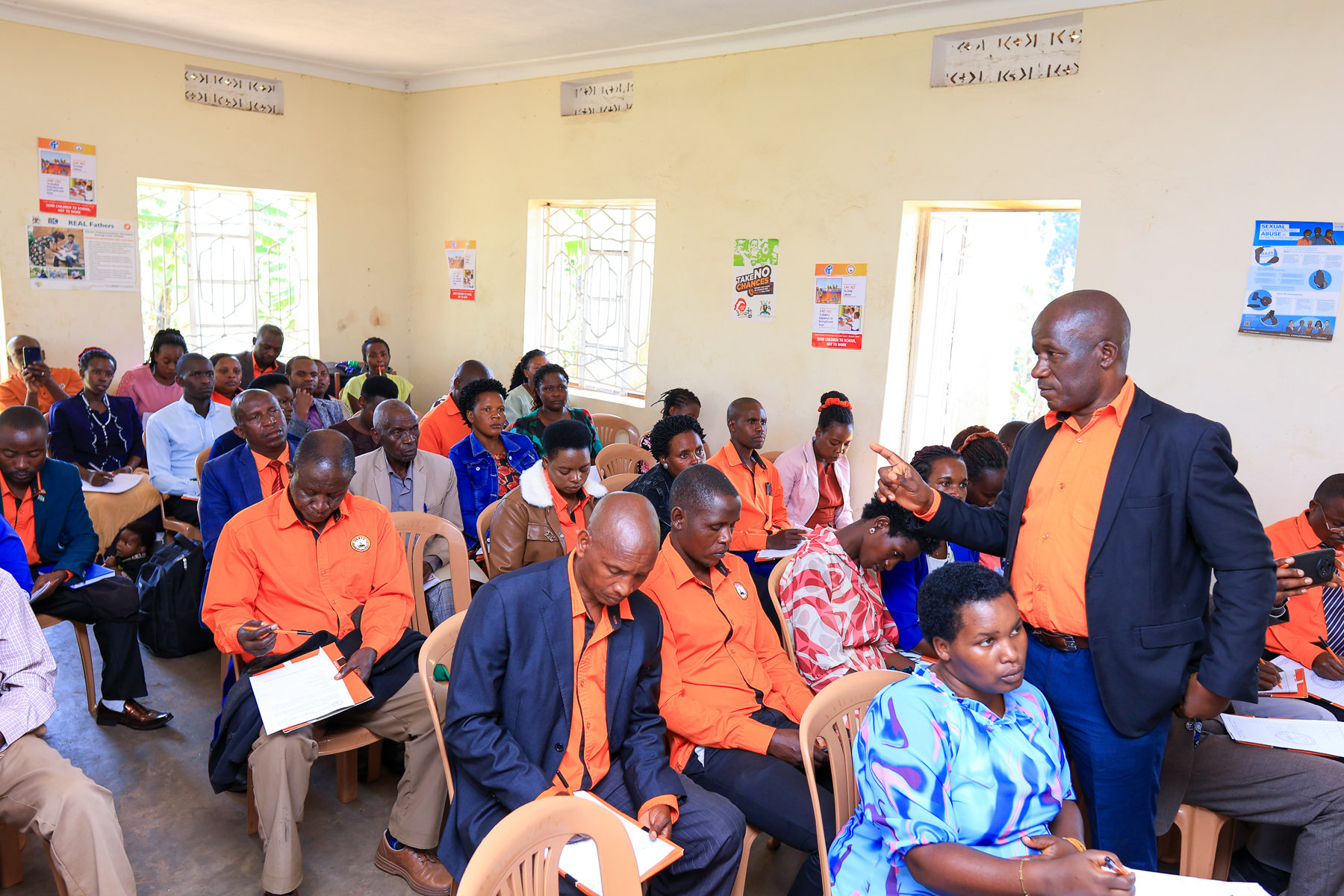
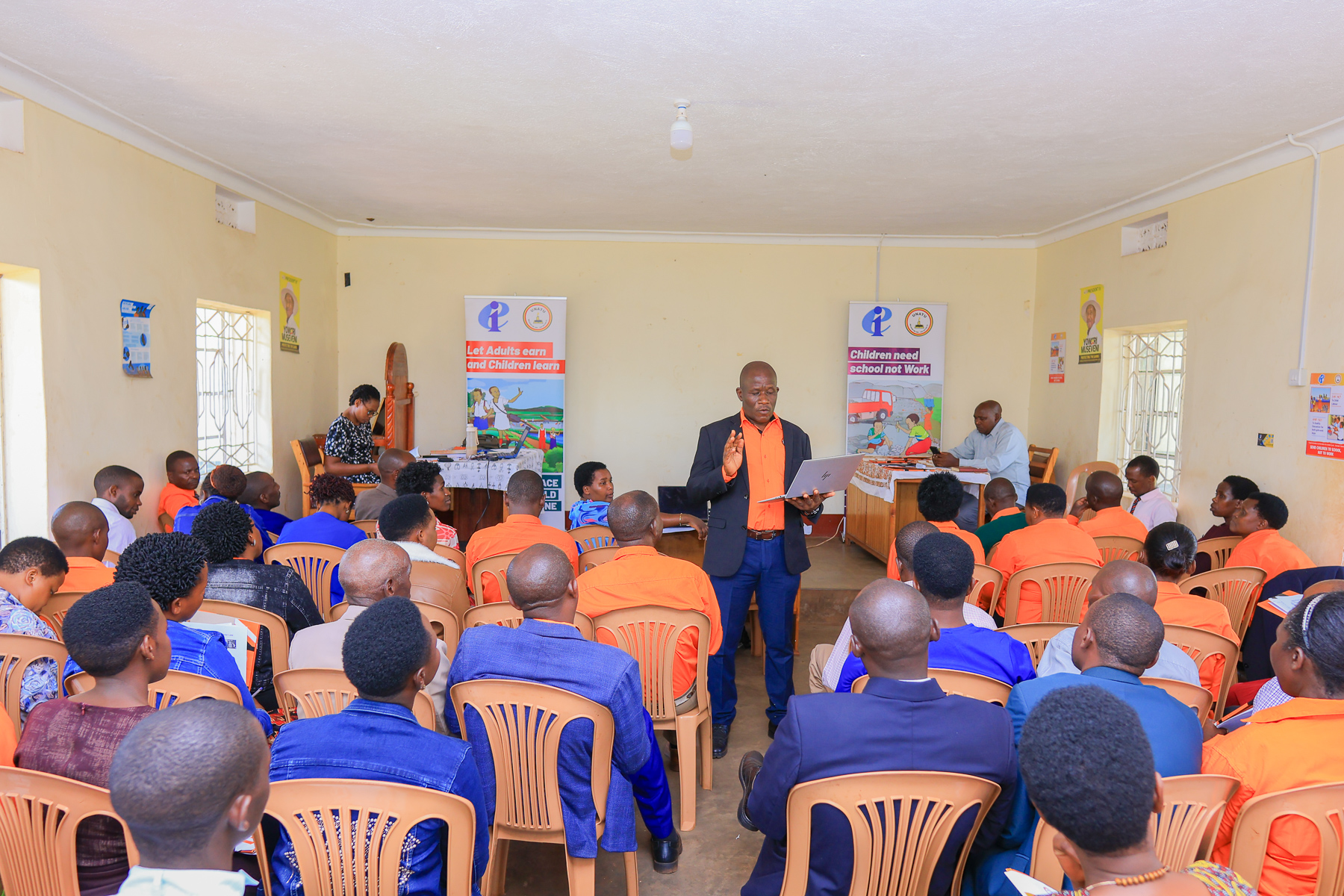
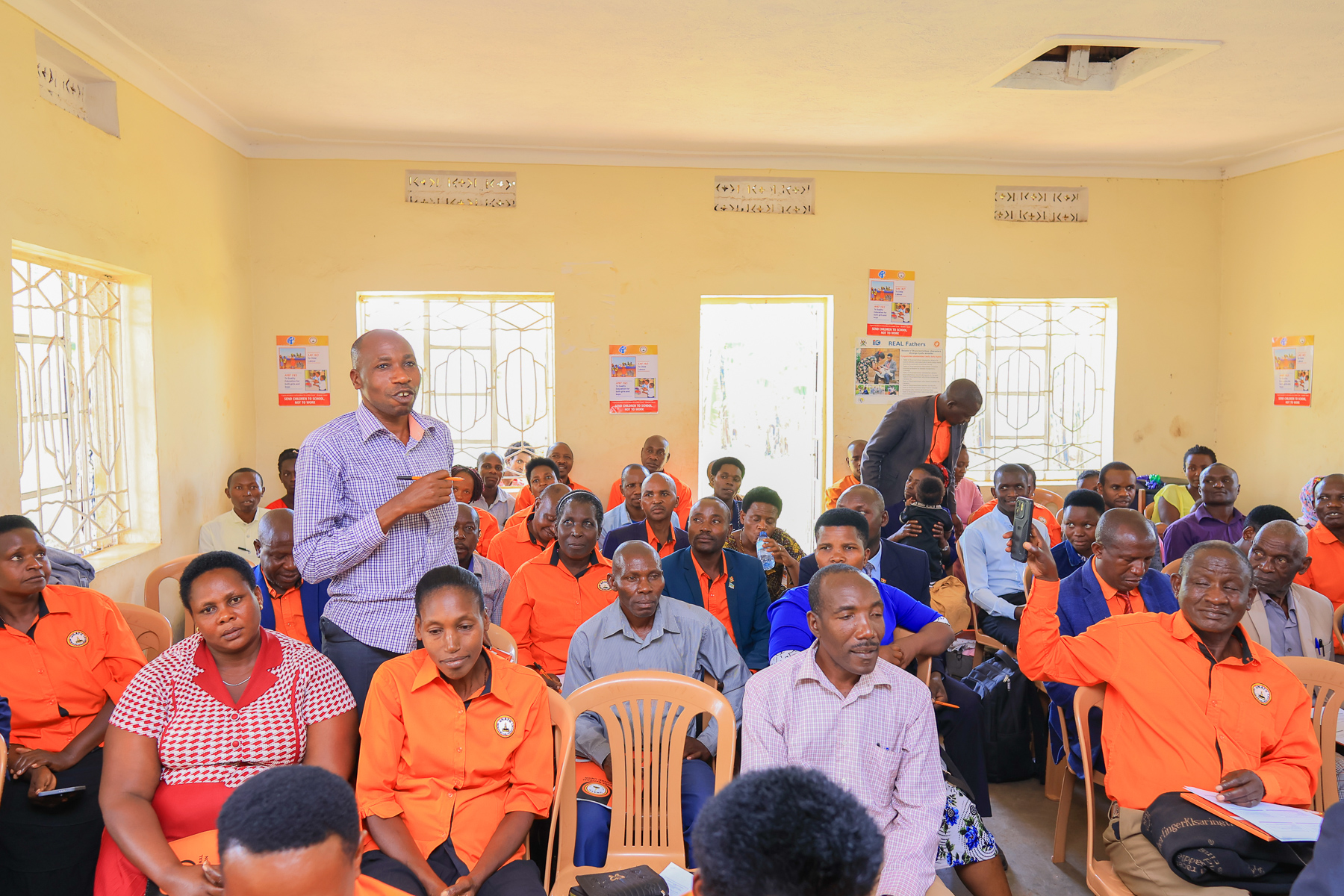
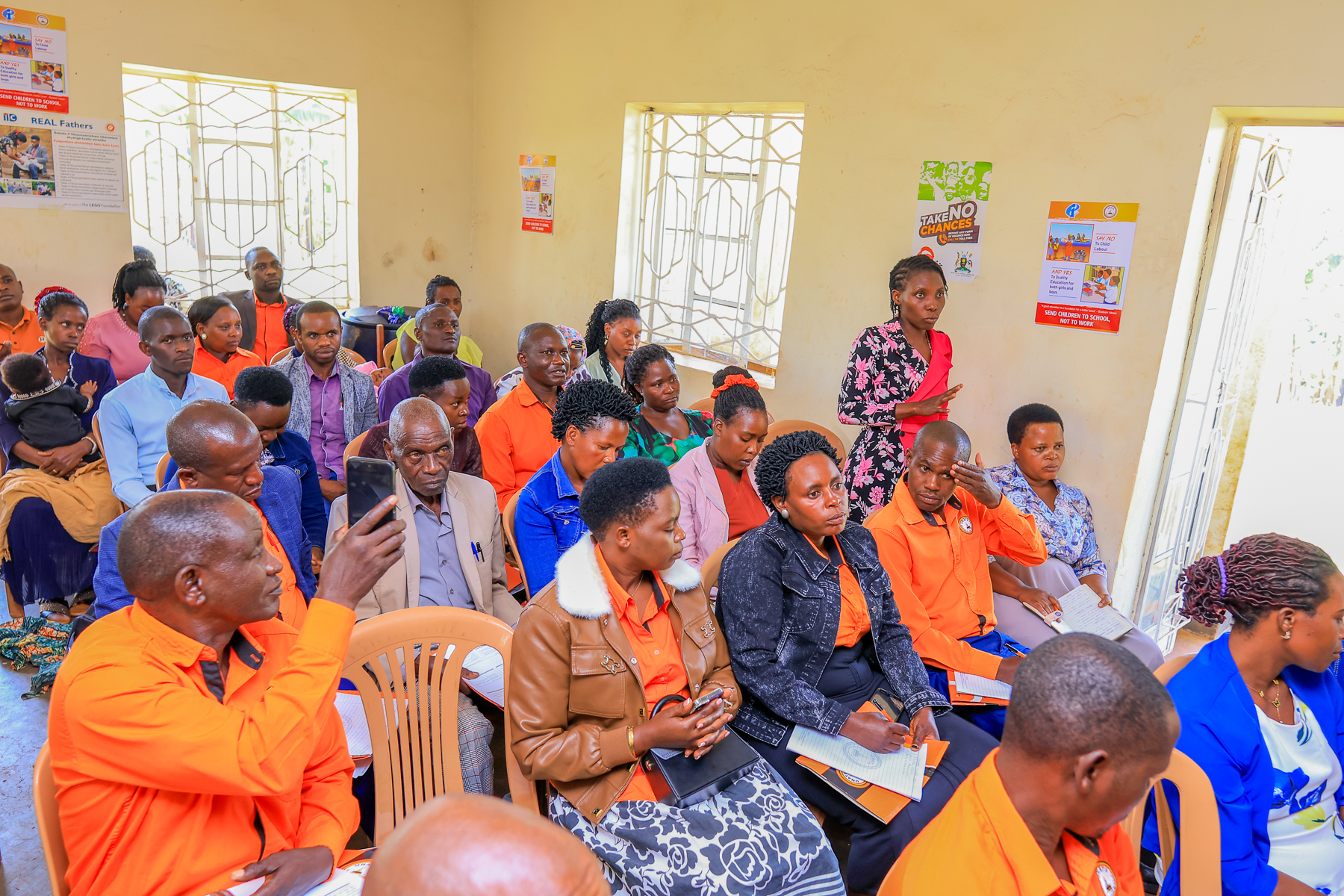
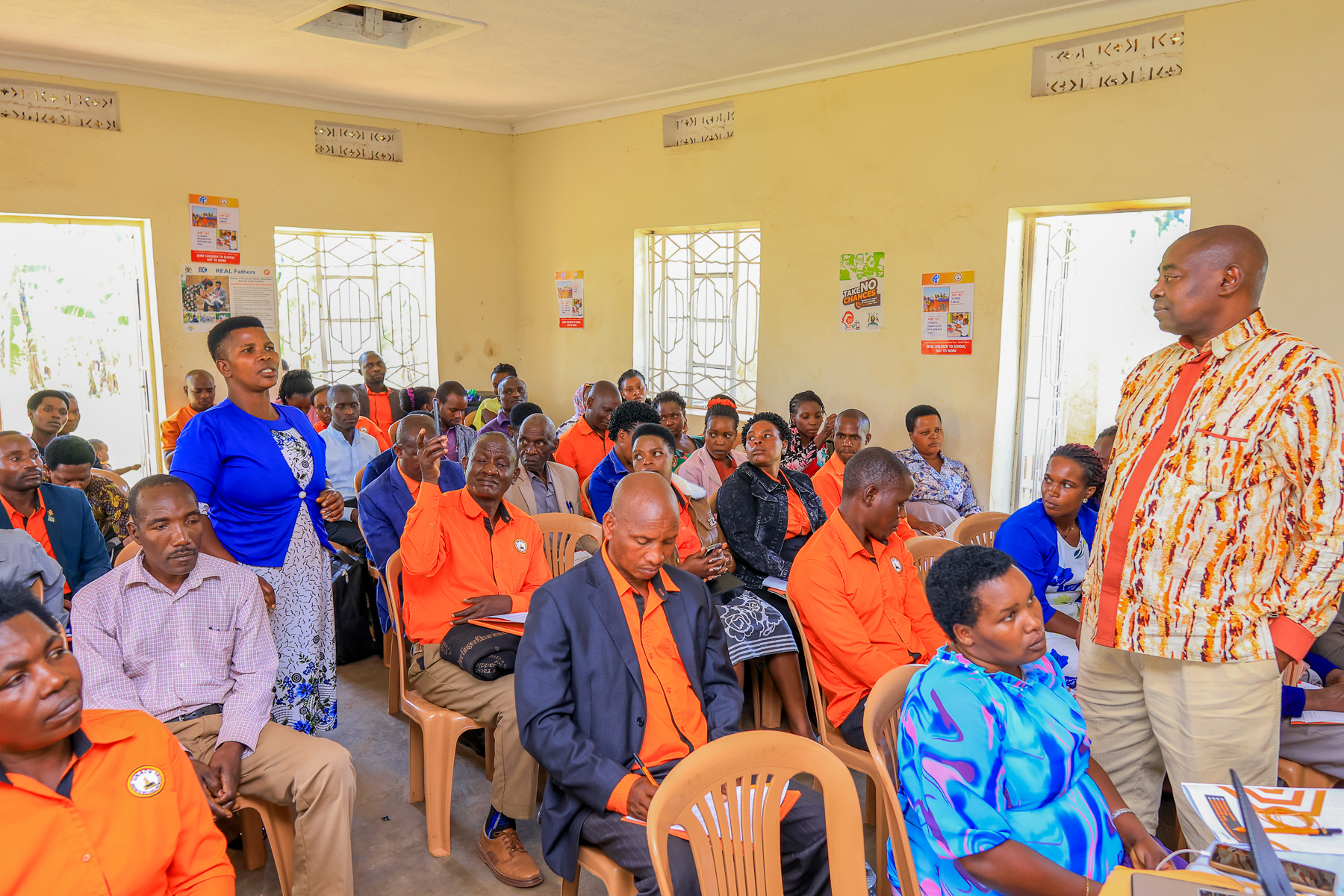
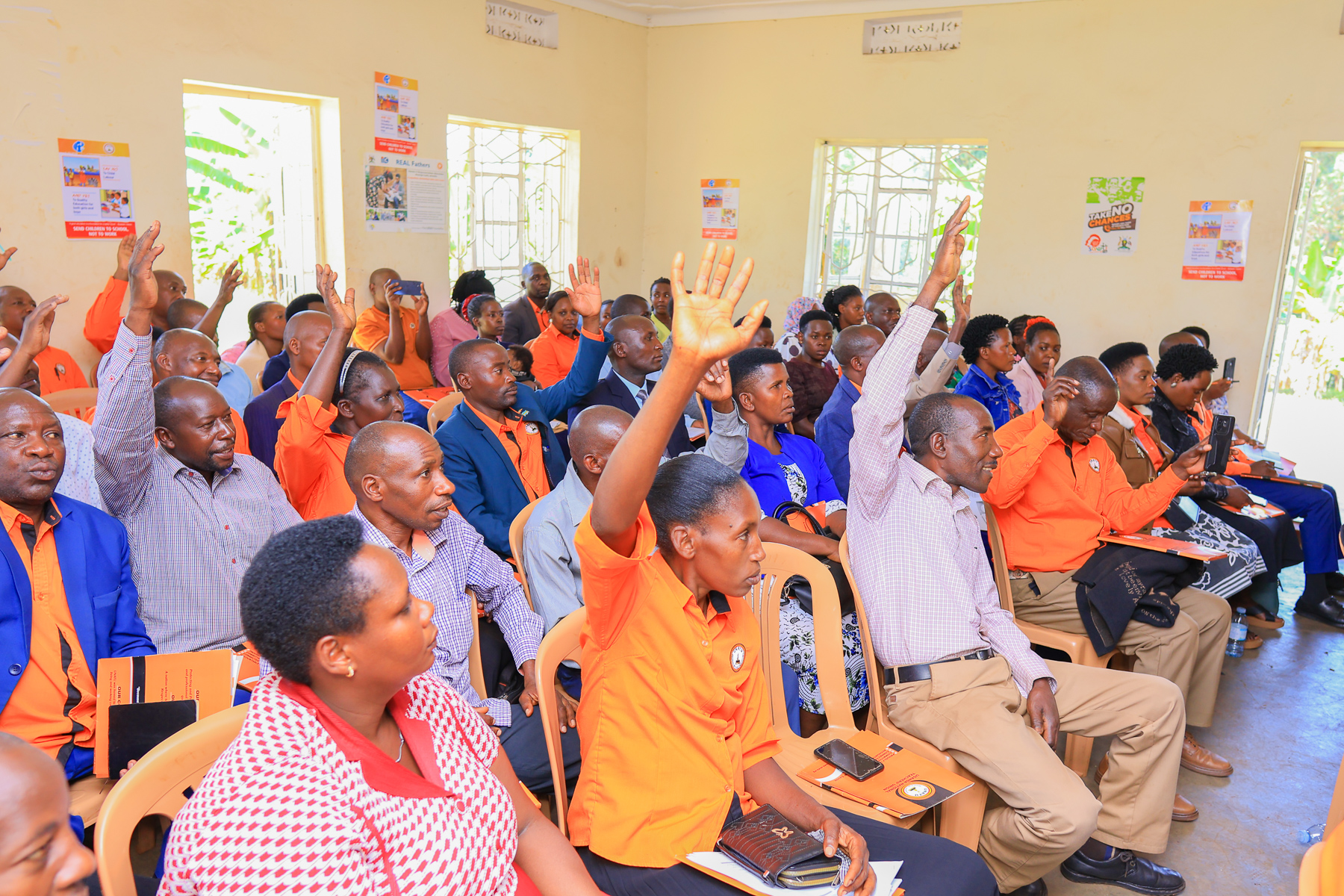
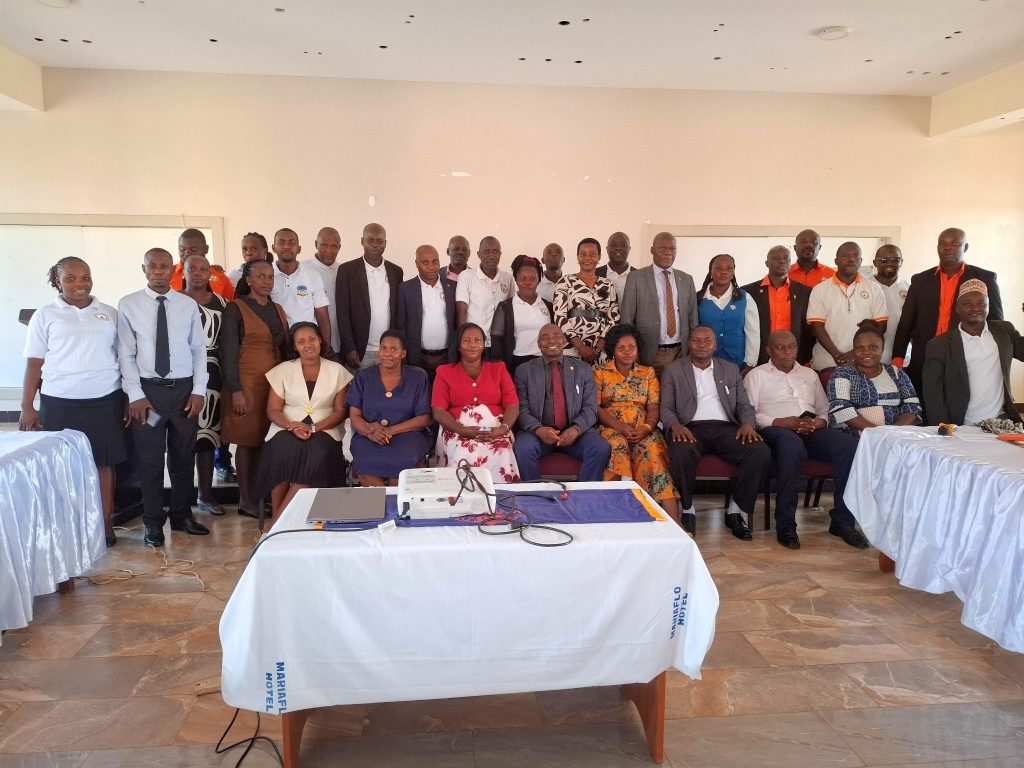
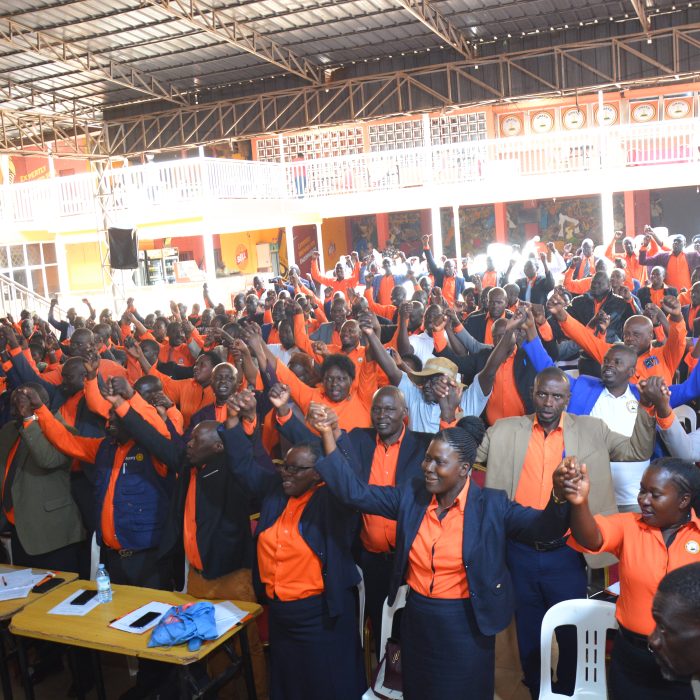
The call was made during an orientation training for teachers on Child Labour and Mental Health and Psychosocial Support held on 13th June 2026 at Nyakitunda Sub County Headquarters in Isingiro District.
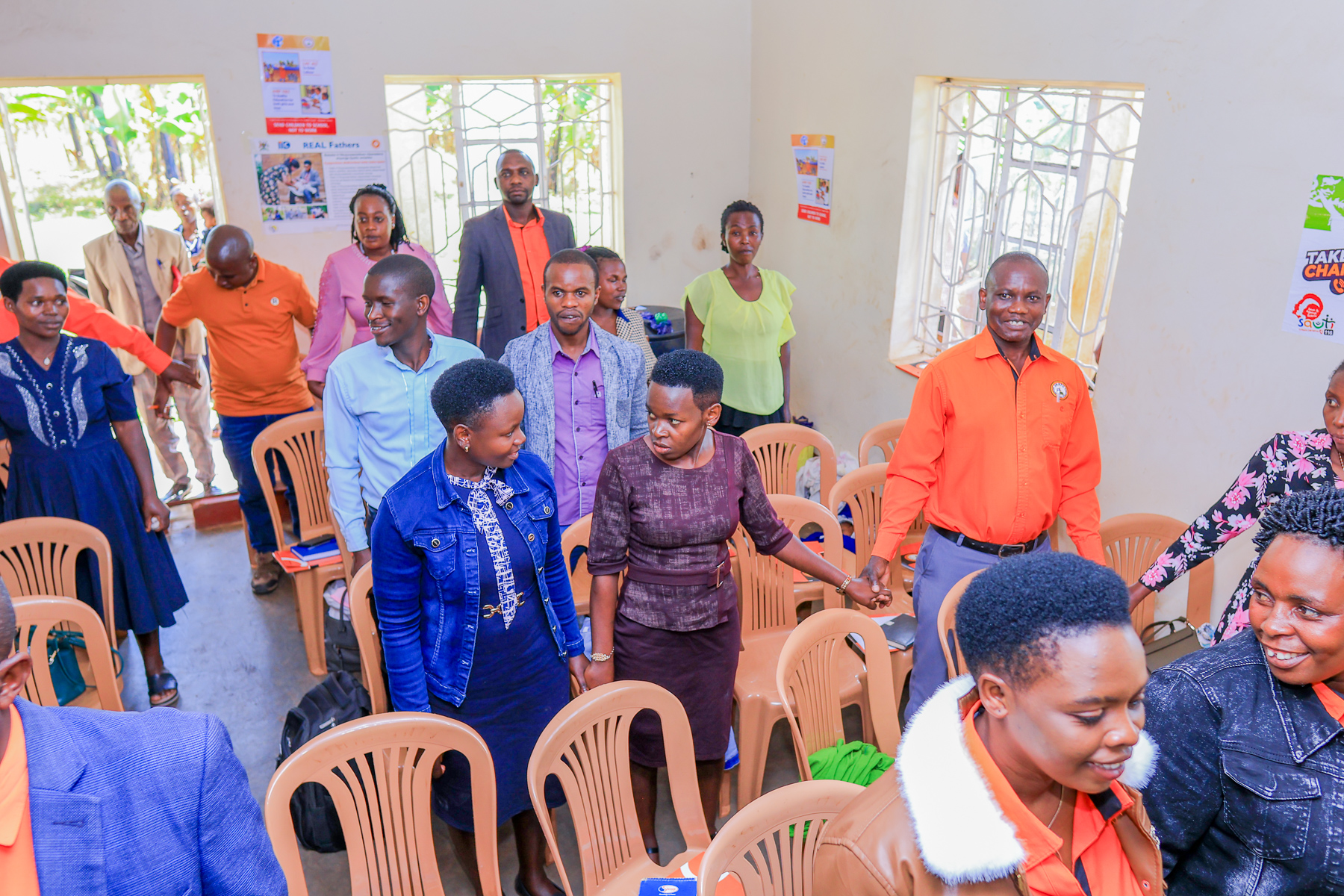
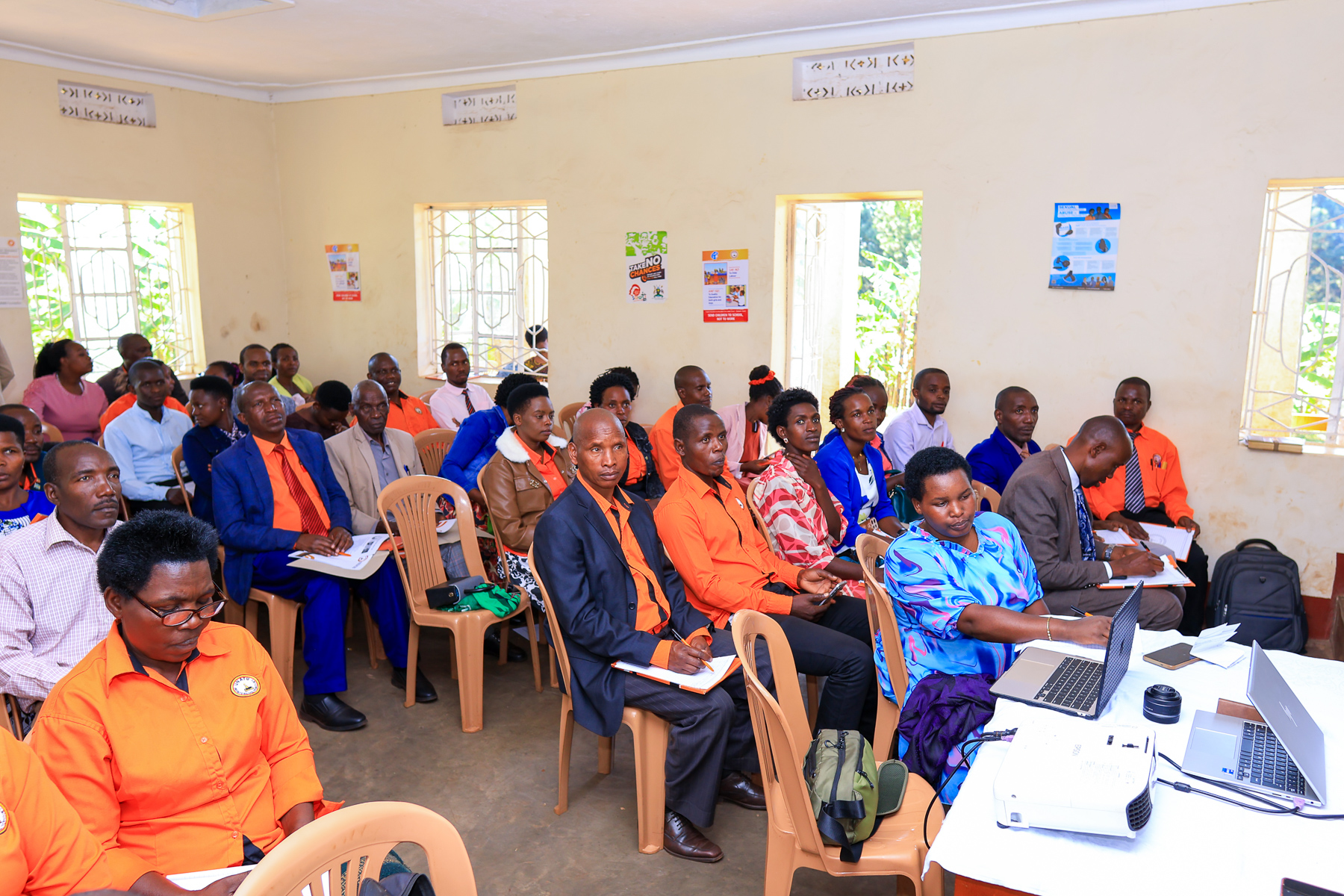
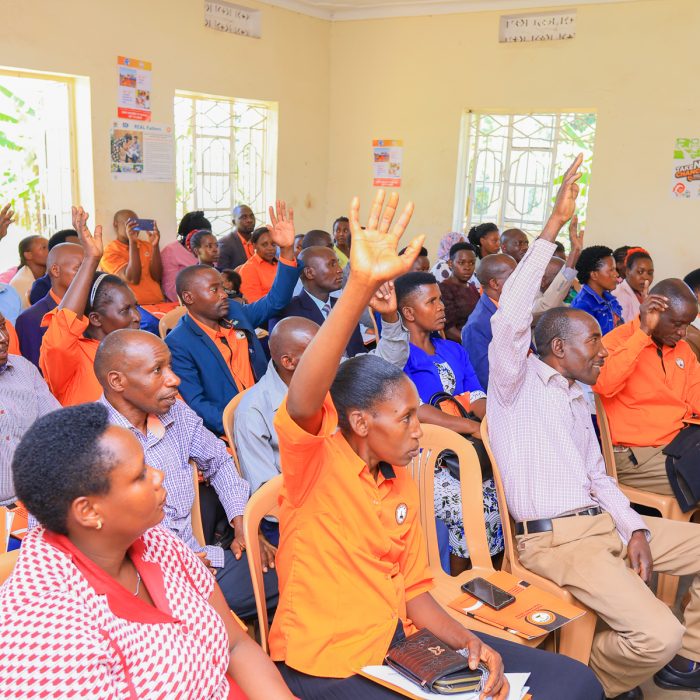
The training brought together teachers, teacher leaders, local government representatives, community leaders, and UNATU officials to reflect on the growing challenge of child labour in the area, its impact on education, and the role of teachers in identifying, preventing, and responding to cases affecting learners.
Teachers at the Centre of Community Change
In his welcome remarks, the Branch Chairperson appreciated UNATU for identifying Nyakitunda as one of the areas where interventions against child labour are needed. He commended teachers for the work they continue to do in schools and encouraged them to give the training maximum attention so that they can become good ambassadors in their schools and communities.
He also appreciated UNATU for its continued efforts towards salary enhancement and thanked Isingiro District Local Government for supporting teachers and the education sector.
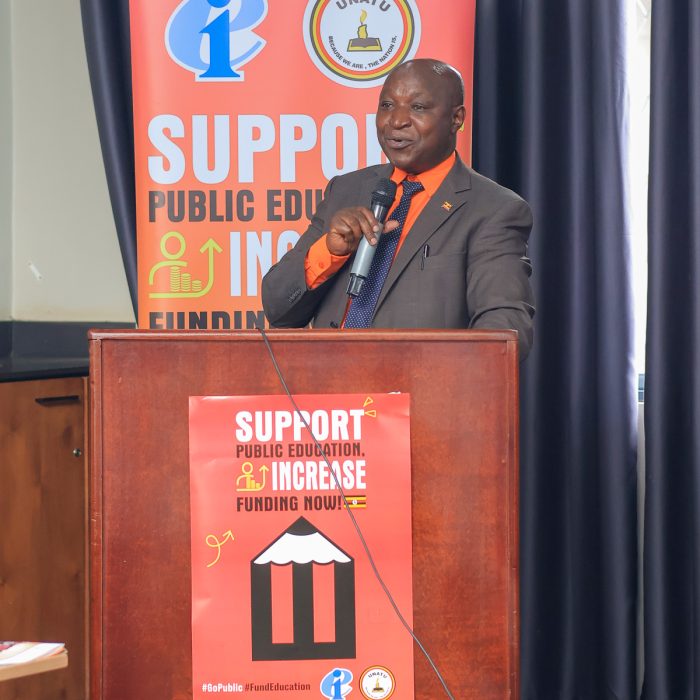
The Regional Chairperson, while welcoming participants, noted that Nyakitunda had been selected because child labour remains a real concern in the area. He challenged teachers to reflect deeply on the school environment and asked whether learners truly admire and feel safe in their schools.
He urged teachers to make schools places where children feel protected, supported, and encouraged to stay. He emphasized that while parents and community members have a responsibility to protect children, teachers are uniquely positioned to notice when a learner is absent, withdrawn, tired, distressed, or at risk of dropping out.
He reminded participants that the project will run for two years, and therefore it must create visible change within the community.
Understanding Child Labour Beyond the Obvious
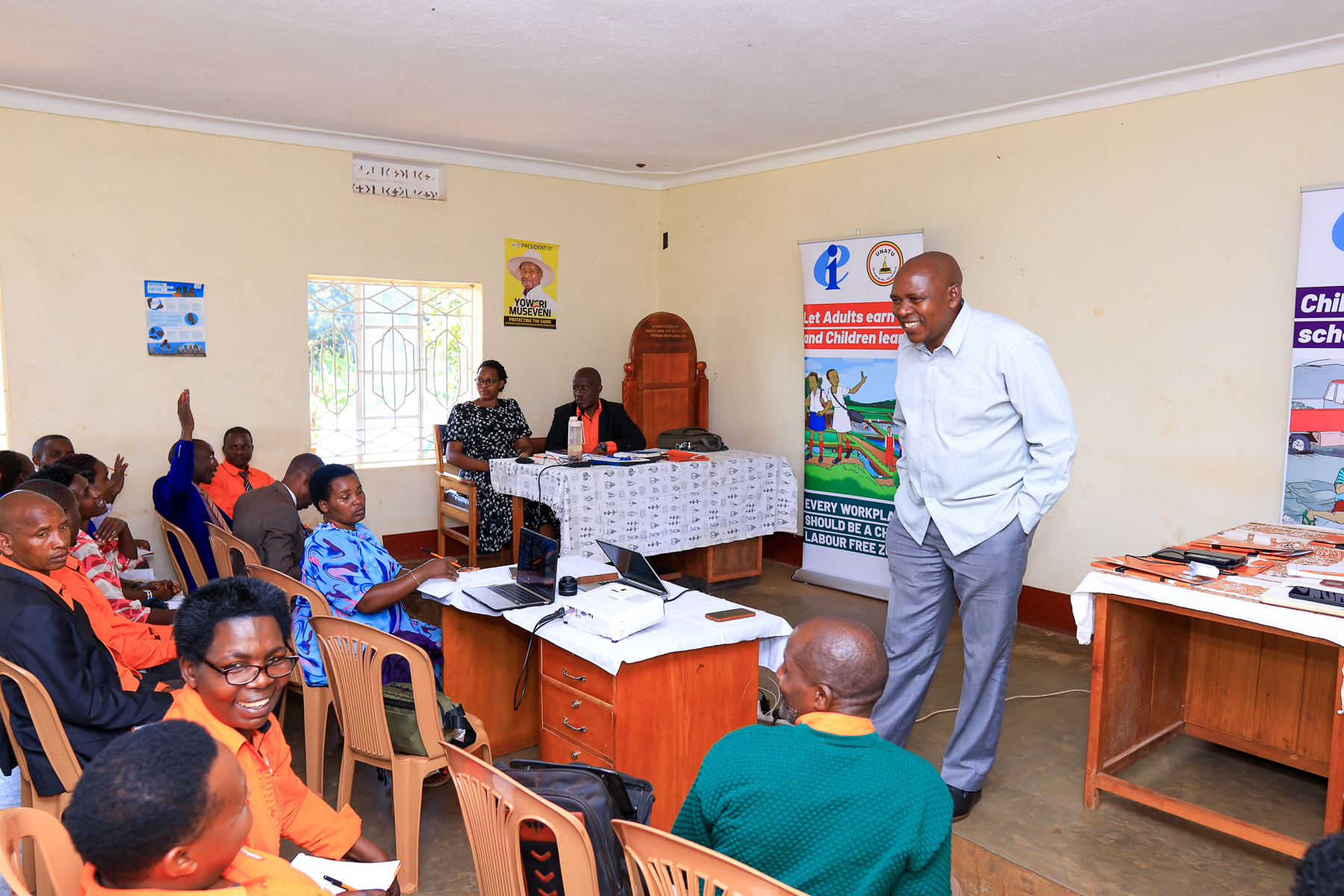
During the training, UNATU’s Program Officer delivered a presentation on child labour, helping participants distinguish between child work, light work, hazardous work, and the worst forms of child labour.
The session emphasized that not every form of work done by a child is child labour. Some age-appropriate, supervised, light work can help children learn responsibility and life skills. However, work becomes child labour when it deprives a child of childhood, interferes with schooling, harms health, or exposes the child to physical, emotional, social, or moral danger.
Participants were taken through examples that helped them identify child labour in everyday community settings. These included children working during school hours, carrying heavy loads, handling chemicals, working at night, being involved in mining or quarrying, selling items in risky places, or being used as domestic workers in ways that deny them education and rest.
The training also highlighted that child labour is often hidden in ordinary homes and communities. A child used as a house help, made to work long hours, denied school, or exposed to unsafe conditions is also a victim of child labour.
Child Labour as a Silent Threat to Education
UNATU’s Program Officer described child labour as a silent but serious problem affecting education, especially enrolment, attendance, retention, and completion.
He explained that child labour does not always appear as a dramatic incident. Sometimes it shows up slowly through repeated absenteeism, poor concentration, late coming, fatigue, declining performance, or eventual dropout.
The presentation was also used to share findings from the baseline data collection exercise conducted in March 2026 in 12 government-aided primary schools in Greater Nyakitunda Sub County.
The findings pointed to a concerning link between child labour, school attendance, and dropout. All the surveyed schools identified child labour as a key driver of absenteeism. The data also revealed that hundreds of pupils had dropped out, with household pressures, domestic work, poverty, lack of learning materials, hunger at school, and low interest in schooling contributing to the problem.
The baseline findings further showed that many children who are out of school are still within the compulsory primary school-going age. Many of them are involved in domestic work, farming, animal grazing, vending, and other forms of work that take away time and energy needed for learning.
For teachers, these findings were a reminder that attendance registers should not only be used for record keeping. They should also serve as early warning tools to help schools identify learners who may be silently slipping away.
The Legal Responsibility to Protect Children
The Community Development Officer Nyakitunda Sub County, guided participants through the legal and community protection aspects of child labour.
She noted that every project begins as a response to a problem, and therefore the community should appreciate the child labour intervention as an opportunity to protect children and strengthen education in Nyakitunda.
She called upon teachers to remain vigilant, especially where children are seen out of school, involved in night activities, or exposed to work that endangers their health and future. She also emphasized the need for continuous sensitization of parents and community members on the dangers of child labour and the laws that protect children.
The session highlighted key legal frameworks, including international instruments such as ILO Convention No. 138 on Minimum Age, ILO Convention No. 182 on the Worst Forms of Child Labour, and the United Nations Convention on the Rights of the Child. At national level, participants were reminded of the Constitution of Uganda, the Employment Act, the Children Act, and other laws that safeguard children from social and economic exploitation.
The Community Development Officer encouraged headteachers to work closely with local government structures and invite relevant officers to speak to teachers, parents, and communities whenever there is need.
Mental Health and Psychosocial Support: A Timely Conversation
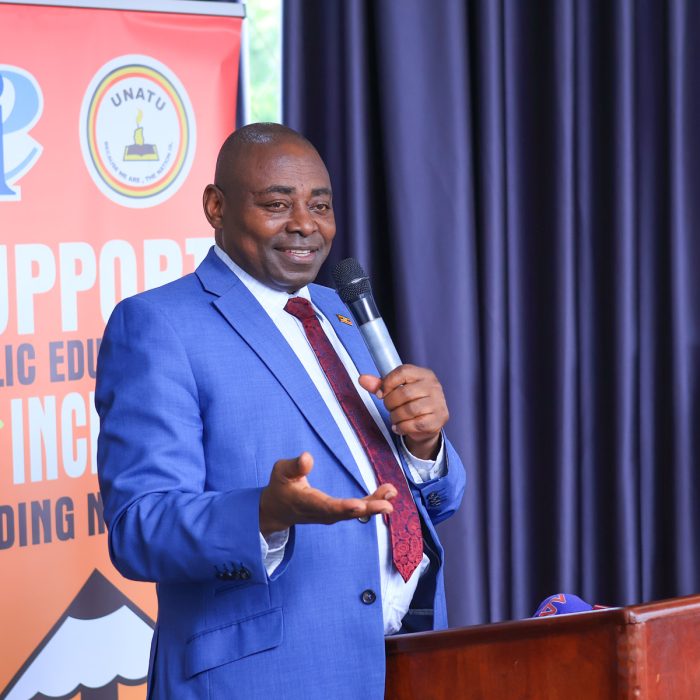
The General Secretary of UNATU, Baguma Filbert Bates, addressed participants and later facilitated a session on Mental Health and Psychosocial Support.
He began by welcoming teachers to the training and sharing a brief background of his journey as a teacher leader, noting that leadership begins with commitment and service. He reminded teachers that UNATU is not an external body separate from them, but a union made up of members.
He called for unity among teachers and cautioned against fragmentation within the teaching profession, noting that a strong and united profession is better positioned to advocate for teachers and defend the future of education.
In his presentation on mental health and psychosocial support, the General Secretary explained that mental health is part of general health and affects how people think, feel, behave, work, relate with others, and respond to the demands of life.
He noted that teachers often carry heavy emotional, financial, professional, and social burdens, yet mental health remains one of the most ignored aspects of life. He guided participants through common mental wellbeing concerns among teachers and learners, including stress, anxiety, burnout, alcohol and substance use, and emotional distress.
The session also helped teachers understand early signs that someone may be struggling. These may include difficulty concentrating, withdrawal from others, persistent sadness, irritability, changes in sleep or eating patterns, loss of interest in usual activities, or feeling overwhelmed.
The General Secretary encouraged teachers to support one another and to create school environments where learners and colleagues can be listened to, comforted, reassured, and referred for further support where necessary.
Teachers Also Need Support
A key message from the MHPSS session was that teachers cannot effectively support learners if they themselves are overwhelmed and unsupported.
The General Secretary urged teachers to be more intentional about their wellbeing. He encouraged them to avoid unnecessary stress, read documents carefully before signing, avoid multiple loans, and practice contentment as one way of reducing financial and emotional pressure.
He also spoke about salary enhancement, noting that while the increment may not be what teachers had fully desired, it is a beginning. He informed participants that teachers should wait for the circular standing instructions that will provide further details on what different categories of teachers will receive.
On the Teachers Bill, he noted that the President had signed it and that the ten-year grace period had started. He explained that teachers already in service and close to retirement may not need to upgrade, while younger teachers should go back and get the required qualifications.
Local Leaders Appreciate UNATU’s Role
The Senior Assistant Secretary, Nyakitunda thanked participants and expressed appreciation for being part of the training as a stakeholder. He reflected on the reality of child labour within communities and noted that it is not only found in farms or workplaces but also in homes where children are used as house helps in ways that affect their education and wellbeing.
He also noted that school dropouts need support and skills, but emphasized the importance of preventing dropout in the first place.
The District Inspector of Schools also appreciated UNATU’s leadership and contribution to education. He noted that he is himself a product of UNATU, having previously served as the UNATU branch Treasurer of Isingiro District.
He thanked teachers for standing together during the industrial action and congratulated them for not giving up in the struggle for salary enhancement. He observed that teachers face many forms of stress and described the MHPSS session as very helpful.
He urged teachers to take what they had learned back to their schools and share it with colleagues, learners, parents, and community members.
A Call to Action for Nyakitunda
In his closing remarks, the LCIII Chairperson thanked the General Secretary for giving time to teachers and appreciated participants for their active involvement throughout the training.
He encouraged teachers to work closely with community leaders in combating child labour and reminded them that ending child labour requires collective effort. He called upon teachers to become good ambassadors, support government programmes, and use the knowledge gained to strengthen child protection in their communities.
The training ended with a shared understanding that child labour is not only a child protection issue. It is an education issue, a community development issue, and a mental health issue.
For Nyakitunda, the message was clear: children belong in safe homes, supportive schools, and caring communities. Teachers, as trusted leaders closest to learners, have a critical role to play in making that possible.
Conclusion
The orientation on Child Labour and Mental Health and Psychosocial Support was a timely reminder that the fight against child labour cannot be won by one institution alone.
It requires teachers who notice, schools that respond, parents who understand, local leaders who act, and communities that value education.
As UNATU continues to support interventions against child labour, the teachers of Nyakitunda have been challenged to become champions of change, protecting learners from harmful work while also promoting mental wellbeing within the school environment.
Every child deserves the chance to learn, grow, play, and dream. Ending child labour begins when the community chooses to protect that chance.
Other posts




We need more Teachers to continue to fight Child Labour
More efforts are needed in nyakitunda
Thanks our GS for the presentation we were so grateful and hope you come again, more efforts are needed