


Mbale City | 21st June 2026
Branch staff and their respective Chairpersons from UNATU’s Eastern Region have been urged to strengthen branch office management, improve membership data tracking and enhance accountability in the day-to-day operations of the Union.
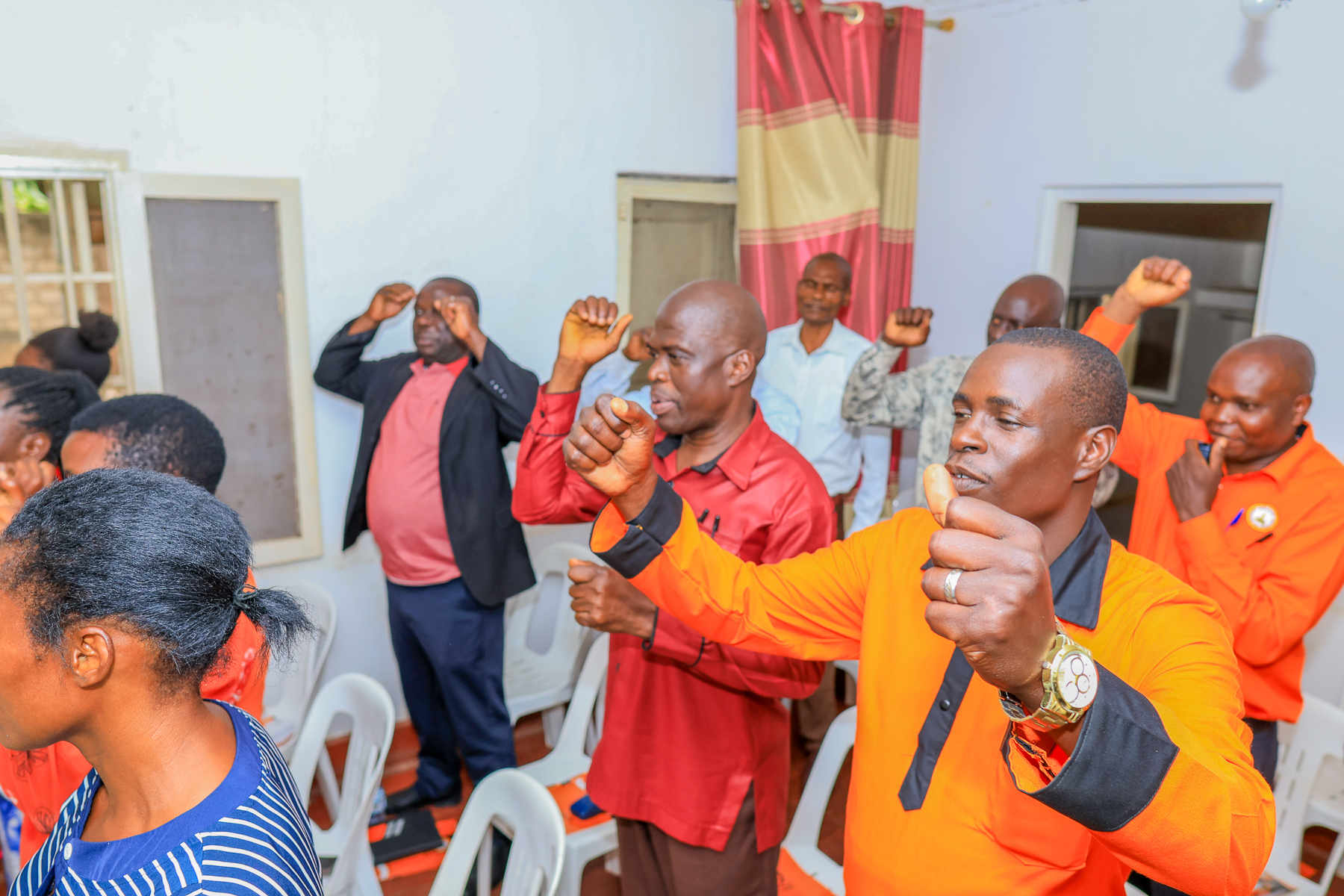
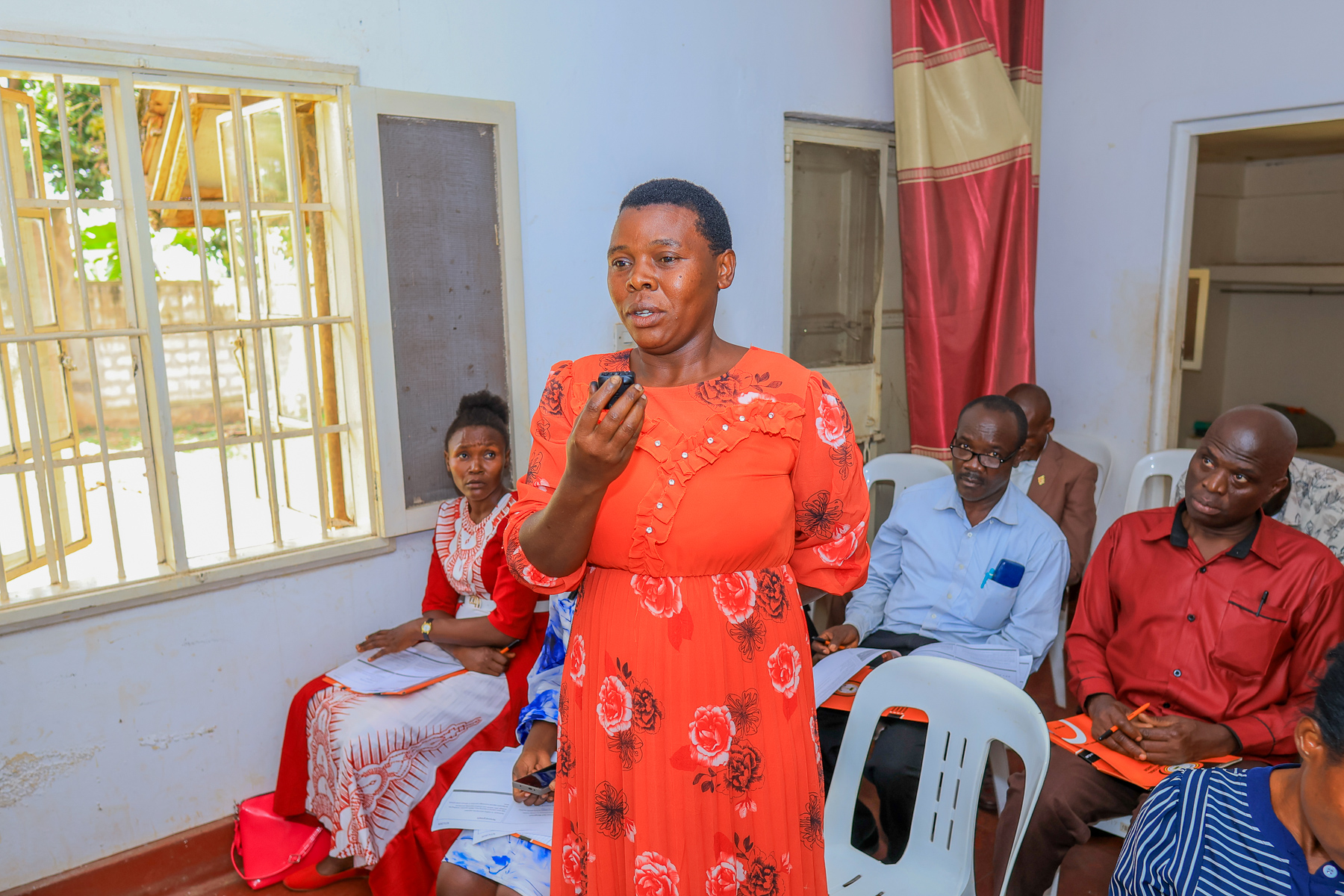
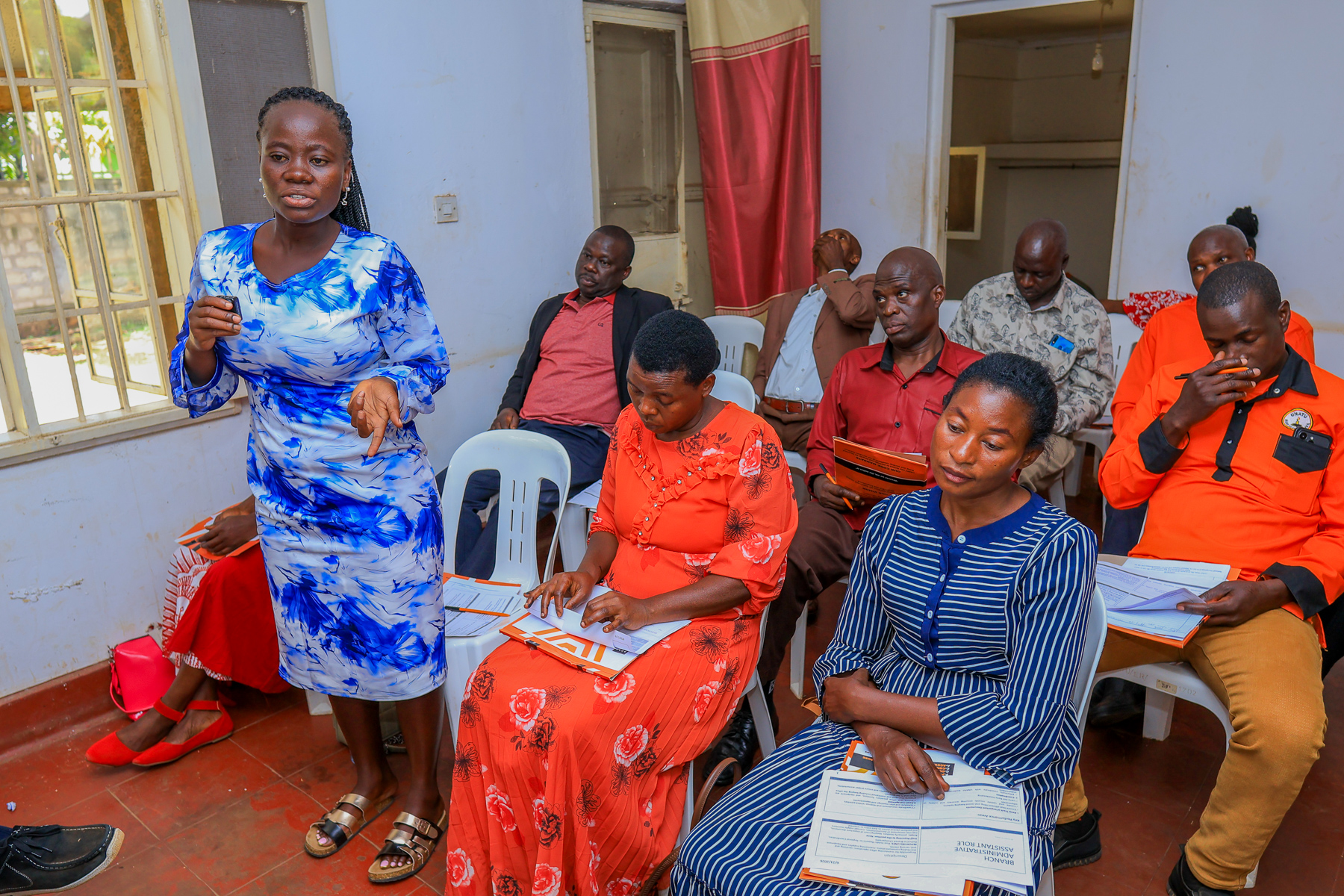
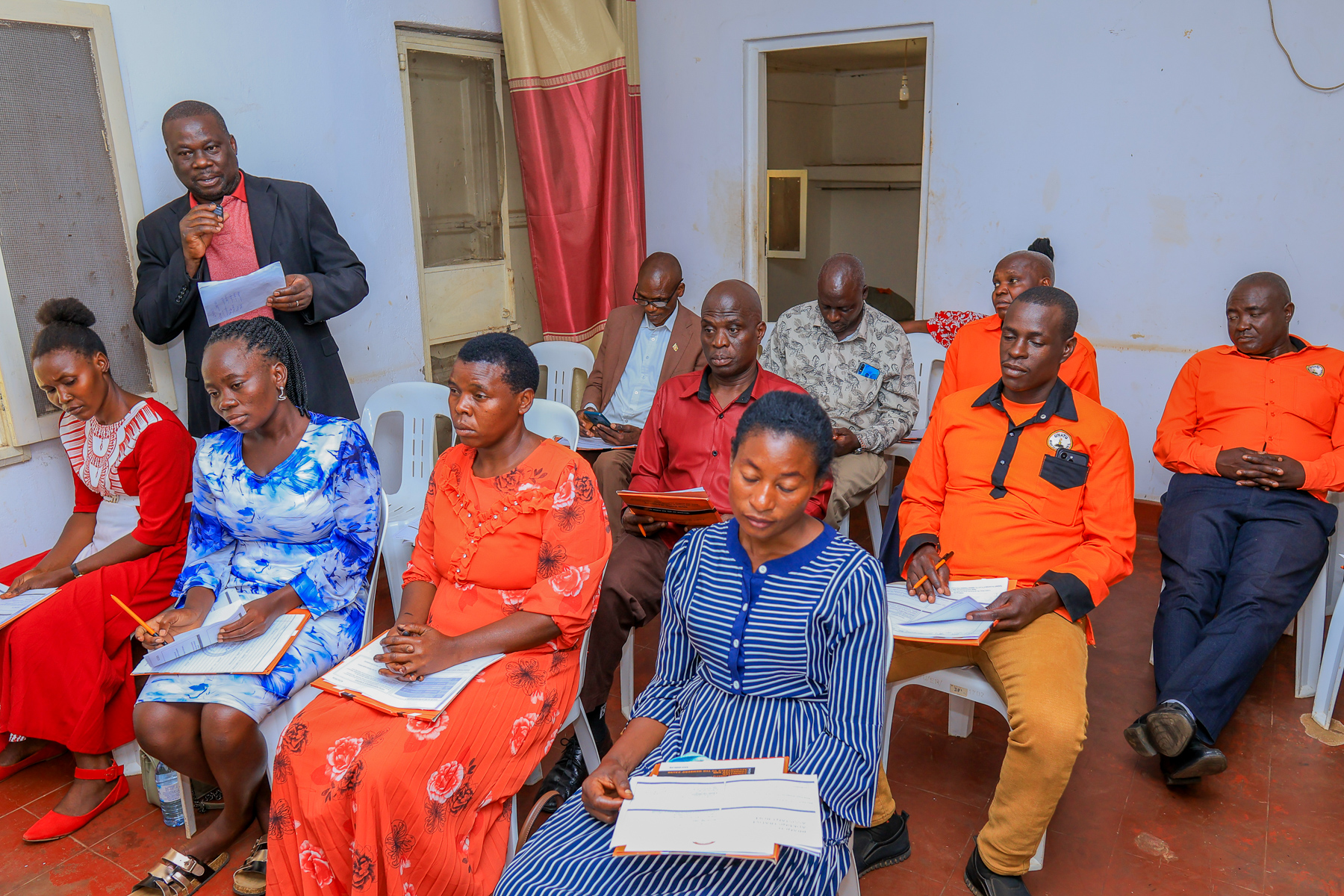
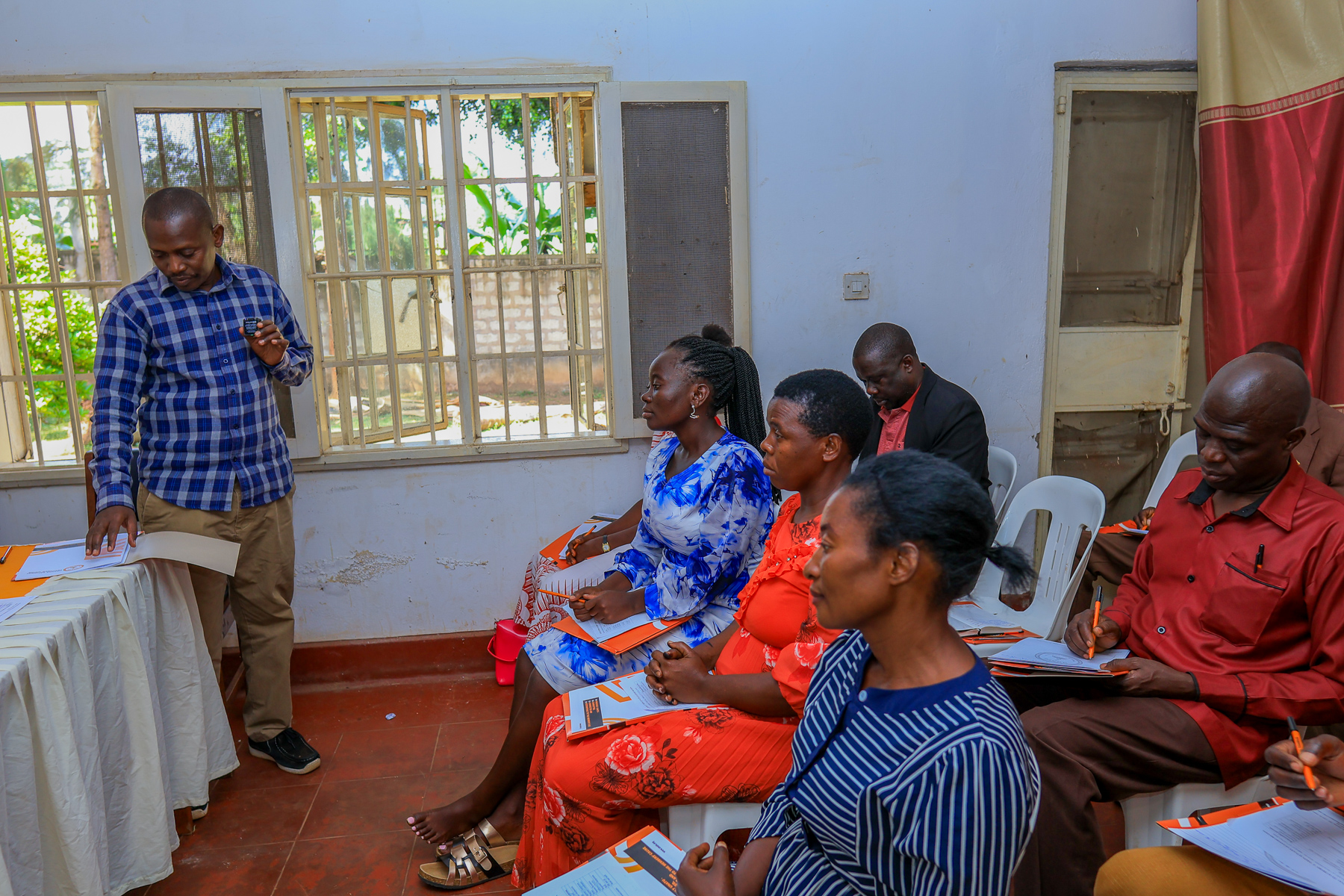
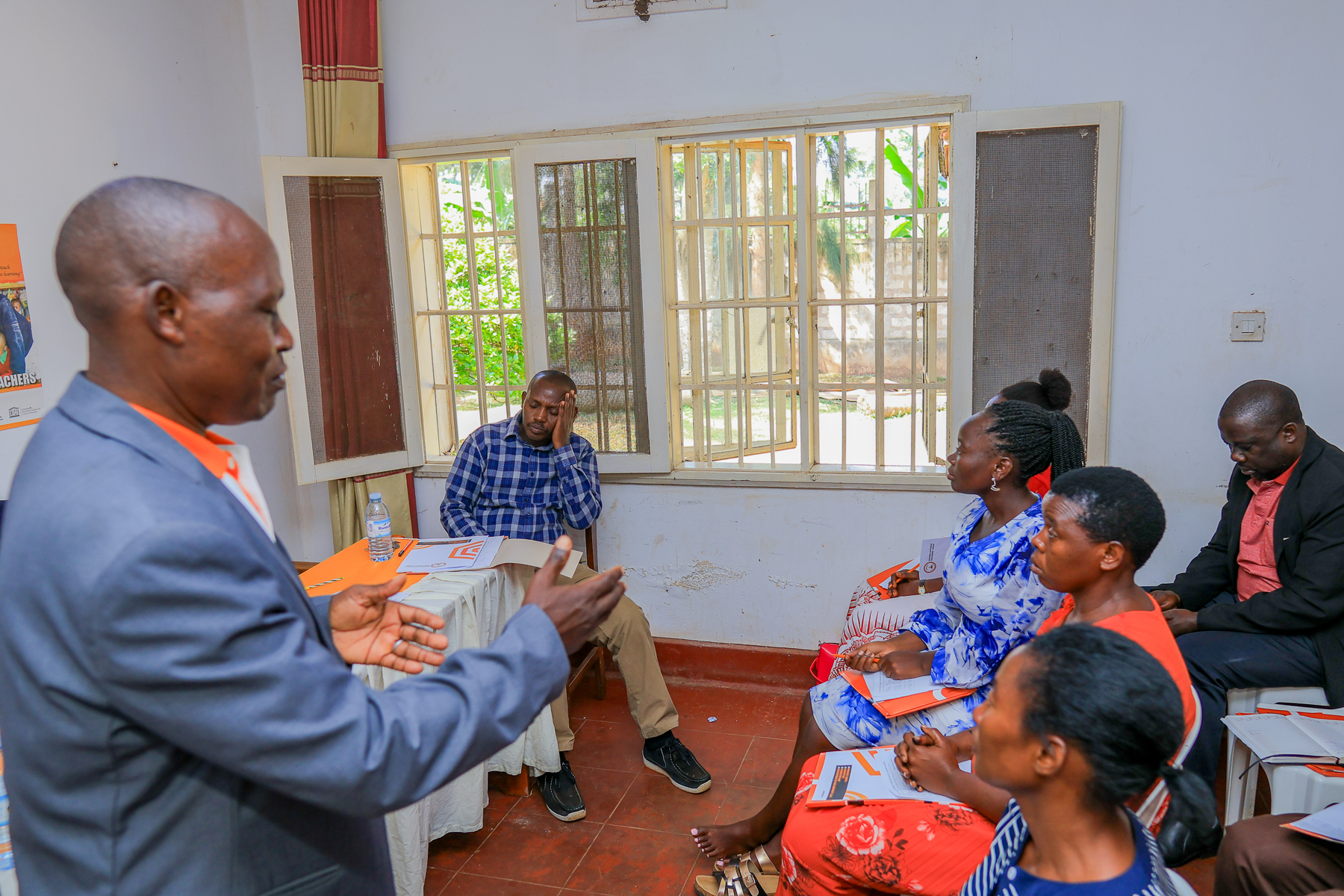
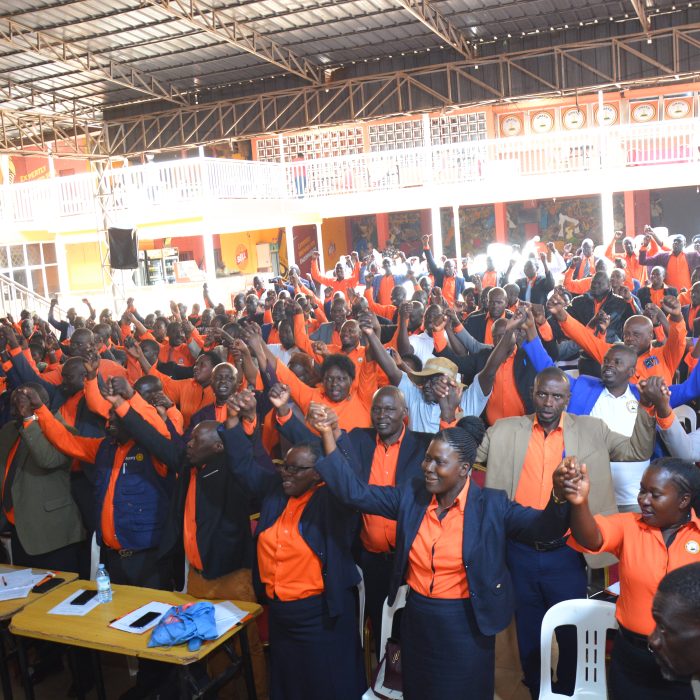
The call was made during a training and performance review meeting held on 21st June 2026 at the UNATU Eastern Regional Office in Mbale City.
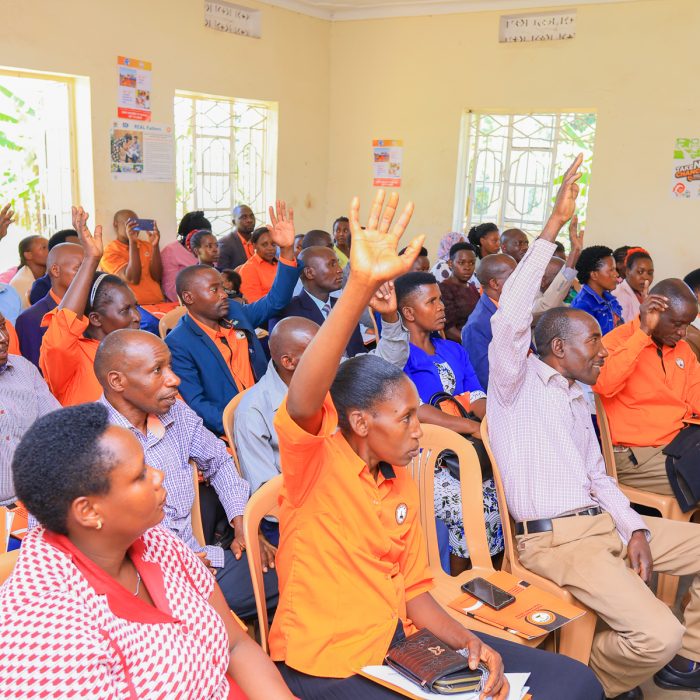
The engagement brought together branch administrative staff and leaders for a practical discussion on branch performance, recruitment, office administration, asset management, membership records, use of technology and the general role of branch offices in serving members effectively.
Beyond reviewing performance, the training was intentionally designed to empower branch staff to fully embrace their position as the first line of the Union at the grassroots. Participants were reminded that for many teachers, the branch office is UNATU. The quality of service, responsiveness and professionalism demonstrated at the branch level shape members’ confidence in the Union and determine how effectively teachers’ concerns are addressed.
Strengthening the Branch as the First Point of Service
The meeting placed strong emphasis on the role of branch offices as the first point of contact between UNATU and its members.
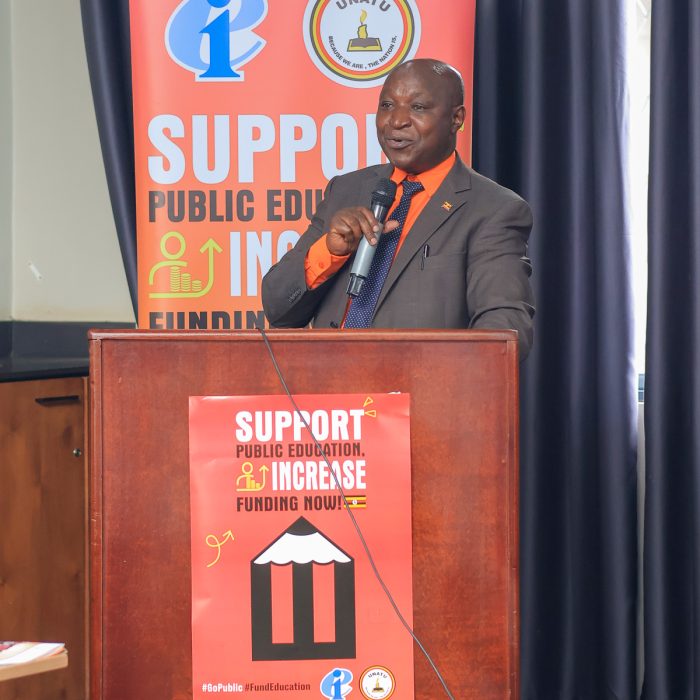
The Human Resource Officer, Abaru Pamela, reminded branch staff that their offices must be organised, responsive and well-informed, because members often rely on them for information, guidance and support.
She noted that branch staff should have a clear understanding of their areas of operation, including the number of schools, sub-counties, members, contacts and key district officials in their respective branches.
She challenged staff to move beyond routine office presence and become active service points that can guide members, support recruitment and provide reliable information about the Union.
Abaru further encouraged participants to see themselves not merely as administrators, but as ambassadors and frontline representatives of UNATU. As the first people members encounter when seeking assistance, branch staff were urged to demonstrate empathy, competence and initiative in responding to teachers’ needs and advancing the Union’s mission at the branch level.
Membership Data and Recruitment
A major focus of the meeting was the need for accurate, up-to-date and well-organised membership data.
Branch Administrative Assistants were encouraged to maintain updated membership registers showing schools, sub-counties, members and key contacts within their branches. They were also asked to display relevant branch information in their offices to make follow-up and service delivery easier.
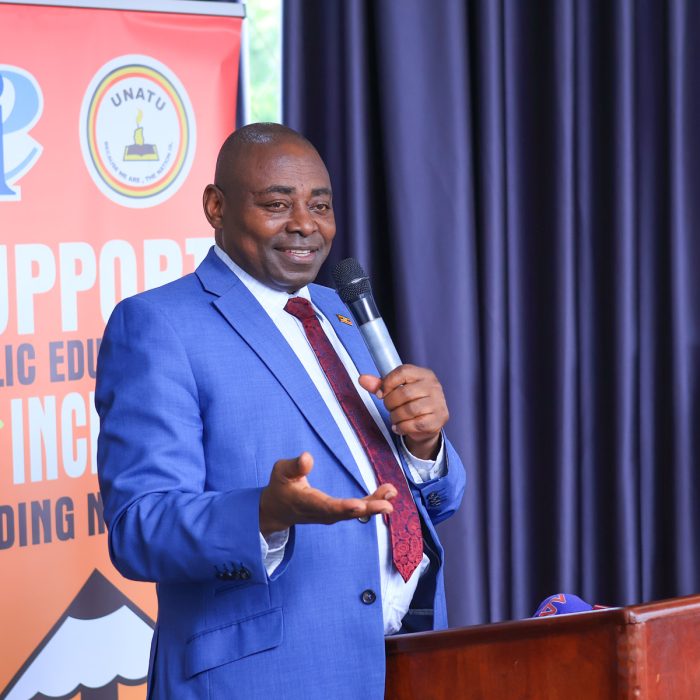
The General Secretary observed that gaps in membership data affect recruitment, mobilisation and the Union’s ability to respond effectively to members’ needs.
Staff were directed to compile lists of recruited members with names and IPPS numbers in Excel, submit both hard and soft copies to the District Education Officer for coding and follow up with Human Resource offices where necessary.
The Regional Coordinator was tasked with sharing the membership register format and supporting branch staff to improve data management, payroll tracking and membership analysis.
Branch staff were also encouraged to develop deliberate strategies to improve recruitment and retention, including following up with teachers who may have declined Union membership during industrial action.
Participants were reminded that effective recruitment begins with strong relationships and visibility at the branch level. By understanding the realities facing teachers in their districts and maintaining regular engagement with schools, branch staff can strengthen the Union’s presence and grow membership sustainably.
Technology as a Tool for Better Service
The General Secretary emphasised that branch staff must embrace technology in order to perform their duties effectively.
He noted that in the current information age, every branch staff member must be able to access online meetings, digital updates and official Union communication. Staff who did not have smartphones were encouraged to acquire them within two months to enable better communication and participation in Union activities.
Branch staff were also asked to connect to the UNATU website, familiarise themselves with Union information and use available digital platforms, including the website chatbot, to support members who raise questions about Union services and programmes.
The Regional Coordinator was requested to ensure that all branch staff are connected to UNATU online platforms and networks, and that they have the necessary access details by the end of the third quarter.
The adoption of technology was presented not simply as a modern convenience, but as an essential tool for frontline service delivery. Equipped with the right digital skills and access to information, branch staff can respond more quickly and accurately to members’ concerns.
Office Management and Asset Protection
The meeting also reviewed office management practices across branches, with particular attention to equipment care, asset registers and office procedures.
Branch staff were reminded to protect office equipment such as computers and printers by covering them with cloth at the end of each working day to prevent damage from dust.
They were also directed to label all Union assets in their offices and maintain an updated asset register. For assets that are no longer in use, such as old computers, branch staff were advised to prepare official reports and seek guidance from headquarters on proper disposal and write-off procedures.
The discussion also touched on office location challenges in some branches, especially where dust, access and tenancy issues affect operations. Staff and leaders were encouraged to raise such matters through the appropriate structures for guidance and action.
Participants were reminded that a well-managed office reflects the Union’s values and inspires confidence among members who seek support at the branch.
Attendance, Discipline and Professional Conduct
The General Secretary stressed the importance of discipline, proper attendance records and professional conduct among branch staff.
Starting from 22nd June 2026, branch offices were directed to maintain daily attendance registers as part of improving accountability and office management.
Branch staff were also reminded to use staff identification and corporate wear during official duties, especially when engaging district officials, schools and members.
The meeting further emphasised the need for branch staff to attend relevant Union meetings and other important engagements. Staff on leave, except those on sick leave, were encouraged to attend critical meetings where their participation is necessary, with the days attended added back to their leave where applicable.
Professional conduct, participants were told, is critical for those who represent the Union at the frontline. Every interaction with members and stakeholders contributes to the image and credibility of UNATU.
Building Relationships with District Officials
The training highlighted the need for branch staff to build strong working relationships with District Human Resource Officers, District Education Officers and other key district officials.
These relationships were described as important in resolving issues related to coding, recruitment, payroll concerns and member support.
The Regional Coordinator and Regional Chairperson were asked to support follow-up visits to selected branches, including Butaleja, Mbale City and Tororo, to help address membership issues, HR-related matters and coding challenges with district officials.
Branch staff were also encouraged to carry themselves professionally during official visits and ensure that they represent UNATU with clarity, confidence and proper documentation.
As the Union’s representatives within their districts, branch staff were encouraged to cultivate trust and credibility with stakeholders to ensure that members receive timely support and effective advocacy.
Strengthening Savings and Financial Discipline
The meeting also discussed the importance of financial discipline and participation in Union-supported savings structures.
Branch staff were encouraged to join the UNATU SACCO and to promote a savings culture among members and staff. They were further encouraged to arrange salary savings deductions through the appropriate procedures.
The General Secretary noted that strong savings systems can support members’ access to affordable credit and reduce dependence on unfavourable borrowing options.
The discussion also addressed concerns around financial accountability and the need for proper documentation, transparency and adherence to Union policies.
Improving Reports and Value for Money
The quality of monthly reports and branch activity updates was also discussed.
The Regional Coordinator was tasked with double-checking and analysing reports submitted by branch staff to ensure that they contain meaningful information, reflect actual work done and provide value for money.
Branch staff were reminded that reports should not be submitted merely as a routine requirement, but should help the Union understand branch activities, challenges, recruitment progress, member concerns and areas requiring support.
Effective reporting was also highlighted as a leadership responsibility that enables the Union to make informed decisions and provide targeted support to branches.
A Call for Improved Performance
The meeting revealed several gaps in branch office management, membership tracking, recruitment, technology use and staff preparedness.
However, it also provided an opportunity for staff to reflect on their responsibilities and commit to improving performance.
Branch Administrative Assistants pledged to demonstrate significant improvement in membership data management, office organisation and recruitment by the end of the third quarter.
The General Secretary further proposed that future staff contract renewals should include an aptitude test to assess the competence and preparedness of current branch staff before renewal.
Successful staff from stronger branches, such as Namayingo, were also identified as potential master trainers who can support underperforming branches in recruitment and data management.
Participants left the training with a renewed appreciation of their strategic role within the Union and a commitment to serve members with greater confidence, initiative and professionalism.
Conclusion
The Eastern Region Branch Staff and Chairpersons training was a practical reminder that strong Union service begins with strong branch offices.
It was also an investment in empowering branch staff to truly step into their role as the first line of the Union at the branch level. Teachers often judge the effectiveness of UNATU through the support they receive from their local offices. For this reason, branch staff must be equipped not only with administrative skills, but also with the knowledge, confidence and leadership required to represent the Union effectively.
For UNATU to serve members effectively, branch staff must be informed, organised, technologically prepared and accountable. They must know their members, understand their areas of operation, maintain proper records and build meaningful relationships with schools and district officials.
As participants returned to their branches, they were challenged to improve office systems, strengthen recruitment, update membership records and embrace a higher standard of service.
A well-managed branch office does not only support administration. It strengthens the Union’s connection with its members, empowers teachers at the grassroots and ensures that the Union remains visible, responsive and relevant where it matters most.




Other posts






This will surely help them to understand the union, thanks for organizing
Well done David and team in Eastern, i pray and hope we follow soon