2nd October, 2024 | Tooro Royal Cottages, Kyenjojo
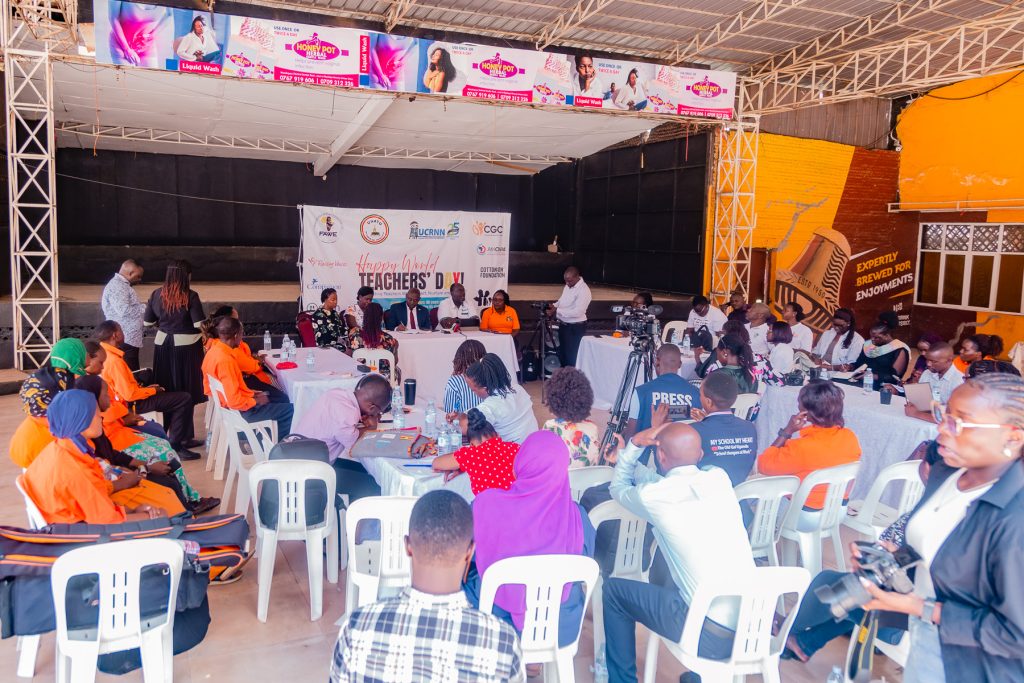
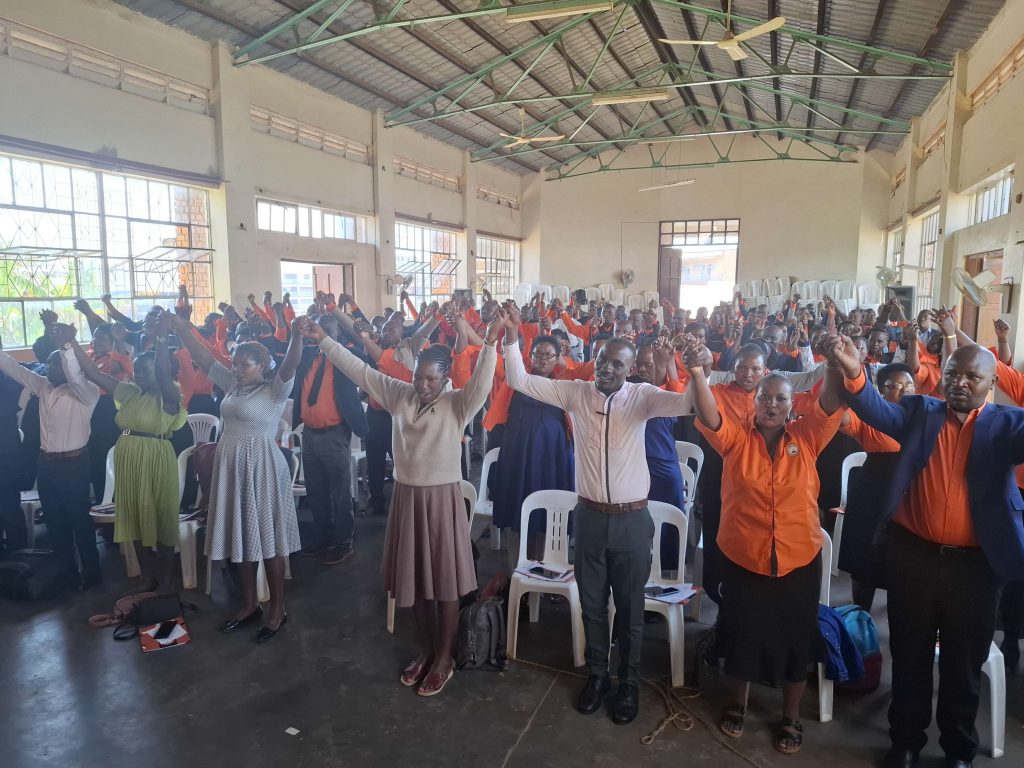
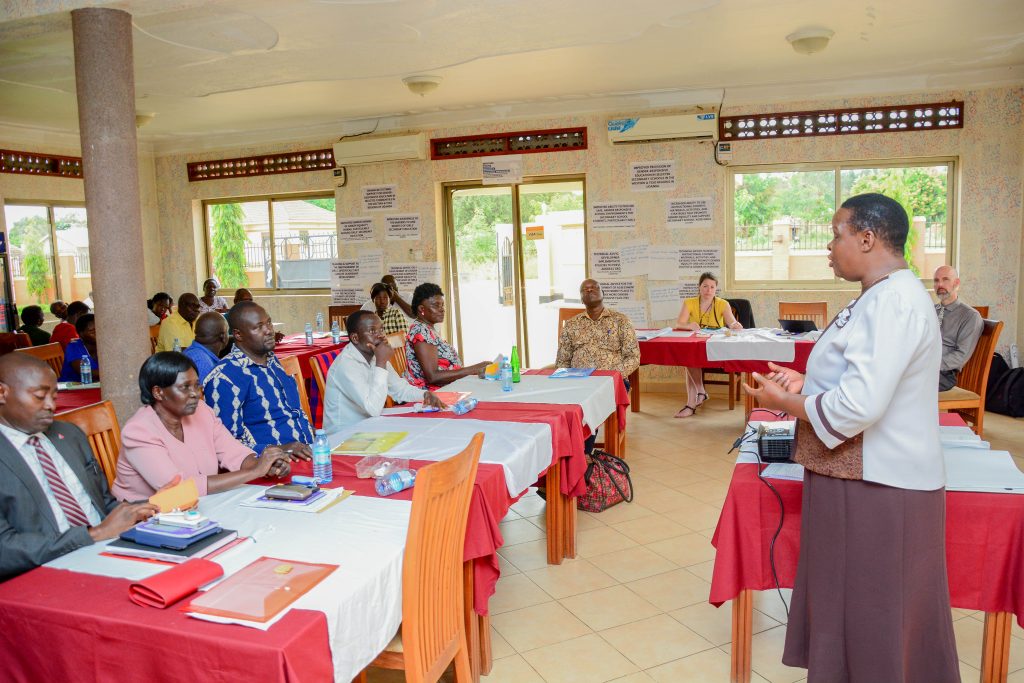
The Simameni Project’s two-day workshop on School-Related Gender-Based Violence (SRGBV) prevention commenced at Tooro Royal Cottages, focusing on equipping Board of Governors (BoGs), Parents Teachers Associations (PTAs), and School Committee members from Kibale and Kyegegwa districts on day 1 with the necessary skills and knowledge to tackle SRGBV in their schools. Organized by UNATU, this initiative continues to address key challenges facing students, especially in promoting safer and more inclusive learning environments.
Opening Remarks and Workshop Objectives
Kabagaya Hellen, Simameni Western Program Officer, kicked off the workshop by highlighting the purpose and objectives. The workshop aimed to build the capacity of school management committee members, particularly BoG and PTA representatives, to address SRGBV. The objectives included:
- Strengthening participants’ understanding of Gender-Based Violence (GBV) and its impact on education for both boys and girls.
- Equipping participants to support school and community policies addressing GBV.
- Empowering participants to create safer school communities.
Remarks from Key Figures
David Mugenyi, Western Regional Chairperson, welcomed the participants and expressed appreciation for their time. He emphasized that UNATU’s mission is to fight for teachers’ rights and welfare. Mugenyi also addressed the issue of selective salary enhancement and warned that if the government fails to address this by next year, UNATU may take industrial action, urging BoGs and PTAs to support their teachers. He also highlighted that the Simameni project benefits both girls and boys, calling for continued engagement beyond the project’s conclusion.
Mbabazi Joseline Olimi, Senior Probation Officer, spoke on Gender-Based Violence, its manifestations, and perpetrators in schools and communities. She provided critical statistics from 2022 and outlined various forms of GBV, such as physical violence, child sexual abuse, forced marriages, and psychological abuse. She stressed the importance of community involvement, policy enforcement, and male engagement in addressing GBV. She reminded participants that gender-based violence is a broad issue that requires collective efforts from various actors, including religious leaders, local governments, and civil society organizations.
Aja Joan, Gender Officer from UNATU, led a session on the role of BoG and PTA committee members in preventing SRGBV. Participants reflected on how their specific roles could address SRGBV in their respective schools and communities. The session stressed the importance of proper resource utilization, follow-up on learners, and creating safe and supportive environments for both boys and girls.
Presentation by Police: Support and Reporting of GBV Cases
Agnes Okidi from the Child and Family Protection Unit (CFPU) gave a critical presentation on the role of police in supporting victims and reporting GBV cases. She emphasized the need for a supportive and comforting environment for victims and urged that the first step in GBV cases should be seeking medical care. Agnes noted that many victims might not feel comfortable approaching their parents or teachers, but they can confide in health workers. She also stressed that teachers and parents play an essential role in early detection and reporting of such cases to safeguard the well-being of the children.
Closing Remarks by General Secretary, Baguma Filbert Bates
In his closing remarks, General Secretary Baguma Filbert Bates thanked the participants for their attendance and active participation. He emphasized the importance of supporting every child, as outlined in Article 30 of the Constitution, which guarantees every child’s right to education. Baguma highlighted the challenges of modern parenting, especially with the widespread use of smartphones by children, and urged parents to be cautious and supportive.
He called on leaders and parents to ensure that girl children, particularly those who became pregnant without their consent, receive support to complete their education. Baguma also noted that the responsibility for supporting education should not solely fall on women, as men often control resources necessary for implementing decisions.
The GS expressed concern over the increase in teenage marriages, urging parents and leaders to actively support education efforts. He also reminded participants that although the Simameni program may be nearing its conclusion, the knowledge gained will serve as a foundation for future improvements in education. He encouraged parents, teachers, and leaders to lobby for better school facilities and to take an active role in securing the future of their children.
District Inspector of Schools, Kibale – Kisembo Andrew
Kisembo Andrew, District Inspector of Schools, Kibale, expressed his gratitude to the participants and UNATU for their efforts in the Simameni project, which has made a significant impact in schools. He noted that in project schools, boys have even learned to make reusable pads, a skill previously associated with girls. Kisembo emphasized the importance of implementing the action plans from the workshop and encouraged participants, especially those in leadership positions, to advocate for SRGBV prevention measures in their communities.
He highlighted the support available through a local radio station owned by the Minister of Finance, which offers weekly airtime to promote educational issues, including SRGBV. Kisembo also conveyed an apology on behalf of the District Education Officer of Kibale, who was unable to attend the workshop.
The day concluded with group discussions, where participants shared ideas on creating safer schools. These reflections underscored the importance of collaboration between school management, teachers, and parents in addressing GBV, supporting victims, and ensuring a brighter future for all students.
As the Simameni project continues its work, workshops like this serve as a reminder of the collective responsibility of communities to safeguard their children’s right to education, free from the threat of gender-based violence.