


Event Date: 25th November 2024
Venue: Elgon Palace, Mbale City
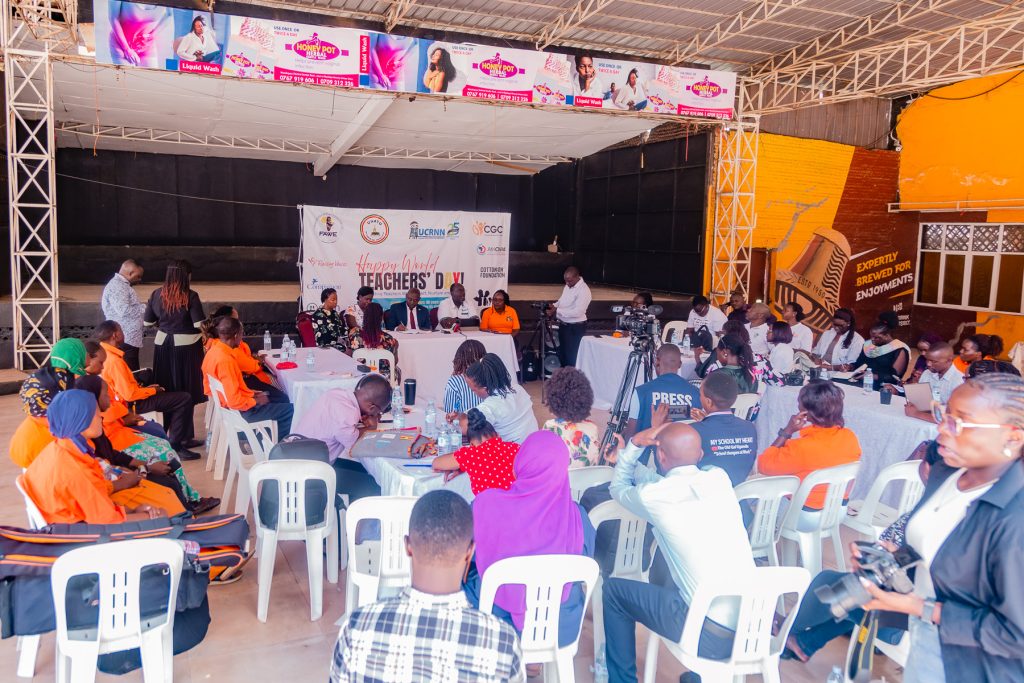
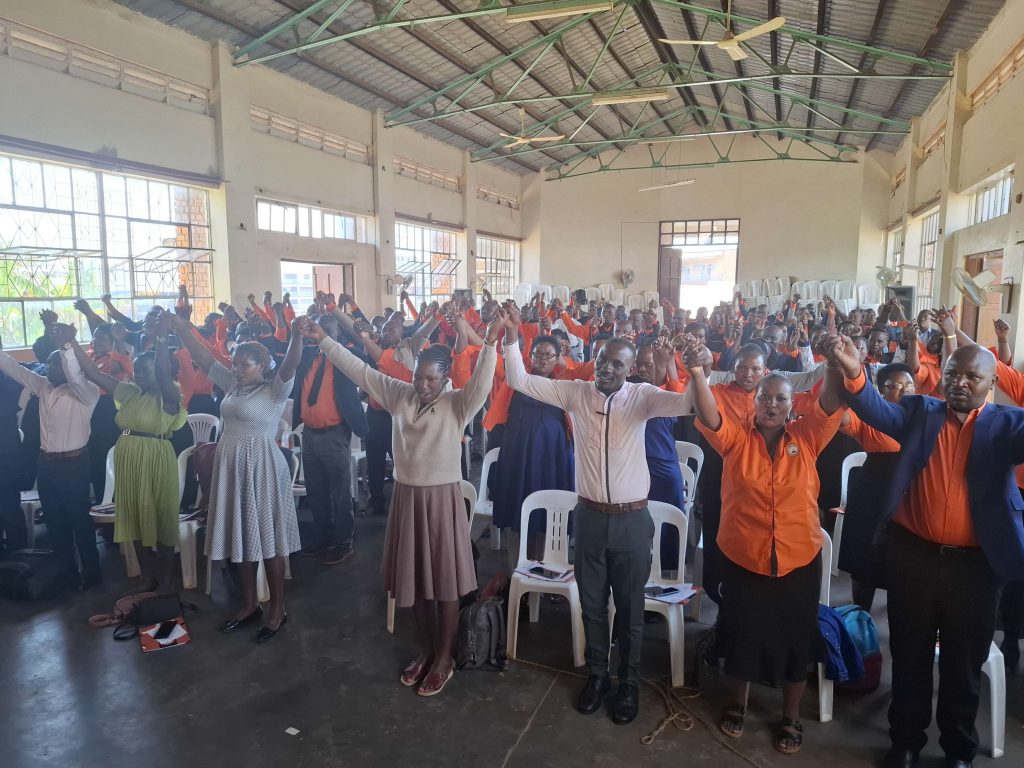
On 25th November 2024, Elgon Palace in Mbale City hosted the Women’s Round Table Conference for the Eastern Region, bringing together female leaders from UNATU, secondary school teachers, the Eastern Regional leadership, National Executive Council representatives, and the Gender Officer. This transformative one-day event focused on promoting women’s leadership and addressing gender biases within the education sector, creating a platform for meaningful dialogue and actionable solutions.

Welcome Message from the Host Branch Chair
Majeme Christopher, the host UNATU Branch Chairperson, Mbale City and Master of Ceremonies, warmly welcomed participants, encouraging open and meaningful engagement throughout the conference.
Expectations, Fears, and Ground Rules
Nahire Margaret, the Regional Secretary for Women Affairs, praised the efforts behind organizing the event and reflected on the successes of previous conferences. She outlined the expectations and ground rules for the day as given by the participants, while attentively capturing participants’ concerns to ensure a productive discussion.

Opening Remarks from the Regional Chairperson
Barasa Samuel, the Regional Chairperson, welcomed the participants and emphasized the importance of sharing knowledge from the conference to inspire broader change. He introduced the regional leadership team and commended the Gender Officer for her passionate efforts to address gender issues. His call to action encouraged participants to leverage the knowledge shared to empower their communities.

Presentation by the Gender Officer
Aja Joan, the Gender Officer, delivered an insightful presentation on the conference’s context and purpose, revisiting resolutions from the 2023 Women’s Round Table Conference. She highlighted initiatives such as mentorship programs, virtual training sessions, and resource mobilization for women empowerment. Joan also facilitated a session on gender biases, asking the participants to discuss their community Gender biases using an analogy of a tree to explore systemic challenges like limited leadership opportunities, inheritance discrimination, and sexual harassment. She applauded participants for their vivid presentations and meaningful contributions.

Presentation by the General Secretary
Baguma Filbert Bates, the General Secretary, delivered an insightful presentation that covered human and women’s rights, linking them to Uganda’s Constitution and international frameworks like the African Charter and CEDAW. He emphasized the importance of gender equality in education and society, elaborating on rights such as land ownership, property inheritance, and the creation of wills to secure family interests. Baguma also facilitated a session on various leave policies, including maternity, study, and compassionate leave. Regarding retirement, he explained the mandatory retirement age of 60 and highlighted options specific to female teachers, such as retirement on marriage grounds after five years of service. He also explained details on pension eligibility. The GS closed by urging participants to value their roles as educators, unite under the union, and advocate for the rights and welfare of all teachers.
Plenary Session
The plenary session was vibrant, with participants expressing heartfelt appreciation for the event and voicing concerns about salary disparities, financial challenges, and policy implementation. The General Secretary thoughtfully addressed these issues, advocating for savings, collaboration, and union solidarity.
Call to Action
Natamanya Rose, the National Representative for Primary Education, encouraged participants to share the knowledge gained and actively recruit new members into the union. She also unveiled plans for the upcoming 19th ADC, highlighting innovative initiatives such as liquid soap production by delegates.

Closing Remarks
Margaret Tsemoi, the Inspector for Special Needs in Mbale City, delivered a compelling closing address on entrepreneurship and stress management. She urged women to embrace business opportunities, take risks, cascade information to other teachers and serve as role models for younger teachers. Her emphasis on collaboration with male counterparts highlights the importance of unity in advancing education and leadership.
Conclusion
The Women’s Round Table Conference was a testament to UNATU’s commitment to empowering women and addressing systemic challenges within the education sector. Participants left inspired, equipped with knowledge, and ready to champion positive change in their communities. This event was a rallying cry for women to rise, support one another, and seize leadership opportunities.






Pingback: UNATU Launches Campaign Against School-Related Gender-Based Violence - UNATU