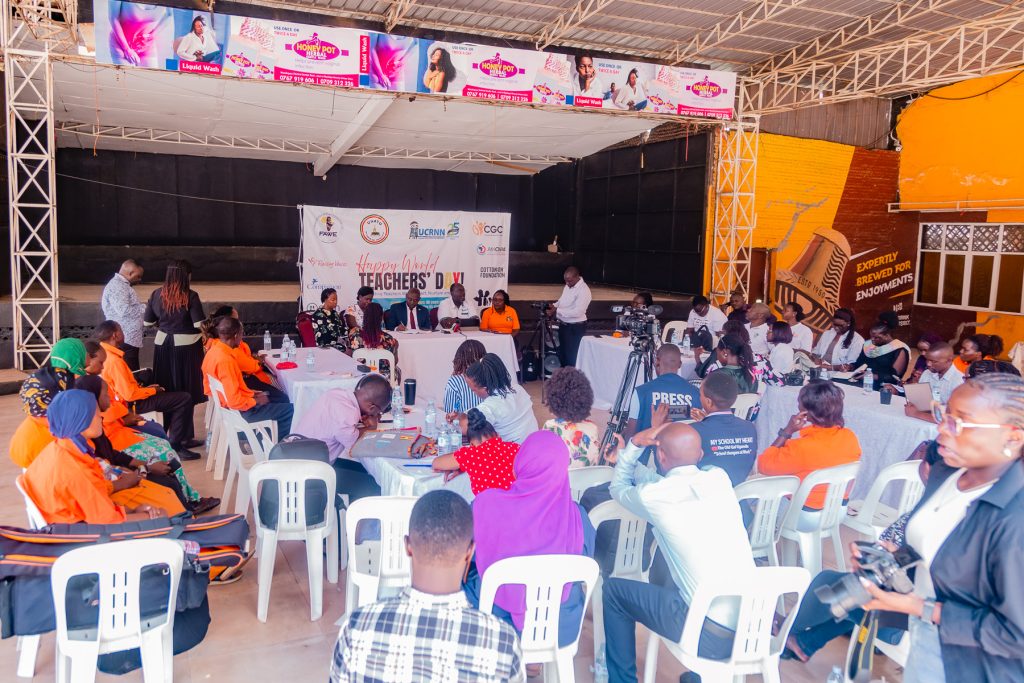
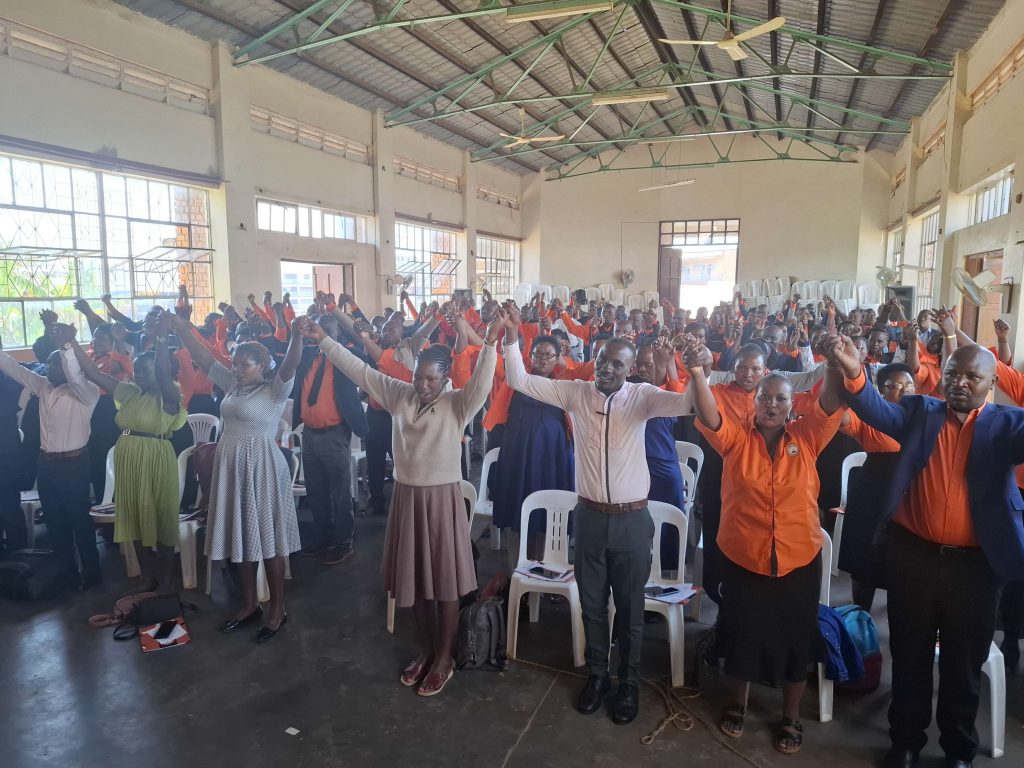
Moroto District, 18th March 2026 — The Uganda National Teachers’ Union (UNATU) convened a Regional Stakeholder Engagement Meeting for the Karamoja Region at the Commercial Board Room in Moroto District, bringing together key actors in the education sector to reflect on the state of teachers and collectively chart a way forward.
The annual engagement brought together strategic partners, branch chairpersons, the Regional Coordinator, and the UNATU General Secretary, forming a diverse and influential forum committed to addressing the challenges affecting teachers and strengthening the union’s impact in the region. The meeting served as both a reflection point and a strategic planning platform, anchored on dialogue, collaboration, and shared responsibility.
Creating Space for Dialogue and Shared Experiences
In his opening remarks, the Regional Chairperson welcomed participants and emphasized the importance of active participation and honest engagement. He encouraged attendees to share their experiences openly, noting that the realities faced by teachers on the ground must inform the union’s strategies and interventions.
He highlighted that the Karamoja region presents unique challenges that require context-specific solutions, and therefore, the voices of local stakeholders are critical in shaping meaningful and sustainable responses.
The Chairperson further reiterated that the engagement was not merely ceremonial but a working session designed to generate actionable insights that would directly benefit teachers across the region.
Positioning the Engagement as a Strategic Platform
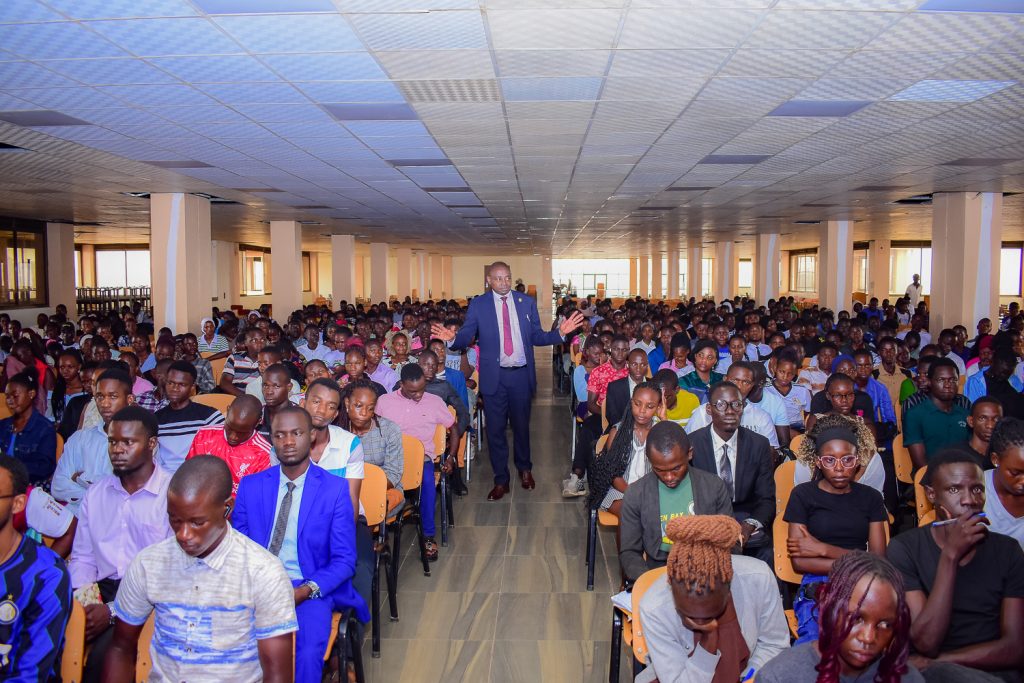
Delivering the keynote presentation, the UNATU General Secretary highlighted the purpose of the meeting as a strategic platform for dialogue and collaboration. He noted that such engagements are central to the union’s approach in ensuring that decisions and advocacy efforts are informed by real challenges faced by teachers.
He reminded participants that the annual meeting plays a dual role: it serves as an opportunity to assess the current state of teacher welfare while also enabling stakeholders to forge a clear and practical way forward for both teachers and the union within the region.
The General Secretary emphasized that the strength of the union lies in its ability to listen, adapt, and respond to the evolving needs of its members. He encouraged participants to view the meeting as a collective responsibility to contribute ideas, share solutions, and strengthen partnerships.
Highlighting Critical Challenges Affecting Teachers
A key focus of the General Secretary’s presentation was the identification of pressing issues affecting teachers in the Karamoja region and across the country. Among the major concerns raised was teacher mortality, which he described as a growing concern that requires urgent attention.
He called for increased awareness around health and well-being, as well as the development of support systems that can help mitigate preventable health-related challenges among teachers.
The issue of financial vulnerability was also highlighted as a significant challenge. The General Secretary noted that many teachers continue to face financial pressures that affect not only their personal well-being but also their professional effectiveness. He emphasized the need for financial literacy initiatives and support mechanisms that can empower teachers to manage their finances more effectively.
In addition, he pointed out the growing importance of digital literacy, particularly as the education sector continues to adopt digital systems and platforms. He observed that many teachers in the region face challenges in adapting to these changes, which can limit their ability to fully engage with new systems and opportunities.
To address this, he called for targeted capacity-building initiatives that equip teachers with the necessary skills to navigate an increasingly digital environment.
Addressing Salary Concerns and Managing Expectations
The General Secretary also addressed ongoing discussions and concerns surrounding salary increments. He clarified that while there have been circulating rumors, it is important for teachers to rely on official communication channels for accurate information.
He reaffirmed UNATU’s continued commitment to advocating for equitable and fair remuneration for all teachers, emphasizing that the union remains actively engaged in discussions aimed at improving teacher welfare.
By addressing these concerns directly, the General Secretary sought to manage expectations while reinforcing trust between the union and its members.
Promoting Health and Psychosocial Well-being
Beyond financial and structural challenges, the General Secretary placed strong emphasis on the importance of health and psychosocial well-being among teachers. He noted that many teachers, particularly men, often delay or avoid seeking medical attention, which can lead to serious health complications.
He encouraged stakeholders to promote a culture of regular health check-ups and to support initiatives that provide psychosocial support for teachers. This, he noted, is essential not only for individual well-being but also for maintaining a productive and resilient teaching workforce.
Strengthening Partnerships for Collective Impact
The engagement also provided an opportunity for strategic partners to share their perspectives. A representative of the partners in the Karamoja region commended UNATU for its commitment to consistent engagement through annual meetings, noting that such platforms are essential for maintaining strong collaboration.
He reaffirmed the partners’ willingness to continue supporting initiatives aimed at addressing teacher challenges and improving education outcomes in the region.
However, he also raised several critical issues observed within the teaching community, including alcoholism and absenteeism, which continue to affect performance and service delivery in schools.
Additionally, he highlighted challenges related to the transition to the Human Capital Management (HCM) system, noting that some teachers and institutions are still struggling to adapt, particularly in areas related to membership management and system utilization.
These concerns underscored the need for joint interventions that address both systemic and behavioral challenges, as well as continuous support to ensure smooth transitions in policy and systems.
A Shared Vision for the Future
Throughout the engagement, a common theme emerged: the need for collective responsibility and sustained collaboration. Participants recognized that addressing the challenges facing teachers requires coordinated efforts from the union, government, partners, and the teachers themselves.
The meeting concluded with a renewed commitment to strengthening partnerships, enhancing communication, and implementing practical solutions that respond to the realities of the region.
Participants agreed on the importance of continuing such engagements and ensuring that the insights generated are translated into actionable strategies that can improve teacher welfare and the overall quality of education.
Conclusion
The Regional Stakeholder Engagement Meeting in Moroto District reaffirmed UNATU’s commitment to inclusive dialogue, evidence-based advocacy, and strategic collaboration. By bringing together key stakeholders, the union continues to create platforms that not only highlight challenges but also drive meaningful solutions.
As the Karamoja region navigates its unique context, such engagements remain critical in ensuring that teachers are supported, empowered, and equipped to deliver quality education.
Ultimately, the meeting served as a reminder that the strength of the education system lies in the well-being and empowerment of its teachers—and that through collective effort, sustainable progress is achievable.


Other posts