Mbale City | 20th June 2026
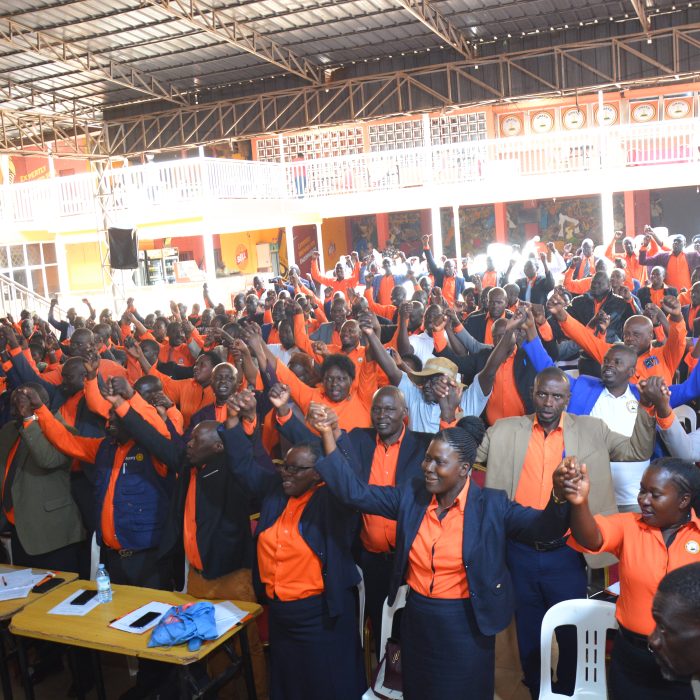
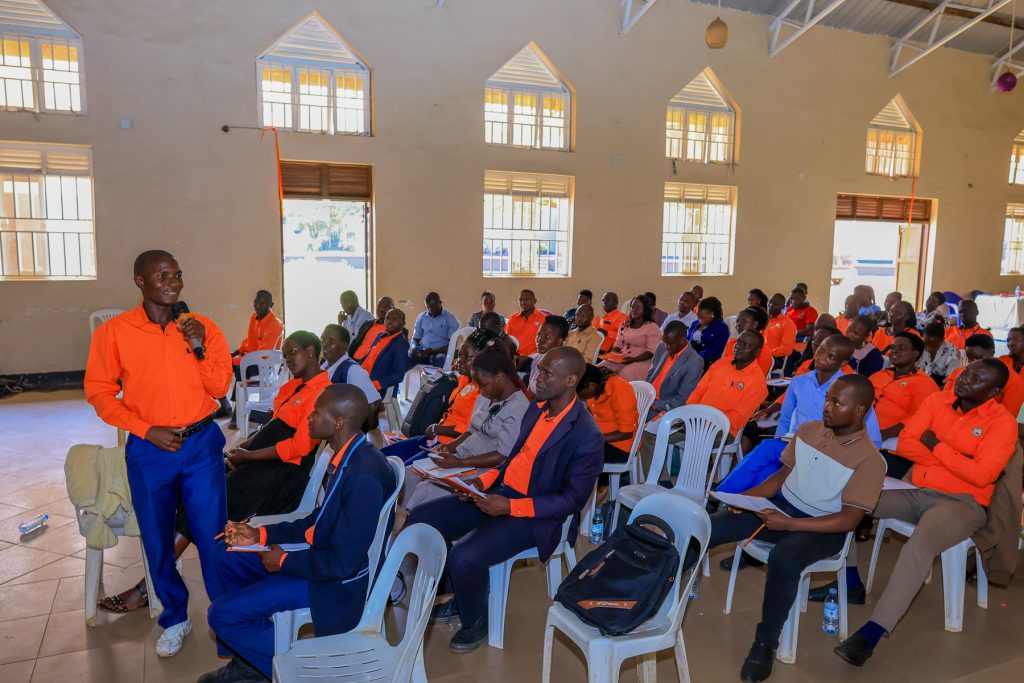
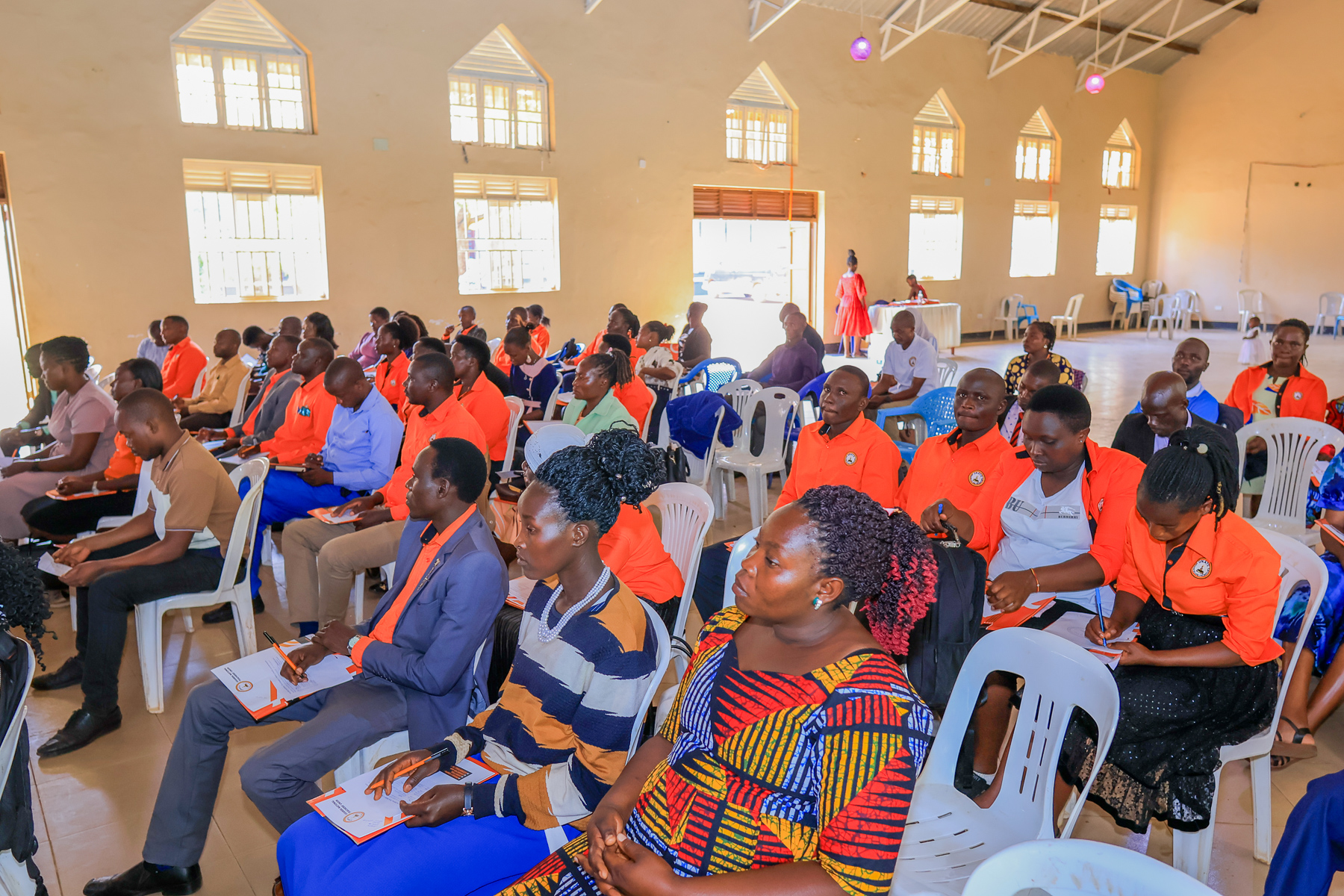
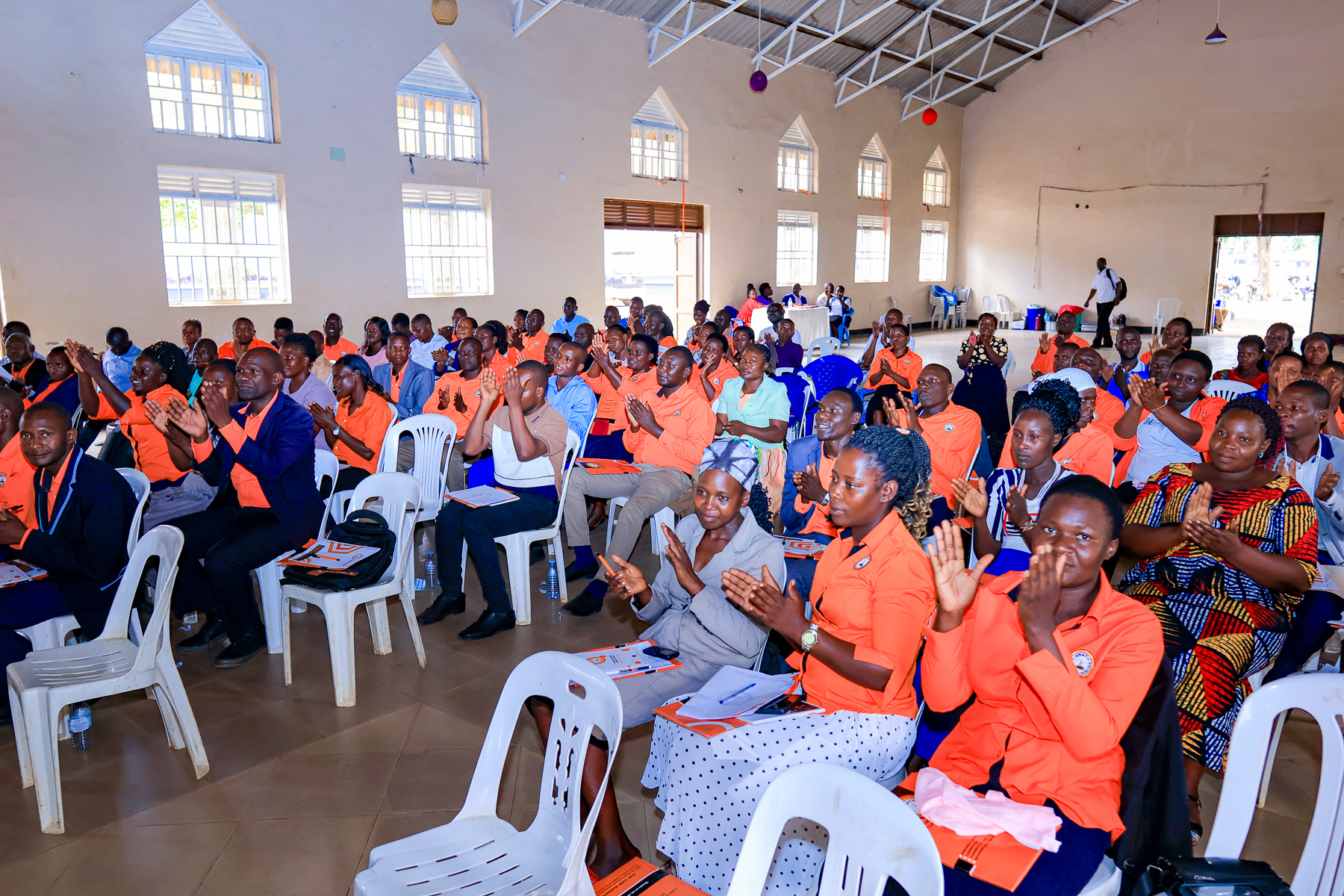
A total of 112 youth teachers from across UNATU’s Eastern Region have been encouraged to actively participate in Union work, embrace leadership opportunities and position themselves as 21st-century educators who are informed, skilled and ready to contribute to the growth of the teaching profession.
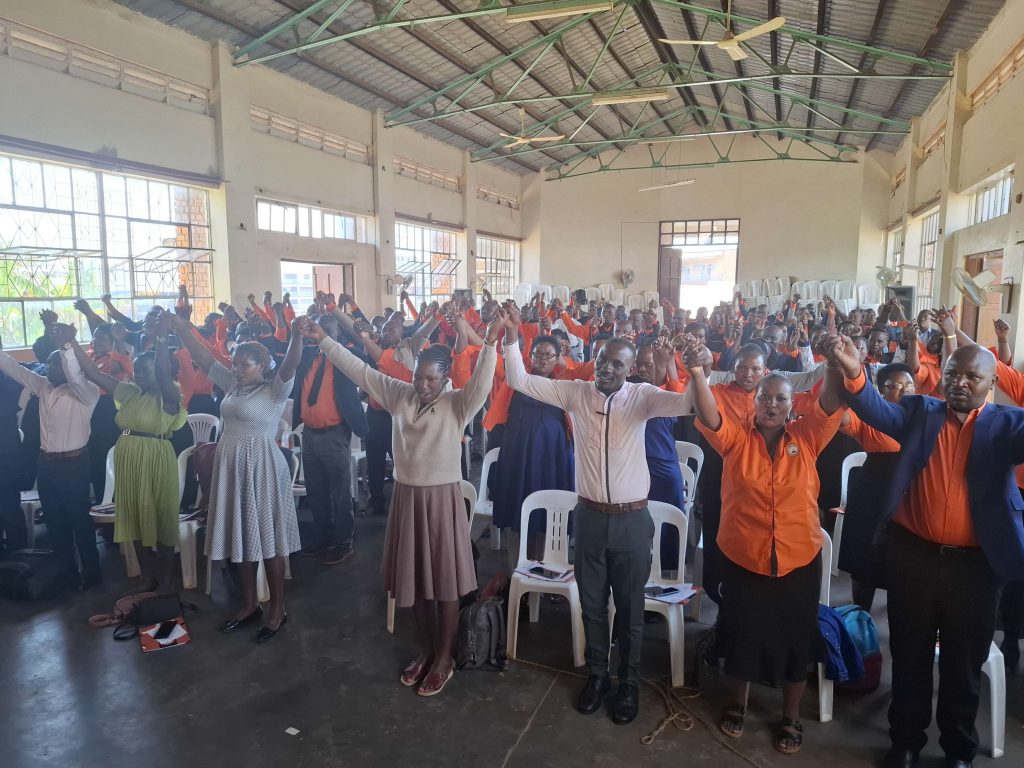
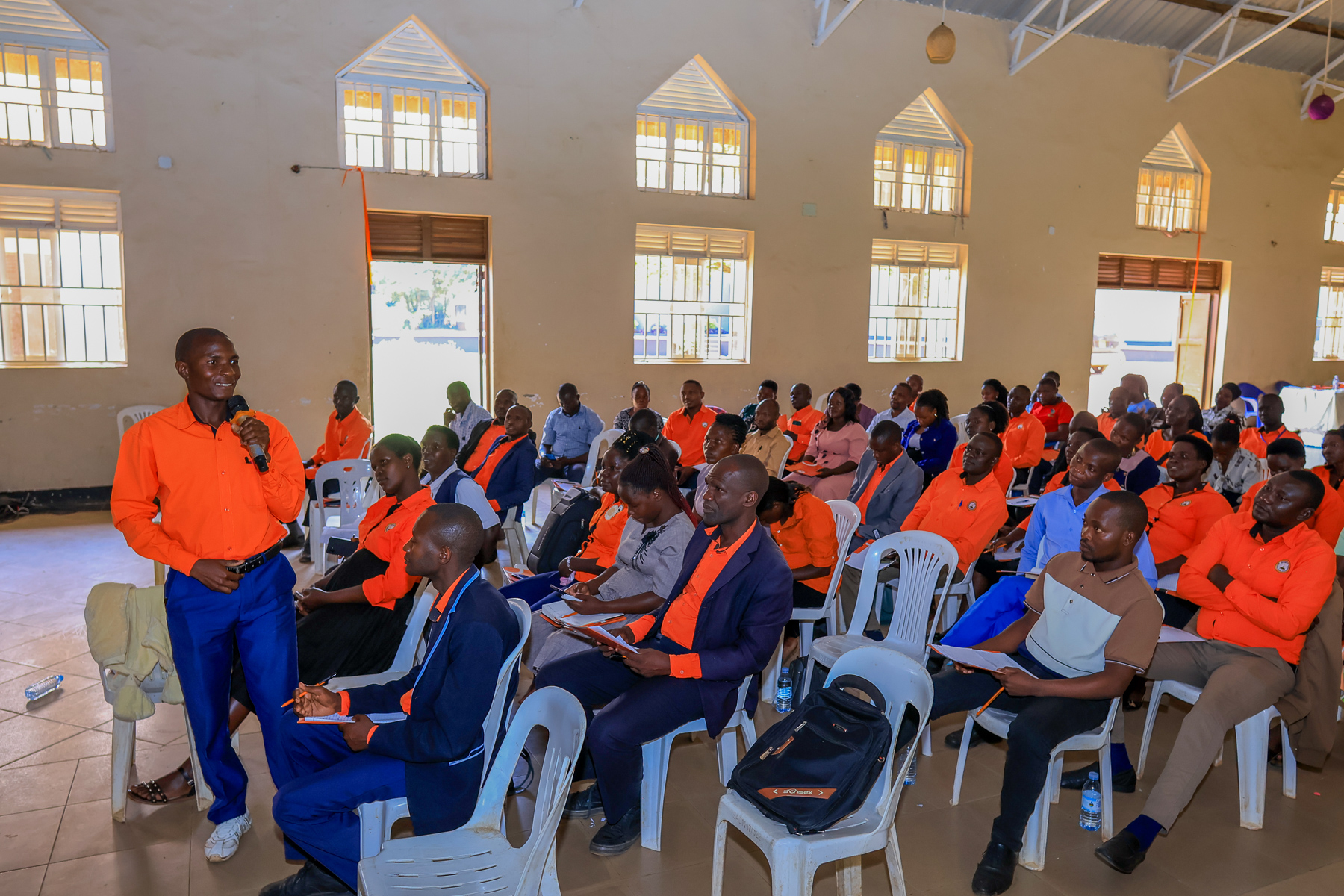
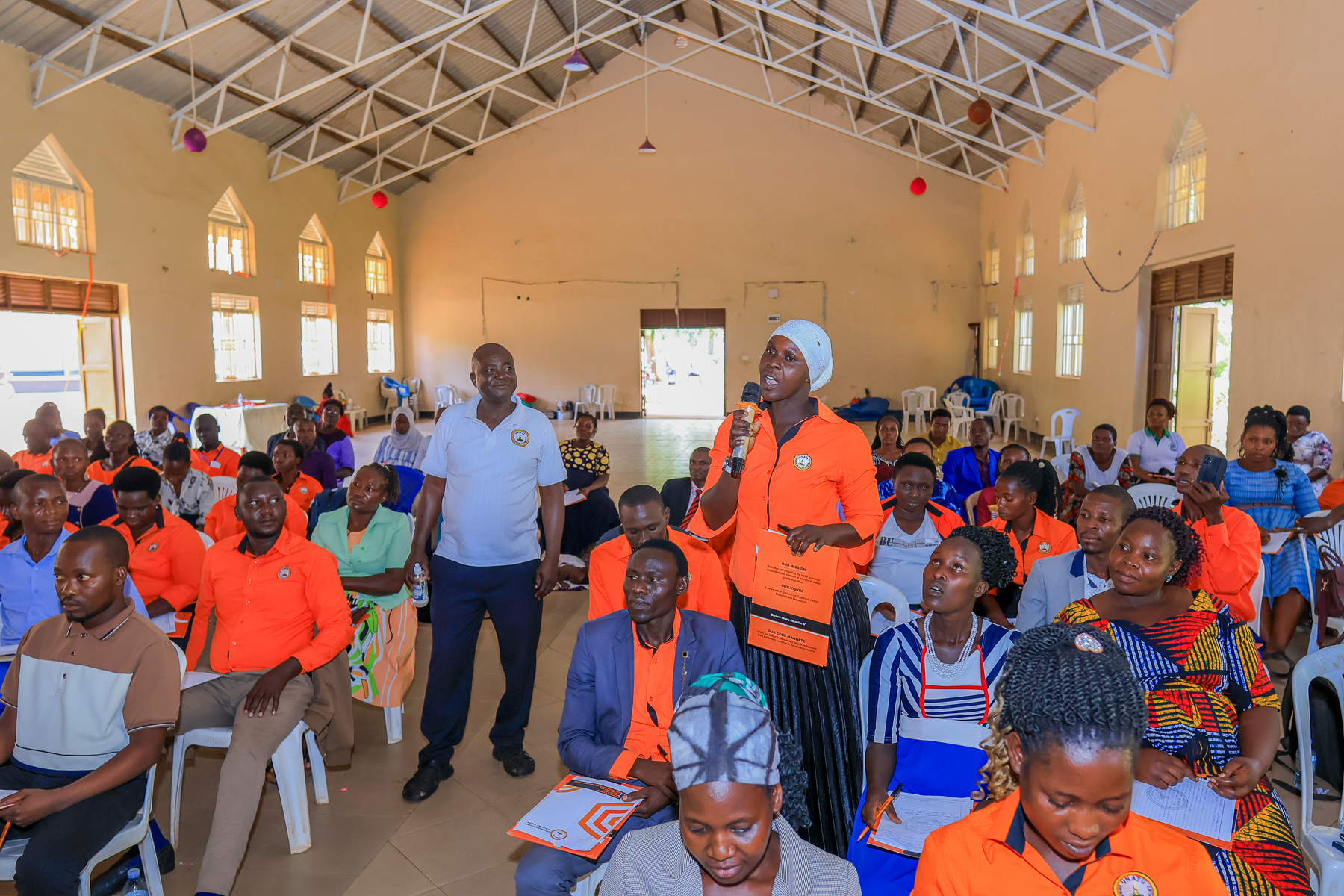
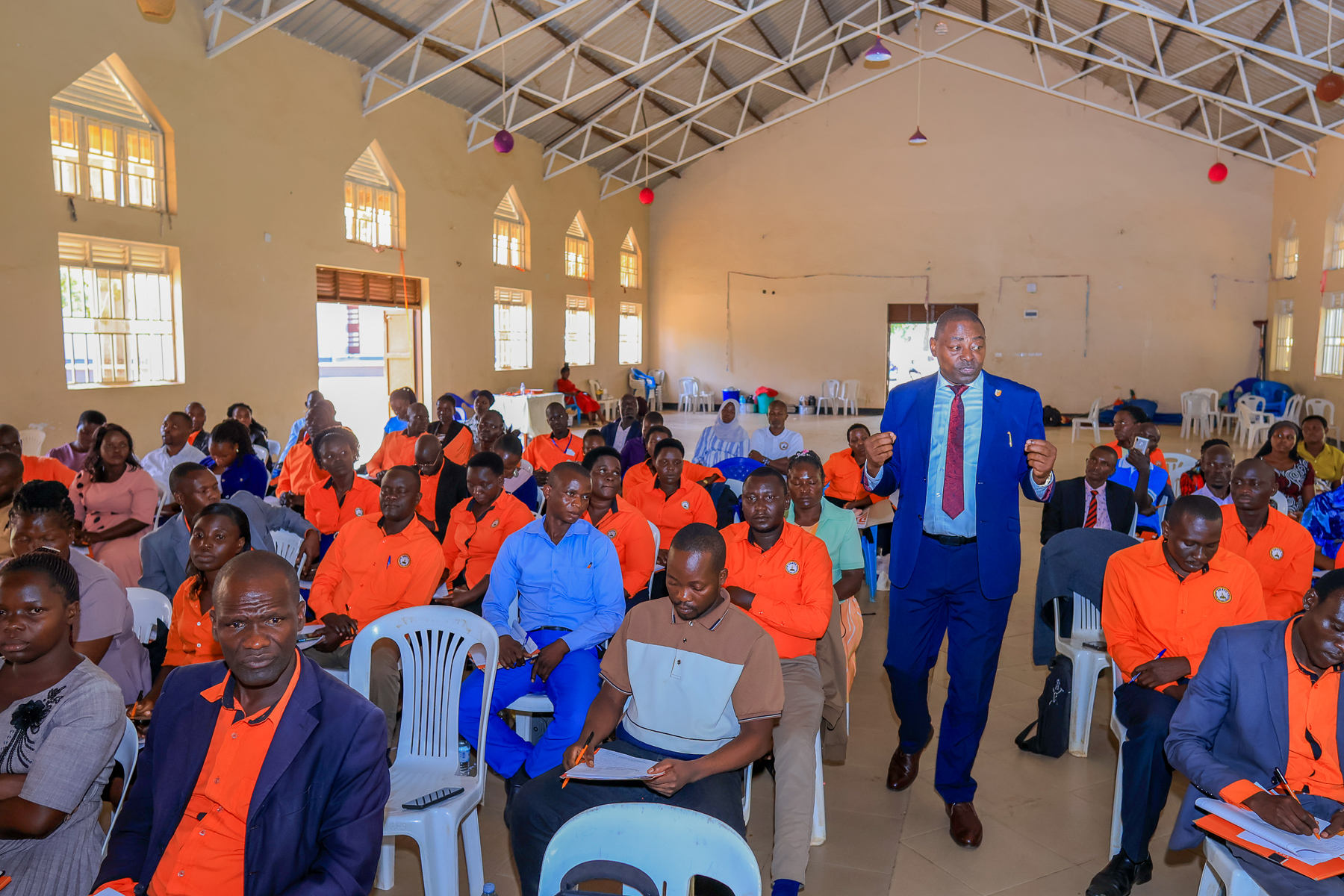
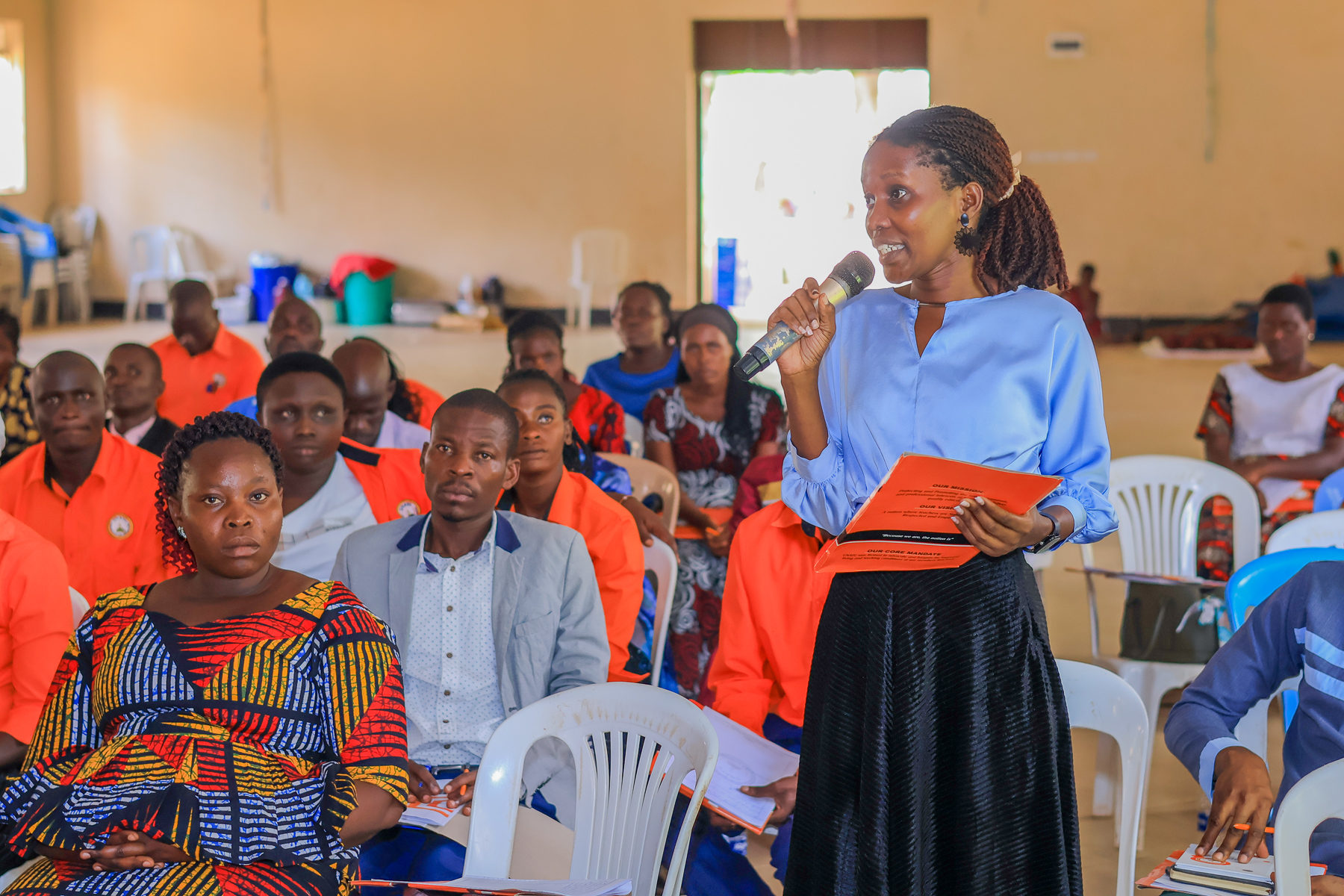
The call was made during a youth teachers’ engagement organised by the Uganda National Teachers’ Union (UNATU) at St Andrew’s Cathedral, Mbale City, on 20th June 2026.
The meeting brought together young teachers from the Eastern Region for focused discussions on unionism, leadership, professional development, ICT, teacher welfare, mental health and the role of youth in strengthening the future of the Union.
Inspiring Young Teachers to Take Their Place
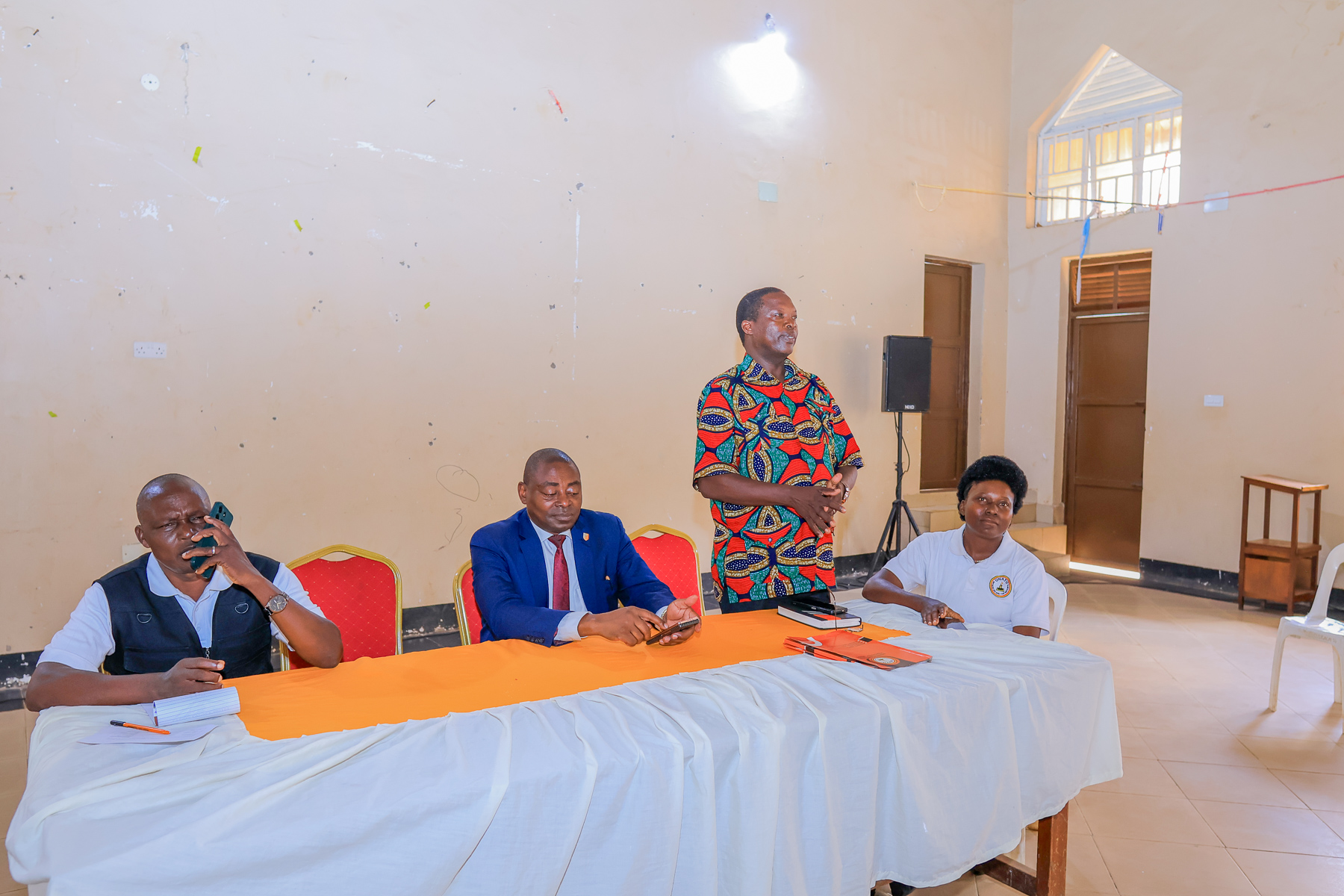
Welcoming participants, the Eastern Regional Chairperson, Barassa Samuel, appreciated the 112 youth teachers for responding to the invitation and recognised their important role in the Union and the education sector.
He noted that young teachers are well positioned to support the Union’s work, especially in an era where ICT continues to shape communication, access to information and professional engagement. He encouraged teachers to embrace UNATU corporate wear and urged those who had not yet acquired it to submit their sizes through the appropriate branch structures.
Barassa reminded participants that young teachers are not only leaders of tomorrow but also leaders of today. He said the engagement had been organised to listen to their concerns, deepen their understanding of the Union and inspire them to take up active roles in the teaching profession.
He further encouraged teachers to remain vigilant about their membership status, noting that payroll codes may sometimes drop off without members immediately noticing. He urged them to keep checking and remain committed subscribing members of the Union.
He also reminded them that while individual teachers may have limited influence, collective organisation gives them a stronger voice.
Union Leadership and the Future of the Profession
The Regional Chairperson later introduced the National Executive Council members present, including the National Representative for Primary Education and the National Secretary for Education, Professional Standards and Discipline.
The National Representative for Primary Education thanked the youth teachers for attending and wished them fruitful deliberations.
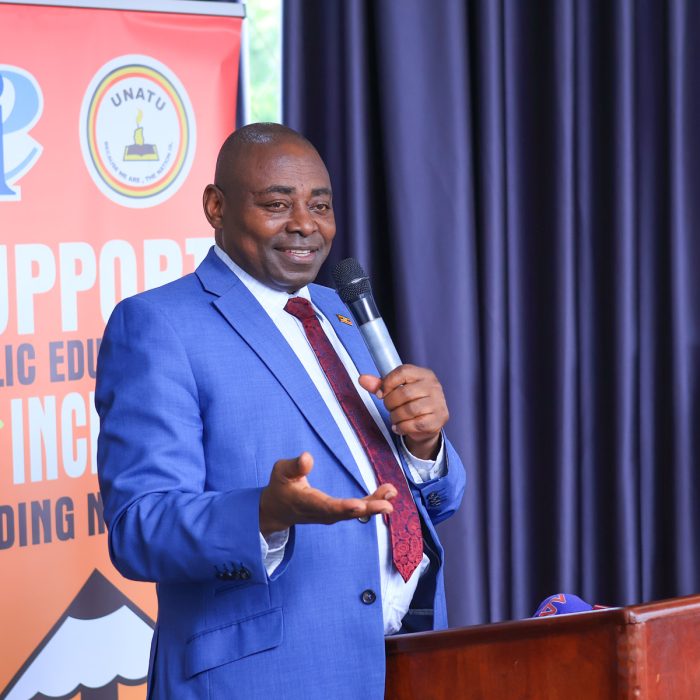
The National Secretary for Education, Professional Standards and Discipline, Chelimo Kityo, encouraged the young teachers to take interest in learning about the Union and prepare themselves for leadership. He noted that the continuity and strength of UNATU depend on the willingness of younger members to understand the Union, participate in its activities and take up responsibility.
He also thanked the General Secretary for his continued commitment to teachers through regular updates that keep members informed about developments affecting the profession.
Reflecting on UNATU’s Mental Health and Psychosocial Support (MHPSS) initiatives, he observed that supporting teachers’ wellbeing has a ripple effect on society.
“Once you save a teacher, you would have saved the whole country,” he said.
He further cautioned against the mushrooming of splinter unions, noting that such divisions weaken the collective strength of teachers. He reminded participants that UNATU accommodates teachers from all subsectors, including primary, secondary, TVET and other education institutions.
Teachers in the Information and Technology Era
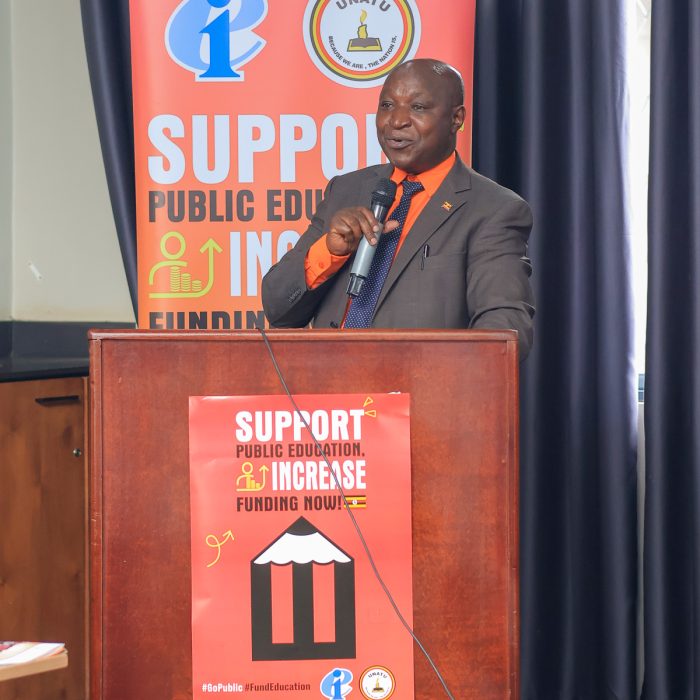
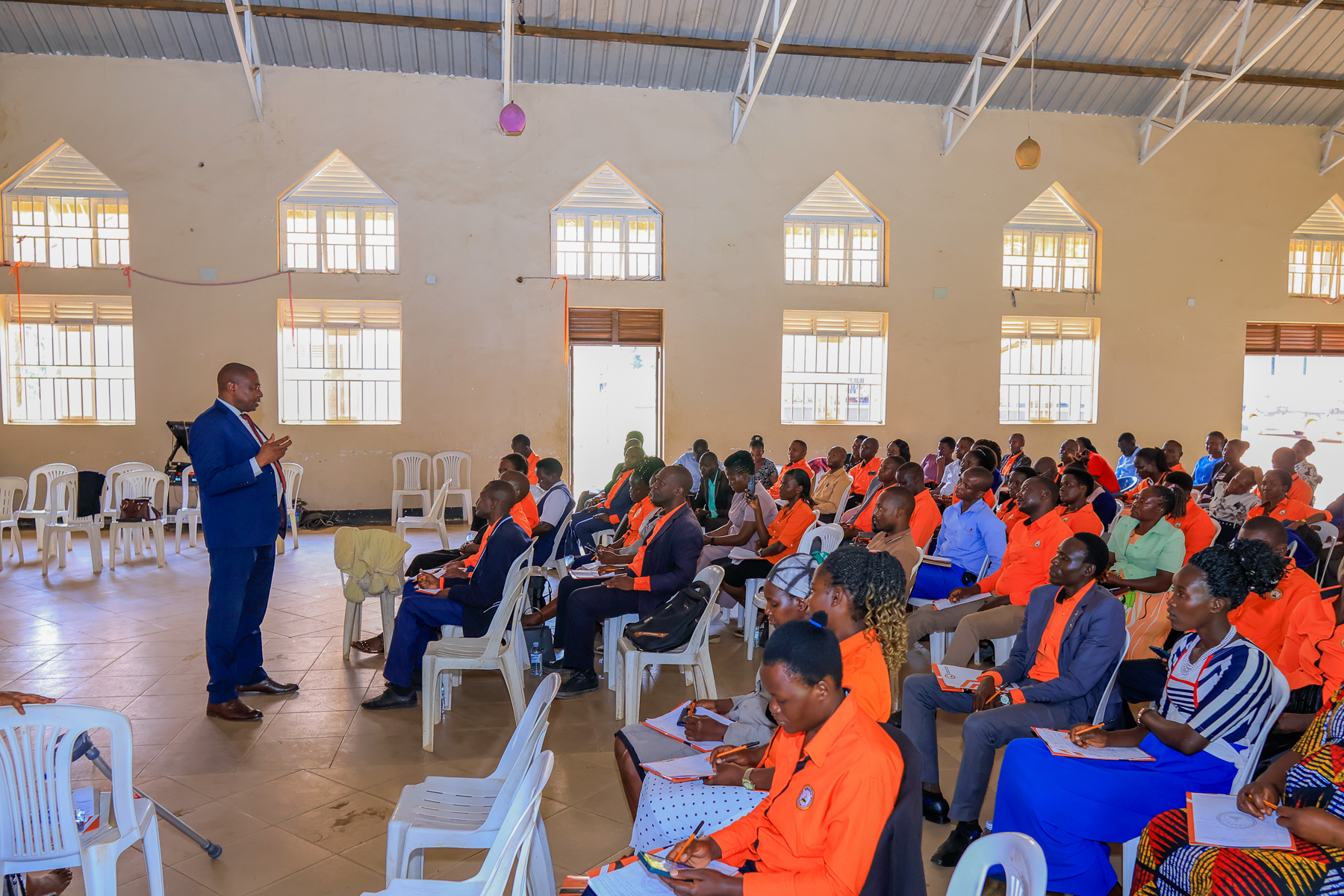
In his address, UNATU General Secretary, Baguma Filbert Bates, placed strong emphasis on the role of youth teachers in the information and technology era.
He invited the ICT Assistant to guide participants through the UNATU website and demonstrate how to access authentic information, resources and official communication from the Union. Participants were also encouraged to download the My UNATU App, which provides members with access to exclusive services and engagement opportunities.
The General Secretary noted that teachers must remain updated on both professional matters and Union affairs. He encouraged youth teachers to live like 21st-century educators by using technology productively and continuously improving their ICT skills.
He challenged them to view smartphones not merely as communication devices but as tools for learning, research, documentation and professional growth.
He urged them to “think without the box” and to “think globally, act locally” by applying global knowledge and digital tools to address local challenges in their schools and communities.
Understanding the Union as Members
The General Secretary guided participants through a moment of reflection by asking, “Who is UNATU?”
Participants recognised that UNATU is not separate from its members but is made up of subscribing teachers who believe in collective action.
He emphasised that the strength of any union lies in its members and that progress cannot come from the centre alone. He called upon young teachers to embrace collective responsibility and solidarity in advancing the teaching profession.
Leadership Begins Early
Sharing from his own journey, the General Secretary narrated how he started as a teacher leader after only four years in service. He explained that his leadership journey began with a desire to serve fellow teachers.
He encouraged young teachers not to wait until they are older before taking interest in leadership but to begin learning, participating and preparing early.
He also challenged them not to become complacent because they are posted in what they consider “good schools,” reminding them that their core responsibility remains facilitating teaching and learning wherever they serve.
He further encouraged them to plan for retirement early and make decisions that support their long-term wellbeing.
Financial Discipline and Personal Responsibility
The General Secretary also spoke about financial discipline and personal responsibility.
He cautioned teachers against developing an uncontrolled appetite for loans, especially where borrowed money is spent on activities with little or no return.
He encouraged participants to read documents carefully before signing, question suspicious transactions and avoid being deceived by fraudsters posing as officials from government ministries or financial institutions.
He also warned them against pyramid schemes and other fraudulent ventures targeting unsuspecting teachers.
Quoting Alvin Toffler, he reminded participants that:
“The illiterate of the 21st century will not be those who cannot read and write, but those who cannot learn, unlearn and relearn.”
Mental Health and Psychosocial Support
The General Secretary concluded his presentation with a session on Mental Health and Psychosocial Support (MHPSS), emphasising that teachers cannot effectively support learners if they neglect their own wellbeing.
He encouraged participants to recognise signs of stress and emotional distress, seek support when overwhelmed and cultivate healthy coping mechanisms. He highlighted the importance of peer support, self-care and creating safe spaces where teachers can openly discuss challenges affecting their mental wellbeing.
He reminded the youth teachers that seeking help is a sign of strength rather than weakness and urged them to look out for one another both within and outside the workplace.
Plenary Discussion: Teacher Issues and Union Responses
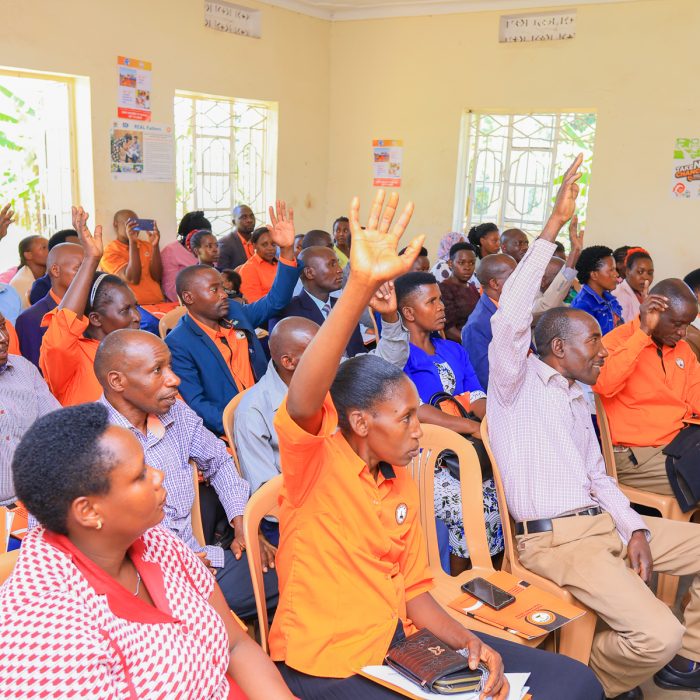
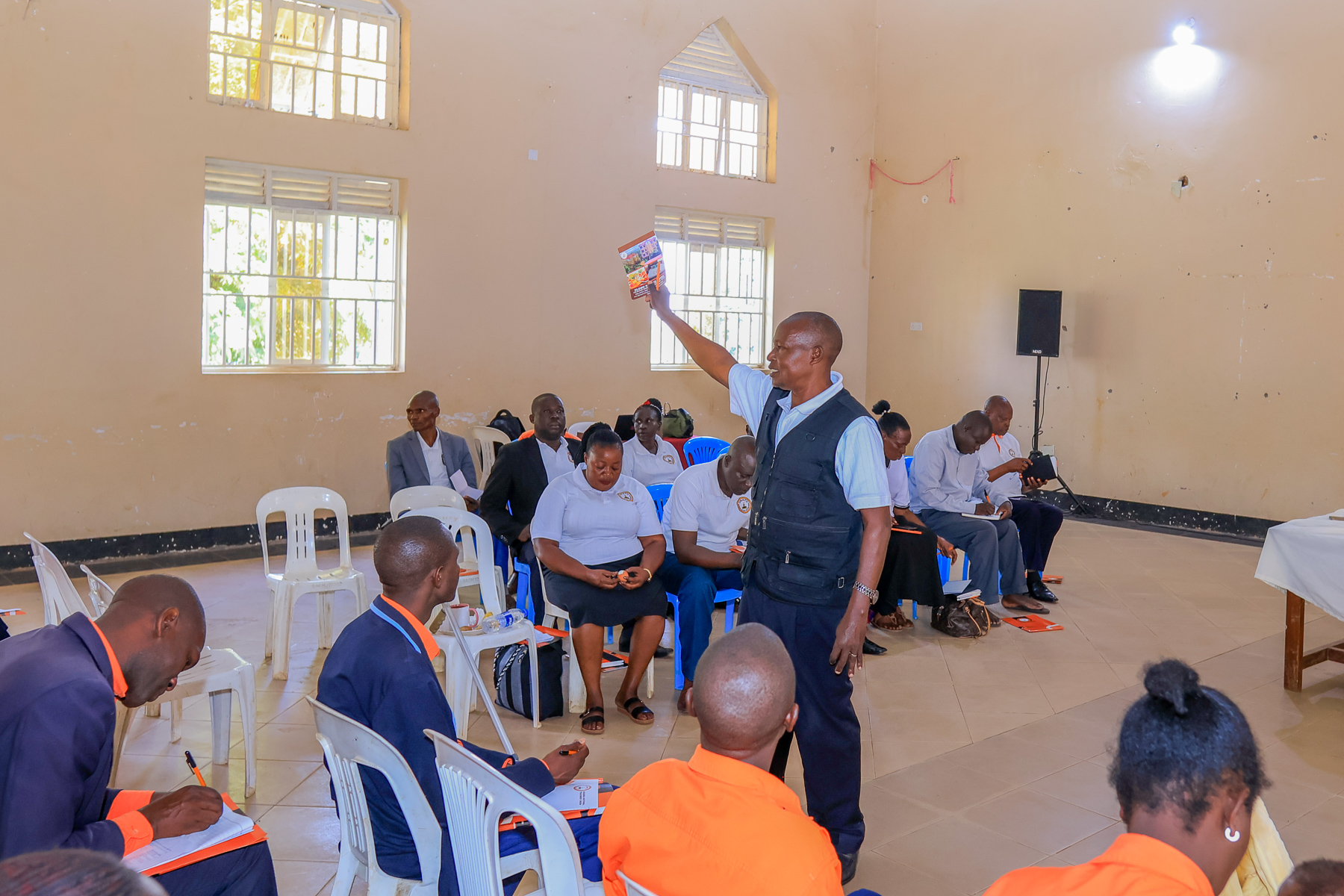
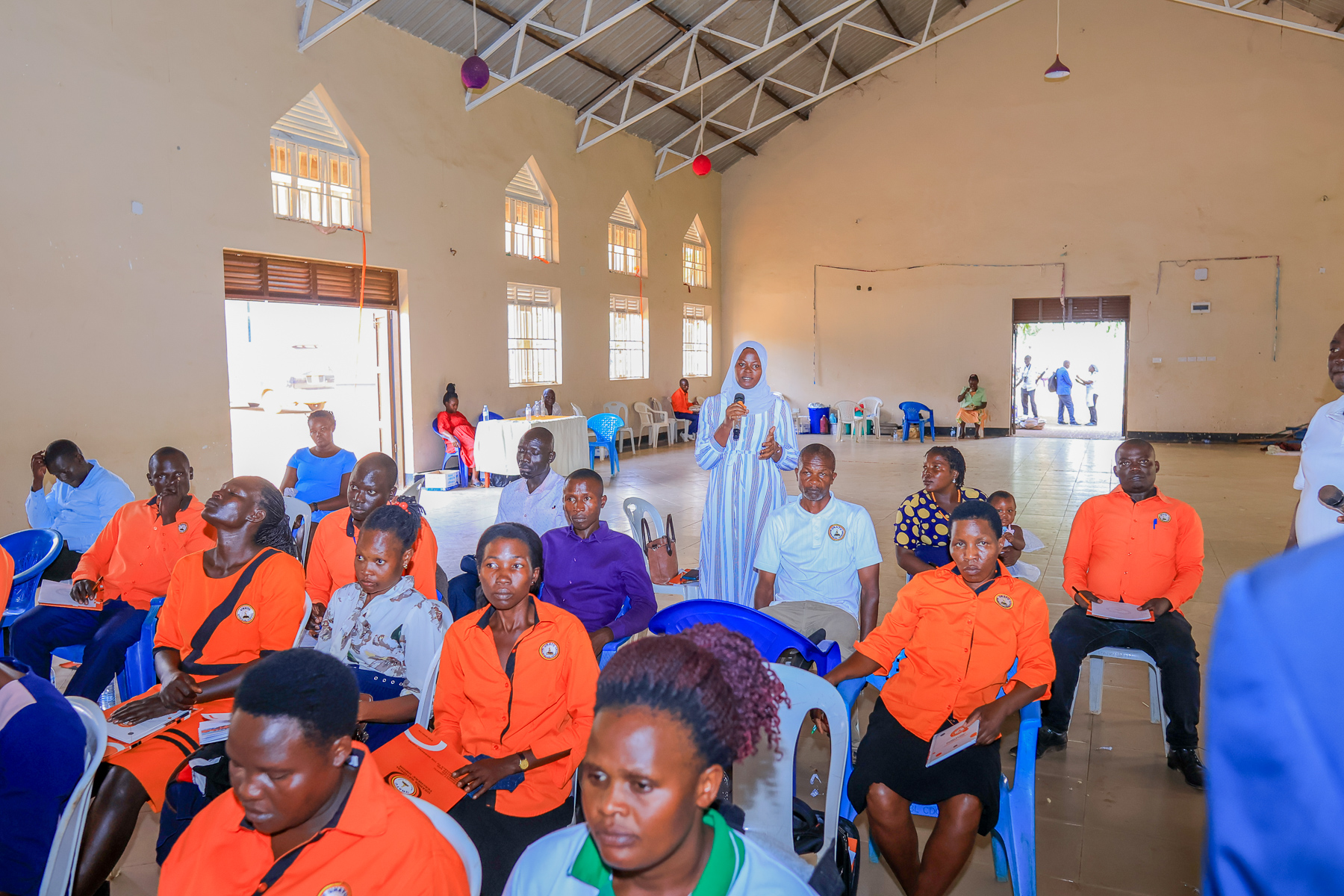
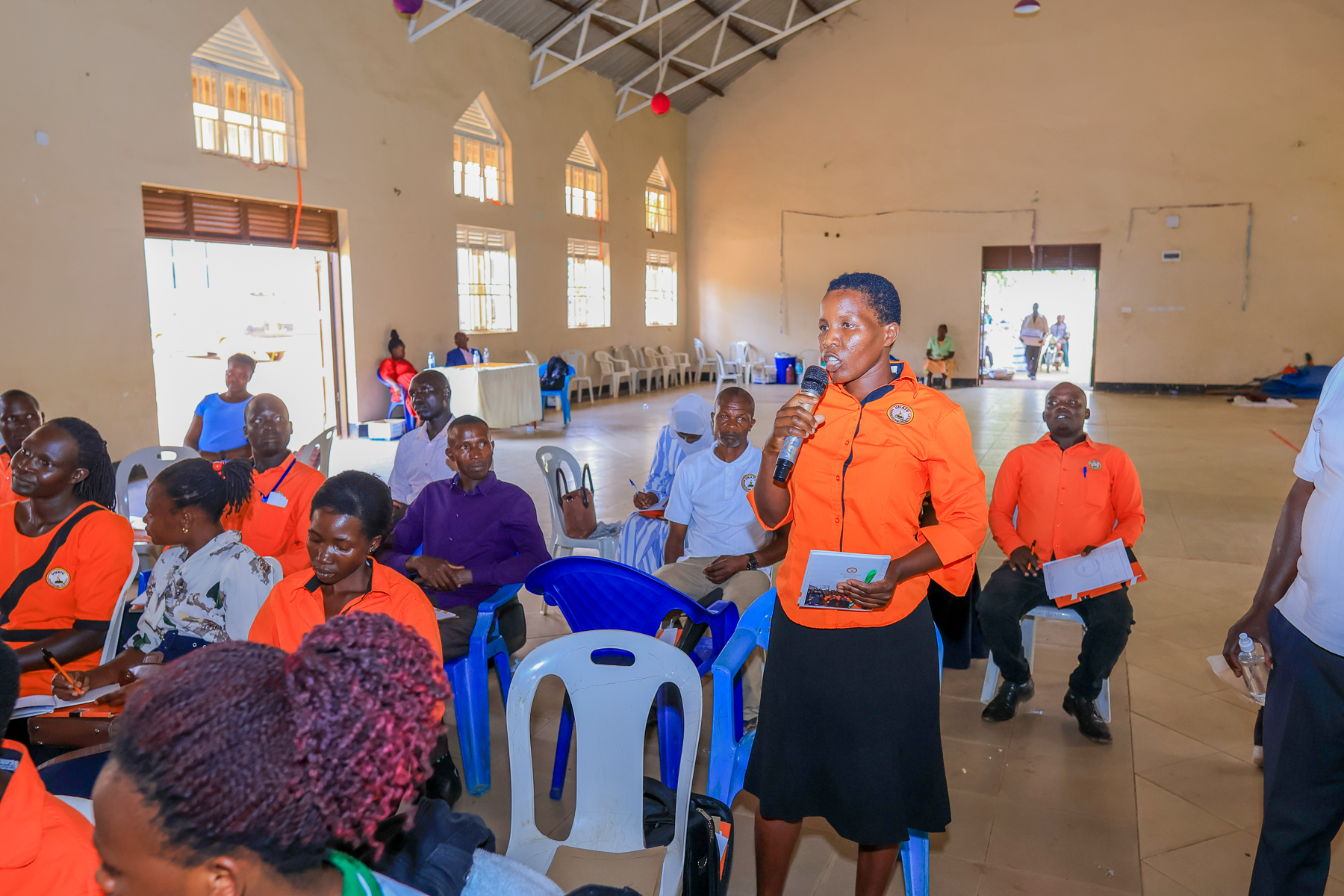
During the plenary session, participants appreciated UNATU for creating space for youth teachers to engage directly with Union leadership and raise issues affecting them.
One of the concerns raised was access to loans. In response, the General Secretary encouraged teachers to adopt responsible financial planning and pointed them to the UNATU SACCO, noting that it offers members access to loans at a favourable interest rate of 15%.
Participants also asked about the next steps regarding salary enhancement. The General Secretary reminded them that salary struggles require solidarity and that progress is only possible when teachers remain united, informed and committed to collective action.
He further encouraged youth teachers to pay attention to policy developments affecting the profession, including provisions under the National Teacher Policy that require teachers to upgrade their qualifications.
Why Youth Teachers Matter
Addressing why UNATU focuses on youth teachers as a special interest group, the General Secretary explained that while the Union serves different categories of members, youth teachers are central to its continuity.
He said young teachers must be involved, mentored and encouraged to take up leadership opportunities because they represent the future strength of UNATU and the teaching profession.
Their energy, innovation, ICT skills and willingness to learn can help the Union remain responsive to the changing needs of teachers.
Professional Qualifications and Teacher Progression
The engagement also addressed issues around teacher qualifications and progression.
The General Secretary explained that teacher progression is linked to qualifications and the structure of the education system. He noted that traditionally, primary teachers have been associated with Grade III qualifications, O’Level teachers with diplomas and A’Level teachers with bachelor’s degrees.
He further explained that the National Teacher Policy provides for a bachelor’s degree as the minimum qualification for teachers and encouraged young teachers to upgrade their qualifications early.
He also noted that laws do not normally work backwards, meaning new qualification requirements mainly affect the future direction of the profession. However, he urged participants to prepare themselves in time.
Closing Remarks
Delivering the closing remarks, the National Secretary for Primary Education, Natamanya Rose, thanked the youth teachers for their active participation throughout the engagement.
She encouraged them to remain focused and committed to their personal and professional journeys, reminding them that success in the teaching profession requires dedication, discipline and a clear sense of purpose.
Natamanya expressed appreciation to the General Secretary for facilitating the session on Mental Health and Psychosocial Support, noting that the intervention had equipped participants with valuable knowledge on caring for their wellbeing and supporting others.
Addressing the young teachers, she described them as the future of the Union and urged them to embrace their responsibility as change agents in their schools and communities.
She also appreciated the Union leadership for creating the platform, intervening on issues affecting teachers and ensuring that members receive timely and relevant information.
With those remarks, she officially declared the meeting closed.
A Call to Stay Informed, United and Ready
The youth teachers’ engagement provided an opportunity for 112 young educators to interact with Union leadership, ask questions, reflect on their role in the profession and understand the value of belonging to UNATU.
The meeting reinforced the message that the future of the Union depends on informed, active and committed members who are willing to learn, participate and lead.
As the young teachers returned to their duty stations, they were challenged to remain united, use technology responsibly, prioritise their wellbeing, pursue professional growth and take their place in shaping the future of education and teacher leadership in Uganda.
For UNATU, engaging youth teachers is not only about preparing future leaders. It is about recognising that young teachers already have a voice, a role and a responsibility in strengthening the Union today.
Other posts