Mbale City | 19th June 2026
Behind every teacher is a person carrying responsibilities, pressures, expectations and, sometimes, silent struggles. For many educators, the work of teaching extends far beyond the classroom, yet their own mental wellbeing is often overlooked.
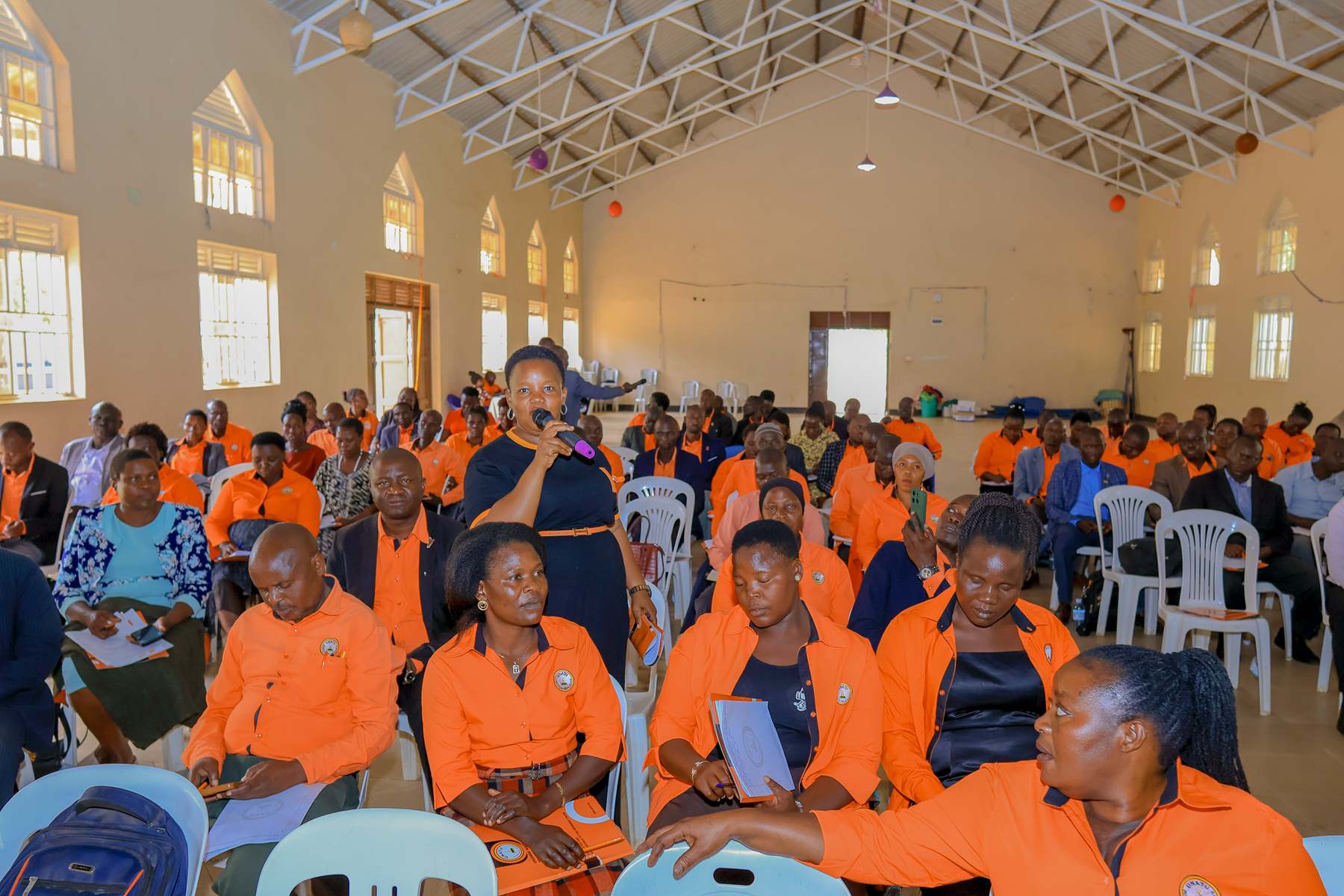
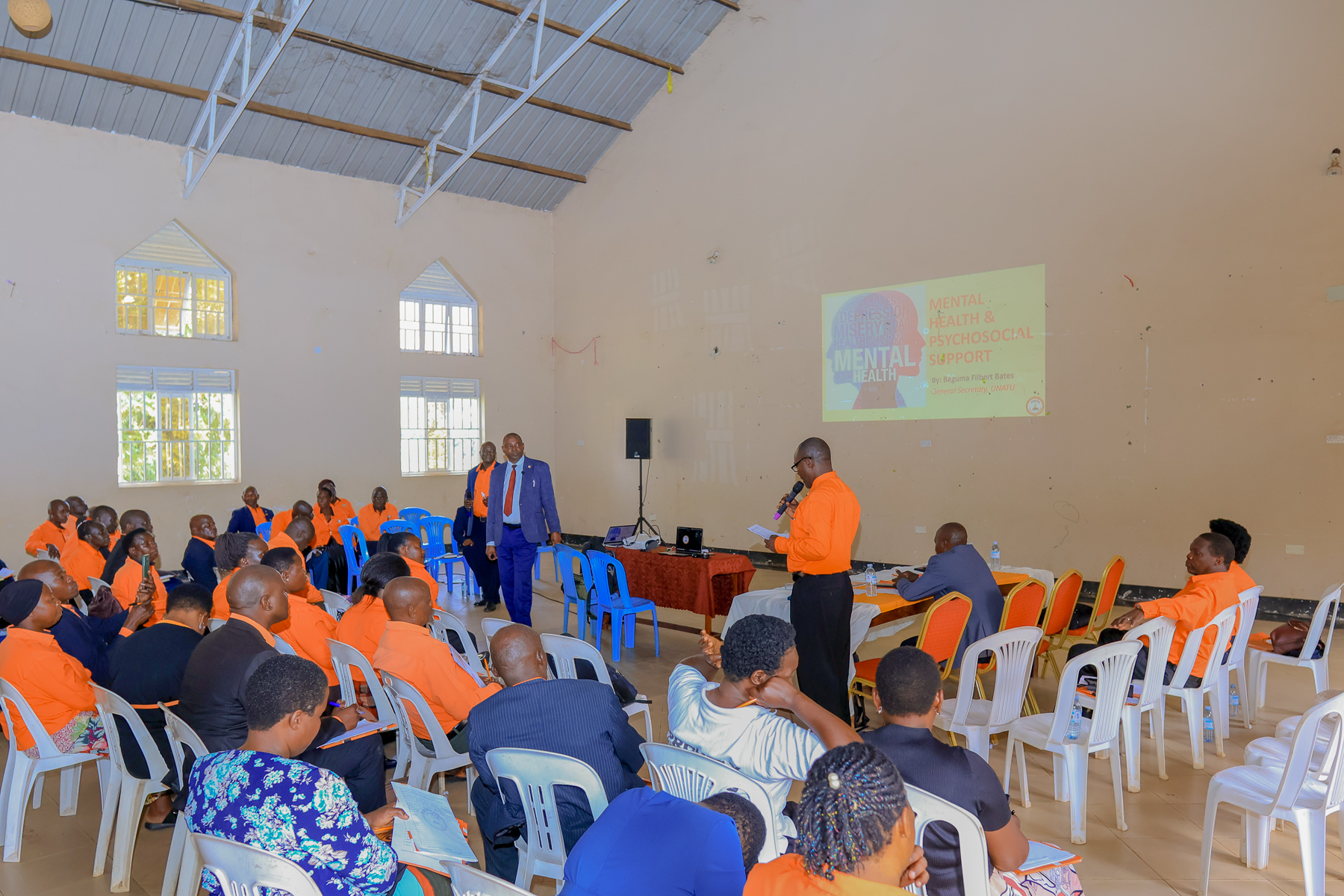
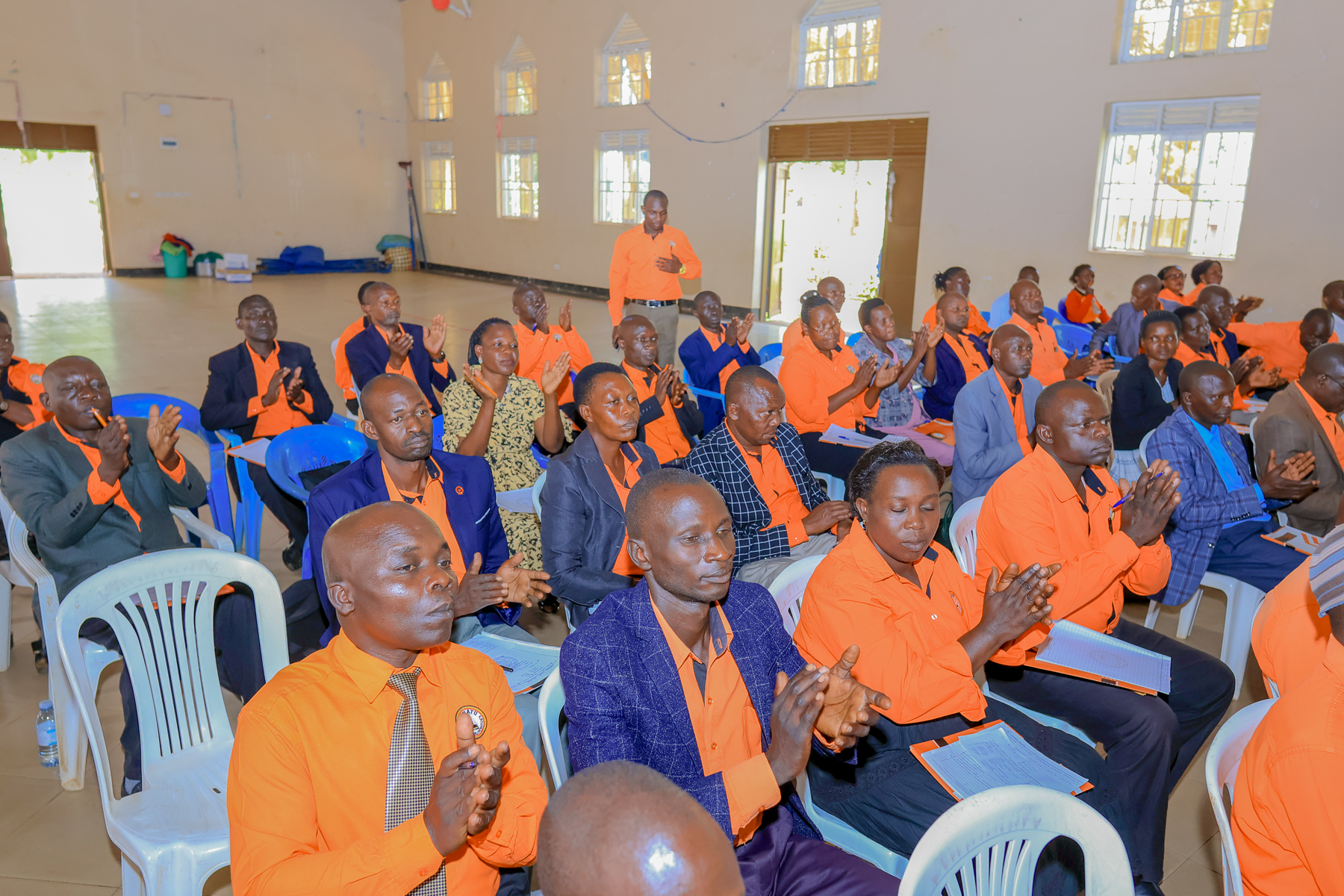
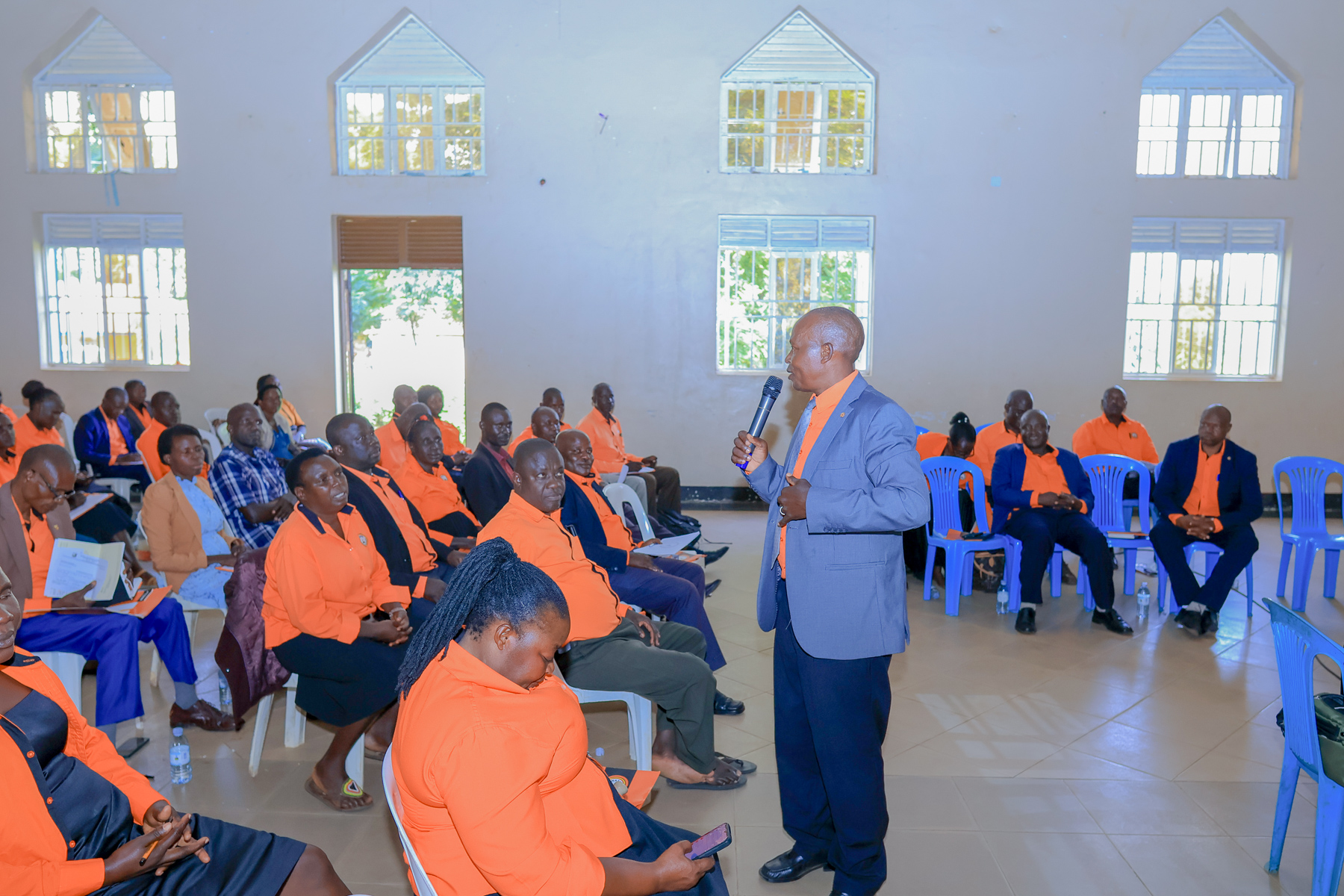
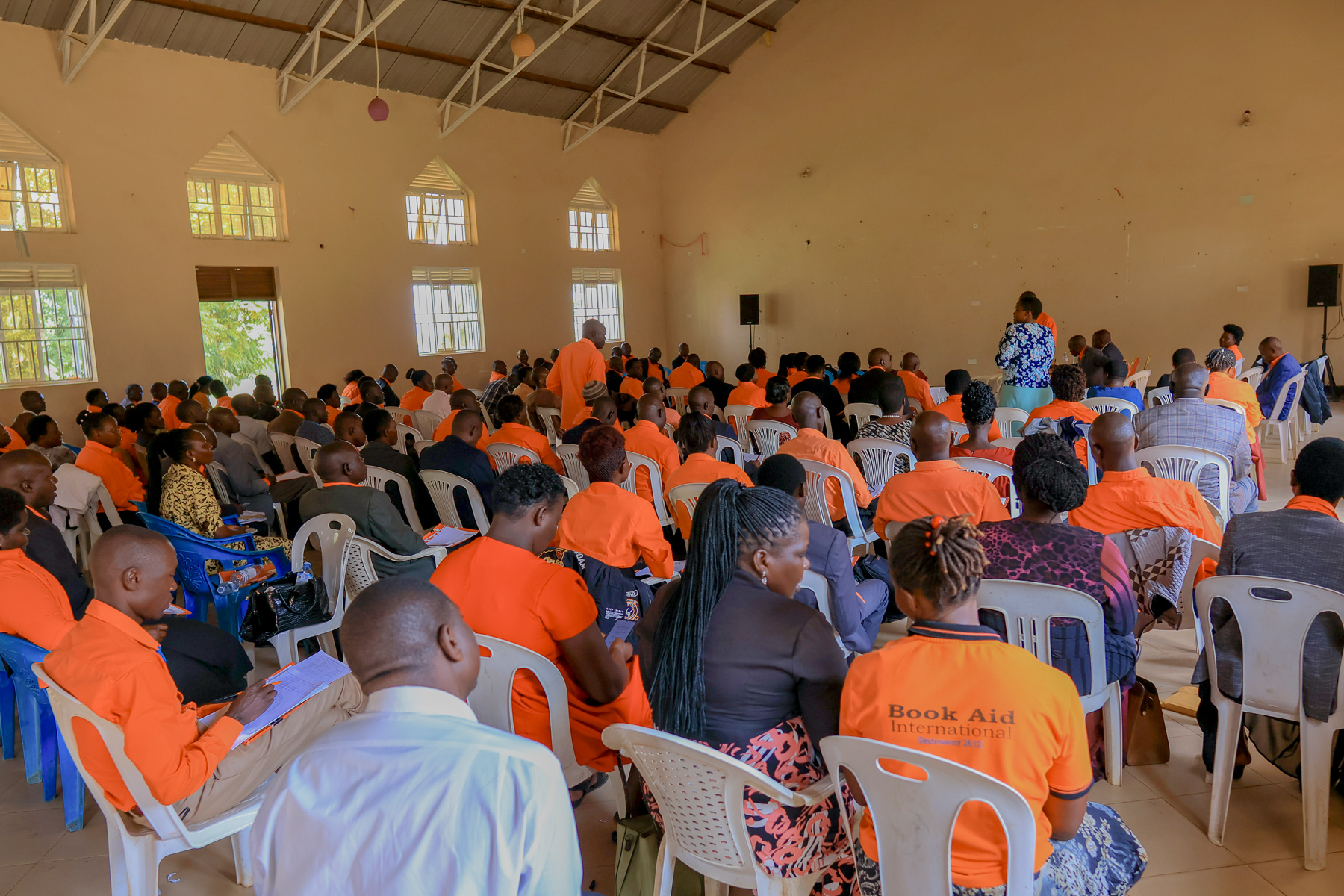
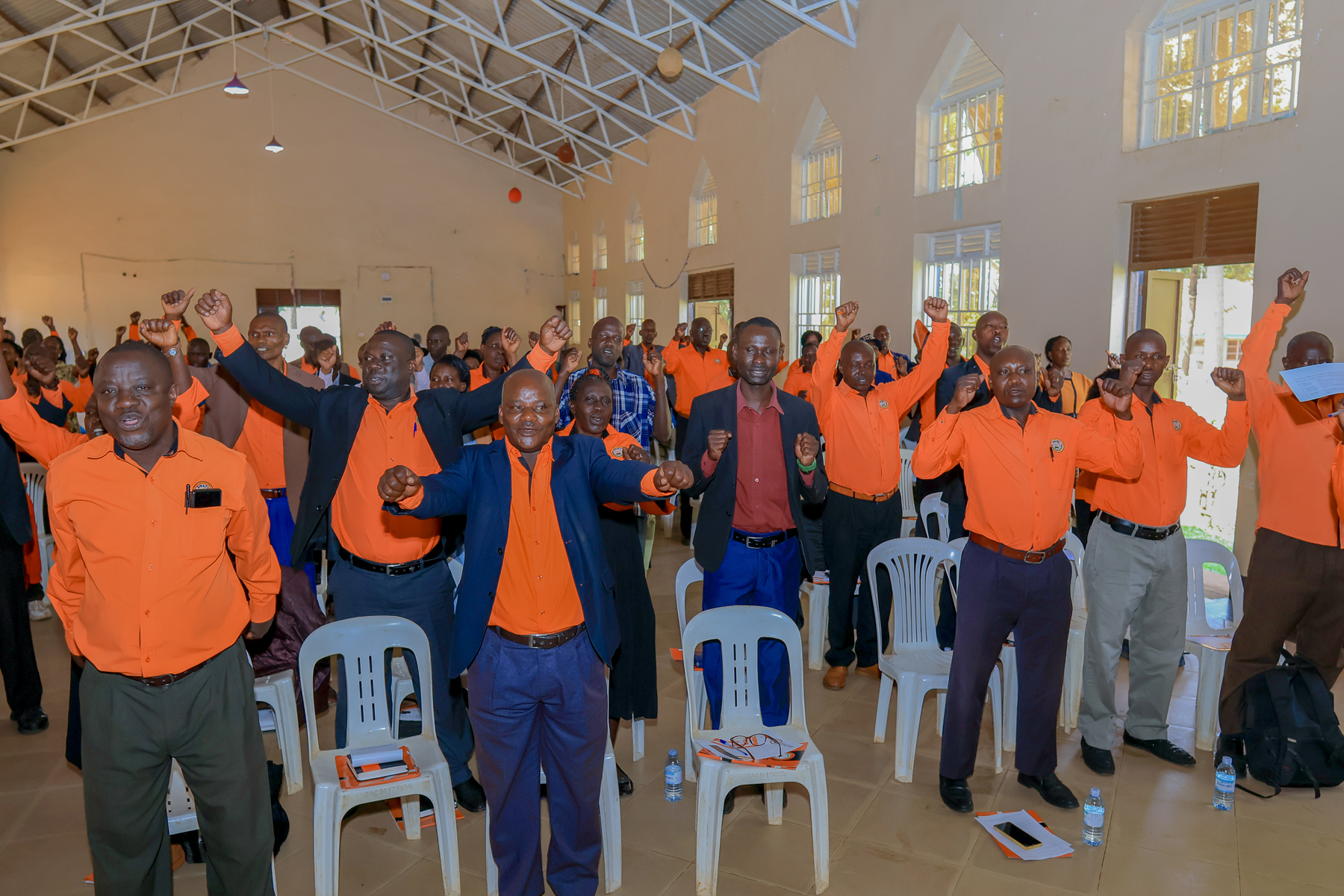
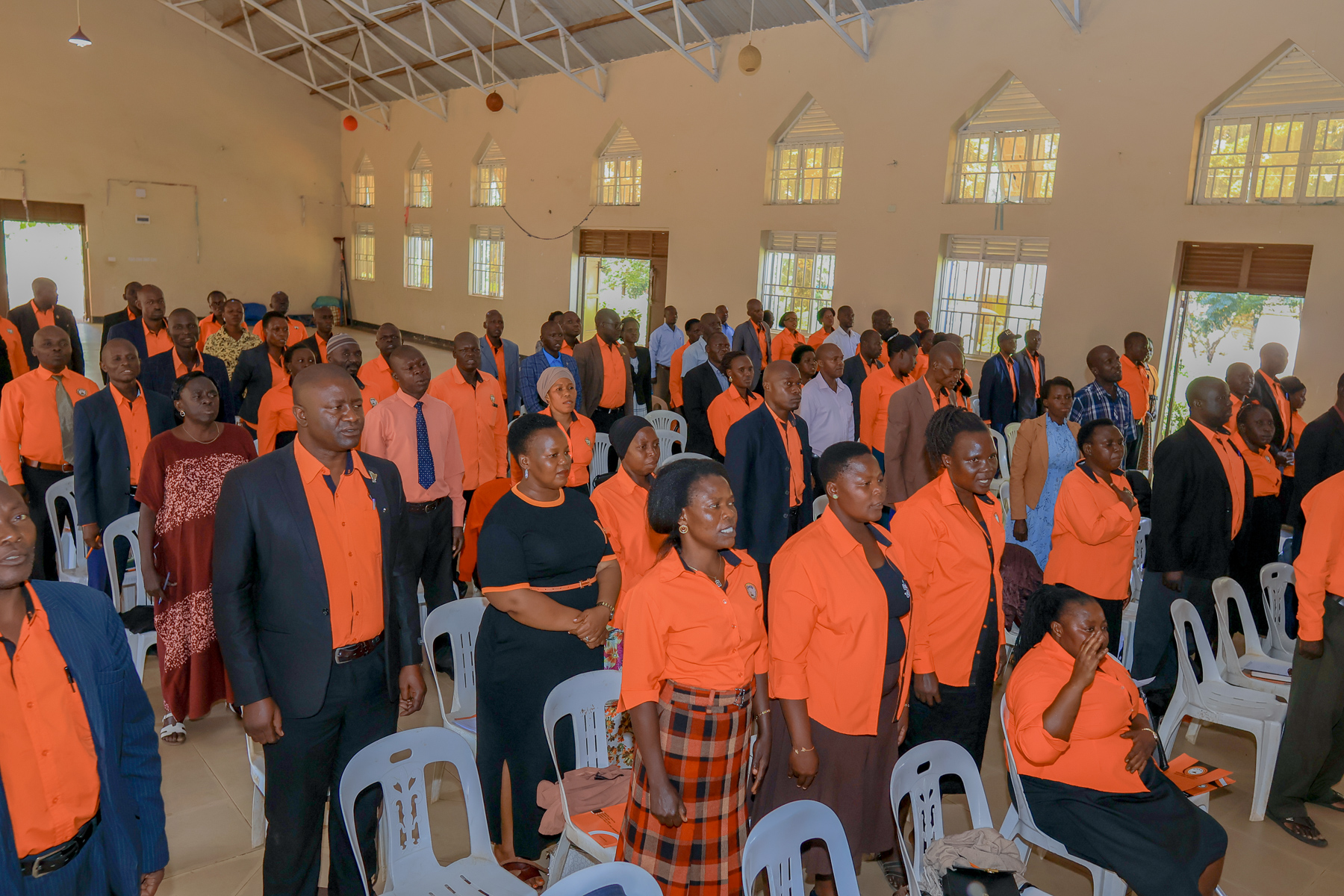
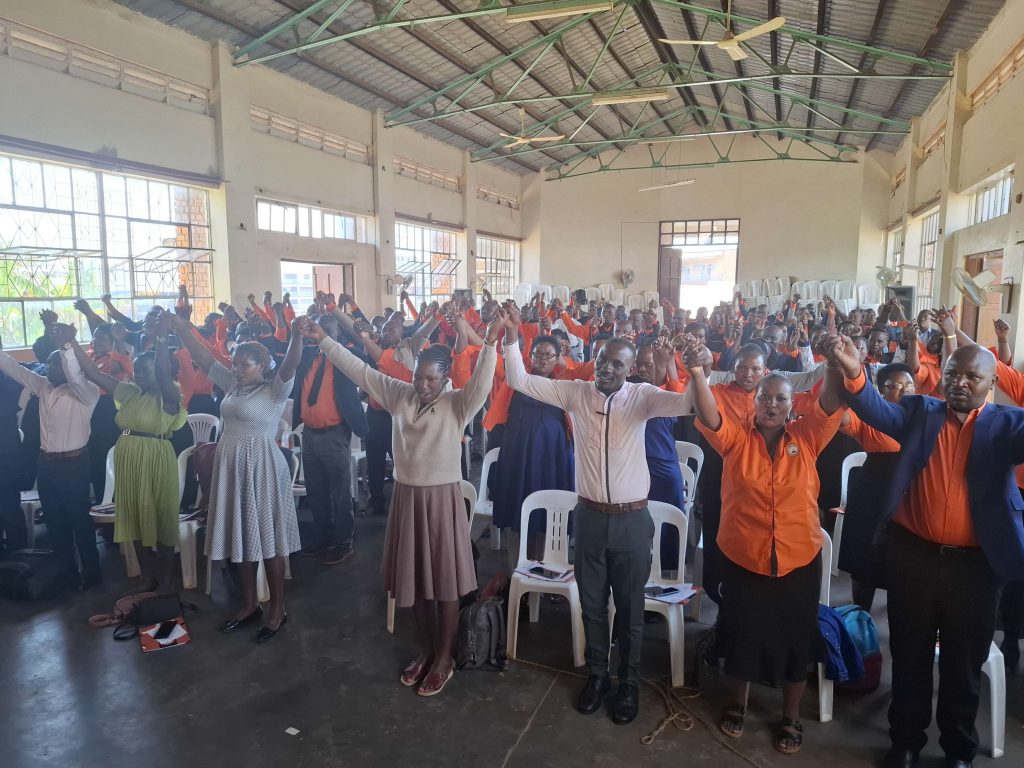
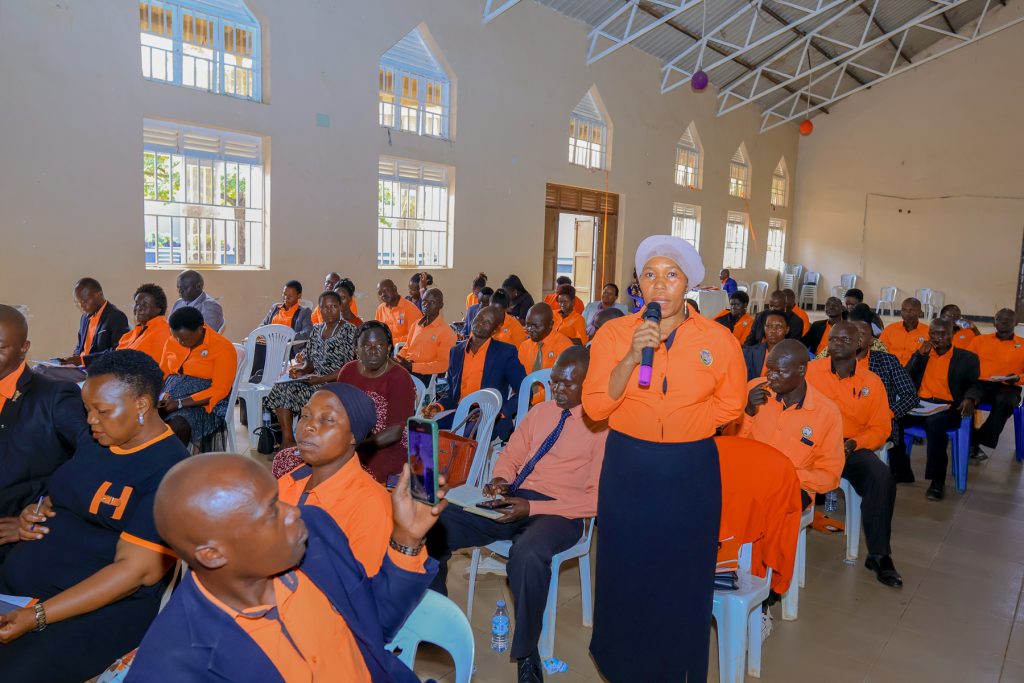
Recognising this reality, the Uganda National Teachers’ Union (UNATU) convened teachers and branch leaders from across the Eastern Region for a Mental Health and Psychosocial Support (MHPSS) training at St Andrew’s Cathedral, Mbale City, on 19th June 2026. The training challenged participants to become ambassadors of mental health awareness and psychosocial support within their schools, branches and communities.
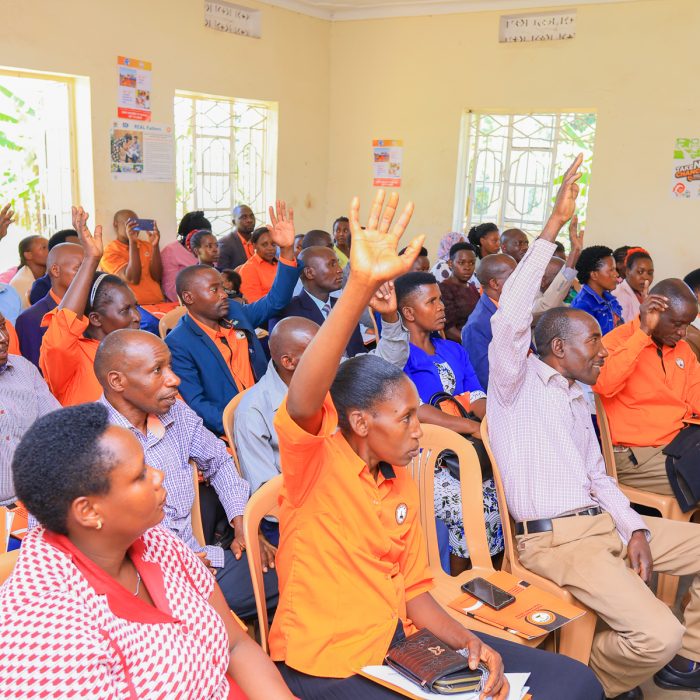
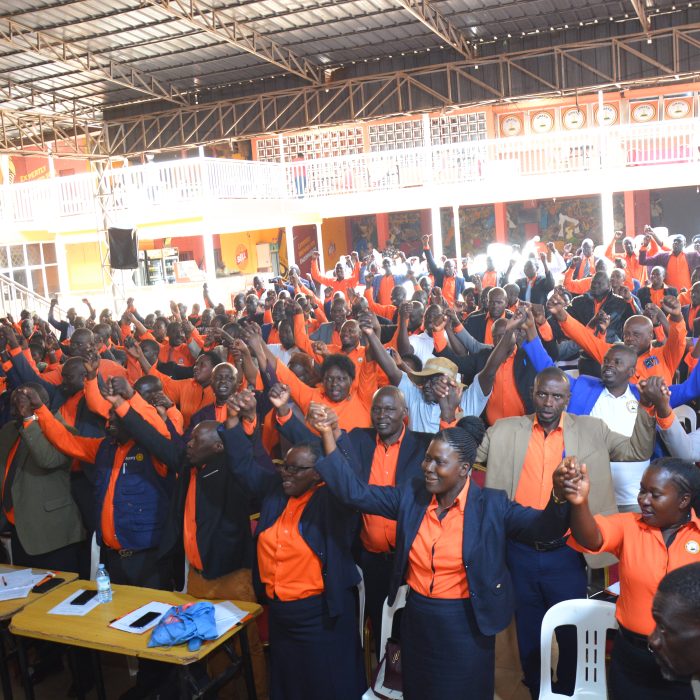
The training brought together 132 participants from various education subsectors, including primary, secondary and TVET, with the aim of strengthening teachers’ capacity to recognise mental health challenges, support colleagues and learners, and promote wellbeing within school communities.
A Call to Champion Teacher Wellbeing
Welcoming participants, the Eastern Regional Coordinator, Muhanguzi David, thanked teachers and leaders for honouring the invitation and acknowledged the wide geographical coverage of the Eastern Region. He appreciated their commitment to the Union and encouraged them to participate actively in the day’s discussions.
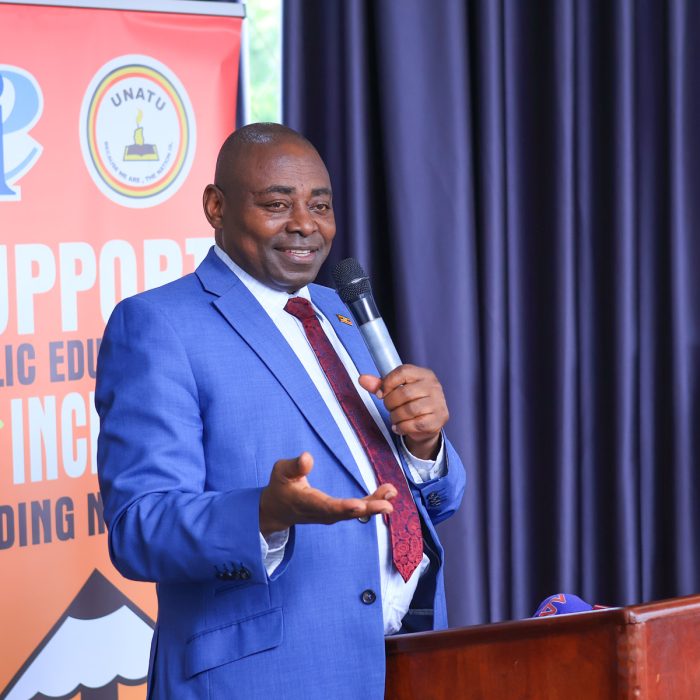
The Eastern Regional Chairperson, Barassa Samuel, applauded the impressive turnout and described it as a reflection of teachers’ commitment to both their profession and the Union. He encouraged participants to take the training seriously and become ambassadors of mental health awareness in their respective branches.
He noted that stress had become increasingly common among teachers and urged participants to share the knowledge gained with fellow educators when they returned to their duty stations.
Barassa also reminded teachers that the benefits of belonging to UNATU extend beyond welfare support, noting that the Union continues to create platforms that support teachers professionally, socially and personally.
Mental Health as Part of Overall Health
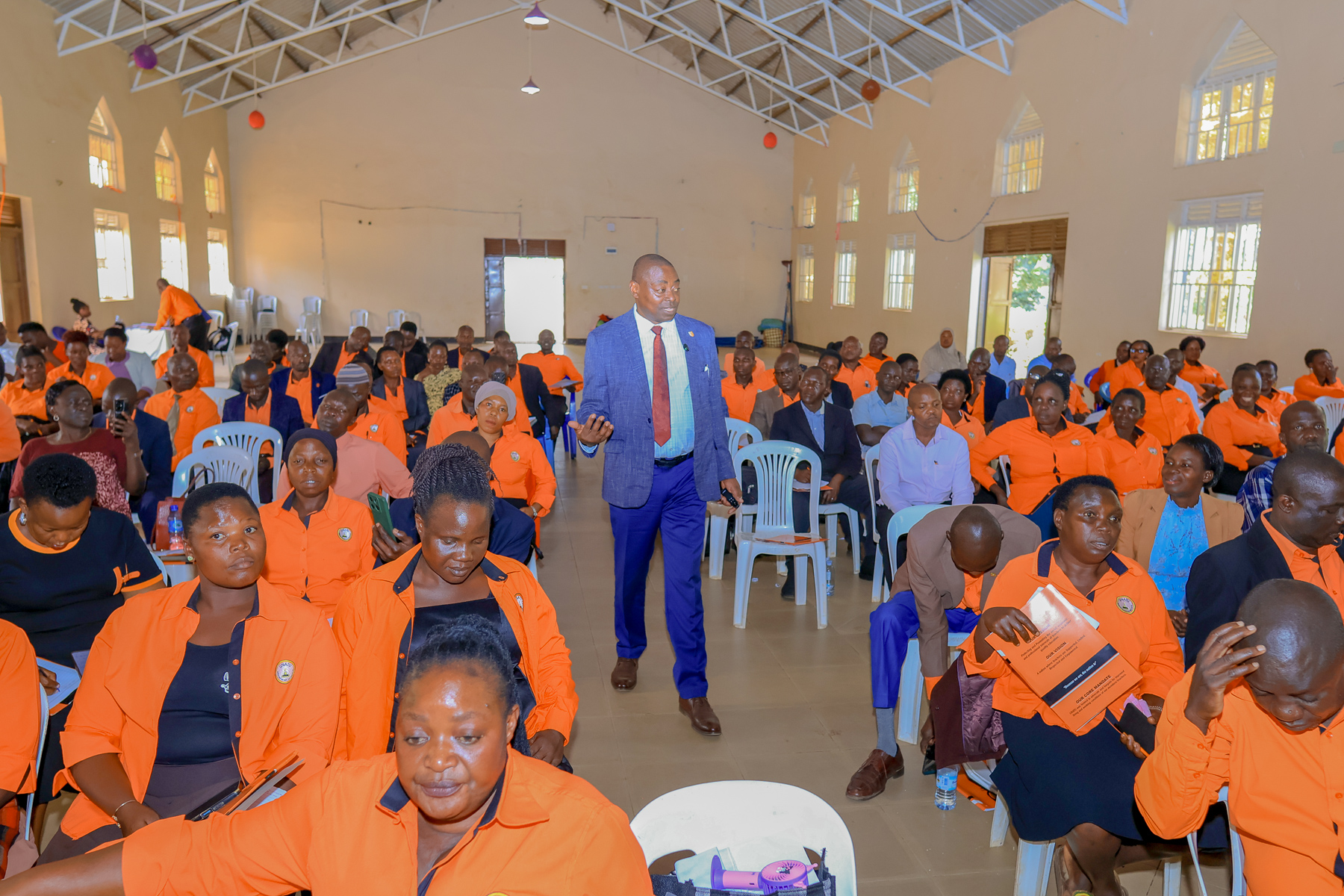
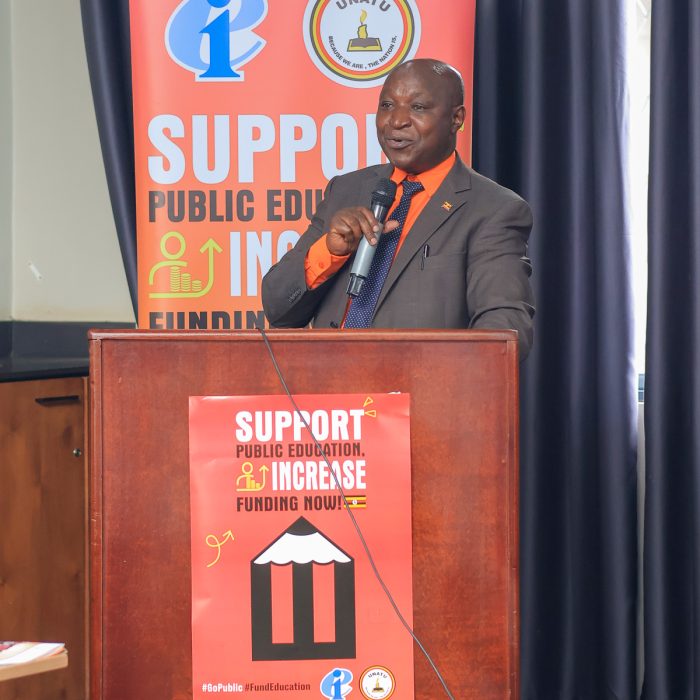
Delivering the main presentation, UNATU General Secretary and MHPSS Master Trainer, Baguma Filbert Bates, welcomed participants and paid special recognition to representatives from the different education subsectors.
He cautioned against divisions within the teaching profession and encouraged unity among teachers, especially at a time when emerging trends and disparities continue to affect the profession.
Turning to the theme of the day, the General Secretary described mental health as one of the most overlooked components of overall health.
He explained that mental health affects how people think, feel, behave, relate with others and respond to the normal demands of life. He emphasised that mental wellbeing is not fixed but exists on a continuum, and that seeking support should never be treated as a sign of weakness.
A Sobering Reminder for Teachers
While speaking about the realities facing teachers, the General Secretary revealed that UNATU recorded the loss of 535 members between January and December 2025, of whom 412 were male teachers.
The figures served as a sobering reminder of the importance of paying closer attention to teachers’ health, wellbeing and daily choices.
Participants were encouraged to practise self-care, embrace contentment, avoid unnecessary financial pressure and be cautious about ventures that offer little or no return on investment.
“Self-love is important because a healthy mind begins with a healthy body,” he noted.
Recognising Signs of Stress
The training explored common mental wellbeing challenges affecting teachers, with stress identified as one of the most prevalent.
Participants discussed common signs of stress such as frequent headaches, fatigue, difficulty concentrating, irritability, trouble sleeping, changes in appetite and memory difficulties.
They were also introduced to the W.A.T.C.H approach, a simple framework that helps identify early signs of distress, including withdrawal, anxiety, troubled behaviour, changes in mood and feelings of hopelessness.
The General Secretary encouraged teachers and leaders to pay attention to colleagues and learners who may be struggling silently and to respond with care, patience and compassion.
Building a Culture of Support
Participants were reminded that psychosocial support is a humane and supportive response to a person who is suffering and may need help.
The General Secretary encouraged teachers to listen without judgement, comfort those experiencing difficulties and reassure colleagues and learners that support is available.
The training highlighted practical ways of offering support, including active listening, maintaining regular contact, identifying other challenges affecting individuals and working closely with existing support structures within schools and communities.
Updates on Other Teacher Issues
Beyond mental health, the plenary session also provided an opportunity to address broader professional concerns affecting teachers and the education sector.
The General Secretary briefed participants on developments surrounding the newly signed National Teachers Bill and reaffirmed UNATU’s commitment to keeping teachers informed about policy changes affecting the profession.
Participants also received updates on the Contributory Pension Scheme, recent PAYE tax changes affecting teachers and opportunities under the EQUIP Digital Skills Training Programme 2026.
Teachers were encouraged to continue accessing official information through the UNATU website, which remains an important platform for updates, resources and training materials.
Participants Appreciate the Training
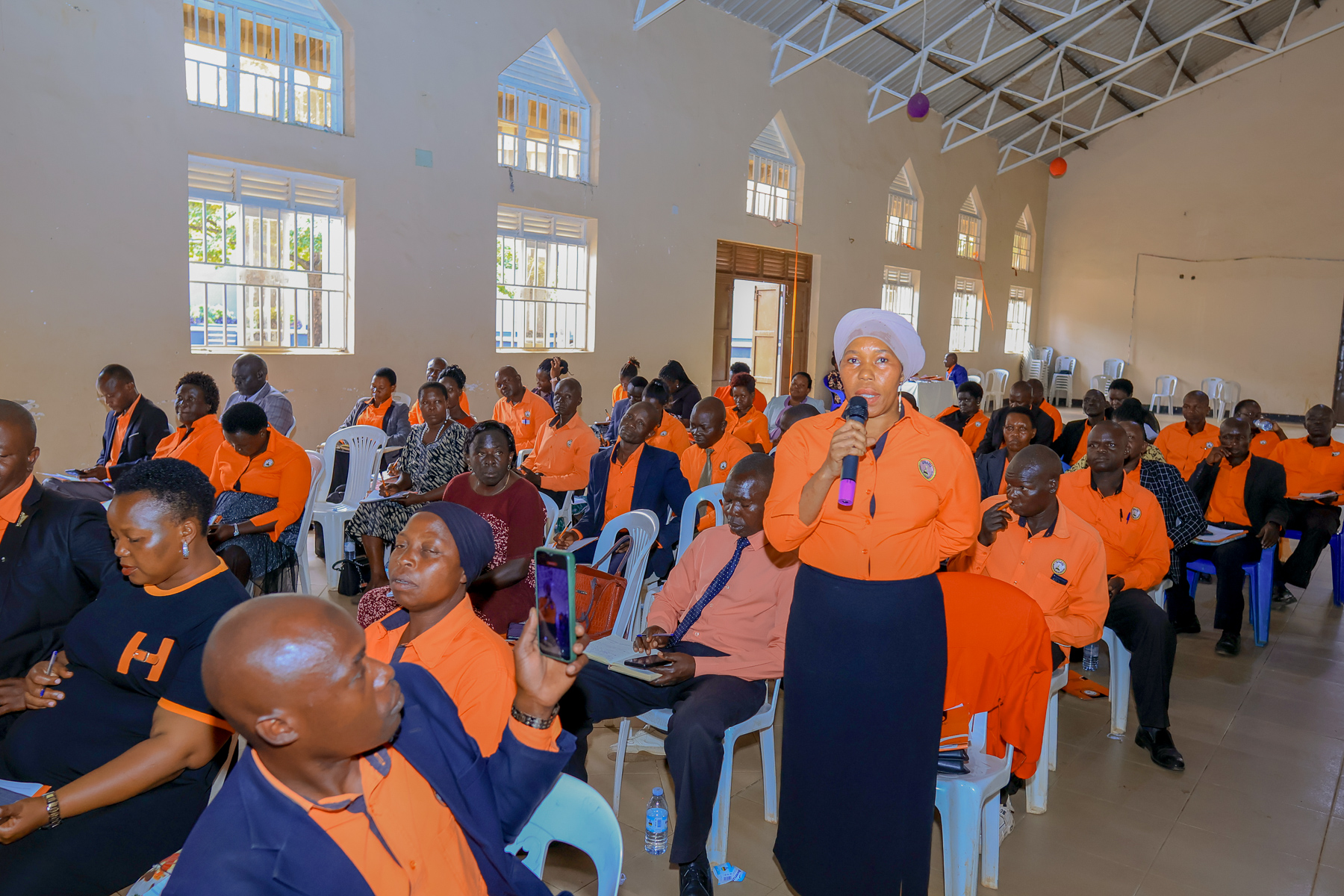
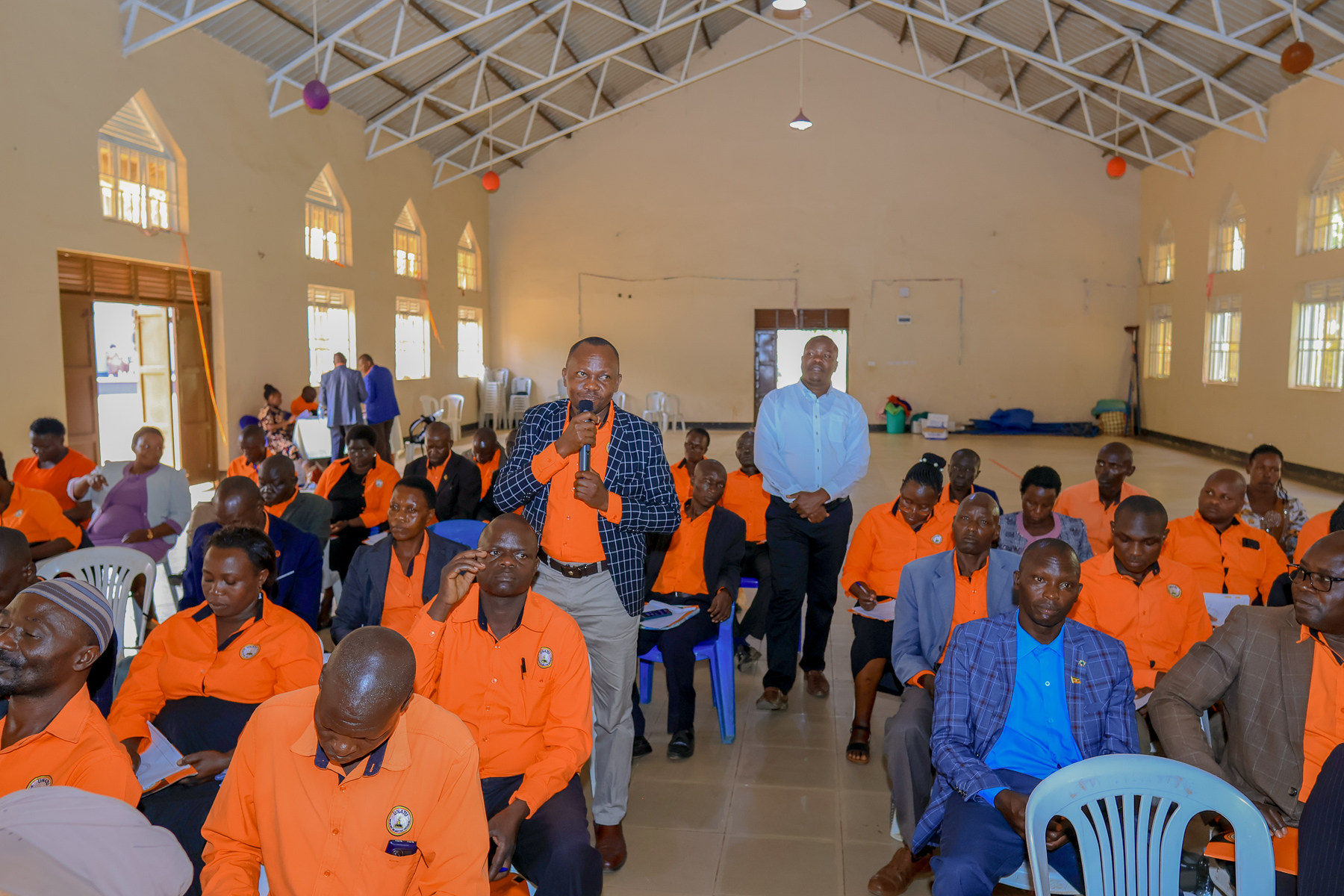
Speaking during the vote of thanks, participants described the training as timely and relevant to the realities teachers face in their daily lives and workplaces.
They noted that teachers need more engagements on mental health and psychosocial support and pledged to share the knowledge gained with colleagues in their schools and branches so that more educators can benefit from the lessons learned.
Closing Call to Action
In his closing remarks, the National Secretary for Education, Professional Standards and Discipline, Chelimo Kityo, thanked teachers for accepting UNATU’s call and for participating actively throughout the training.
He applauded their enthusiasm and encouraged them to continue “blowing the trumpet of UNATU” by sharing information, mobilising fellow teachers and promoting the Union’s work at all levels.
He also thanked the General Secretary for his continuous sacrifice and commitment to the welfare of teachers.
The training reaffirmed that supporting teachers goes beyond advocating for improved terms and conditions of service. It also means equipping educators with the knowledge and skills to care for their own wellbeing, recognise when colleagues may be struggling and create school environments where compassion, resilience and support can thrive.
As participants return to their branches, they carry with them a shared responsibility to champion mental health awareness in schools and communities, recognising that when teachers are supported to thrive, learners and education systems thrive too.









More updates
It was a good meeting. The attendance was very good.
This is surely timely as teachers we are going through a lot