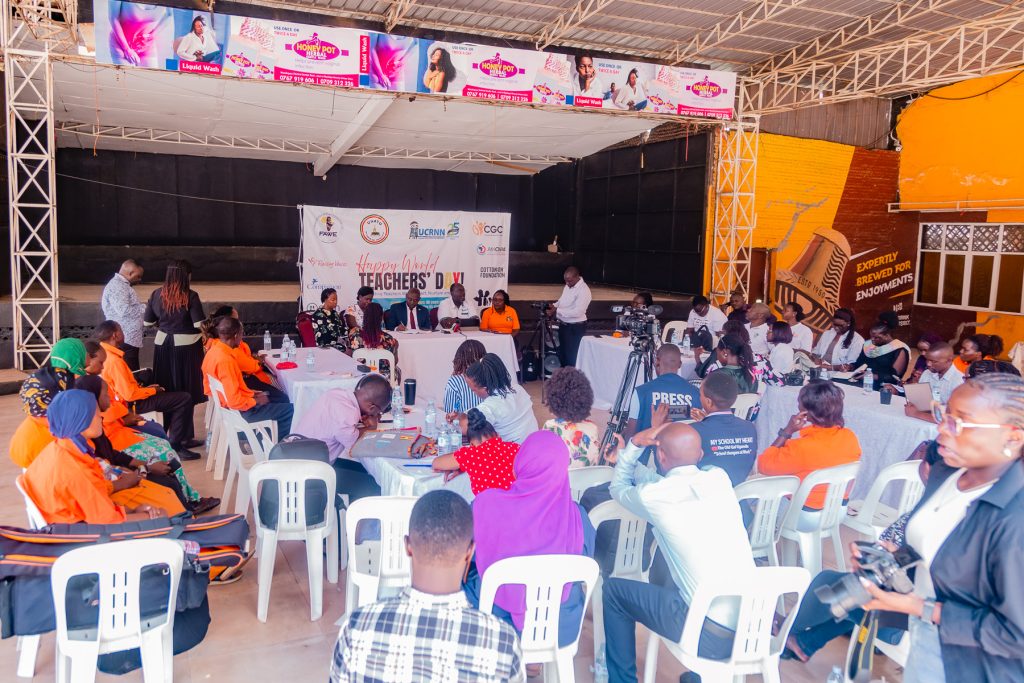
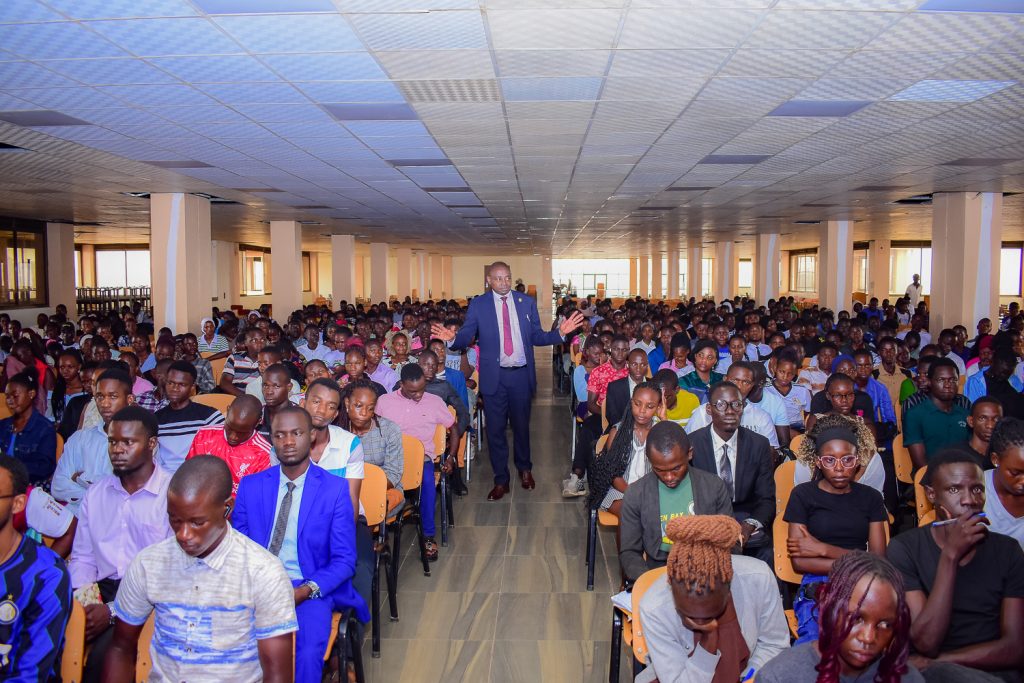
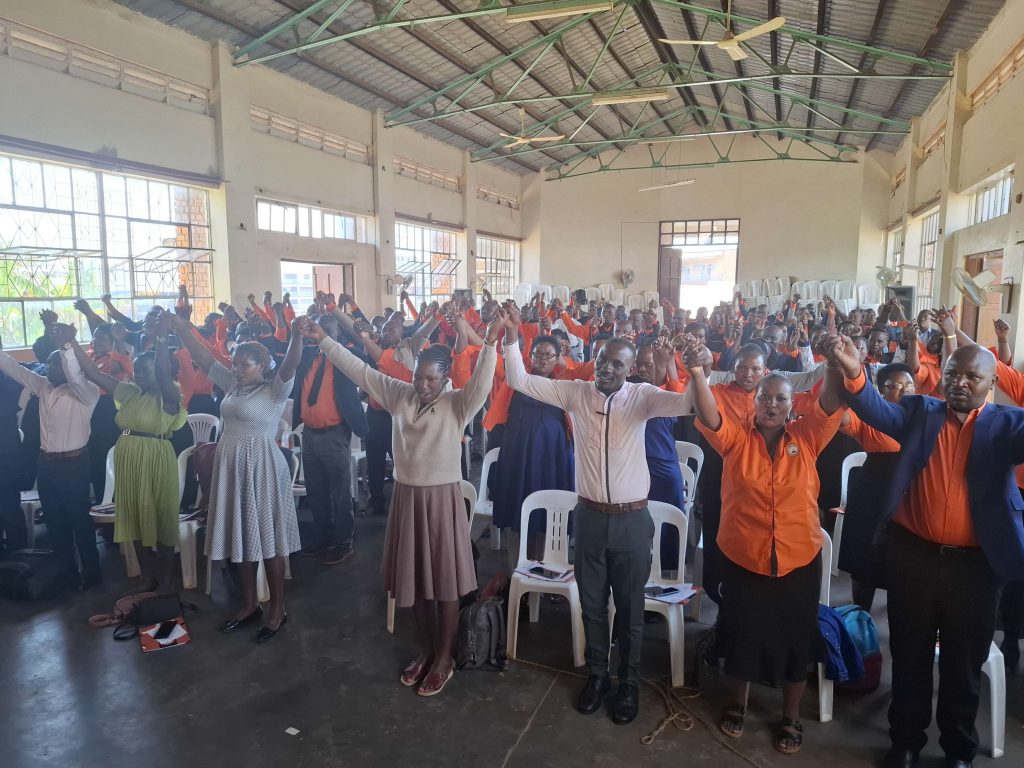
On 19th August 2024, the Teachers House in Mbarara City hosted a youth training workshop organized by the Uganda National Teachers’ Union (UNATU). The meeting attracted 146 youth teachers from various districts across the South Western Region aimed at fostering leadership, promoting the spirit of unionism, and addressing key issues affecting young educators in the region.
The event, attended by key figures including the General Secretary, the South Western Regional Chairperson, the Vice Regional Chairperson, branch chairpersons from all districts in the region and the South Western regional Coordinator marked a significant moment for young educators.
The meeting commenced with introductions facilitated by the South Western Regional Chairperson, Turwomwe Denis, who introduced participants in clusters. He then invited the Regional Coordinator, Betty Nalunga, to deliver warm greetings. Nalunga extended a warm welcome to the youth teachers, encouraging them to feel at home at the Teachers House in Mbarara City.
Turwomwe, in his address, expressed gratitude to the union top leadership for organizing the training, describing it as a valuable opportunity. He acknowledged the challenges of early retirement, emphasizing that even young teachers are affected. He encouraged attendees to engage fully in the training, stating, “Let us listen and learn so that by the time we leave, you are almost a changed person.”
The highlight of the event was the speech by the General Secretary, Baguma Filbert Bates, who commended the teachers for their commitment to improving the teaching profession. He stressed the importance of youth involvement, proclaiming, “There is nothing for us without us, especially the youth.” He highlighted the need for reliable information, revealing that fewer than ten teachers had visited the union’s website, indicating a lack of information awareness. He emphasized the importance of authentic updates, available on the union’s website (www.unatu.org), and introduced the ICT Assistant to guide participants in navigating it.
Addressing misconceptions, The GS clarified that UNATU is not solely for primary school teachers, illustrating this with the testimony from a chairperson from the secondary sub-sector who rose to leadership despite being one of two delegates from the sector during an election. He encouraged the youth to seize available opportunities and debunked the notion that leadership requires extensive qualifications, urging them to “be bold and stand.”
The GS posed questions to the audience to gauge their knowledge of the union, reinforcing the importance of understanding UNATU’s history and mandate. He elaborated on teachers’ rights, including their entitlement to leave and representation, and stressed the significance of knowing and defending these rights, especially for female teachers who are often vulnerable.
On the National Teachers Policy, he explained the need for salary enhancements to coincide with policy implementation, advising young teachers to upgrade their qualifications promptly. He outlined frameworks within the policy, including the social dialogue framework, Teacher incentive framework and the continuous professional development framework.