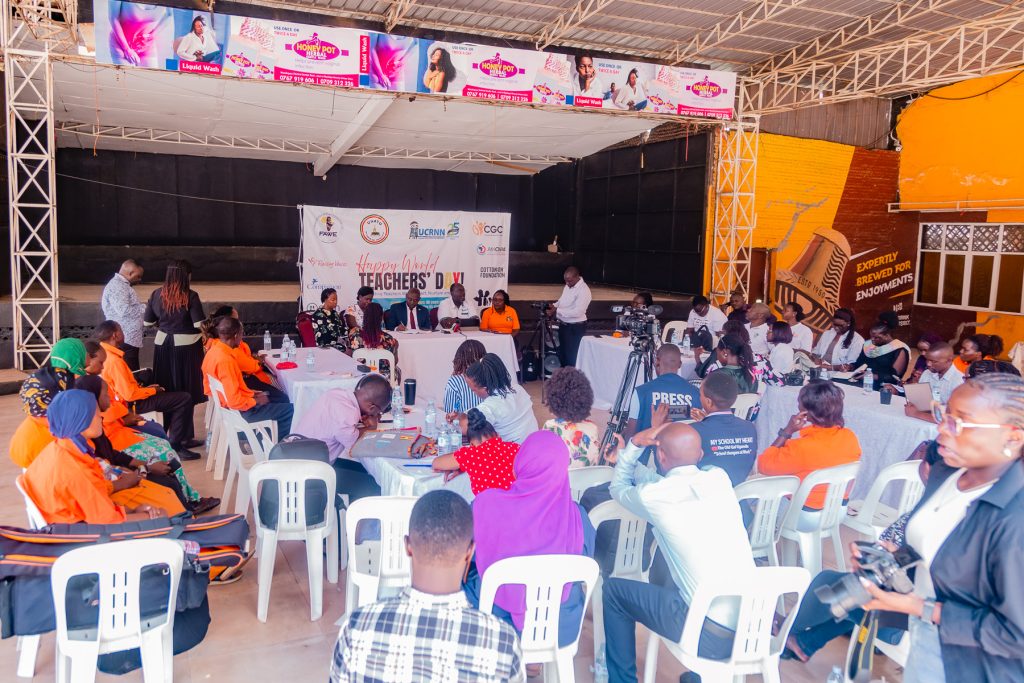
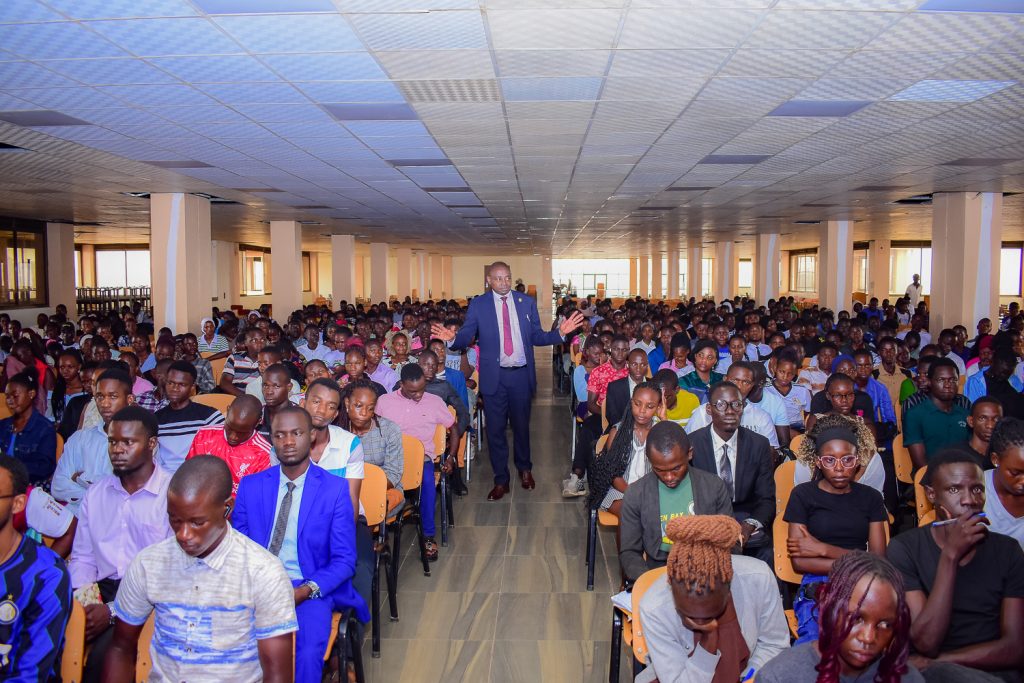
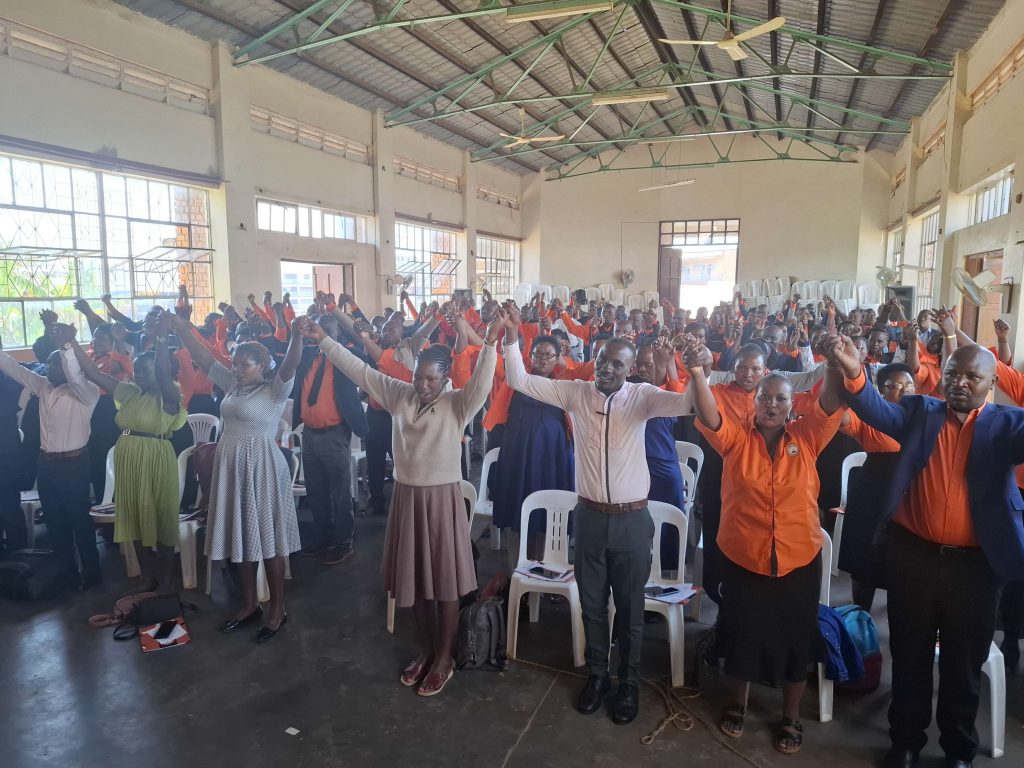
Mbarara City, 20th August 2024 – The Human Resource Stakeholders’ meeting, held at the Social Catholic Center in Mbarara City, gathered key figures to address pressing issues affecting teachers in the South Western Region. The discussions, spearheaded by Uganda National Teachers’ Union (UNATU) leaders and Human Resource Officers (HROs), centered on enhancing teacher welfare, bridging communication gaps, and strengthening strategic partnerships.
The meeting saw participation from HROs, National Chairperson, UNATU, the Regional Chair for South Western, the General Secretary of UNATU, Branch Chairpersons, the Regional Coordinator South Western, and Branch staff from the districts, municipalities, and City in South Western Region.
Welcome remarks from the Regional Chairperson South Western
Turwomwe Denis, the Regional Chairperson for South Western Region, opened the meeting by welcoming the HROs and stressing the importance of collaboration in creating a conducive working environment for teachers. He highlighted unresolved issues such as the non-approval of UNATU’s Code 257 and the complexities introduced by the transition to the Human Capital Management (HCM) system. He urged the participants to work together to address these challenges and expressed hope for productive discussions.
Official Opening by the National chairperson
The meeting was officially opened by the National Chairperson of UNATU, Tumuhimbise Zadock, who expressed gratitude for the efforts of the HROs, despite their heavy workloads. He acknowledged the strong relationship between UNATU, HR officers, and other stakeholders but pointed out concerns such as payroll deletions, delayed subscription remittances, and untimely teacher transfers. Tumuhimbise highlighted the transition from the Integrated Personnel and Payroll System (IPPS) to HCM, urging HR officers to openly discuss the issues they face during this transition and to continue their close collaboration with UNATU.
Key Note Address from the General Secretary
Baguma Filbert Bates, The General Secretary of UNATU, emphasized the critical role of HROs in the education sector, referring to them as strategic partners. He discussed the importance of closing information gaps that hinder effective service delivery, particularly in areas such as teacher retirement, promotions, and transfers. He called for a balanced approach in the Rewards and Sanctions Committees, which have been skewed towards sanctions rather than rewards. Baguma also raised concerns about the inconsistencies in payroll schedules, the emergence of new unions, and the challenges arising from the HCM system.
The Plenary Session
During the plenary session, HROs echoed the GS’ concerns, particularly the issue of information gaps, and requested UNATU to allocate funds for training, with HR officers actively participating. They also discussed the need for continuous sensitization on teacher appraisals and the handling of multiple loans, which have increasingly become a problem due to insufficient information. The HROs urged UNATU to lobby for improved information flow, especially in the areas of recruitment, confirmation, and early retirement.
Response from the GS
Responding to the issues raised, Baguma Filbert Bates, the General Secretary of UNATU, provided further insights. He addressed the growing concern over multiple loans, noting that teachers often fall victim to predatory lending practices due to a lack of information. He called on HR officers to work to find solutions by offering better guidance and training on financial management. The GS also discussed the importance of early communication, especially in matters of payroll and deductions, to prevent disputes and ensure timely reconciliation.
He also touched on the validation exercise which has affected the teachers. He emphasized the need for continuous engagement with HR officers to ensure that teachers are well-informed about their rights and responsibilities. He also highlighted the importance of involving technical experts in events such as World Teachers’ Day to provide valuable information on retirement, leave, and conditions of service something that Chairpersons should note.
Baguma addressed the issue of teacher confirmation, noting that some teachers have served for decades without being confirmed. He called on branch leaders to identify such cases so that they can be addressed promptly. He also spoke about the laptop scheme for UNATU members, explaining that the tax waiver has been secured for domestic taxes, with the remaining issue being the Value Added Tax (VAT). The goal is to provide affordable laptops to teachers, payable in installments.
In his closing remarks, Baguma reiterated the importance of strong relationships between UNATU and HR officers. He encouraged the sharing of schedules and information on coding, emphasizing that early dissemination of information is key to avoiding misunderstandings and ensuring smooth operations. He assured the participants of UNATU’s commitment to addressing the issues raised and working closely with HR officers to enhance teacher welfare.
Closing Remarks
The meeting concluded with the National Chairperson expressing his gratitude for the active participation of all stakeholders. He reaffirmed UNATU’s commitment to maintaining strong working relationships and ensuring timely communication on emerging teacher issues. The Chairperson officially closed the meeting, thanking the participants and wishing them a safe journey home.
The discussions and resolutions from this meeting are expected to pave the way for improved teacher welfare, more effective communication, and a strengthened partnership between UNATU and the Human Resource Officers in the South Western Region.