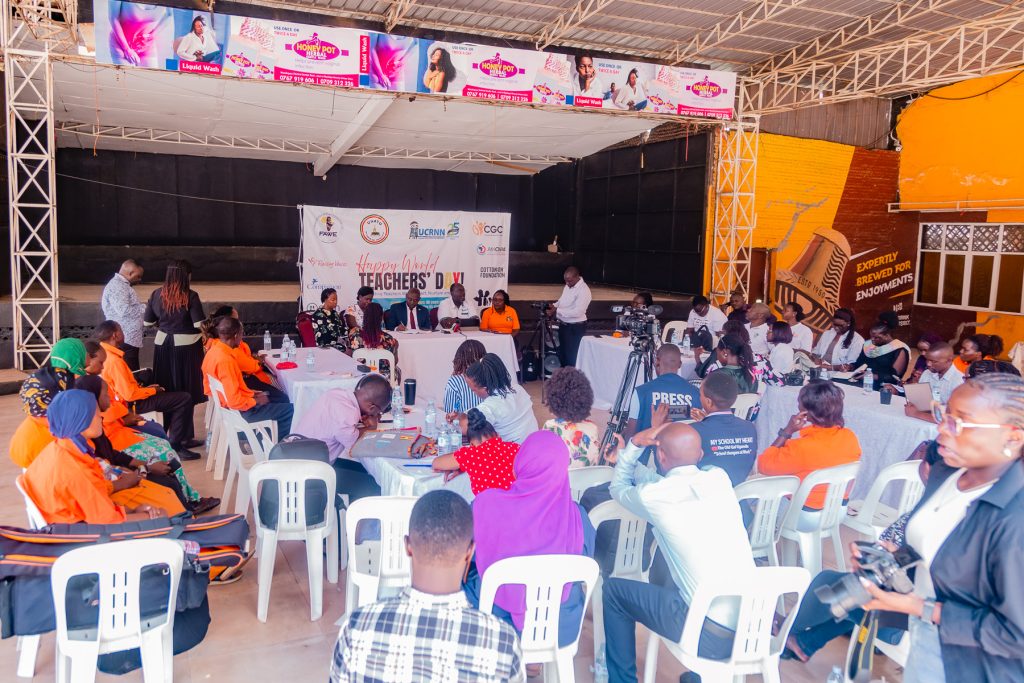
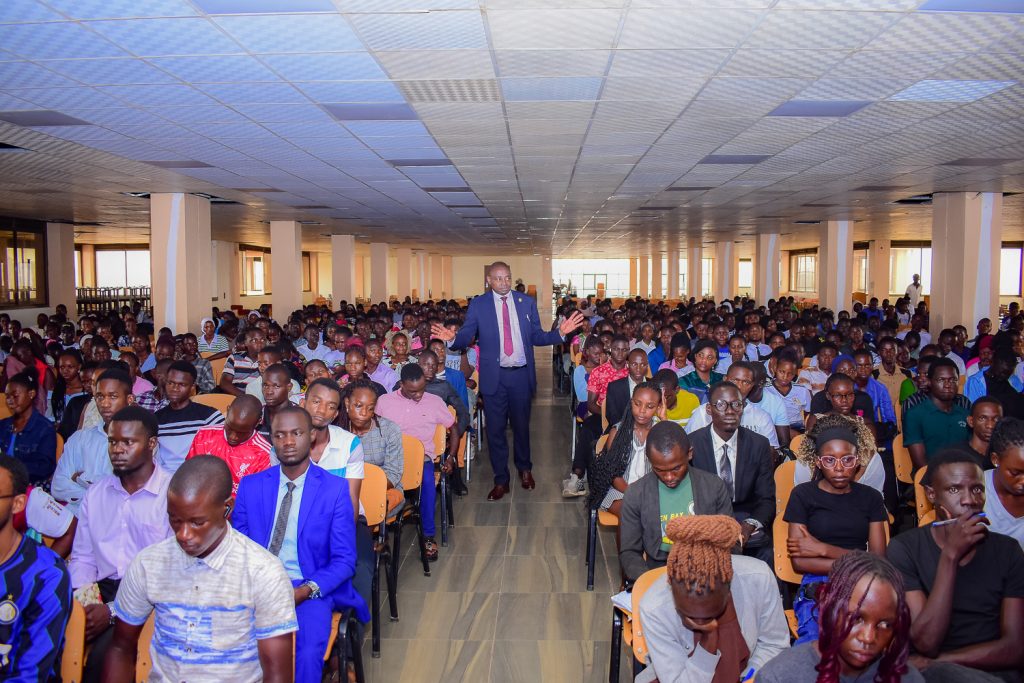
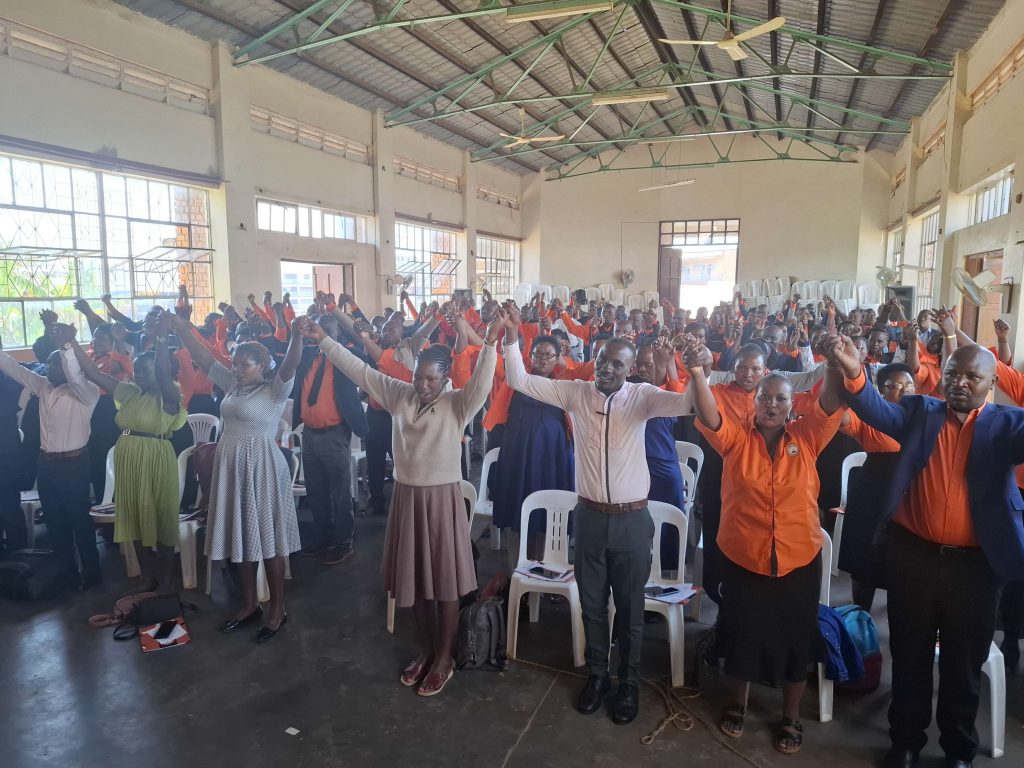
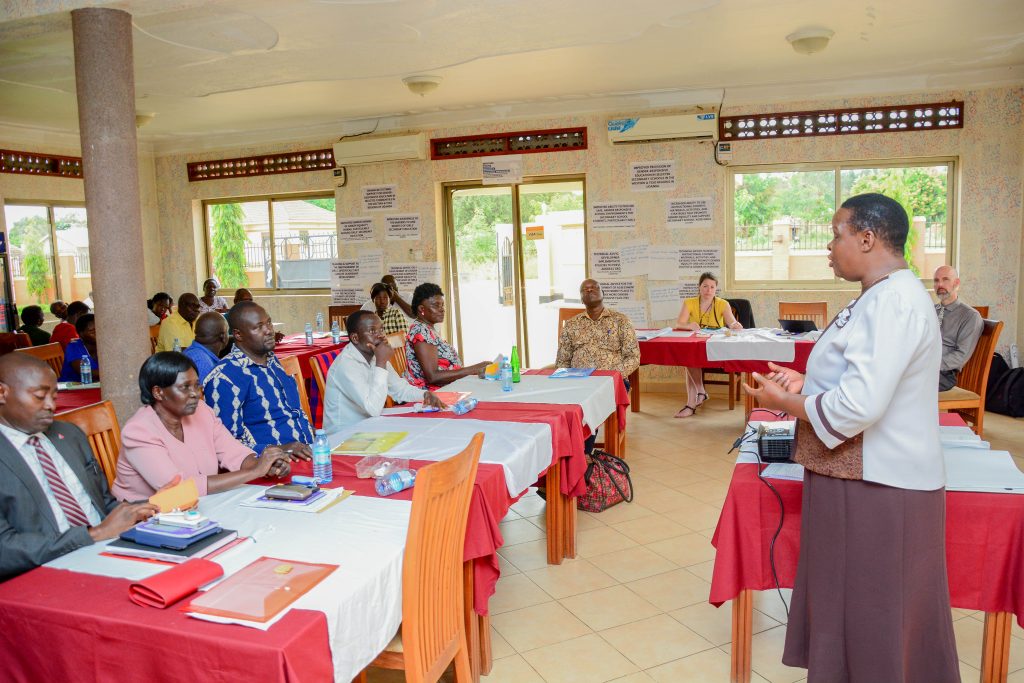
On October 7, 2024, the Simameni Project facilitated a workshop on School-Related Gender-Based Violence (SRGBV) prevention at North-East Villa Country Resort. The event aimed to strengthen the capacity of Board of Governors (BoG) and Parent-Teacher Association (PTA) committees within Bukedea and Ngora Districts to address SRGBV in their communities. Attendees included branch chairpersons from both districts, the Vice National Chairperson, BoG and PTA representatives, and members of the Simameni School Education Committee.
Welcome Remarks from the Regional Chairperson, Teso
The workshop began with welcoming remarks from Teso Regional Chairperson Paul Ojilong, who praised the dedication of stakeholders in supporting students’ mental, physical, and educational well-being. He recognized the Simameni Project’s role, funded by the Canadian Teachers’ Federation (CTF) and the Government of Canada, in empowering Teso Region schools to address SRGBV and other pressing issues such as drug use and violence. Ojilong acknowledged the critical contribution of law enforcement at the event, noting the importance of addressing violence against both girls and boys.
Workshop Context, Overview, and Objectives
Grace Alubo, the Project Officer for Simameni in Teso, emphasized the importance of active stakeholder involvement, outlining the workshop’s objectives of enhancing BoG and PTA understanding of SRGBV, equipping them to support community policies addressing gender-based violence, and fostering safe school environments.
Remarks from the CTF Program Officer
Cheryl Sheffield, Simameni Program Officer from the CTF, highlighted the deep-rooted partnership between CTF and UNATU, applauding its role in advancing gender equality in schools. She praised the dedication of Simameni schools and encouraged participants to take pride in their roles as educational and community leaders, noting Canada’s recognition of their work. She outlined how Canadian schools have evolved to combat SRGBV through national action plans, strengthened accountability, and inclusive policies.
Official Opening by the Deputy General Secretary
UNATU’s Deputy General Secretary, Duluga Buni Phillip, lauded the collaboration with CTF and praised the success of Simameni in increasing student enrollment, retention, and inclusion, especially for the girl child. He urged the participants to embrace non-violent methods of discipline, adhere to government policies on gender responsiveness, and contribute to a secure school environment.
Gender-Based Violence: Manifestations and Perpetrators in Schools and Communities
In an engaging session, Aja Joan, the Gender Officer, led a discussion on the causes and forms of SRGBV, including teenage pregnancies, forced marriages, and the low prioritization of education. Joan encouraged participants to share their experiences, discuss effective approaches to prevent SRGBV, and commit to ending violence in their communities and schools.
Reflection of School-Related Gender-Based Violence in Canada: Past, Present, and Future
The event also featured a presentation by Cheryl Sheffield on Canada’s journey in addressing SRGBV. She reflected on societal changes over time, noting that while significant progress has been made, challenges such as verbal abuse, bullying, and enforcing accountability remain. Sheffield called for partnerships and inclusiveness to drive further change and encouraged Ugandan stakeholders to adopt similar approaches for a safe educational environment.
Addressing SRGBV in Schools
Okuna Geoffrey, Ngora District Inspector of Schools, shared actionable strategies for BoG and PTA members to mitigate SRGBV, such as providing meals, guidance sessions, and mobilizing resources. He also underscored the importance of parental involvement and setting policies to protect vulnerable students.
Support and Reporting of GBV Cases
Officer Engeru John briefed participants on SRGBV case handling, covering procedures for reporting, legal recourse, and counseling. He also emphasized community sensitization on the risks of domestic violence to cultivate a safer environment.
Group Sessions
A group session allowed participants from Bukedea and Ngora Districts to explore strategies to combat SRGBV in their communities and schools, such as forming Simameni clubs, establishing role models, and promoting gender-sensitive practices in schools. Other ideas included increasing community outreach through drama, providing bursaries, and improving basic school facilities like clean water and safe learning environments.
Closing Remarks from the Vice National Chairperson
Closing the workshop, UNATU’s Vice National Chairperson, Okwalinga Grace, commended attendees for their commitment to SRGBV prevention. She acknowledged the benefits the Simameni Project has brought to schools, communities, and students, emphasizing the importance of solidarity and empathy. Okwalinga highlighted the responsibility of PTAs and BoGs to stand as role models and called for ongoing efforts to mentor both girls and boys. She concluded with a reminder of the importance of unity among teachers across disciplines and the need for stakeholders to leave a positive legacy within their communities.
The Simameni workshop exemplified the project’s commitment to addressing SRGBV by empowering key stakeholders and providing them with essential resources and knowledge to create safer and more inclusive school environments for Bukedea and Ngora Districts.