Hoima City | 18 August 2026
Head teachers in Hoima City have been told that strong school performance depends not only on targets and reports, but also on mental wellbeing, professional discipline and systems that continue working beyond one individual.
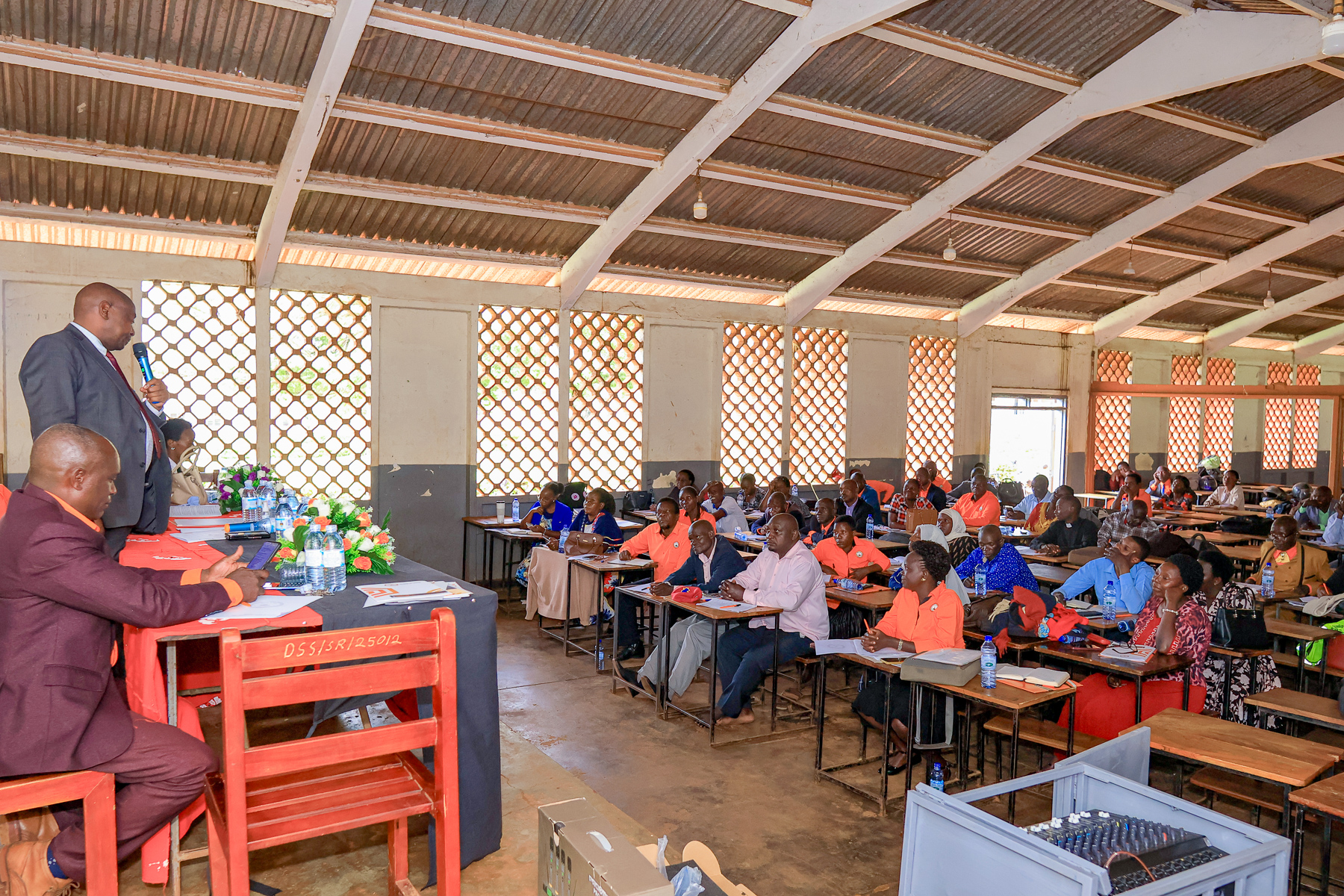
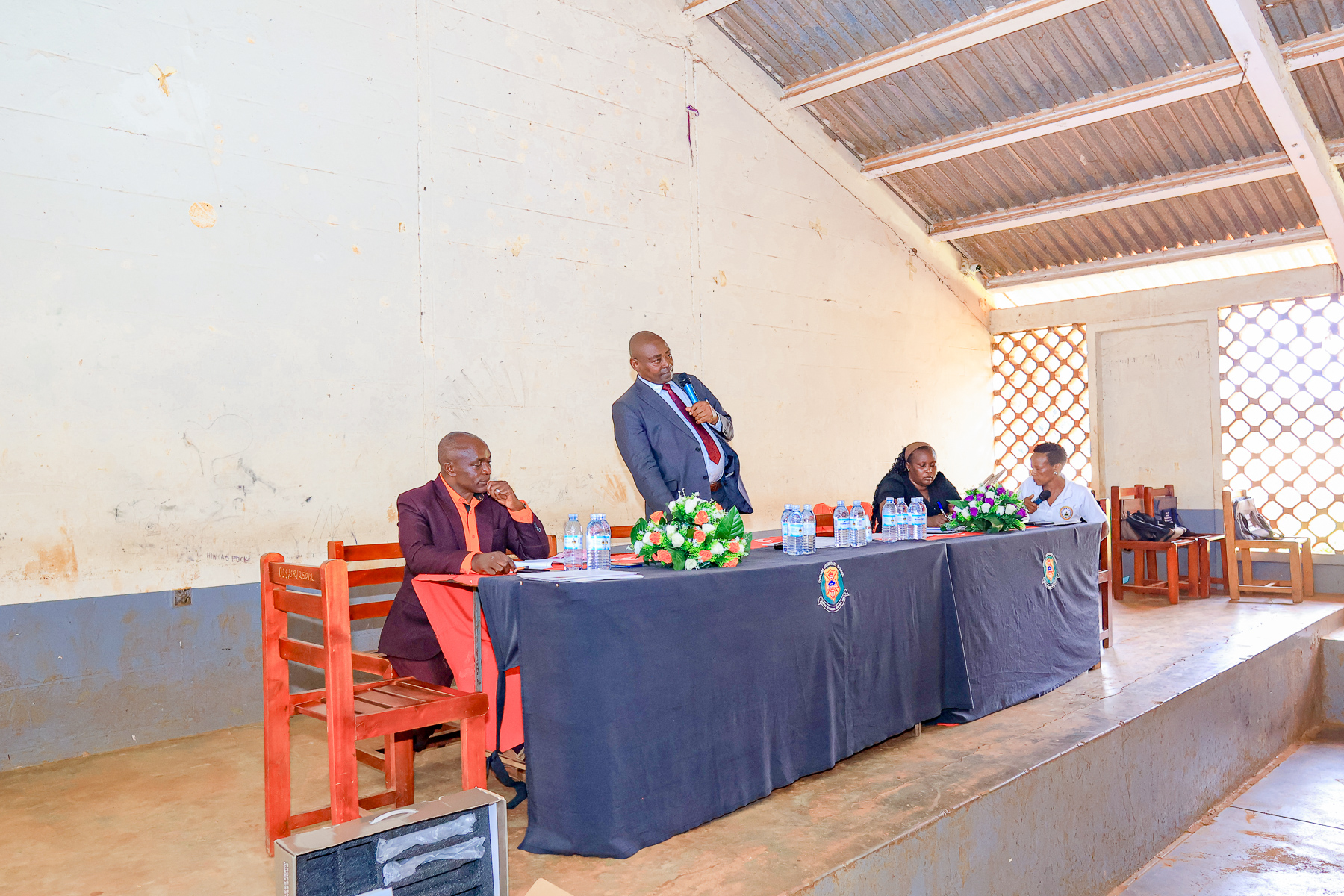
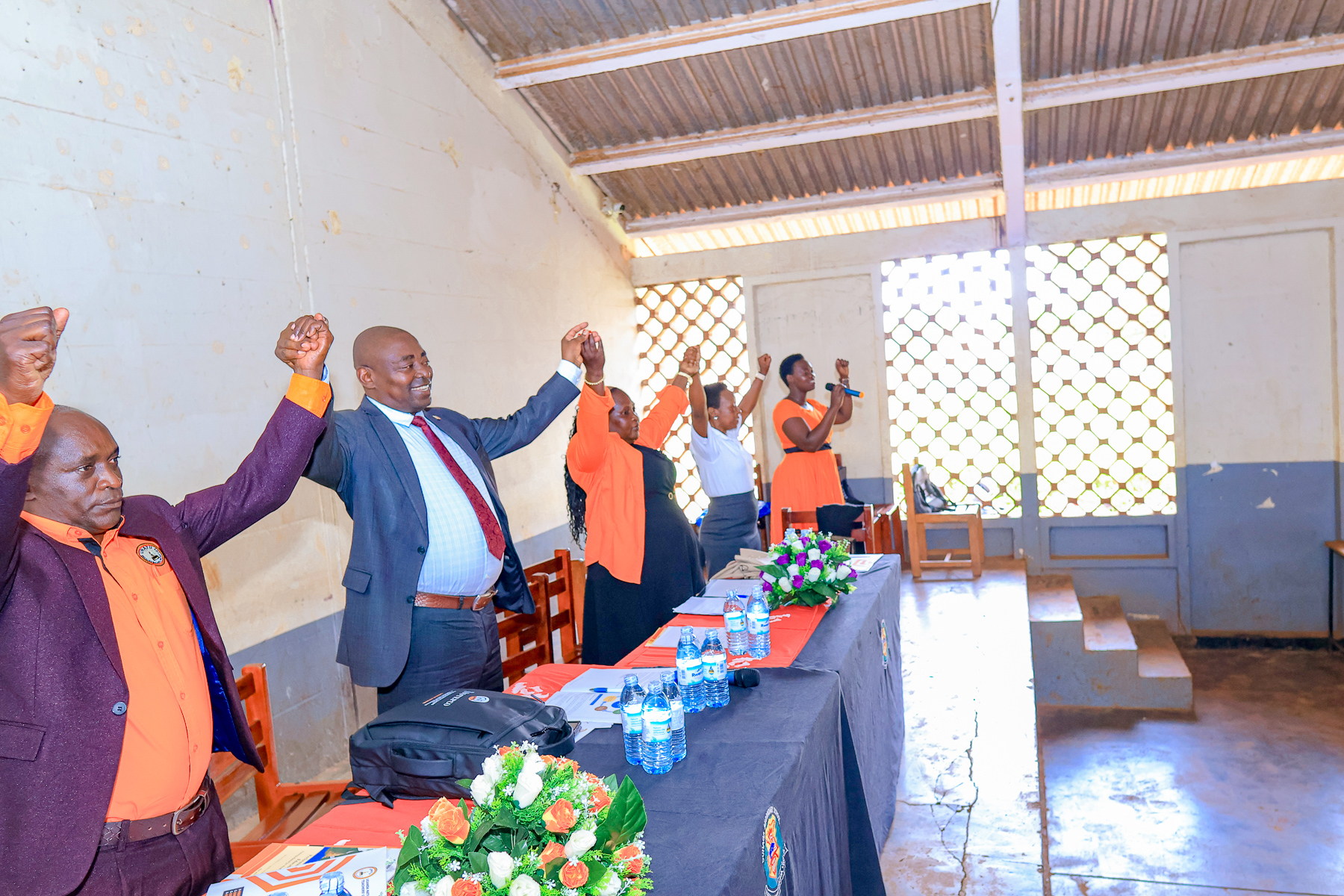
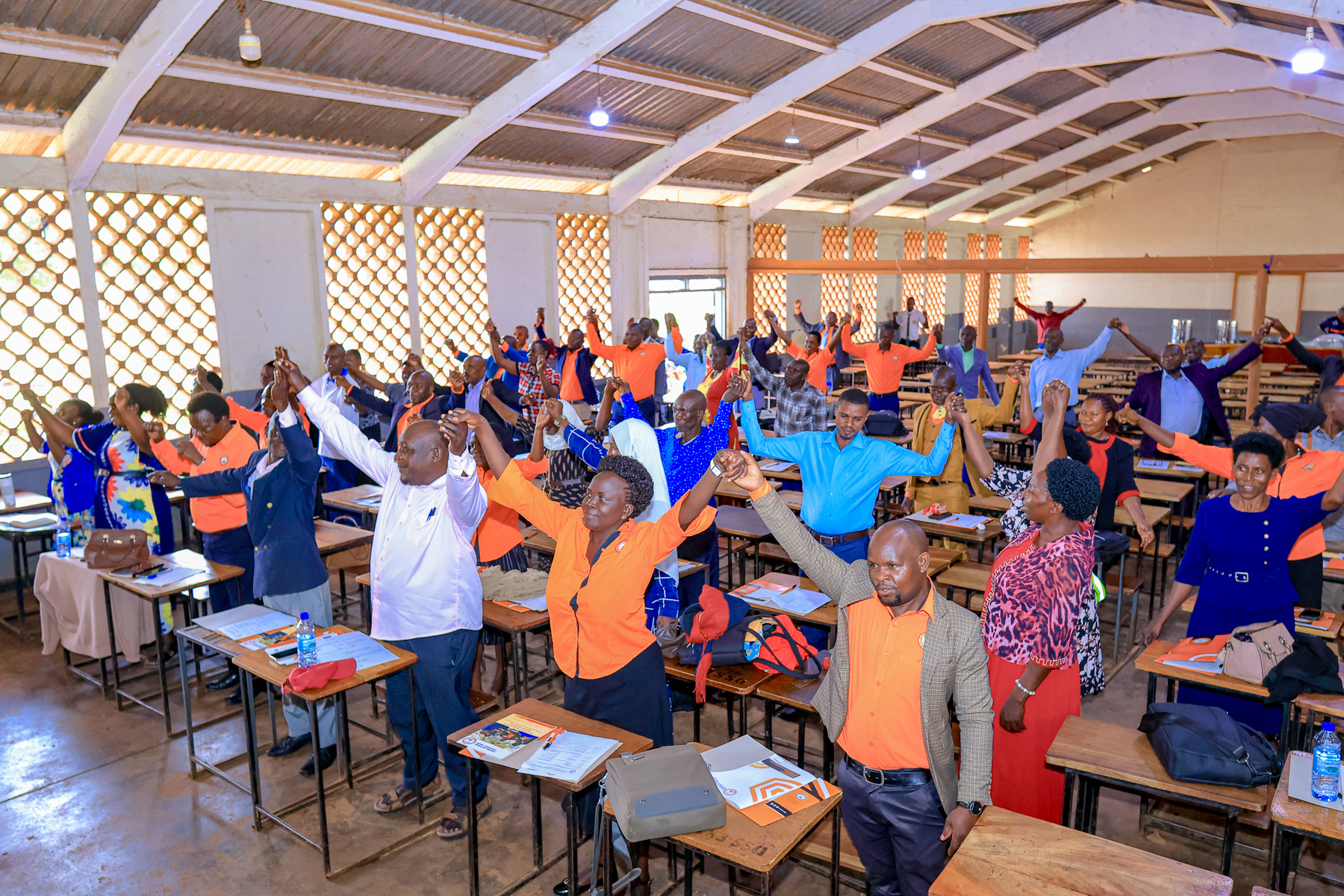
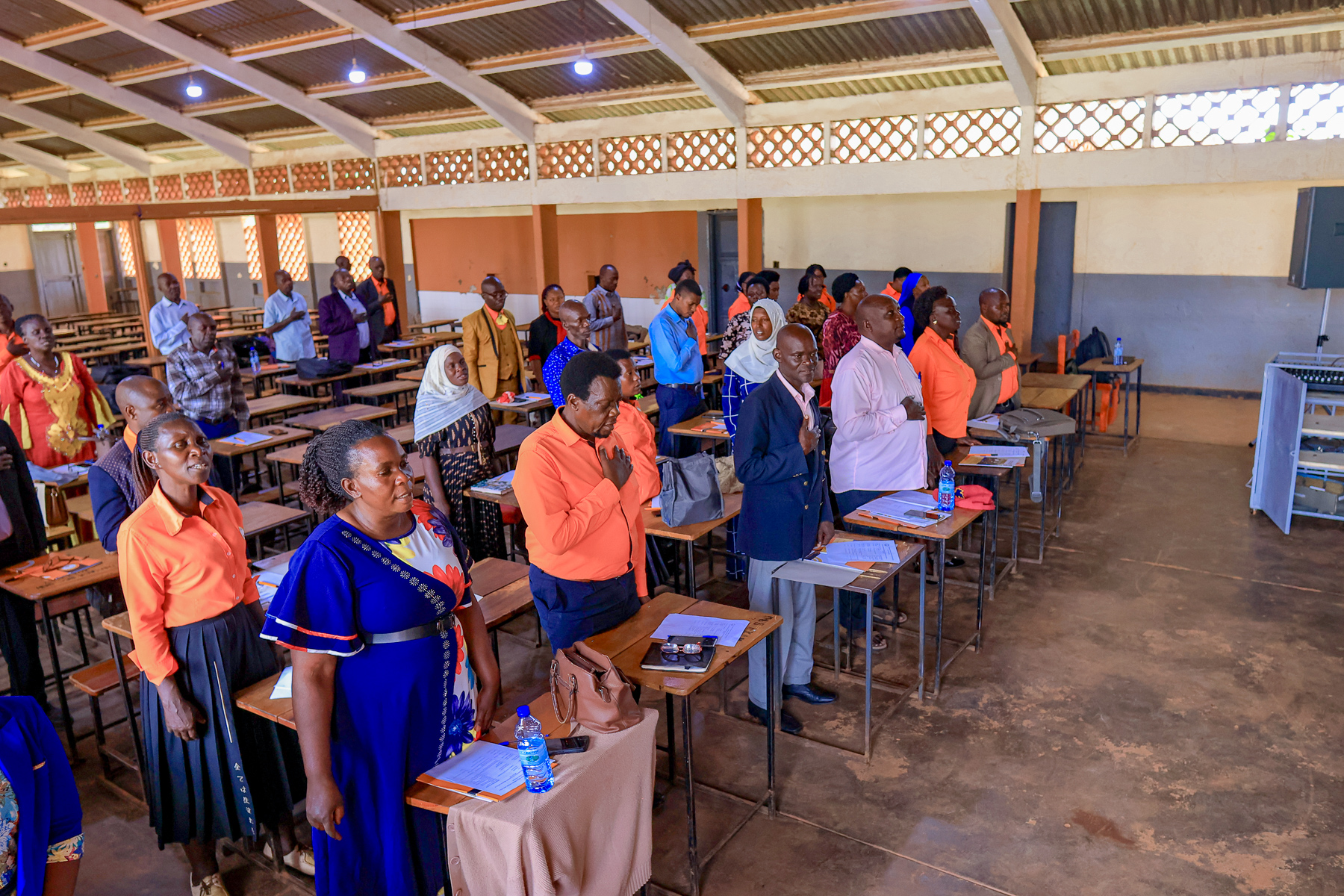
The message was delivered during a Head Teachers’ Performance Management Training organised by the Uganda National Teachers’ Union (UNATU) at Duhaga Secondary School on 18 August 2026.
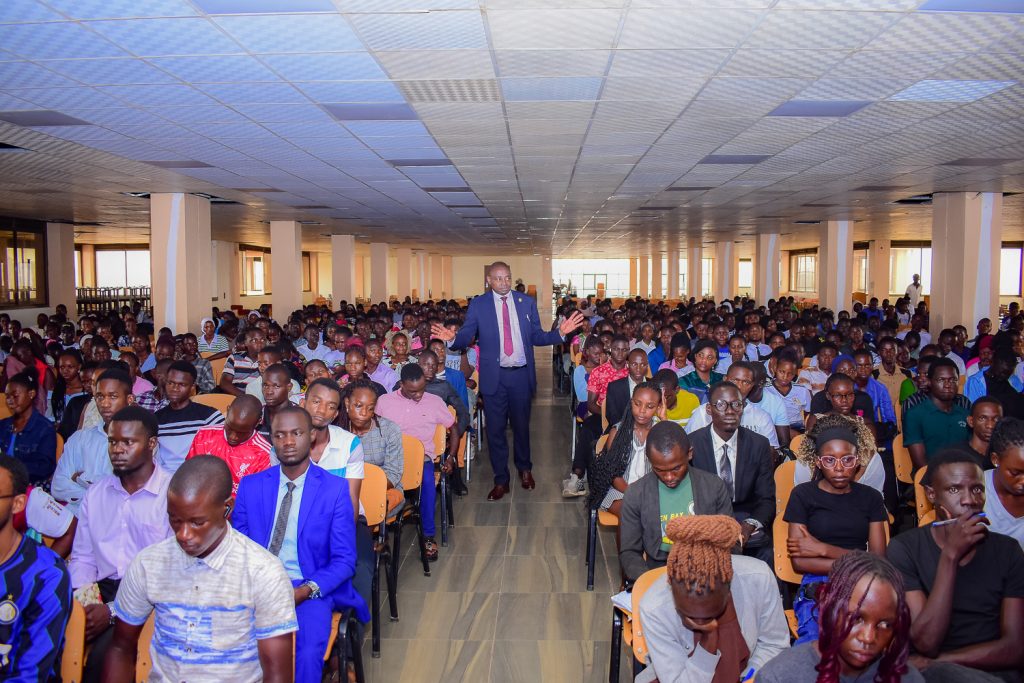
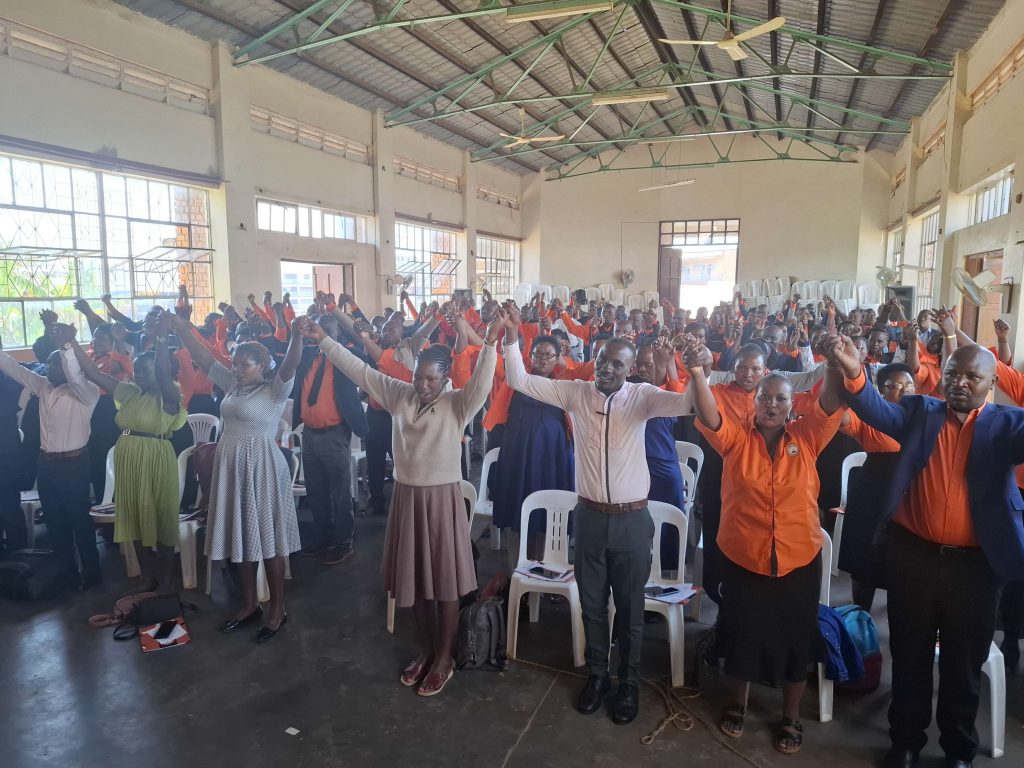
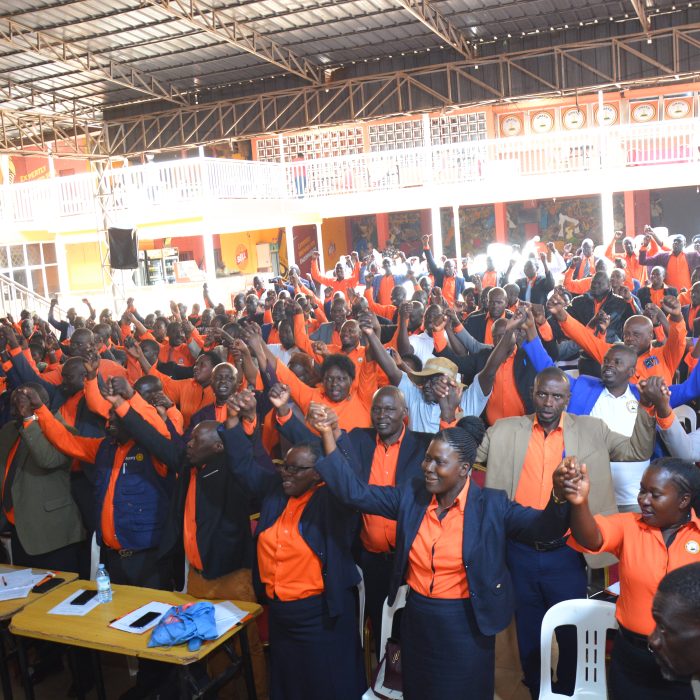
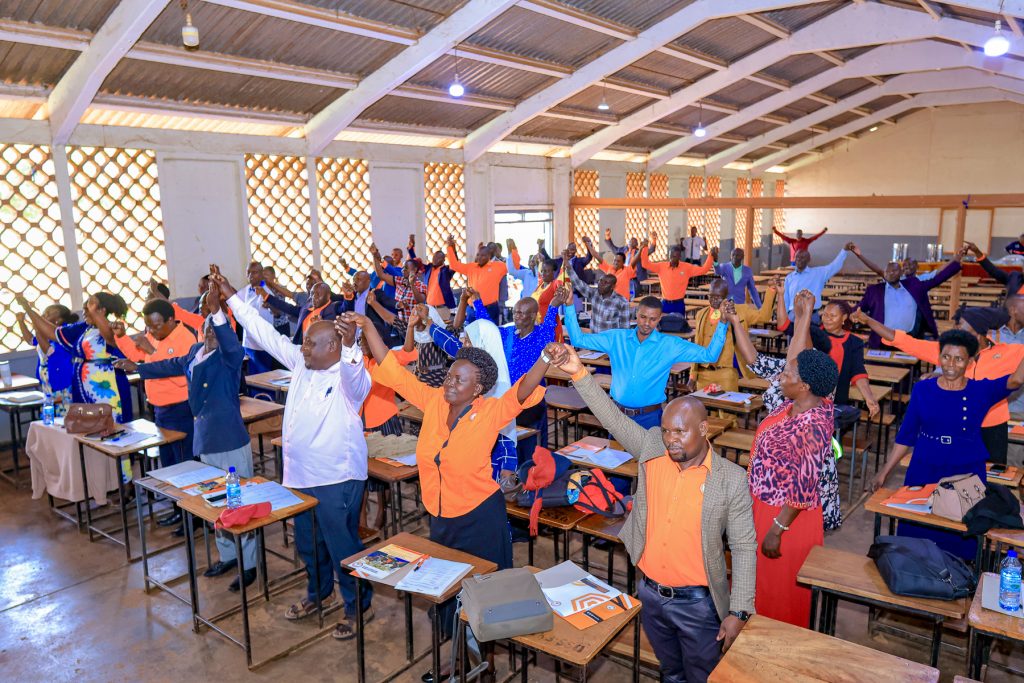
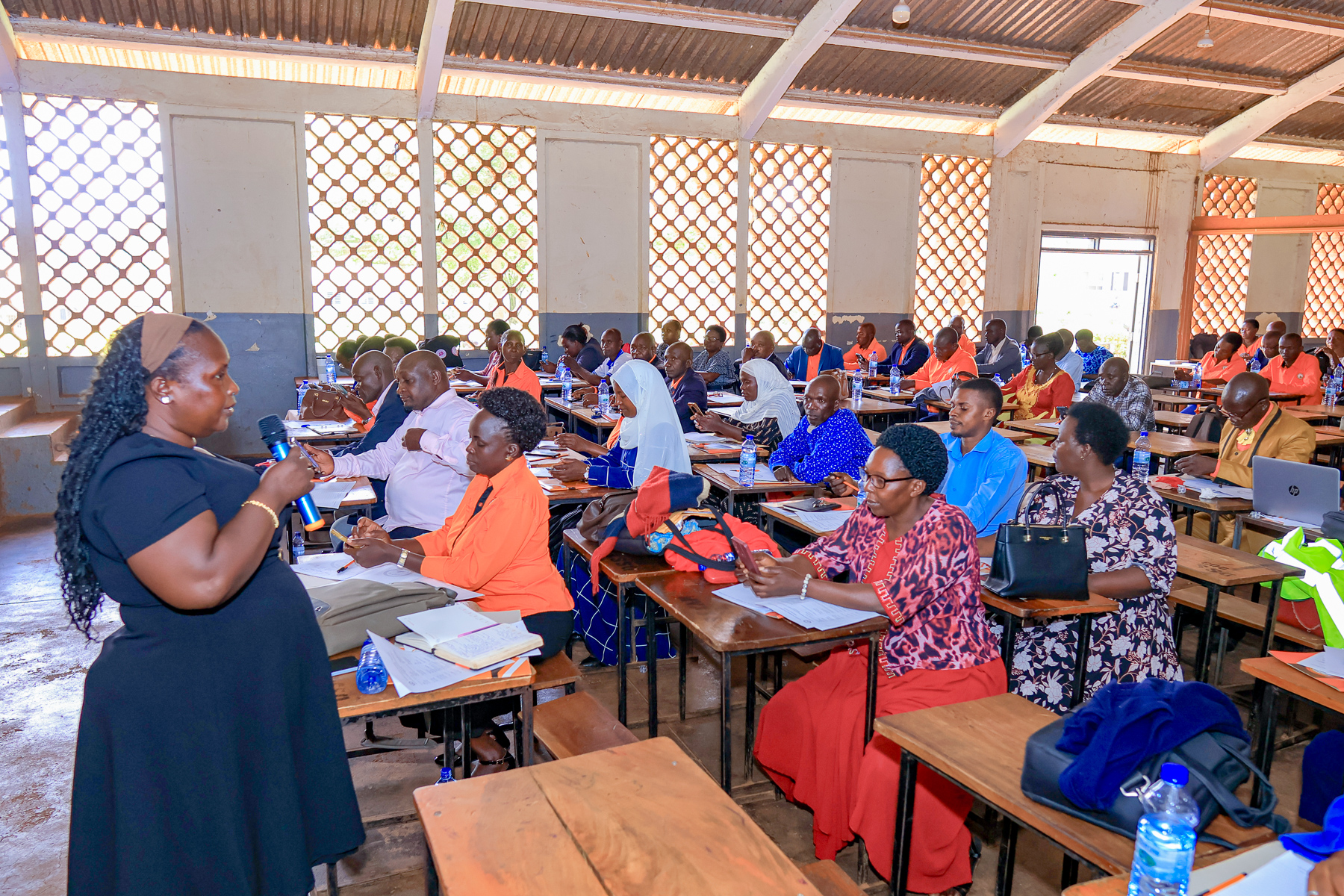
The training brought together 71 head teachers from primary and secondary schools for a focused engagement on performance management, staff appraisal, mental health, membership education, digital Union platforms and emerging policy developments affecting the teaching profession.
A call for unity across subsectors
In her welcome remarks, the Hoima City Branch Chairperson, Kabayaga Robbinah, welcomed the head teachers and appreciated their participation across the different education subsectors.
She introduced members of the Branch Executive Committee and reminded participants that belonging to UNATU is not about whether one teaches science or arts, or whether one serves in primary or secondary. She said the Union remains a common home for teachers.
She noted that the Branch Executive Committee includes a member from the secondary subsector who has shown strong commitment to the Union, which she said reflects UNATU’s inclusive character.
The Branch Chairperson encouraged head teachers to take the training as both a learning opportunity and a refresher on the Head Teachers’ Performance Management Manual.
She also reminded participants of Union services, including bereavement support, and urged head teachers to promote UNATU visibility by embracing corporate wear.
She said when head teachers wear Union corporate wear, they encourage the teachers under their supervision to do the same.
Kabayaga called for unity among head teachers, warning that divisions weaken the profession and reduce the collective strength of teachers.
She also welcomed the recent salary enhancement, noting that many head teachers had benefited from the improvement.
Head teachers asked to speak freely
Speaking during the opening session, a representative of the Head Teachers’ Association in Hoima District thanked UNATU for its continued advocacy for teachers, with the General Secretary at the forefront.
He encouraged participants to speak openly about the challenges they face in their schools and communities.
He said Union matters, including subscription, membership benefits and teacher welfare, should be discussed freely so that teachers understand the value of belonging to UNATU.
He reminded participants that joining the Union is voluntary, but active members are better positioned to benefit from the services and support provided by UNATU.
He also appreciated the recent salary enhancement and recognised the Union’s sustained efforts in advocating for improved teacher welfare.
He urged head teachers to follow UNATU’s regular updates so that they remain informed about developments affecting the profession.
He further reminded them that school leaders must account for lost time and remain accountable in the management of their institutions.
He then declared the meeting officially open.
Membership education and digital access
A Master Trainer led participants through a membership education session, including how to download and use the MyUNATU App.
Head teachers were encouraged to support teachers in their schools to access authentic information through official UNATU platforms.
The session formed part of the Union’s wider effort to improve member engagement, strengthen awareness of Union services and promote digital access to information.
Participants were also reminded that misinformation can easily spread where teachers do not follow official communication channels.
Leadership and mental wellbeing
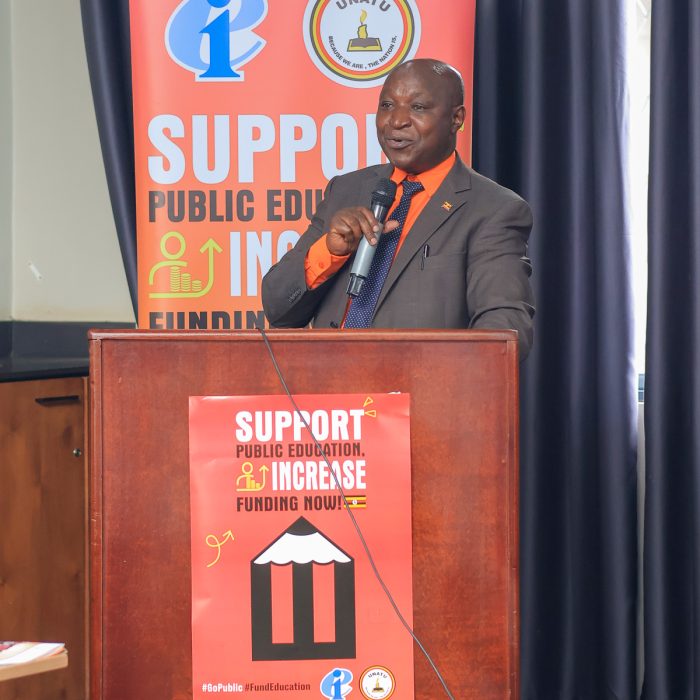
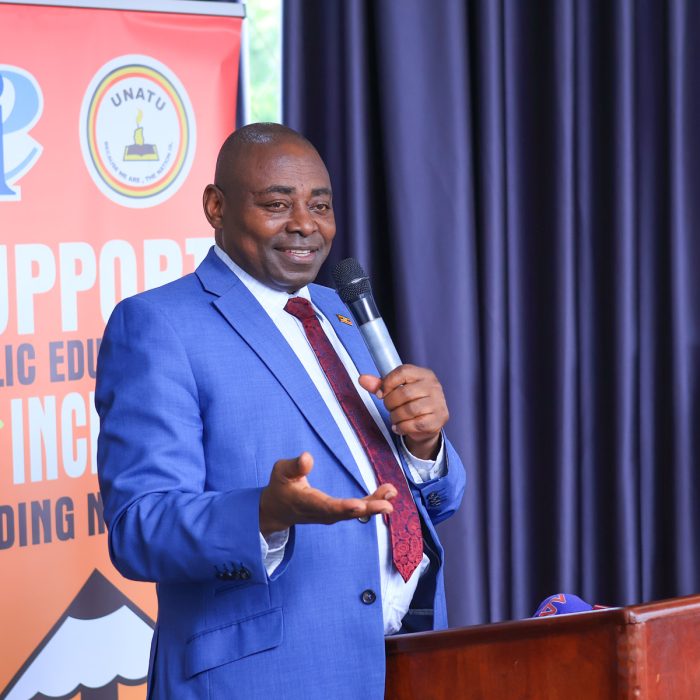
In his presentation, UNATU General Secretary Baguma Filbert Bates welcomed the head teachers and appreciated them for attending the training.
He recognised those who had served the teaching profession for many years, including some who had been in service for more than 32 years.
He reminded head teachers to work within the laws, policies and procedures that guide the teaching profession and public service.
The General Secretary said 21st-century school leaders must understand mental health and how it affects performance.
He noted that head teachers operate under pressure from many directions, including teachers, learners, parents, district leaders, community leaders and other stakeholders.
That pressure, he said, requires them to take their own wellbeing seriously while also paying attention to the wellbeing of the teachers they supervise.
He explained that mental health is part of general health and affects how people think, feel, behave, relate with others and cope with the demands of life.
He added that mental wellbeing exists on a continuum. A person may be functioning well at one point, but move into stress, distress or illness depending on the pressures they face and the support available to them.
He said warning signs may include poor sleep, memory difficulties, withdrawal from others, irritability, lack of calmness, body pains and noticeable changes in behaviour.
The General Secretary urged head teachers to create school environments where teachers can reach out when they are struggling.
He asked them not to be quick to react, but to listen, understand and support teachers before problems escalate.
He also encouraged head teachers to seek professional counselling when necessary and to refer teachers who need support to trusted sources such as health centres, churches and other professional support systems.
‘Invest in yourself’
The General Secretary also spoke about work-life balance and personal wellbeing.
“You have to invest in yourself as an individual,” he said.
He reminded participants that a healthy mind must be supported by a healthy body, and warned head teachers against neglecting themselves while serving others.
He also spoke about stress caused by debt, personal pressure and ventures that demand resources one does not have.
He encouraged self-reflection and cautioned against personal wrangles that can push people into emotional distress.
The General Secretary further referred to the high death rate among teachers, noting that male teachers continue to be more affected. He used the concern to remind school leaders that wellbeing should not be treated as a side issue.
Policy literacy and professional responsibility
The General Secretary urged head teachers to read widely about their profession and school management.
He cited key documents such as the Public Service Standing Orders 2021, the National Teachers’ Policy and the National Teachers’ Act.
He explained that the National Teachers’ Act provides for the establishment of the National Teachers Council, which is expected to regulate the teaching profession through teacher registration, licensing, professional conduct and continuous professional development.
He noted that the renewal of teacher licences will be linked to Continuous Professional Development.
He said UNATU can continue to advocate for fair, affordable and practical implementation of licensing and CPD requirements, but teachers must also stay informed and united.
The General Secretary also discussed the Public Service Pension Act and the contributory pension provisions, under which Government contributes 10% and the employee contributes 5%, making a total of 15%.
He warned that the rise of multiple unions can weaken the collective strength of the teaching fraternity if teachers allow division to replace unity.
He urged head teachers to read professional literature, understand the policies affecting them and avoid being misled.
Building schools that work beyond one person
Turning to performance management, the General Secretary said the Human Resource section in the performance management manual had shifted towards a balanced scorecard approach.
He described performance management as a continuous process rather than a one-time activity.
He said effective school leadership requires planning for people, processes and performance.
Head teachers were encouraged to set clear key performance indicators and develop SMART goals that are specific, measurable, achievable, relevant and time-bound.
The General Secretary took participants through the performance management cycle, from planning to review and assessment.
He encouraged head teachers to review their plans weekly, monthly and annually so that emerging issues are identified early and addressed before they become bigger problems.
He said regular review makes it easier to develop Performance Improvement Plans where gaps are identified.
He also said school plans should include rewards and sanctions to promote accountability.
“The school must continue whether you are there or not,” he told participants, stressing that strong institutions are built on systems, not personalities.
He further urged head teachers to report accurately on what is taking place in their schools.
Pay, retirement and corporate wear discussed
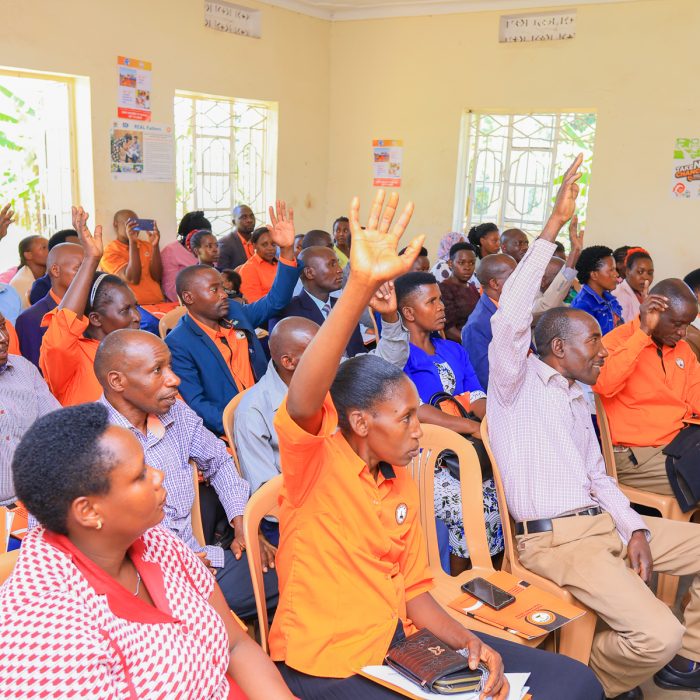
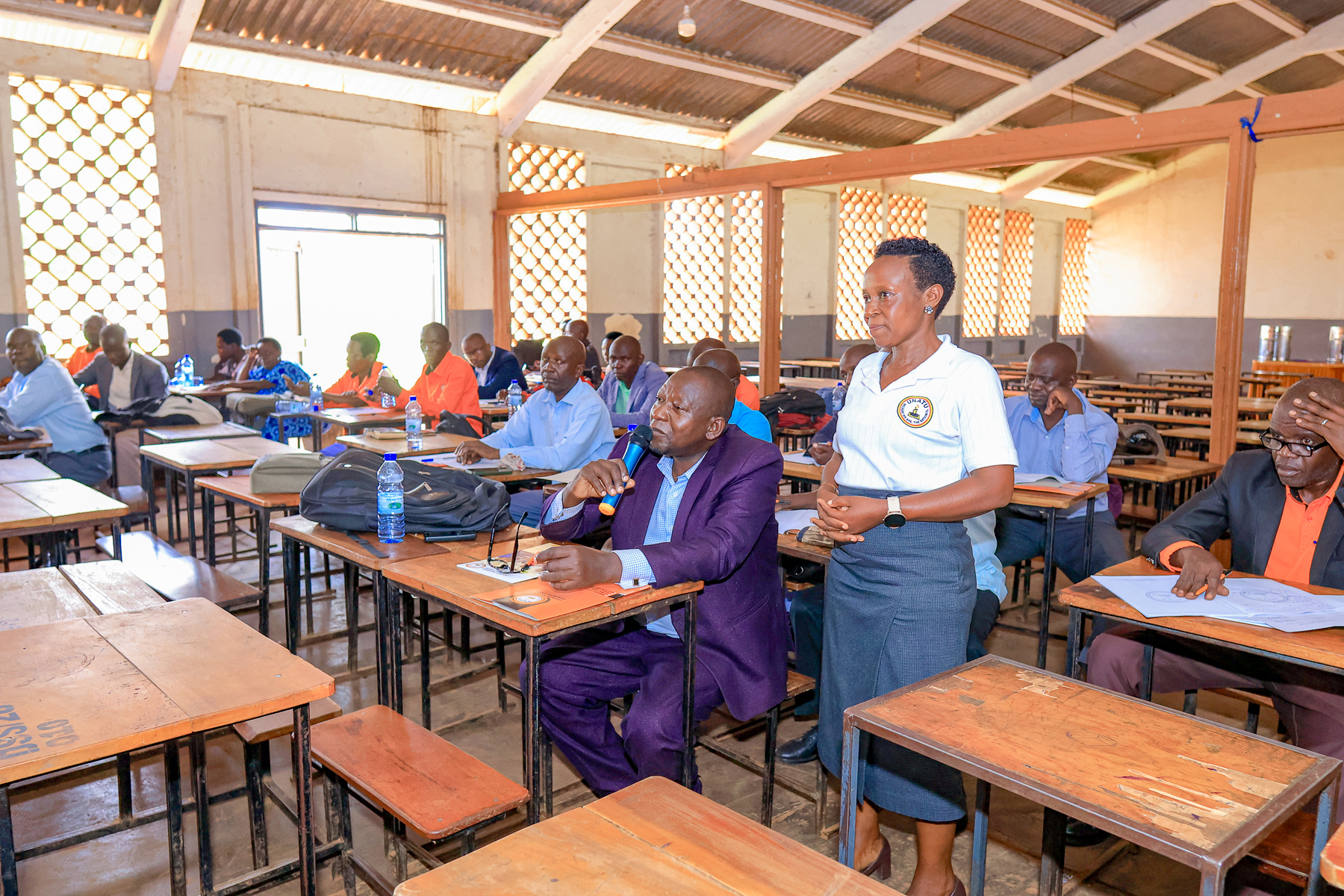
During the plenary session, participants raised issues on annual increments, salary enhancement, corporate wear, retirement and the recognition of retired teachers.
On salary matters, the General Secretary explained that UNATU continues to engage Government on the need to pay teachers according to qualification while also recognising additional responsibility through appropriate allowances.
He also noted that teachers who are close to retirement should, where possible, not be posted far from their home areas so that they can prepare for retirement more smoothly.
On corporate wear, he called for patience and explained that UNATU is working on a system to support members who received their corporate wear earlier and may now need replacement.
On retired teachers, he explained that retired teachers remain part of the UNATU family for life, provided the Union code remained on their last salary slip.
Human Resource Officer closes the engagement
In the closing remarks, the Human Resource Officer appreciated the head teachers for their active participation and encouraged them to put the lessons from the training into practice.
He noted that strong school leadership depends on accountability, planning, proper supervision and continuous communication.
He encouraged head teachers to use the knowledge gained to improve staff appraisal, support teacher wellbeing and strengthen school performance.
He also urged them to continue engaging with UNATU structures whenever they need clarification or support on professional and employment-related matters.
The training ended with a reminder that performance management is not only about forms, targets and reports. It is about people, systems, wellbeing and responsible leadership.
For the head teachers in Hoima City, the message was clear: schools perform better when leaders plan well, communicate clearly, support their teachers and build systems that can function even in their absence.
UNATU said it will continue engaging school leaders to strengthen professionalism, accountability and service delivery across the education sector.

Other posts