Masindi District | 19 August 2026
Head teachers from Masindi Municipality and Masindi Main have been told that strong schools are built on clear systems, accurate records, healthy staff and leaders who understand the policies guiding the teaching profession.
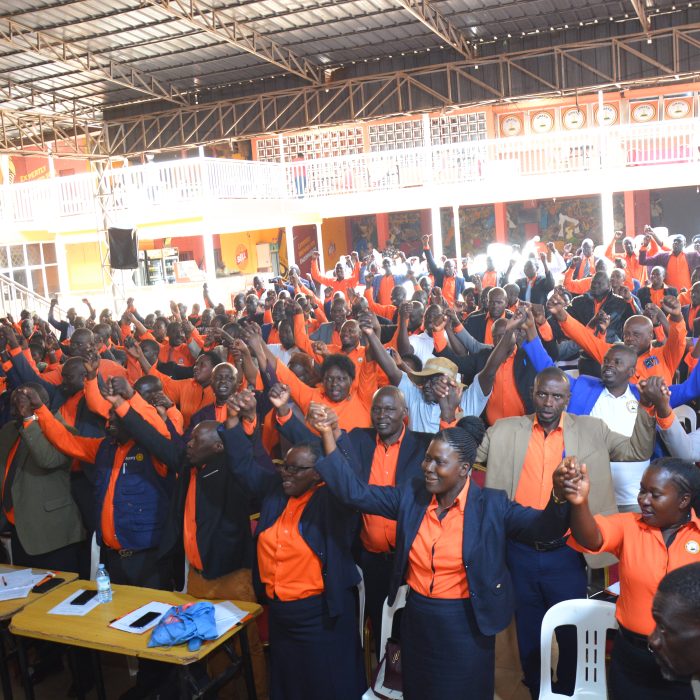
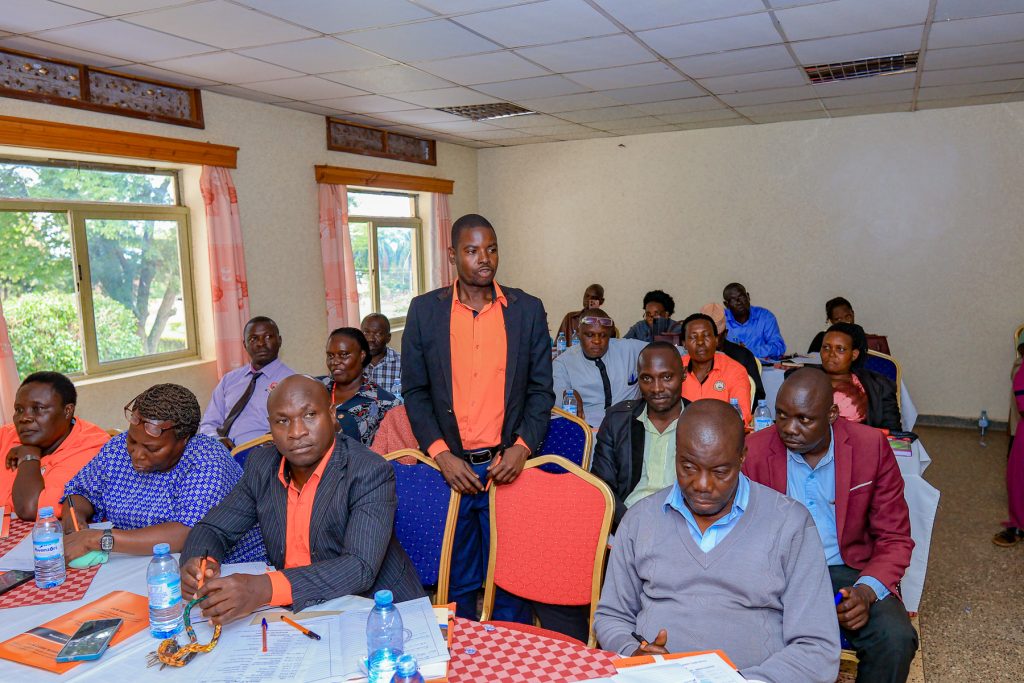
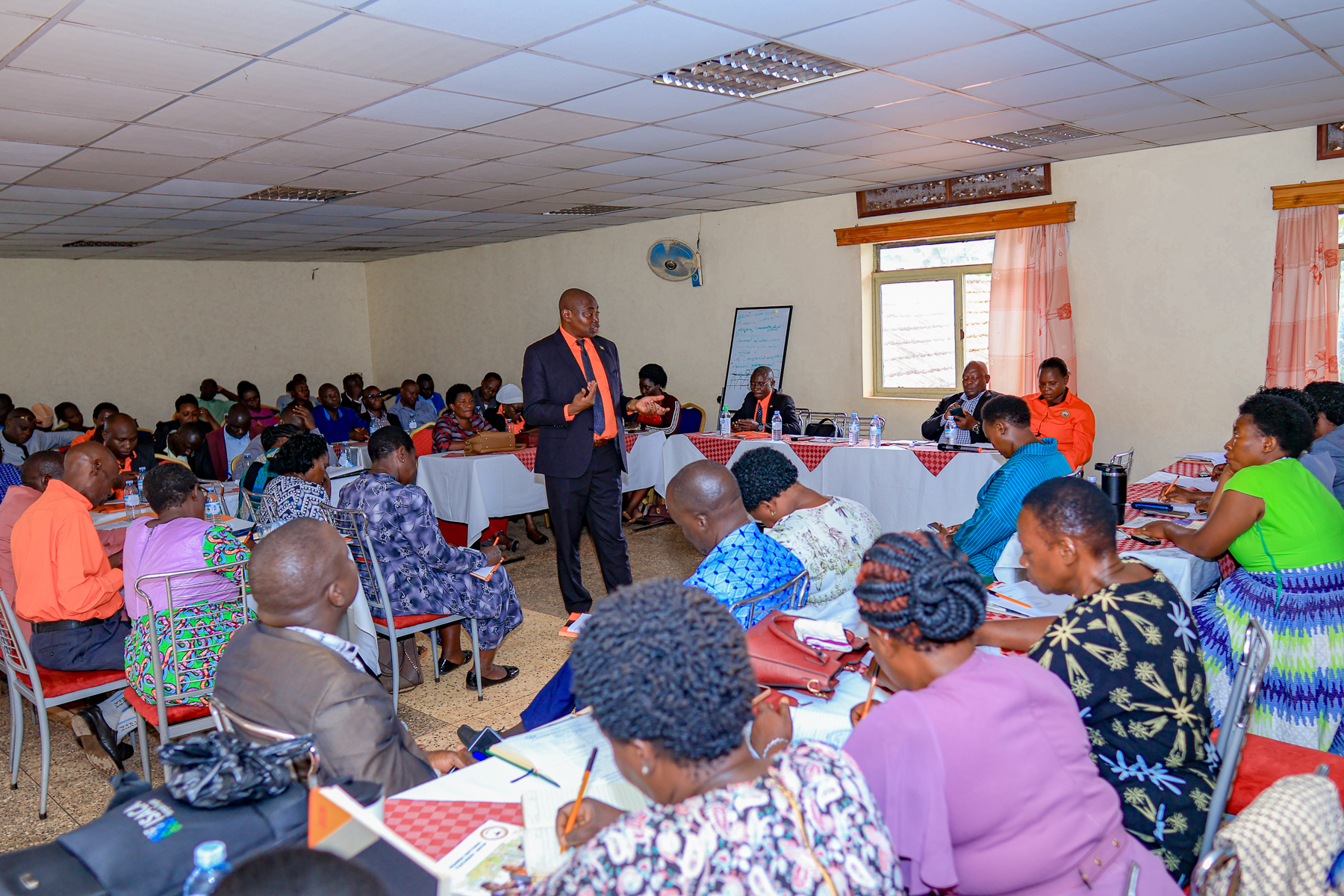
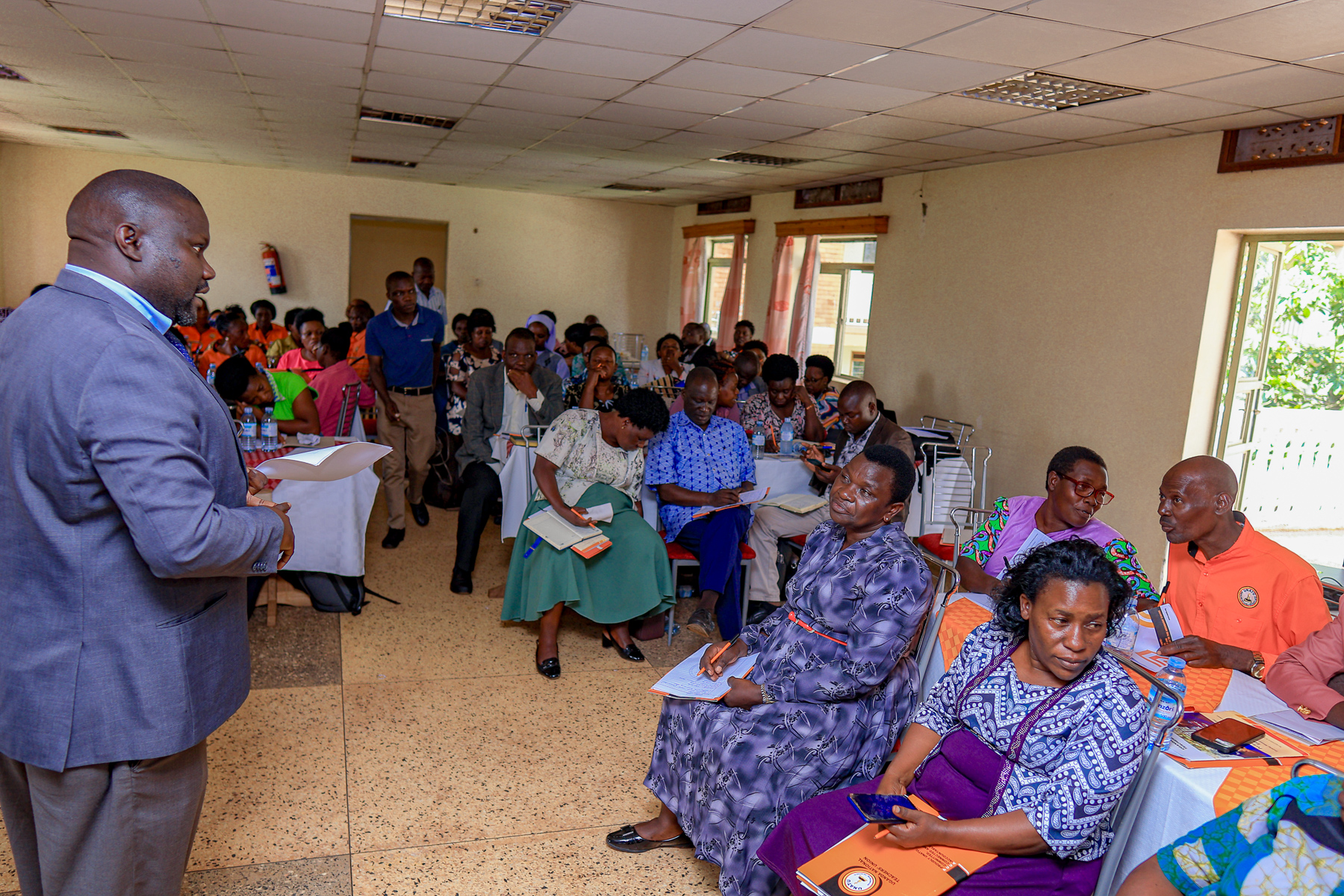
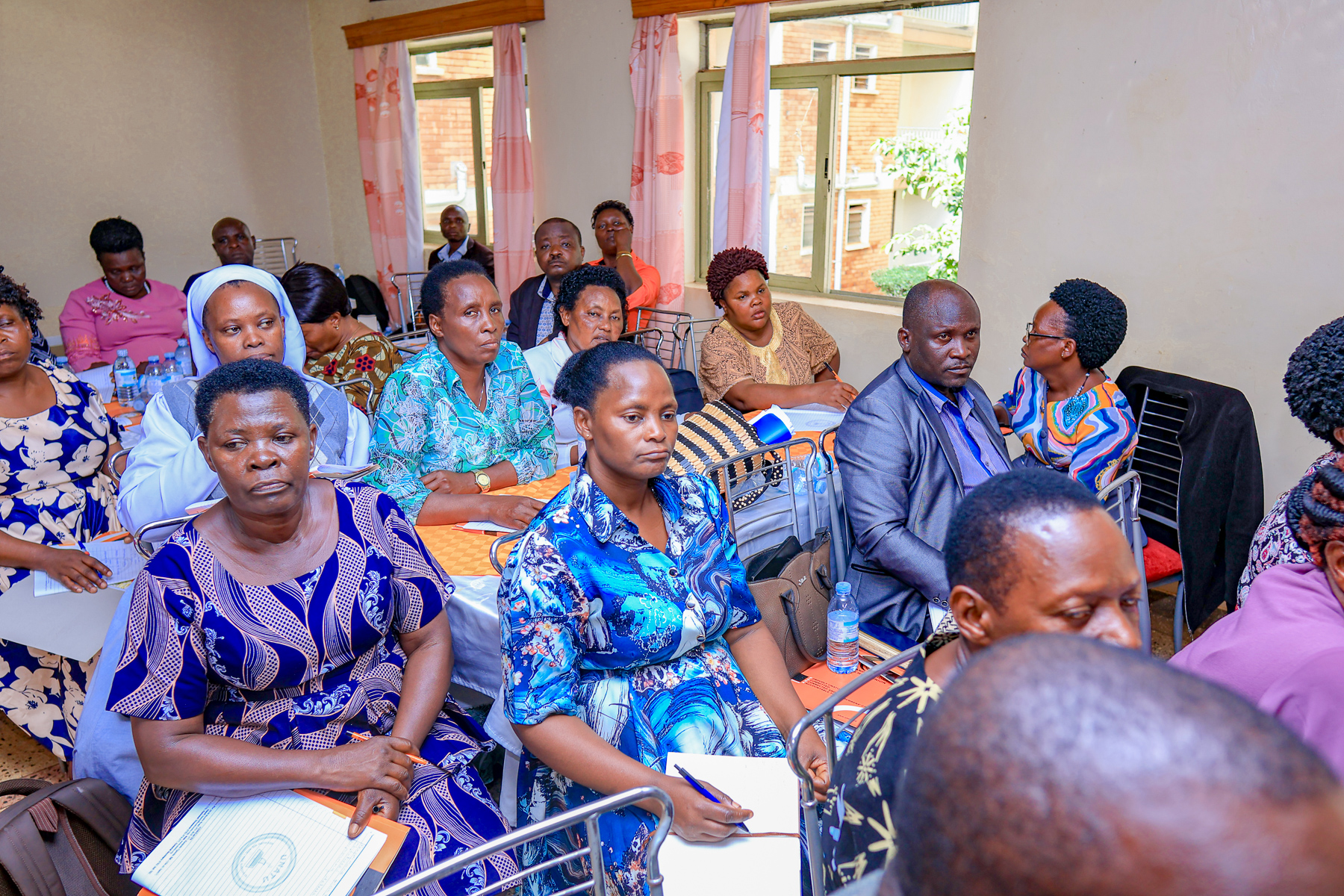
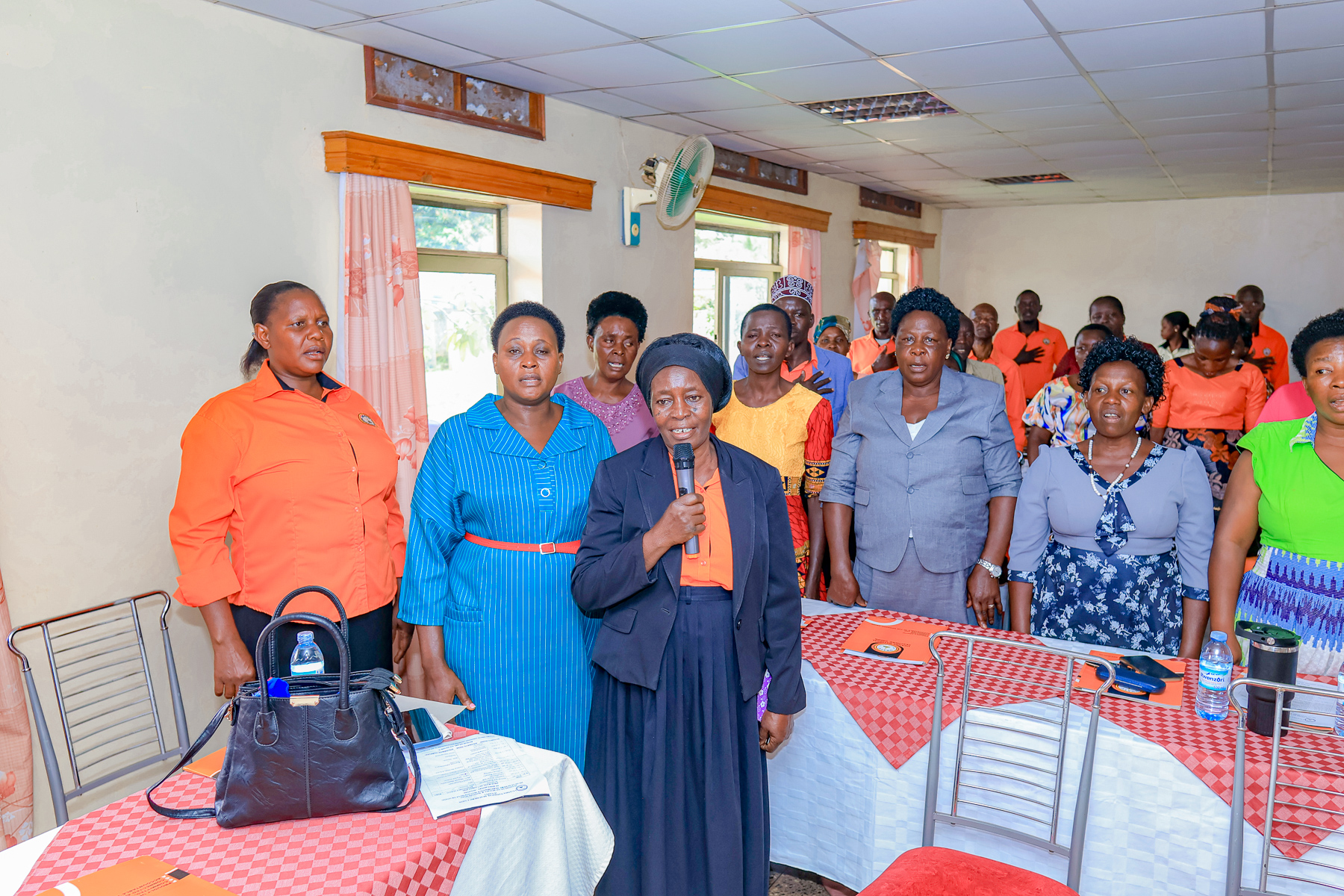
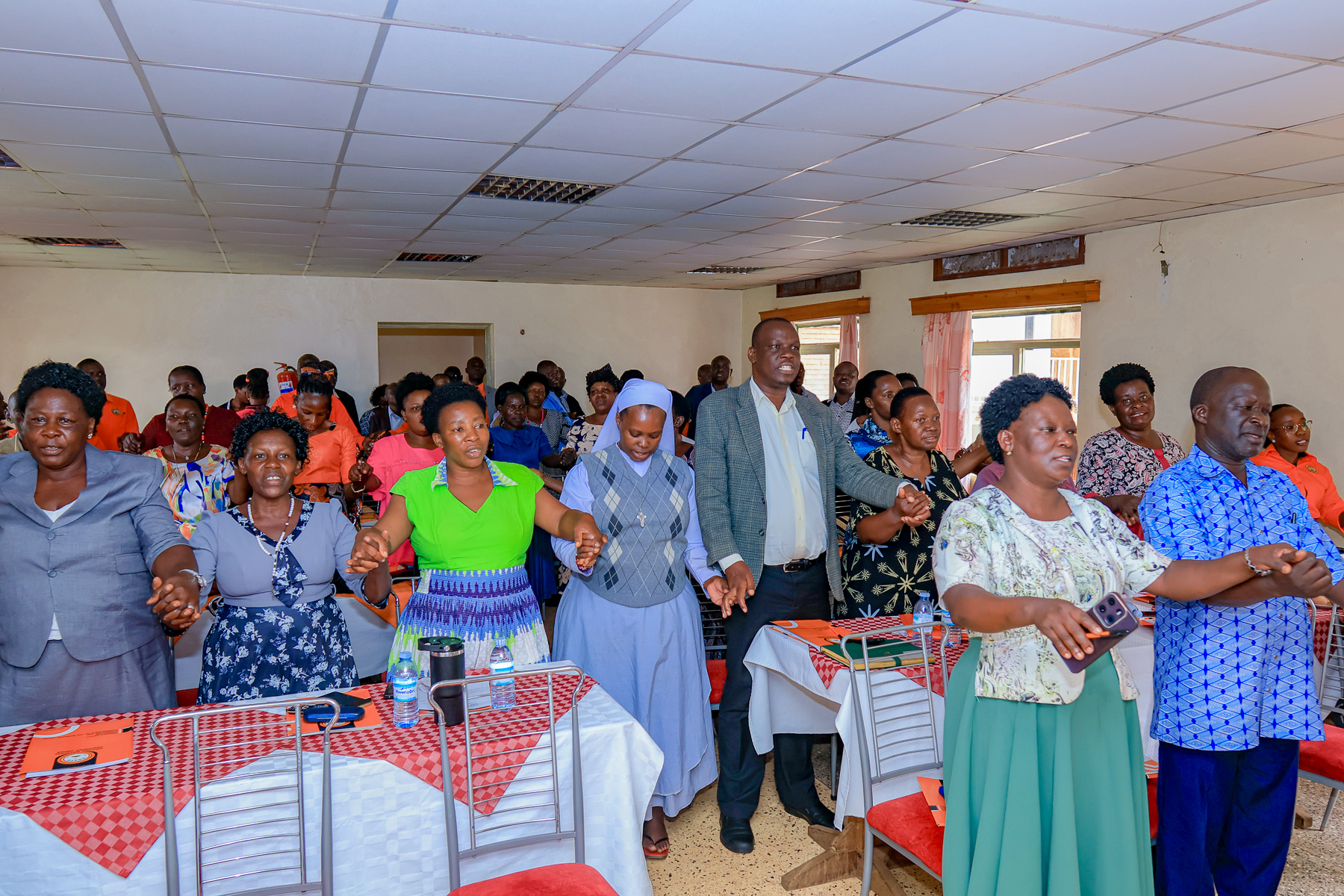
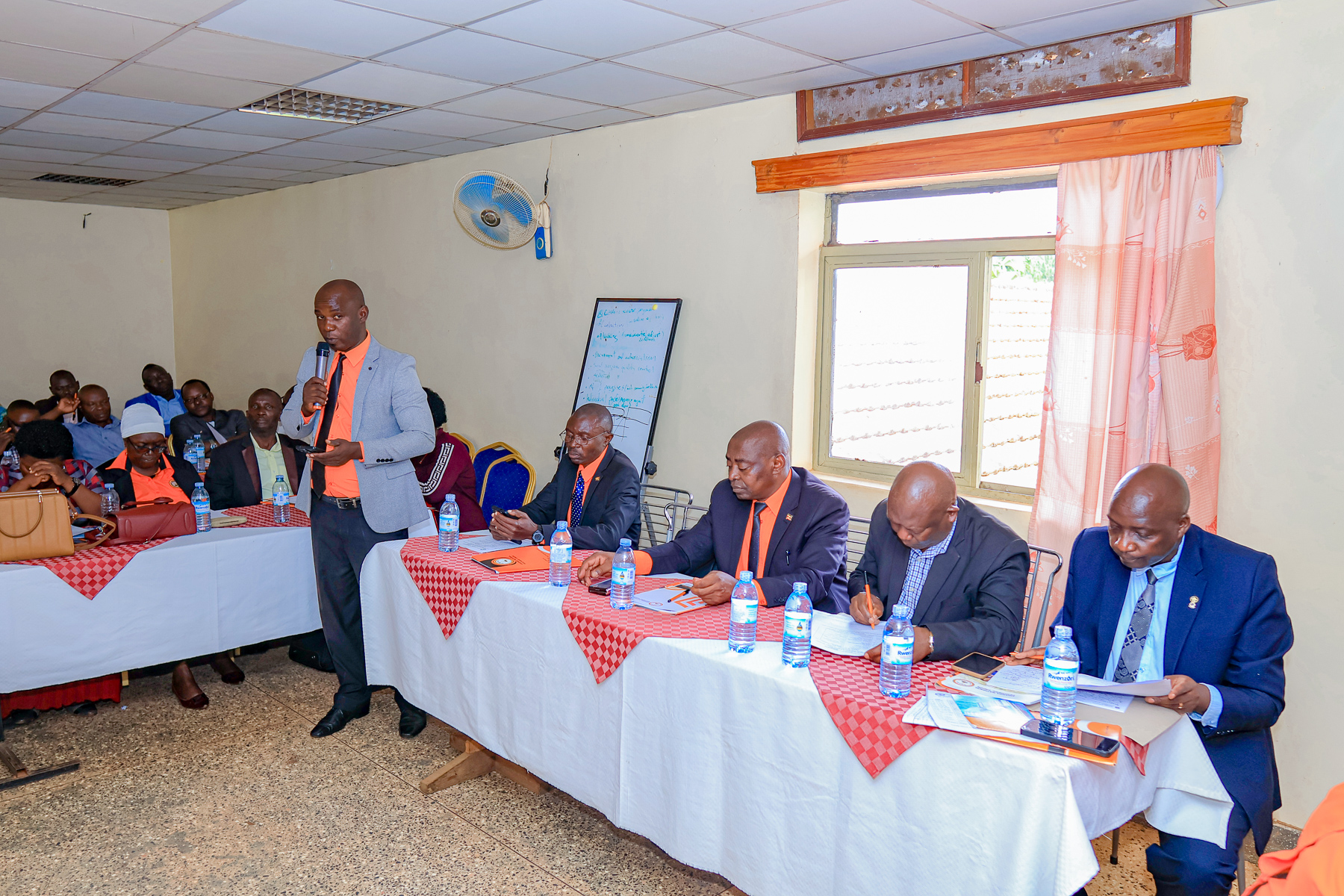
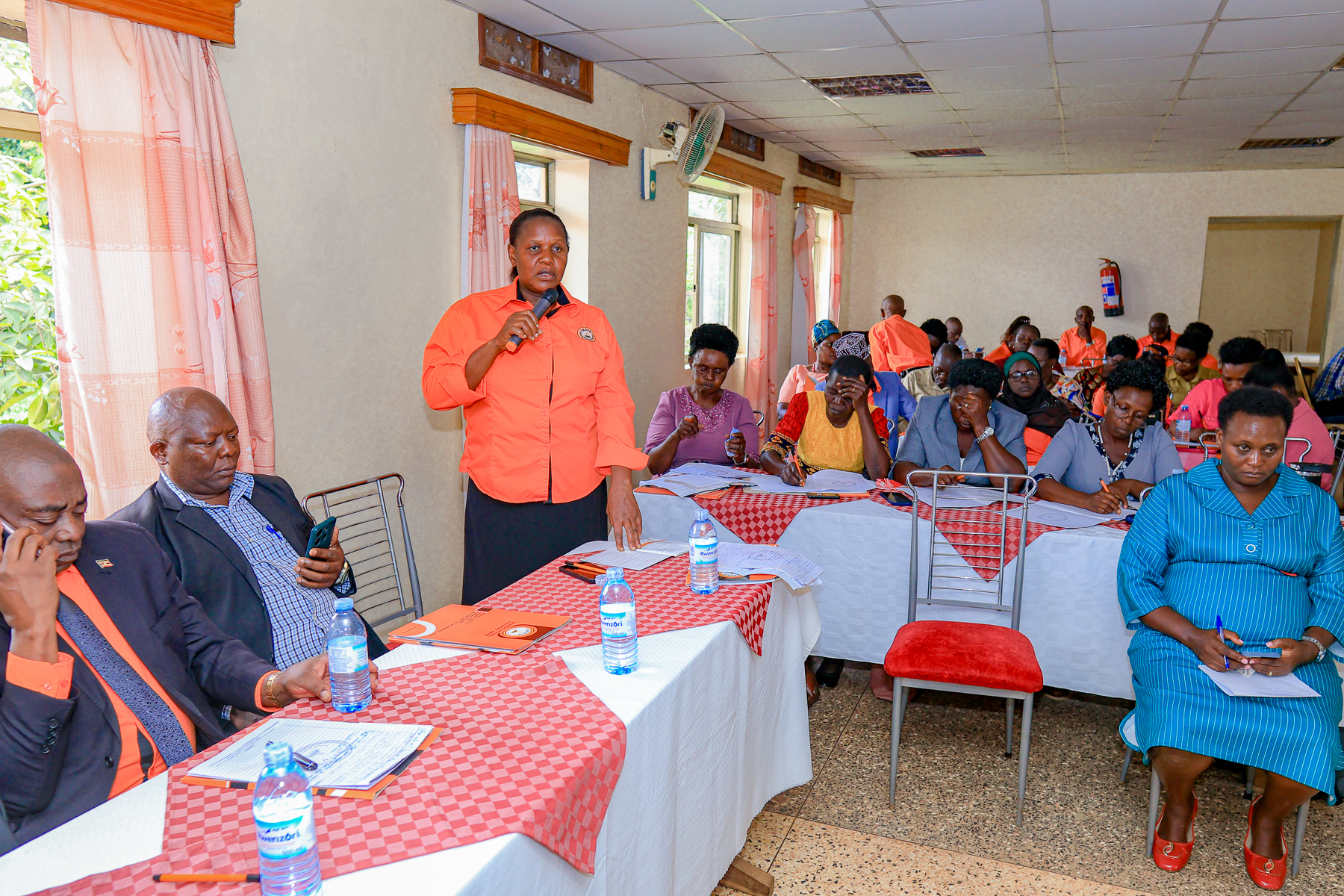
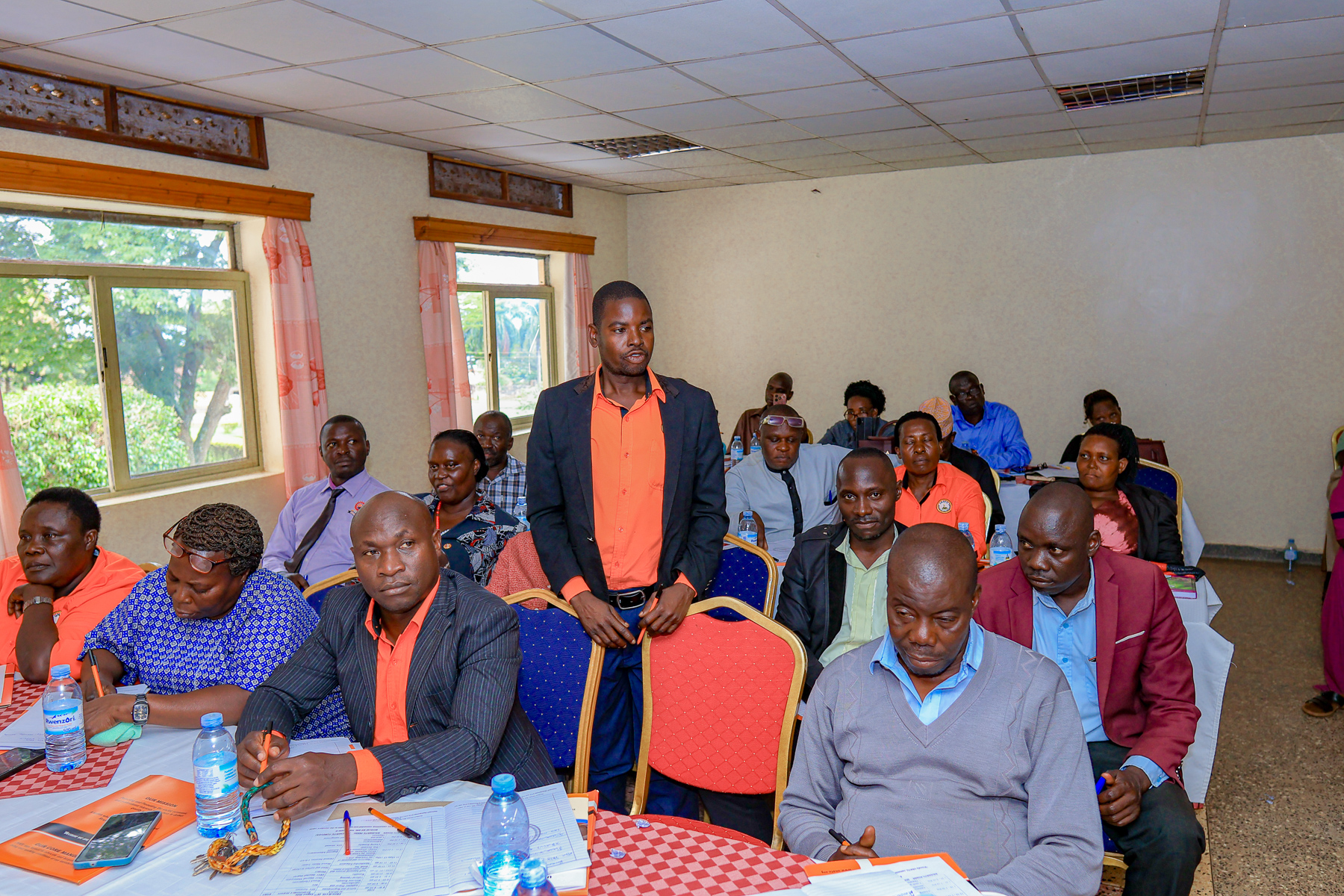
The message was delivered during a Head Teachers’ Performance Management Training organised by the Uganda National Teachers’ Union (UNATU) on 19 August 2026 at Bijja Hotel in Masindi.
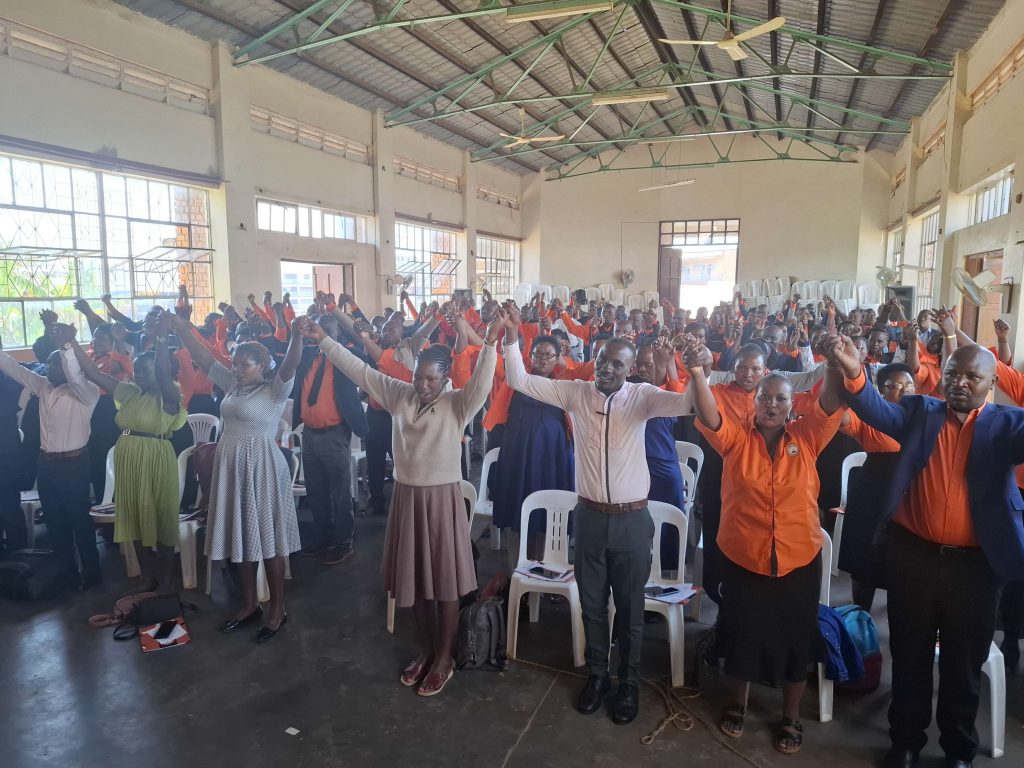
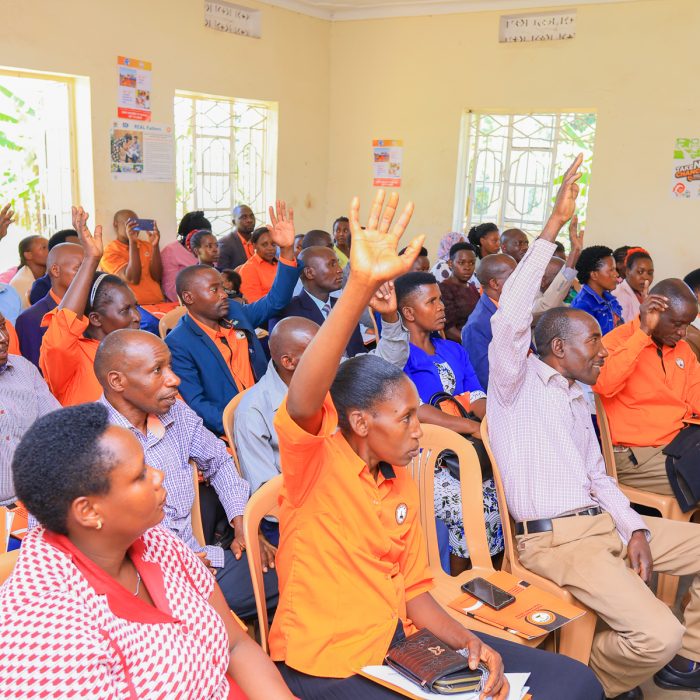
The engagement brought together head teachers from the two branches for discussions on performance management, staff appraisal, membership education, mental health and psychosocial support, Union digital platforms and emerging policy developments affecting the teaching profession.
Branch leaders call for unity
In a joint message from the Chairpersons of Masindi Municipality and Masindi Main Branches, participants were welcomed and appreciated for attending the training.
The Masindi Municipality Branch Chairperson introduced members of the Branch Executive Committee and thanked teachers for their continued support to the Union.
He also appreciated the UNATU General Secretary, Baguma Filbert Bates, for his leadership and support during the teachers’ industrial action and for the continued advocacy that keeps teachers informed and engaged.
The Branch Chairperson described UNATU as the strongest teachers’ union in Uganda and reminded participants that its strength lies in organised structures, active membership and unity among teachers.
He encouraged head teachers to support teachers under their supervision and to also support fellow head teachers, noting that many school leaders are tired, frustrated and carrying heavy responsibilities.
The Masindi Main Branch Chairperson also welcomed participants and thanked the district leadership for supporting UNATU activities.
He encouraged the head teachers to use the training as an opportunity to speak openly, share experiences and raise issues affecting school leadership and teacher welfare.
Performance management as a yardstick
In his remarks, the Principal Education Officer for Masindi thanked UNATU, and specifically the General Secretary, for consistently standing with teachers.
He appreciated the regular updates provided by UNATU, saying they help teachers remain informed about issues affecting the profession.
He also called for continued advocacy on matters affecting teacher welfare, including the tax burden on teachers.
Speaking on performance management, he said school leaders must understand planning, objective setting and accountability because these are now central to how performance is assessed.
He described performance management as a yardstick for promotion and professional growth.
He reminded head teachers that performance targets should be agreed upon, understood and followed up. He emphasised that performance management should not be treated as a routine administrative requirement, but as a professional tool for improvement.
He appreciated UNATU for promoting the initiative, saying it would help head teachers better understand their responsibilities.
The Principal Education Officer also raised concern about the humiliation of teachers in some situations, saying teachers should be treated as professionals. He called for advocacy that promotes the use of proper laws, procedures and professional channels instead of approaches that embarrass or undermine teachers.
District representative opens the training
Officially opening the training on behalf of the District Education Officer, the representative thanked UNATU for organising the programme and appreciated the head teachers for attending.
He urged participants to become effective managers of their schools, account for resources entrusted to them and improve planning as education leaders.
He said the training would support improvement in the institutions managed by the head teachers.
He also encouraged school leaders to organise meetings at different levels so that stakeholders can understand the Education Act and other policy provisions affecting teaching and school management.
The representative appreciated UNATU for its continued advocacy and recognised the Union’s role in the recent salary enhancement for teachers.
Membership education and Union identity
The membership education session was facilitated by the Masindi Master Trainer Basengera Joyce.
She guided participants through what UNATU stands for, how one becomes a member and why active membership matters.
She also discussed the benefits of belonging to UNATU, including condolence support, representation, information services, access to Union programmes and the broader professional identity of being part of a national teachers’ union.
The session highlighted UNATU’s achievements, including its role in collective bargaining and long-term advocacy for improved teacher welfare.
Participants were reminded that the Union is strongest when members understand its structures, services and responsibilities.
General Secretary warns against isolation
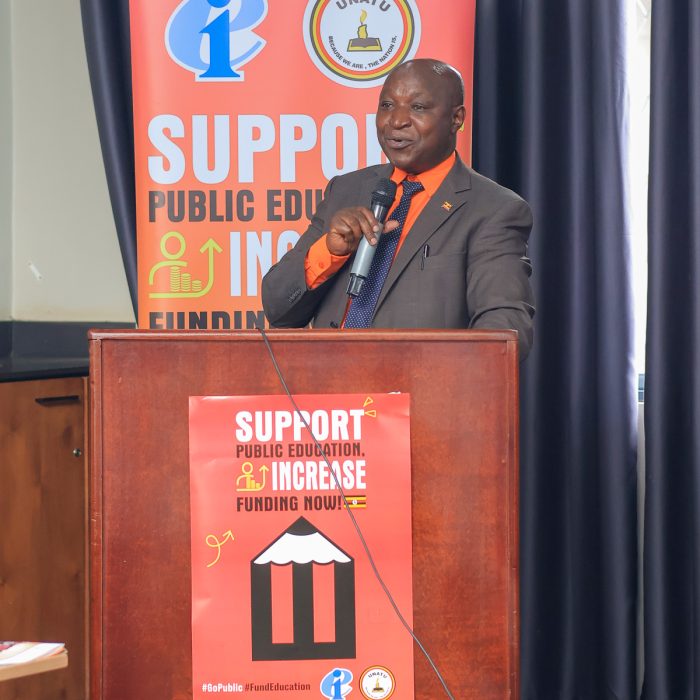
In his presentation, the UNATU General Secretary, Baguma Filbert Bates, welcomed the head teachers and thanked them for attending the training.
He warned that isolation weakens the teaching fraternity and called for unity among teachers.
He said the current environment requires teachers to speak with one voice, especially in a context where fragmentation can weaken collective bargaining power.
The General Secretary then led a session on Mental Health and Psychosocial Support, noting that the challenges faced by school heads can affect their peace of mind, leadership and performance.
He said mental health influences how people feel, behave, react and respond to pressure.
“A healthy mind in a healthy body,” he said, urging head teachers to take care of themselves physically, emotionally and psychologically.
He encouraged them to invest in themselves first before trying to support others.
He also called for balance between work and rest, saying teachers should maintain healthy routines, social connections and spiritual wellbeing.
Mental health as a continuum
The General Secretary explained that workplace stress can gradually affect a person’s wellbeing.
He said a healthy person is usually calm, active, able to sleep normally and capable of making decisions clearly.
However, increasing pressure may lead to irritability, fatigue, reduced concentration and emotional instability.
He noted that even learners are affected when school leaders and teachers are overwhelmed.
He explained that severe stress may manifest through oversleeping, overeating, headaches, withdrawal, aggression and avoidance of social interaction.
At extreme levels, individuals may lose direction, develop suicidal thoughts or completely withdraw from others.
He said mental health remains one of the most neglected aspects of wellbeing until crisis points are reached.
Financial pressure and teacher wellbeing
The General Secretary urged head teachers to guide staff to live within their means.
He noted that financial pressure is a major contributor to stress among teachers.
He called on teachers to prepare psychologically, emotionally and physically for the realities of their profession.
He also encouraged head teachers to reflect on their leadership styles and communication approaches.
He said schools should create open environments where teachers, learners and support staff can freely share information.
He emphasised that critical information within a school system often comes from any member of the school community.
Performance management as a continuous process
Turning to performance management, the General Secretary said it must be understood as a continuous process.
He emphasised planning around people, processes and performance.
He urged head teachers to develop clear key performance indicators and SMART goals that are specific, measurable, achievable, relevant and time-bound.
He encouraged a shift in leadership mindset and motivation strategies for both staff and learners.
He called for balanced use of rewards and sanctions, and urged leaders to focus on principles rather than personalities.
He also stressed the importance of accurate records, proper documentation and transparent reporting.
Record keeping and policy literacy
The General Secretary called for strengthened record keeping systems in schools.
He urged head teachers to stay informed about policy developments and professional requirements.
He specifically mentioned the Public Service Standing Orders 2021 as key reference material.
He also noted that the Education Act is under review and encouraged participants to follow the process closely.
He further explained the National Teachers Act, which stems from the National Teachers’ Policy of 2019, and provides for the establishment of a National Teachers Council to regulate the profession.
He said the Council will oversee teacher licensing, which is expected to be renewed every four years.
He urged head teachers to remain informed to avoid being caught unprepared by policy changes.
He also explained the Public Service Pension Fund, noting the 15% contribution structure, with Government contributing 10% and employees contributing 5%.
UNATU digital platforms demonstrated
The ICT Assistant guided participants through UNATU’s digital platforms and encouraged them to rely on official channels for verified information.
Participants were shown how to access the UNATU website at www.unatu.org and were encouraged to follow and subscribe to the official UNATU YouTube channel for weekly updates.
The session aimed to improve access to accurate information and reduce misinformation among members.
Participants appreciated the ICT support and the ease of accessing Union communication platforms.
Human Resource Officer explains new appraisal approach
The Human Resource Officer thanked the head teachers and introduced the revised appraisal system.
He explained that the balanced scorecard approach assesses performance across multiple dimensions, including institutional goals, staff performance, learning outcomes, resource management and accountability.
He encouraged alignment of school planning with the district vision and mission.
He also addressed issues affecting school management, including staff welfare, dress code, retirement processes, early reporting of concerns and career development.
On salaries, he urged head teachers to understand payslip deductions and take interest in what appears on their salary records.
He advised schools to ensure staff understand appraisal expectations in advance.
On double deductions, he advised affected teachers to submit formal complaints with evidence to the district before escalating claims.
He emphasised proper documentation for effective follow-up.
Plenary session
During the plenary session, the General Secretary clarified provisions of the National Teachers’ Policy, including teacher incentives, national dialogue frameworks and continuous professional development structures.
He encouraged teachers to pursue further studies and professional advancement.
He also responded to questions on Local Service Tax and acknowledged the teachers’ appreciation for recent salary enhancements.
Issues of promotion were addressed with input from the Human Resource Officer.
On corporate wear, members were advised to apply through the MyUNATU App.
The General Secretary also clarified that retired teachers remain life members of UNATU.
Further administrative clarifications and member concerns were addressed during the session.
RDC calls for quality education and mindset change
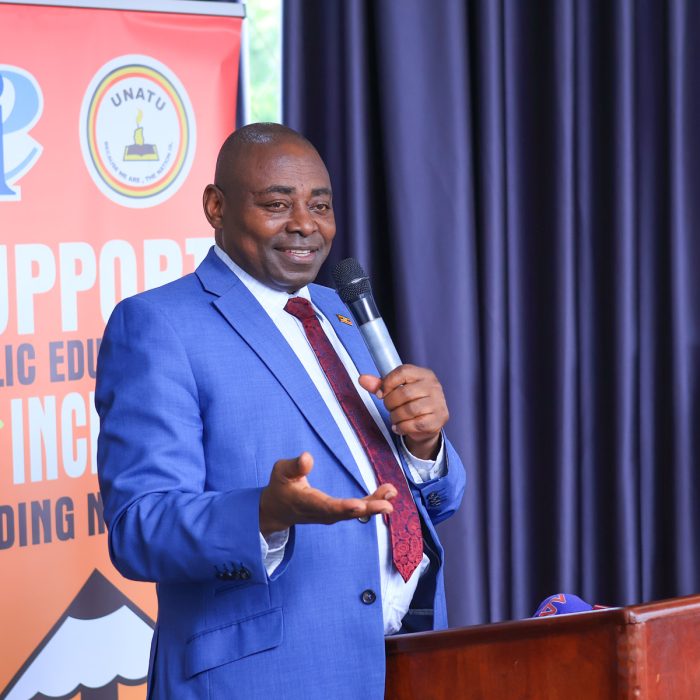
In his closing remarks, the Resident District Commissioner of Masindi called on teachers to treasure education, noting that it shapes how individuals make decisions and function within society.
He urged head teachers to actively promote education opportunities within their communities and institutions.
The RDC emphasised the need for mindset change among teachers and school leaders, saying transformation in education begins with how educators think, plan and execute their responsibilities.
He called for stronger advocacy for quality education and said head teachers must be at the forefront of improving learning standards.
He also highlighted the importance of skilling hubs, noting that they complement formal education by equipping learners with practical skills for self-reliance and employment.
The RDC further encouraged school leaders to clean up their records and strengthen school systems, saying proper documentation and organised administration are key indicators of institutional quality.
He appealed to UNATU to continue advocating for salary harmony based on qualifications, arguing that equitable remuneration would improve motivation and professionalism within the teaching service.
He also encouraged teachers to embrace the UNATU SACCO as a tool for financial empowerment and teacher welfare.
Conclusion
The training ended with a strong call for unity, professionalism and improved school leadership among head teachers.
Participants were urged to translate the lessons from the engagement into practical improvements in performance management, staff welfare, record keeping and learner outcomes.
For Masindi Municipality and Masindi Main head teachers, the message was clear: schools perform better when leaders are informed, organised, accountable and able to support both learners and staff.



Other posts