Kiryandongo District | 20 August 2026
Young teachers in Kiryandongo have been urged to prepare early for professional growth, leadership and retirement by upgrading their qualifications, understanding the law, managing their finances responsibly and actively participating in the Uganda National Teachers’ Union (UNATU).
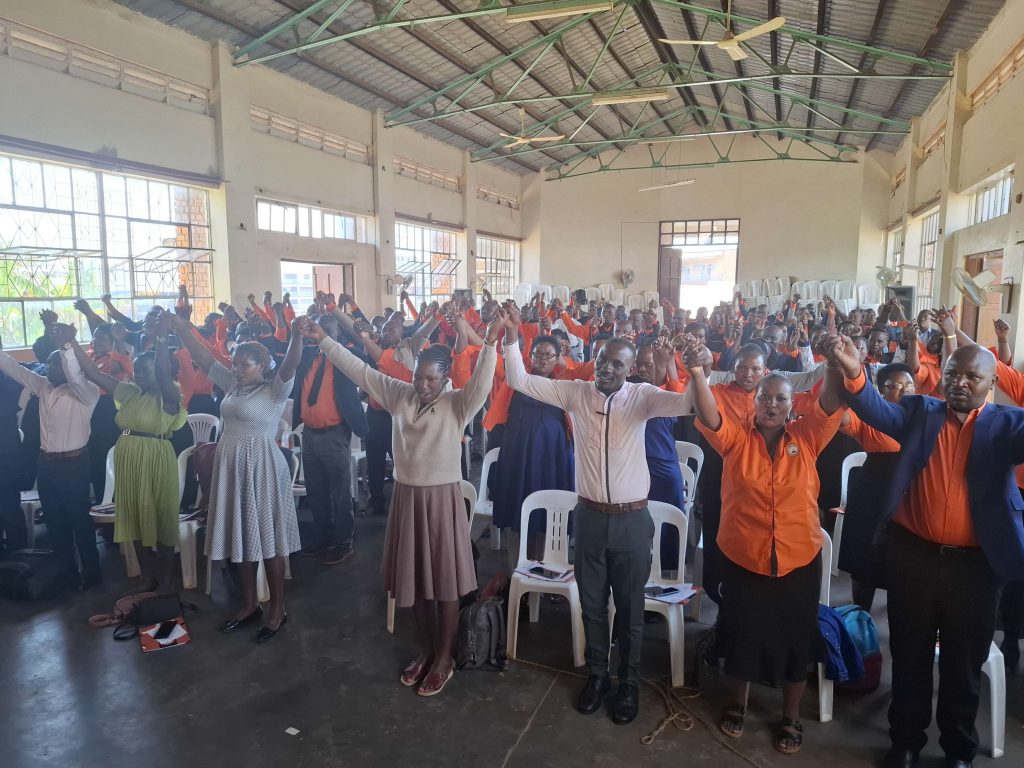
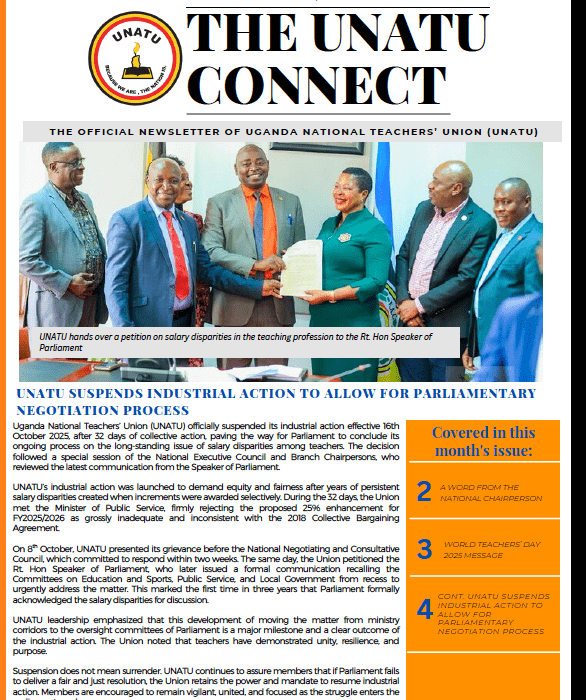
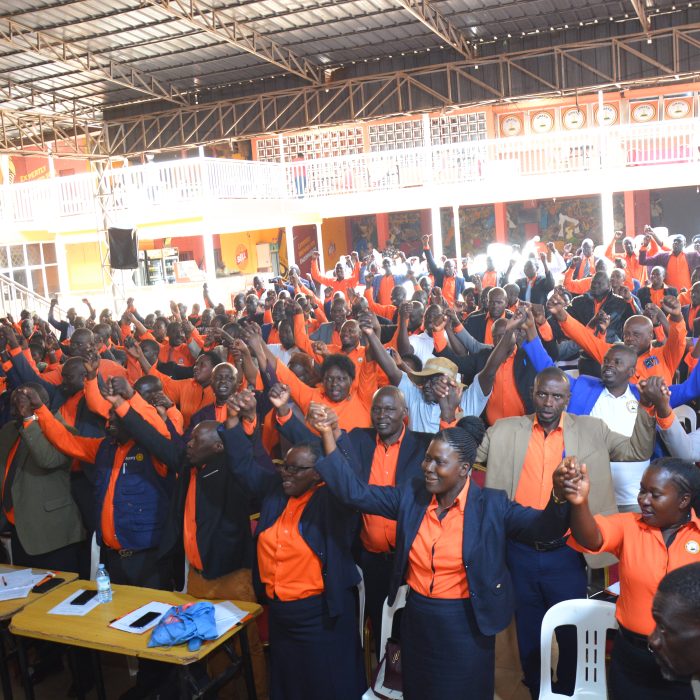
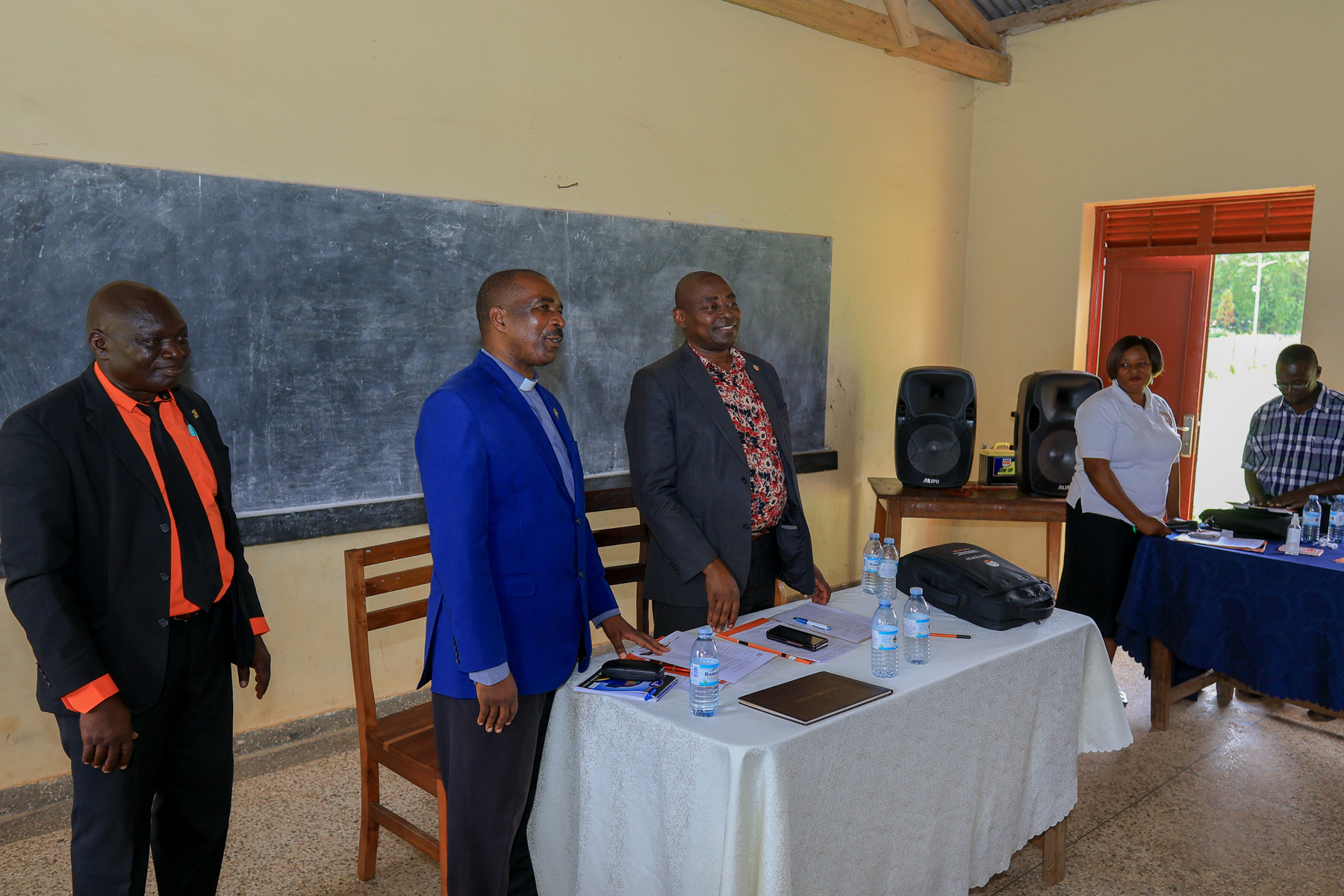
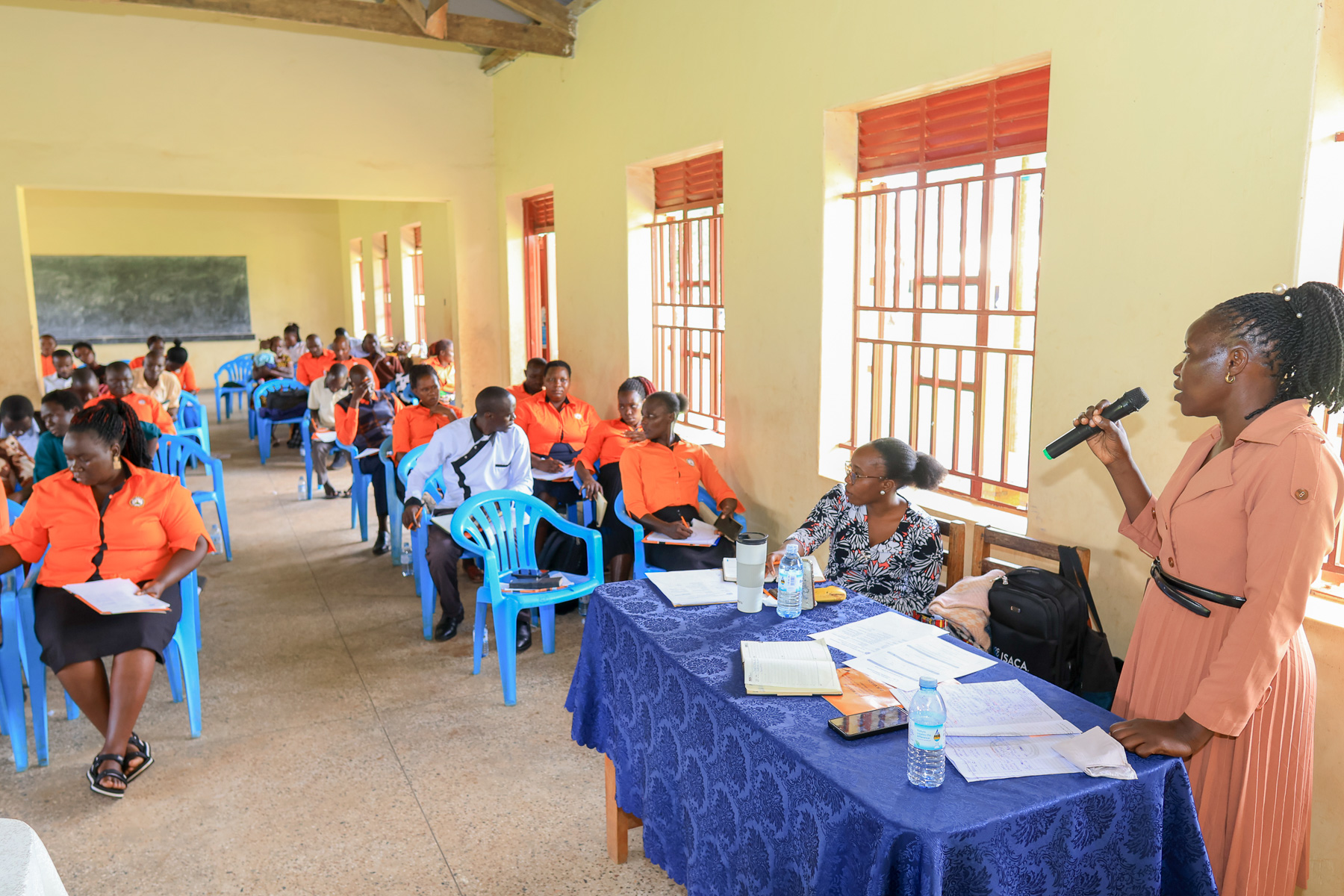
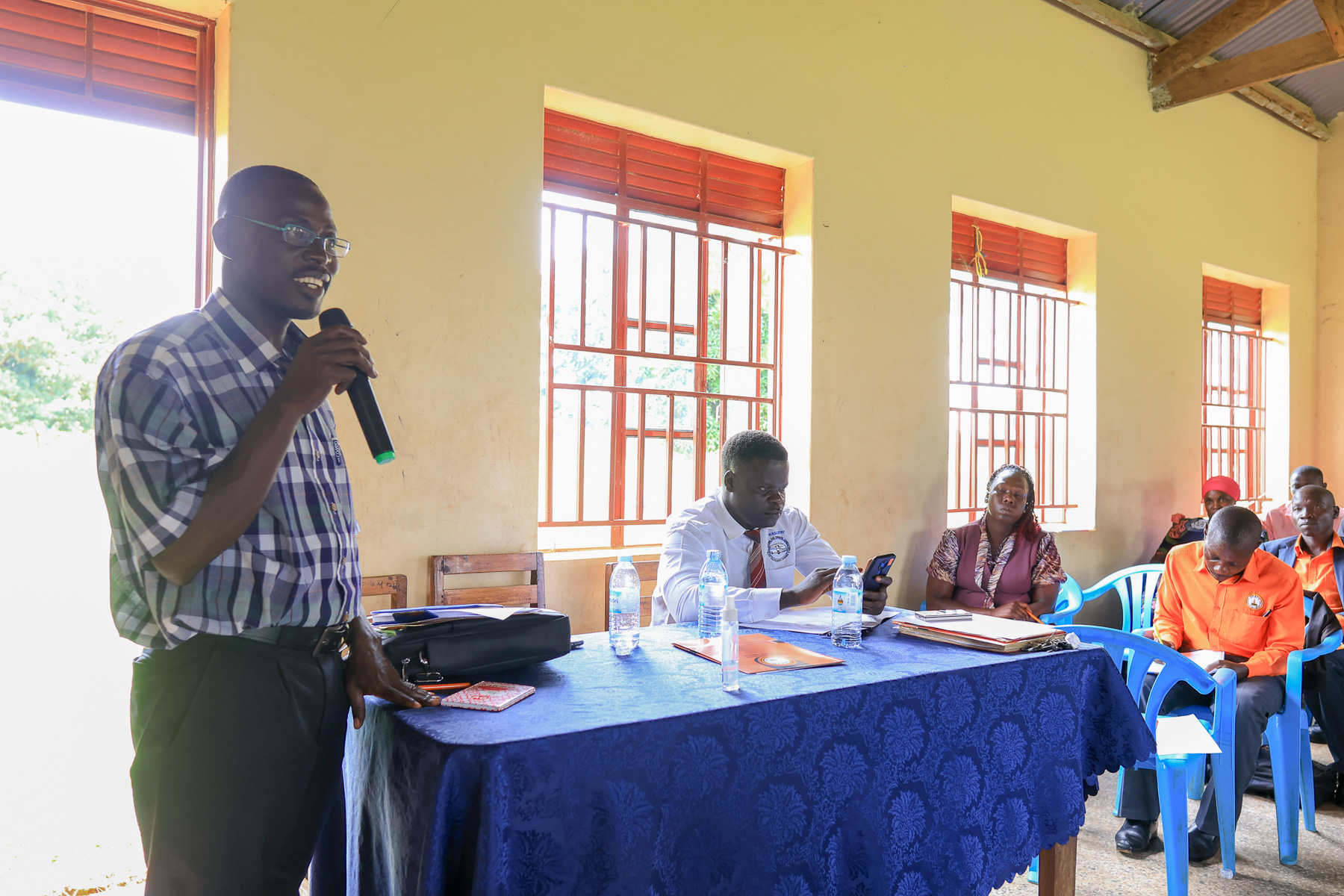
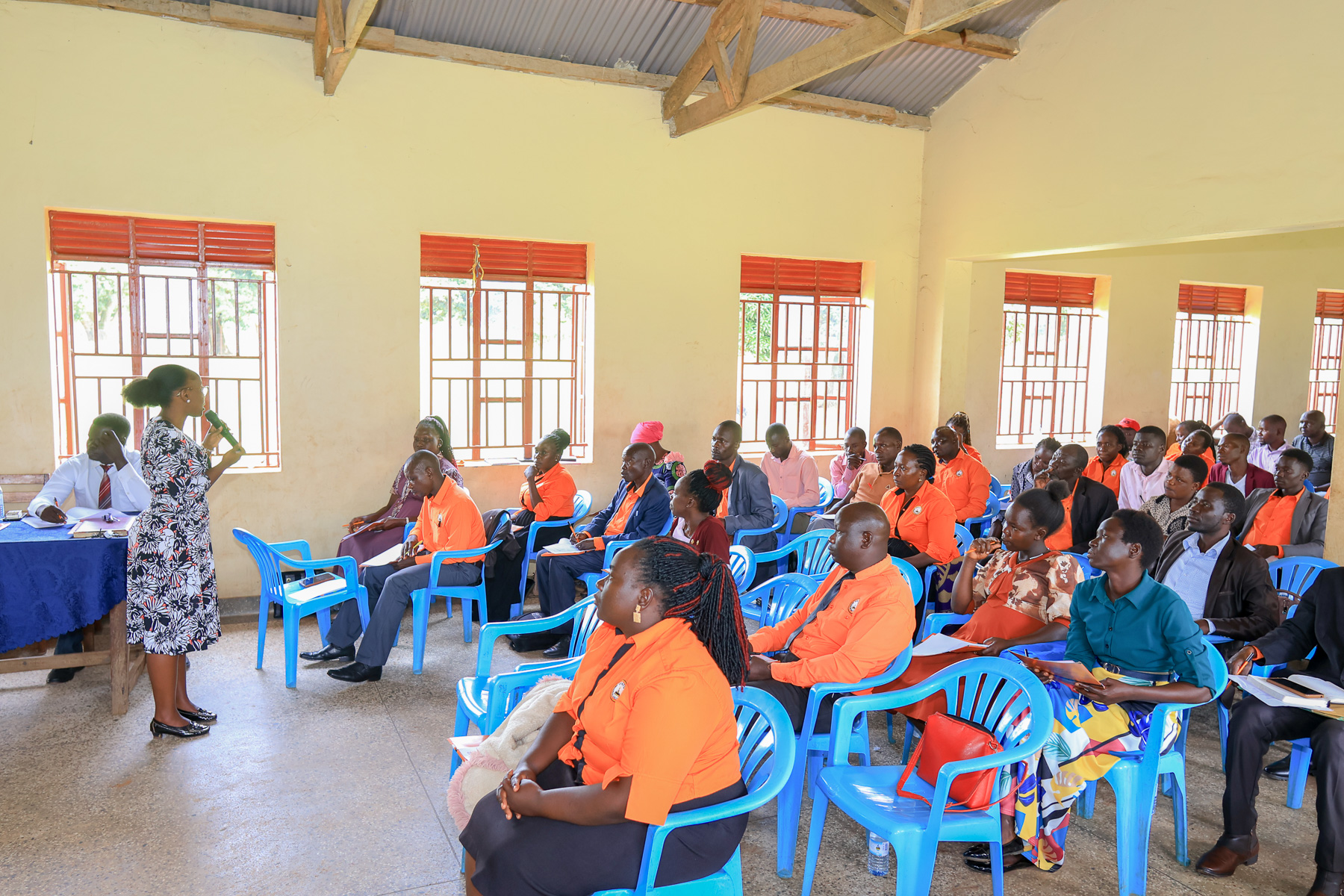
The call was made during a Youth Membership Education engagement organised by UNATU on 20 August 2026 at Kiryandongo C.O.U Primary School.
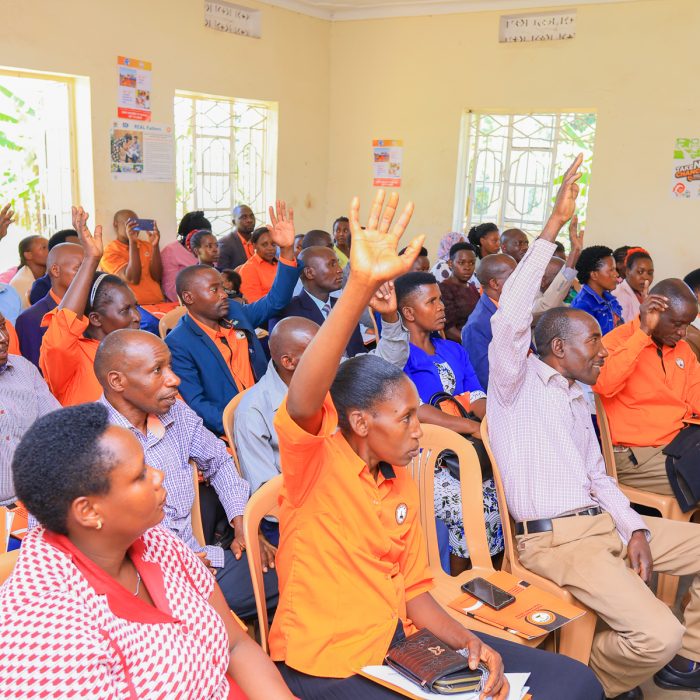
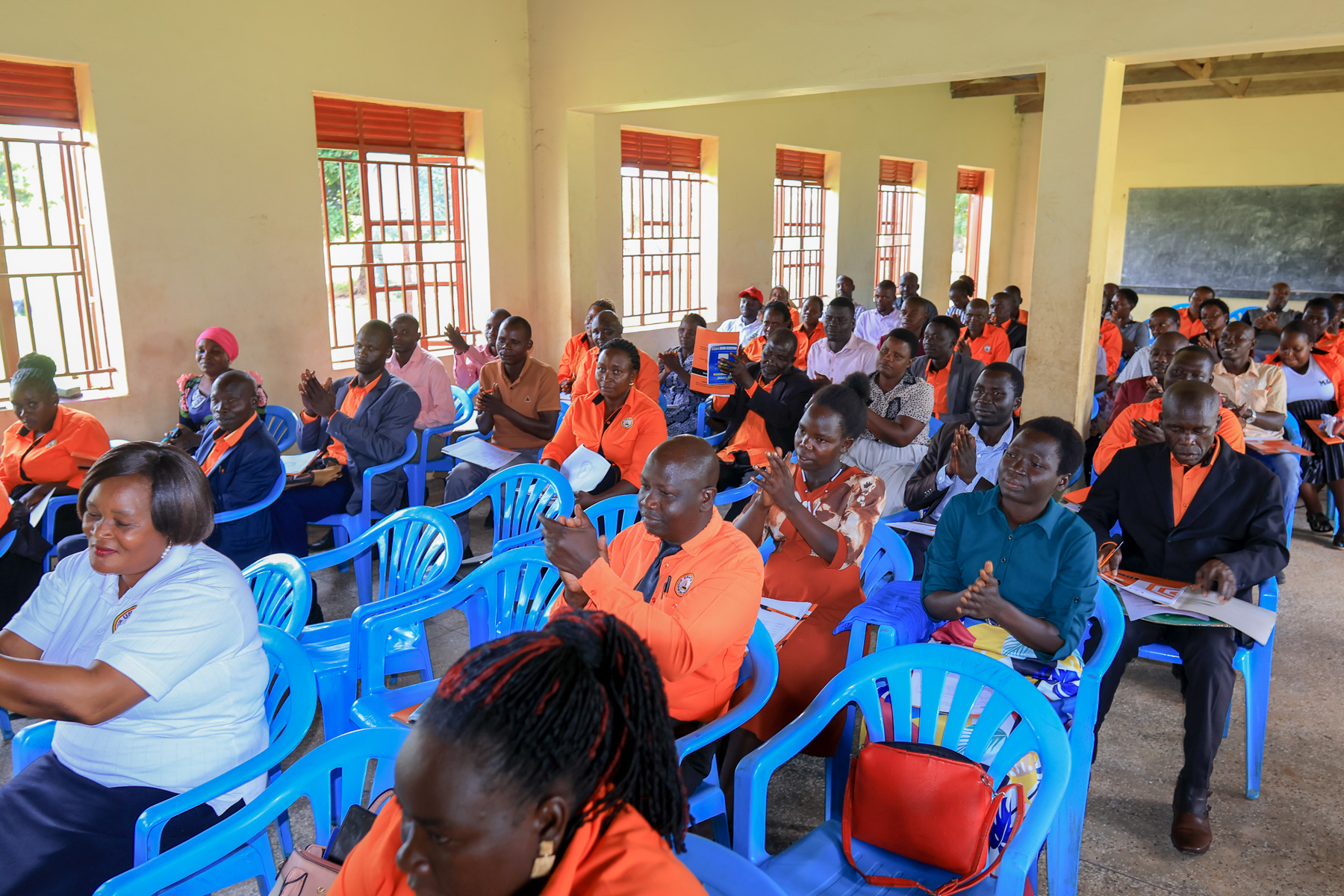
The engagement brought together 83 youth teachers for discussions on Union membership, staff appraisal, work ethics, public service procedures, teacher welfare, financial discipline, professional development and access to verified information.
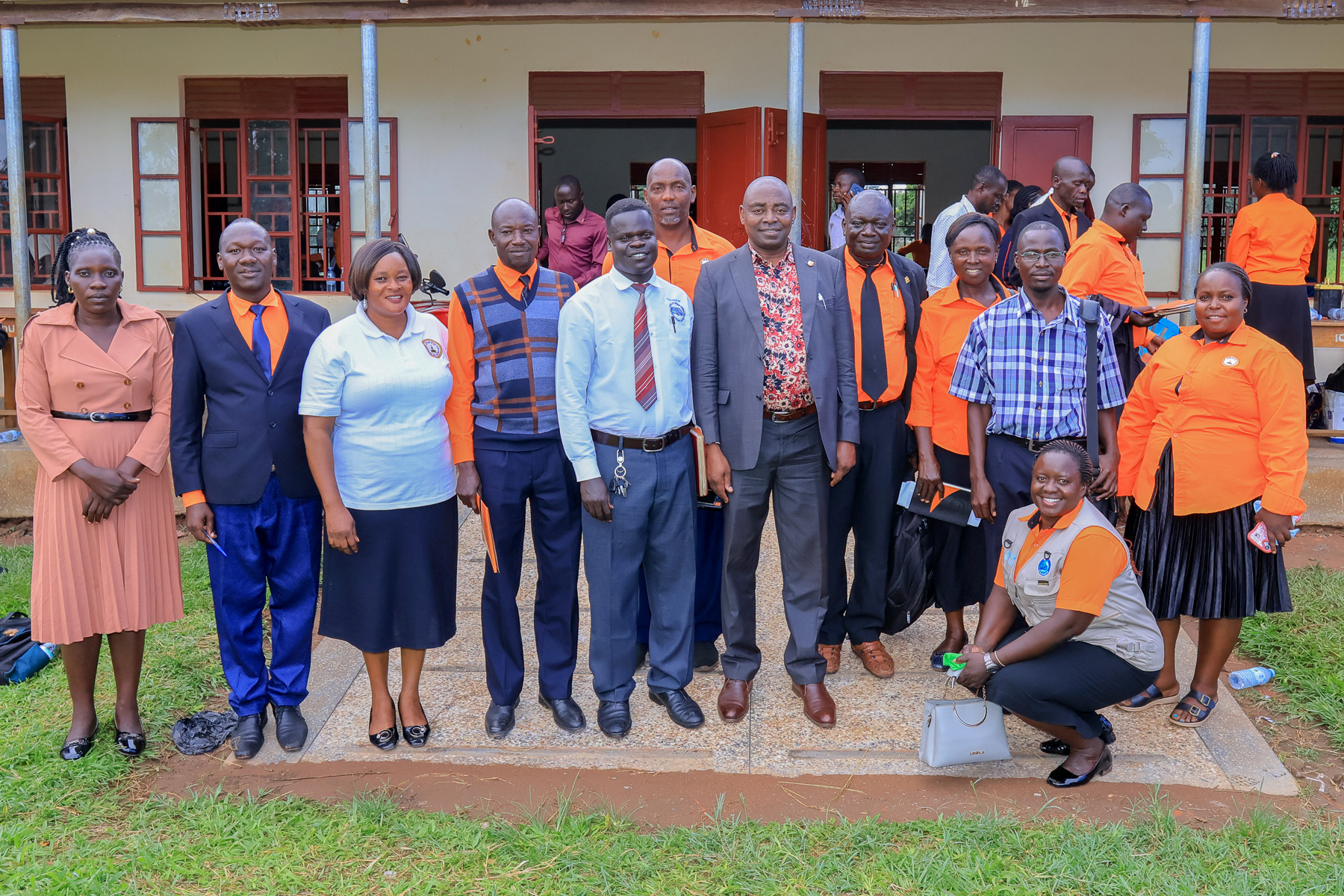
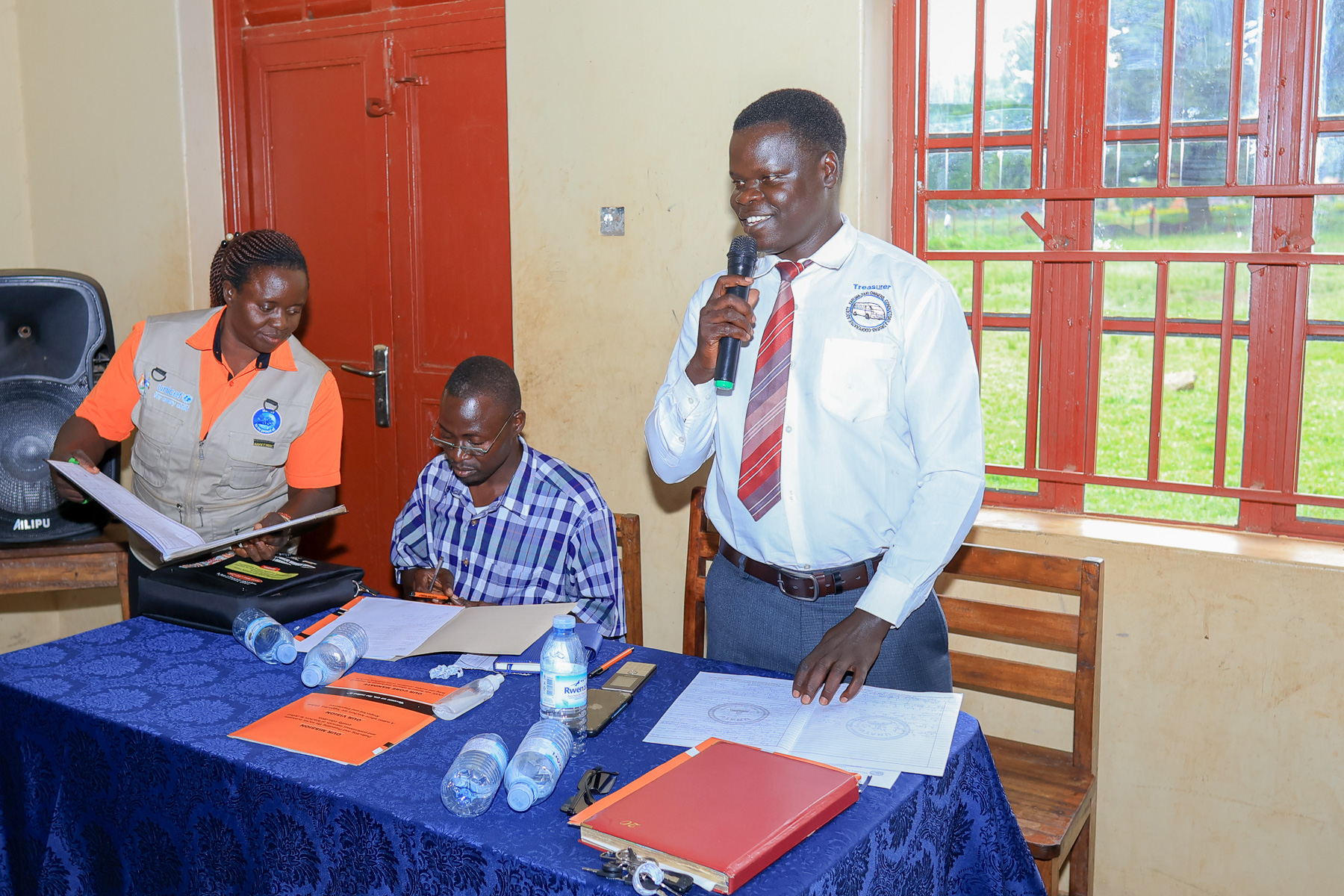
Participants also interacted with district officials, Union leaders and the UNATU General Secretary, Baguma Filbert Bates, on issues affecting young teachers.
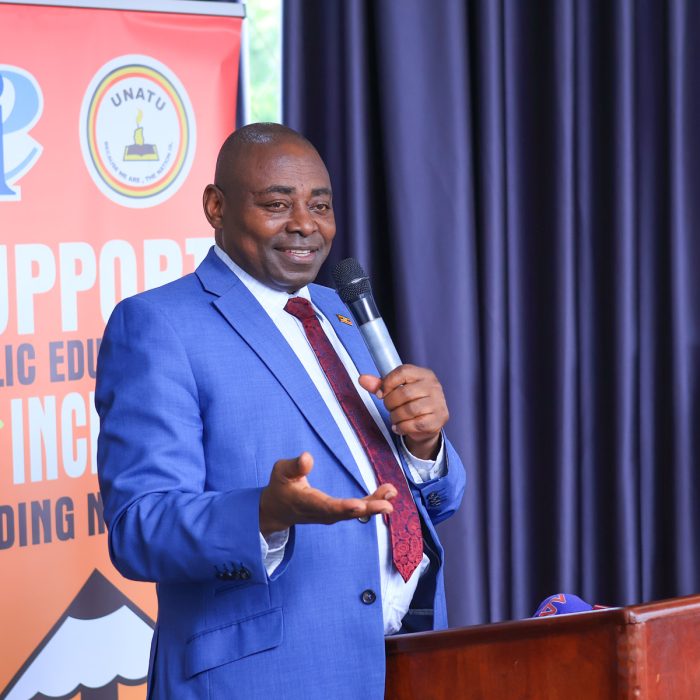
“Salary enhancement is important, but it is not enough on its own. The teacher of the future must be informed, organised, financially disciplined and ready to participate in shaping both the profession and the Union,” Baguma said.
Kiryandongo Branch reports membership growth
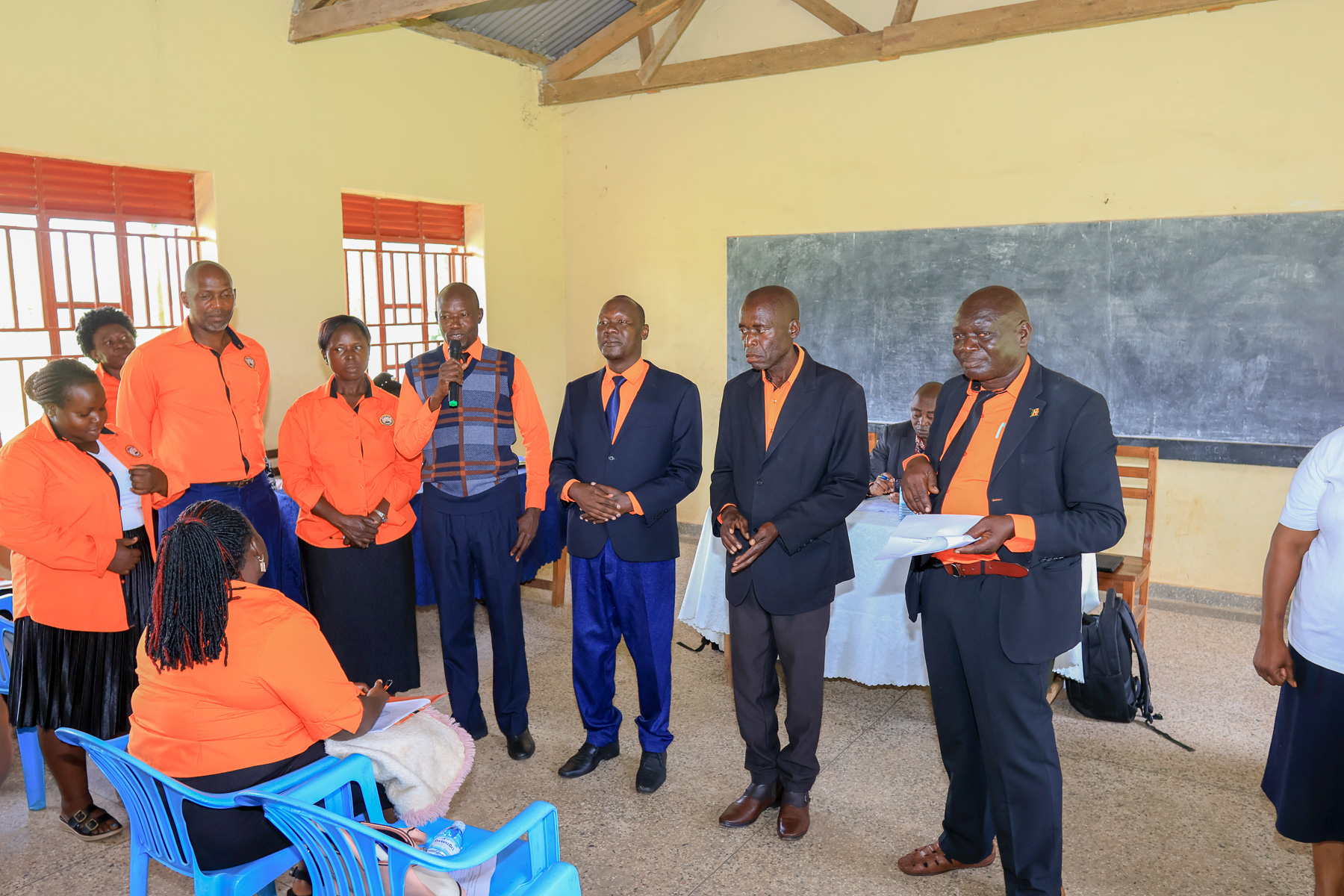
In his welcome remarks, the Kiryandongo Branch Chairperson welcomed the UNATU team and thanked teachers for their contribution to the education and development of young learners.
He said teachers are responsible for developing the human resource on which the country depends and must therefore understand their value within the education system.
The Chairperson reported that the Kiryandongo Branch had lost seven teachers between January and August 2026, highlighting the importance of solidarity among teachers during times of grief and difficulty.
He appreciated members who represent UNATU at different functions, including burial ceremonies, and recognised the support extended to bereaved families.
He cautioned teachers against confusion caused by the growing number of unions and called for unity within the teaching profession.
He also acknowledged UNATU’s role in advocating for salary enhancement and thanked the General Secretary for his continued efforts to promote teachers’ welfare.
On corporate wear, the Chairperson noted that some members face challenges with sizing, while others submit incomplete information, causing their requests to be returned. He also raised the need for UNATU T-shirts for teachers.
He reported that Kiryandongo Branch membership had grown from 444 to 686 members, with a target of exceeding 750 members.
The Chairperson also highlighted several issues affecting teachers in the district, including the scheme of service, recruitment without adverts, payroll deletions, unpaid arrears, the demand for a laptop scheme, limited disciplinary action in some cases and resistance from some teachers to joining the Union.
Human Resource Officer explains appraisal and work ethics
The Kiryandongo District Human Resource Officer addressed participants on work ethics, staff appraisal and the importance of maintaining a healthy working relationship between teachers and head teachers.
He encouraged teachers to resolve workplace concerns through the appropriate school and district structures before escalating them, noting that once a matter is formally reported, it may be difficult to reverse the process.
He particularly addressed teachers who had joined the service within the previous three years, reminding them that appraisal is important for confirmation, promotion and pensionable service.
He explained that teachers are expected to complete appraisal forms for the period worked and submit them through the proper channels.
According to the Human Resource Officer, appraisals should be completed every term and submitted to head teachers for signing and onward transmission to the district. The documents are then handled through the Chief Administrative Officer’s office before being sent to records for uploading.
He urged teachers to follow up on their files to ensure that important documents are properly processed and captured.
He explained that confirmation in service makes a teacher eligible for pensionable service, while appraisals support promotion and professional progression.
The Human Resource Officer also raised concerns about absenteeism and absconding from duty, urging teachers to familiarise themselves with the Public Service Standing Orders and other regulations governing their work.
He further addressed issues relating to salary arrears, salary disparities, multiple loans, retirement planning and the Human Capital Management system.
On the Public Service Pension Fund, he explained the contributory arrangement under which Government contributes 10% and the employee contributes 5%, making a total contribution of 15%.
He said additional support training would be organised to help teachers better understand the Human Capital Management system.
Membership education focuses on Union identity
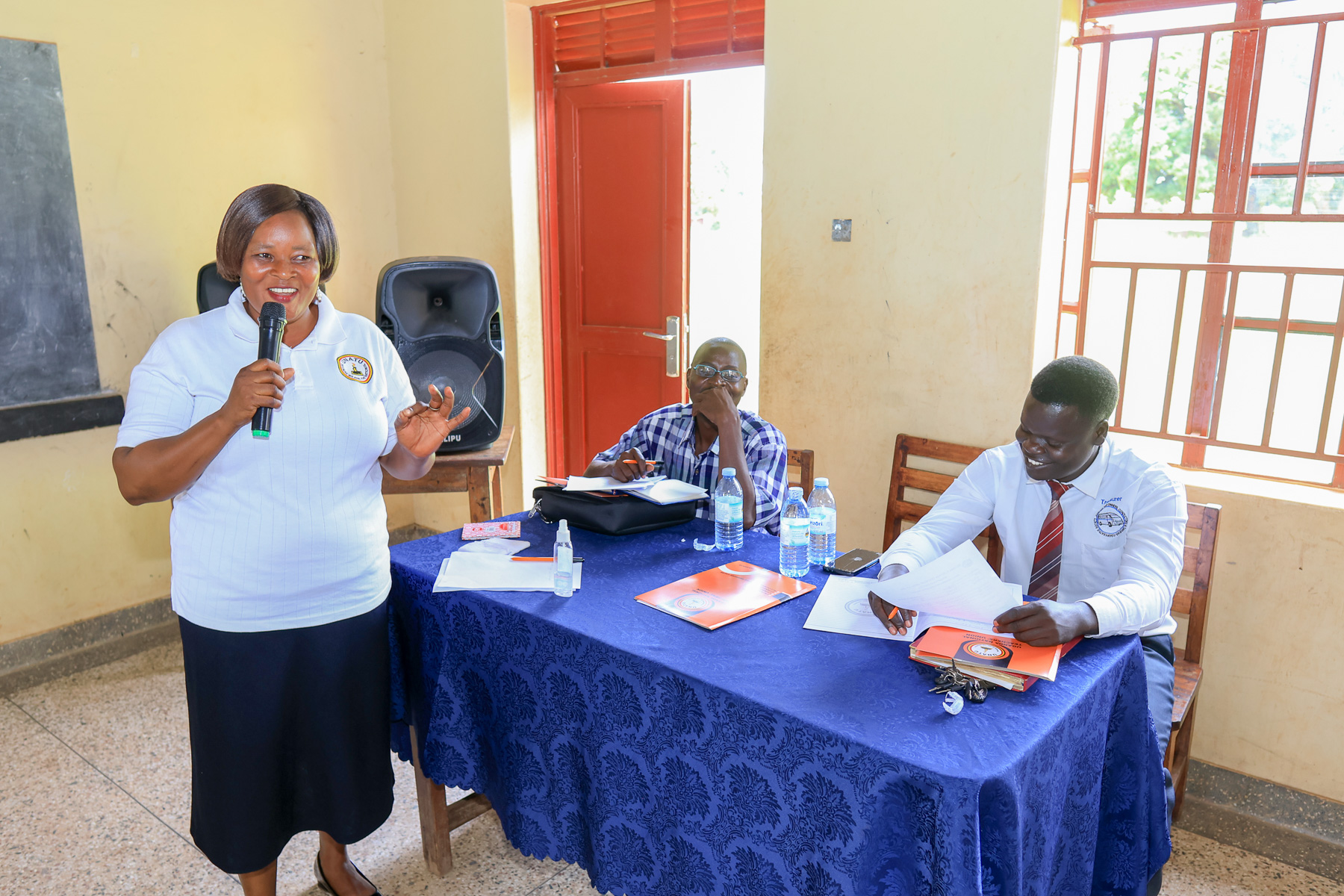
The membership education session was facilitated by Kiryandongo Branch Master Trainer Agoa Beatrice.
She took participants through the history of UNATU, including its development from earlier teacher organisations into the national teachers’ labour union representing teachers across Uganda.
She explained how teachers become UNATU members and reminded participants that membership is maintained through active subscription.
The session also covered the 1% monthly subscription, which is deducted from a member’s gross salary. The contribution supports Union services, branch activities, regional work, national operations, solidarity support and other programmes that benefit members.
Participants were reminded that the 1% subscription is not a personal savings scheme, but a contribution that enables the Union to operate and serve its members.
The Master Trainer also explained the benefits of UNATU membership, including representation, access to information, professional support, condolence assistance, participation in Union programmes and belonging to a collective voice that advocates for teachers.
General Secretary challenges youth teachers
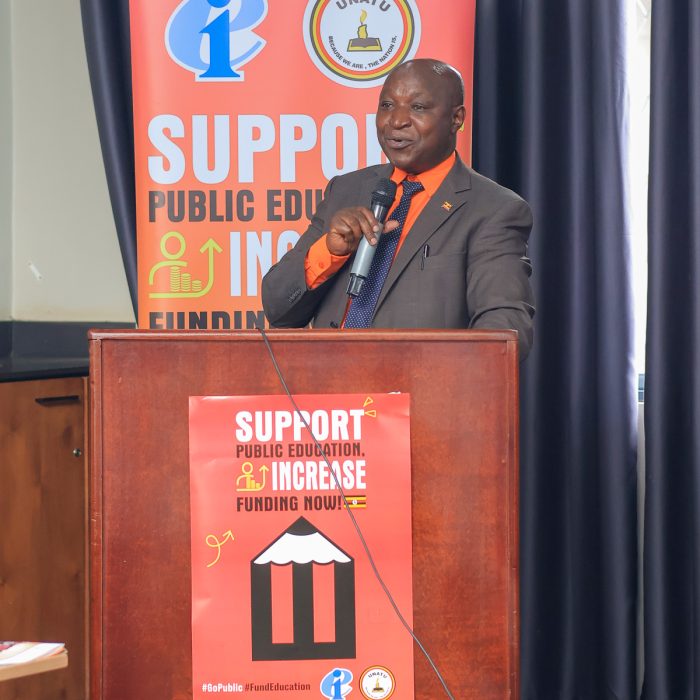
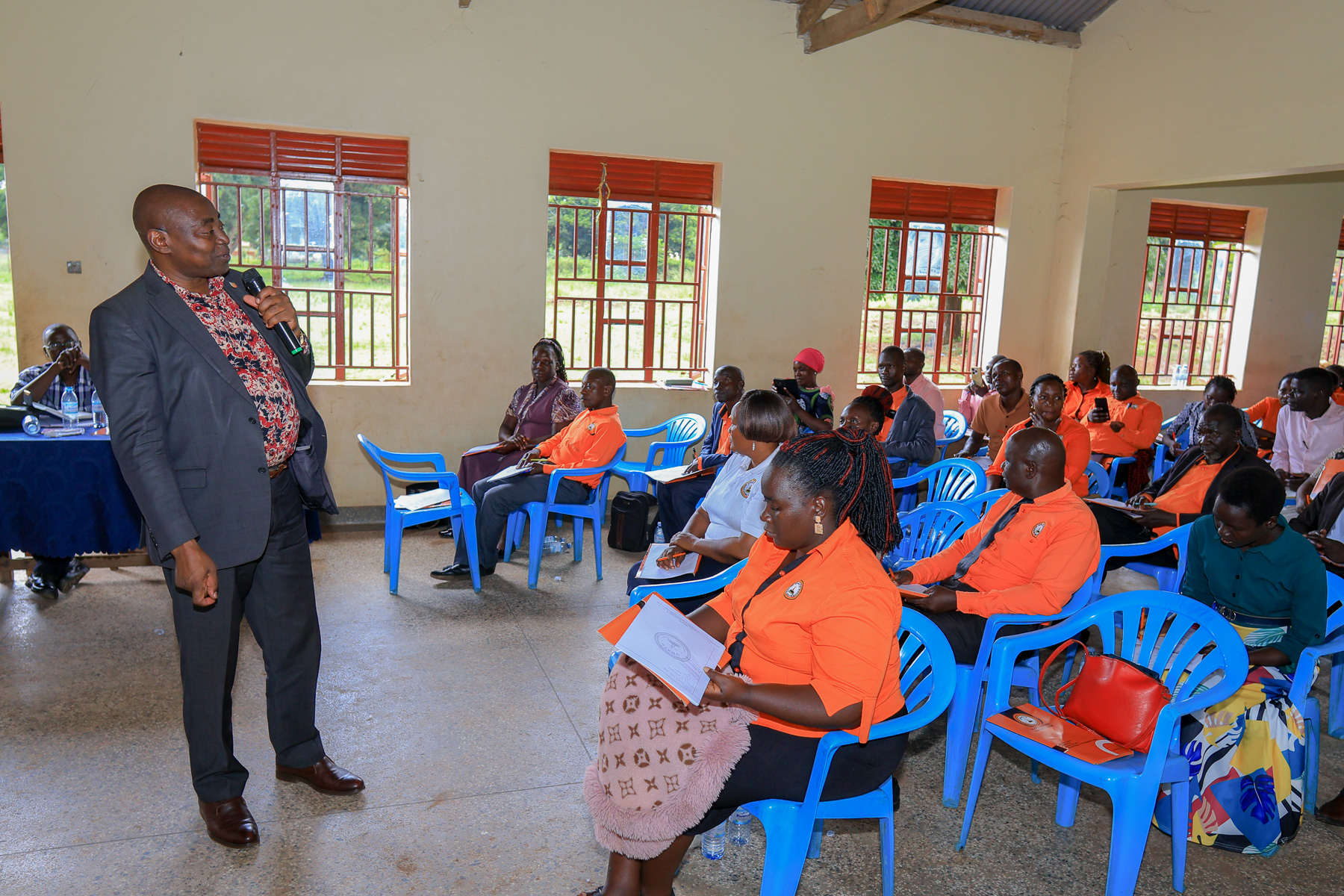
In his address, the UNATU General Secretary, Baguma Filbert Bates, asked participants to reflect on the question: “Who is UNATU?”
The participants responded that UNATU is made up of subscribing teachers.
The General Secretary used the response to remind them that the Union is not separate from its members. Its strength depends on teachers who understand, support and participate in its work.
He called for unity among teachers, particularly during joint Union actions such as industrial action, saying collective action can only succeed when members stand together.
He also spoke about teacher agency, describing it as the autonomy, confidence and professional responsibility of teachers to understand their rights and participate meaningfully in matters affecting the profession.
He referred to Article 40 of the Constitution of the Republic of Uganda, which protects workers’ rights to form and join labour unions of their choice, participate in collective bargaining and withdraw labour in accordance with the law.
He reminded participants that knowing their rights must go hand in hand with following proper procedures, including formally seeking permission when applying for leave and keeping evidence of official communication.
“Teachers must know what protects them and what does not protect them,” he said, urging participants to seek Union guidance whenever they are asked to write statements or respond to employment-related matters.
‘Upgrade, upgrade and upgrade’
The General Secretary urged young teachers to begin planning for retirement early.
He said retirement should not find teachers unprepared and encouraged them to make deliberate decisions while they still have time.
He also encouraged teachers to upgrade their qualifications as early as possible to position themselves for promotion and future leadership opportunities.
He linked professional upgrading to the changing legal and professional environment in education, saying teachers must continue learning if they are to remain competitive and comply with emerging requirements.
“Upgrade, upgrade and upgrade,” he said.
He further encouraged teachers to know their worth and take advantage of opportunities for professional growth.
The General Secretary told young teachers to aspire to inspire before they expire, reminding them that career growth begins with deliberate choices made early in service.
General Secretary calls for financial discipline
The General Secretary cautioned young teachers against multiple borrowing and unnecessary financial pressure.
He warned them against rushing into ventures or social obligations that require resources they do not have, including expensive ceremonies and other forms of spending that may lead to debt.
He said teachers should begin their financial journey early, plan for unexpected circumstances and avoid decisions that expose them to unnecessary risk.
He also noted that financial indiscipline can have consequences, particularly when it affects a teacher’s work, conduct or ability to meet personal obligations.
He encouraged teachers to save more than they borrow and consider joining UNATU SACCO as one of the avenues for financial growth and support.
During the plenary session, he explained that Government systems are increasingly able to show where a teacher has a loan, making it even more important for teachers to manage their financial commitments responsibly.
Teachers urged to understand the law
The General Secretary also spoke about the National Teachers’ Policy and the National Teachers’ Act.
He explained that the National Teachers’ Act provides for the establishment of a National Teachers Council, which is expected to regulate the teaching profession, including teacher registration, licensing, professional conduct and Continuous Professional Development.
He encouraged young teachers to understand these provisions early so that they are not caught unaware by changes in the profession.
He also spoke about the Public Service Pension Fund and reminded teachers to understand its implications for their future earnings and retirement planning.
The General Secretary urged teachers to follow the law and understand both their rights and responsibilities.
He encouraged them to seek advice from the Union whenever they are asked to write statements, respond to official matters or handle employment-related issues.
He also advised teachers to keep copies of all documents they submit so they can demonstrate that they used the proper formal channels.
Mental health and teacher support
The General Secretary also addressed mental health, noting that teachers may experience stress, aggression, emotional pressure and other forms of mental distress.
He said teachers need support, but must also understand their rights and know where to seek help.
He encouraged participants to avoid actions that may worsen their situations and to seek guidance before workplace or personal challenges escalate.
The message placed teacher wellbeing at the centre of professional responsibility, reminding participants that effective teaching requires both personal stability and institutional support.
Plenary clarifies members’ concerns
During the plenary session, the General Secretary responded to questions on pensions, gratuity, SACCO membership, corporate wear, loan management, Union subscriptions and leave.
He explained how pension and gratuity are calculated and encouraged teachers to prepare for retirement early.
He also encouraged participants to join UNATU SACCO and develop a culture of saving.
On corporate wear, he said UNATU was aware of the existing challenges and was working on a system to identify members who needed support, particularly those who had received corporate wear previously.
He also explained how members could access corporate wear and called for proper separation of information for members with IPPS numbers and those without them.
On loans, he encouraged teachers to save rather than borrow unnecessarily.
He clarified that the 1% Union subscription is not a social security fund. Instead, it supports Union activities, including member services, branch activities, representation, solidarity support and Union operations.
He further explained that paternity leave is now seven days.
Closing speaker urges teachers to use official information
In the closing remarks, the Secretary of Finance, representing the Secretary for Education, appreciated the engagement and said the issues raised would be reported to the LC V Chairperson.
He noted concerns such as recruitment without adverts and other employment-related challenges affecting teachers.
He appreciated the work of the General Secretary and UNATU’s continued advocacy for improved teacher welfare.
He also addressed concerns about head teachers who discourage teachers from joining the Union, saying teachers should understand that joining UNATU is a personal right and decision.
He raised issues relating to probation, transfers and cases where teachers are paid from previous or different duty stations.
He urged teachers to use official platforms to access verified information.
He also encouraged participants to use technology to obtain reliable updates and improve the way they perform their professional duties.
Conclusion
The Youth Membership Education engagement reminded young teachers that the future of the teaching profession will be shaped by those who prepare early.
Participants were encouraged to remain united, follow official communication channels, upgrade their qualifications, plan for retirement, manage their finances responsibly and understand the laws governing their profession.
For the 83 youth teachers in Kiryandongo, the message was clear: salary enhancement is important, but it is not enough on its own. The teacher of the future must be informed, organised, financially disciplined and ready to participate in shaping both the profession and the Union.
UNATU will continue supporting young teachers through membership education, professional guidance and advocacy for improved teacher welfare.







Other posts